
TL;DR

Get business pricing on tools and workshop supplies
- Business-only prices and quantity discounts
- Tax-exempt purchasing
- Multiple users, one account, clear invoices
House Beautiful reports that designers recommend treating vintage and antique decor as part of a room’s mix, rather than building a space around a single era or making every find a focal point. Their advice includes starting small, taking time to source pieces, mixing old with new and being open to altering items when appropriate. The report does not present survey data or establish that these mistakes are widespread.
House Beautiful has published a guide to five mistakes that can make vintage and antique decor feel out of place, drawing on advice from interior designers and collectors. Their central recommendation is to build a room gradually and combine older pieces with contemporary furnishings, rather than treating one antique or one historical style as the room’s whole identity.
The report identifies buying too much too quickly as one common pitfall. New York-based decorator and vintage collector Nancy Cavaliere advises starting with a small object, such as art, a mirror or a vase, instead of furnishing a whole room on a deadline. She says waiting for a piece that feels right can be better than filling an empty corner with something chosen under pressure.
Another mistake is assuming that an antique must be the room’s main focal point. Cavaliere says older pieces can sit alongside ordinary or modern furnishings without being displayed on a pedestal. Sarah West, founder of Sarah West & Associates, says a vintage object can add interest in a corner or along a route through the room, rather than dominating it.
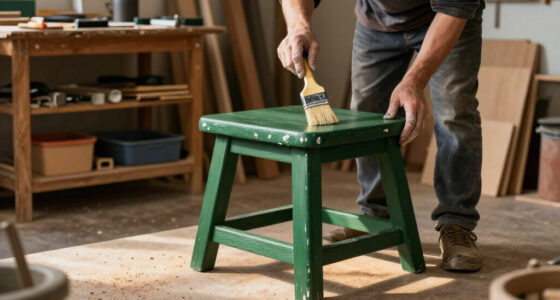
The article also warns against making a room represent one design era or assuming vintage pieces should not be changed. Designer Alex Bass, founder of Salon 21, encourages combining periods and styles. The source material’s final section on altering pieces is incomplete, however, so it does not provide the full advice or explain what types of changes the designers recommend.
Why a Slower Mix Can Work
The advice matters to readers because vintage and antique finds can be difficult to place alongside furnishings already in a home. The designers’ approach offers a practical alternative to buying a matching set or attempting a full room makeover at once: test one piece in the space, move it around, and see how it relates to existing colors, materials and furniture.
The report also pushes back on the idea that a room must follow a single period or current style label. A mix can let residents use objects they already own while adding secondhand or antique finds over time. That is the designers’ perspective, not a measured finding about what most homeowners prefer or a guarantee that every combination will work.
Popular right now

Samsung 65-Inch The Frame Pro Neo QLED 4K TV (2026) Bundle with Modern Brown Bezel, HDMI Cables, and Home Theater Guide

KitchenAid Artisan 5-Qt Tilt-Head Stand Mixer – Dried Rose (KSM150PS)

Bose QuietComfort Wireless Noise Cancelling Headphones, Black
As an affiliate, we earn on qualifying purchases.
Designers on Mixing Periods
The House Beautiful report frames its advice against a preference for homes that feel collected and personal, rather than furnished all at once from one retailer. It quotes West saying that even a modern or transitional room can benefit from a piece with a sense of history. The article offers this as her professional view; it does not cite sales figures or research establishing a broader market shift.
Its examples stress contrast: an antique light fixture with contemporary furnishings, or pieces from different design periods brought together through shared materials or colors. Bass cautions against treating labels such as Art Deco or midcentury modern as styles that require an all-or-nothing commitment. The report presents these as design suggestions, not fixed rules.
“I think it’s important to add at least some kind of antique or vintage piece in every room.”
— Sarah West, founder of Sarah West & Associates
Limits of the Available Advice
The supplied article text ends during its section on being afraid to alter vintage pieces. It does not include the designers’ full guidance on restoration, repainting, repairs or when an object should be left unchanged. Readers should not infer a specific recommendation on those choices from the incomplete excerpt.
The report also does not quantify how many homeowners make these mistakes, provide a survey of decorating preferences or establish that vintage decor is more popular than other styles. Its advice is attributed to the designers quoted, and individual choices depend on the object and the room.
How to Try the Advice
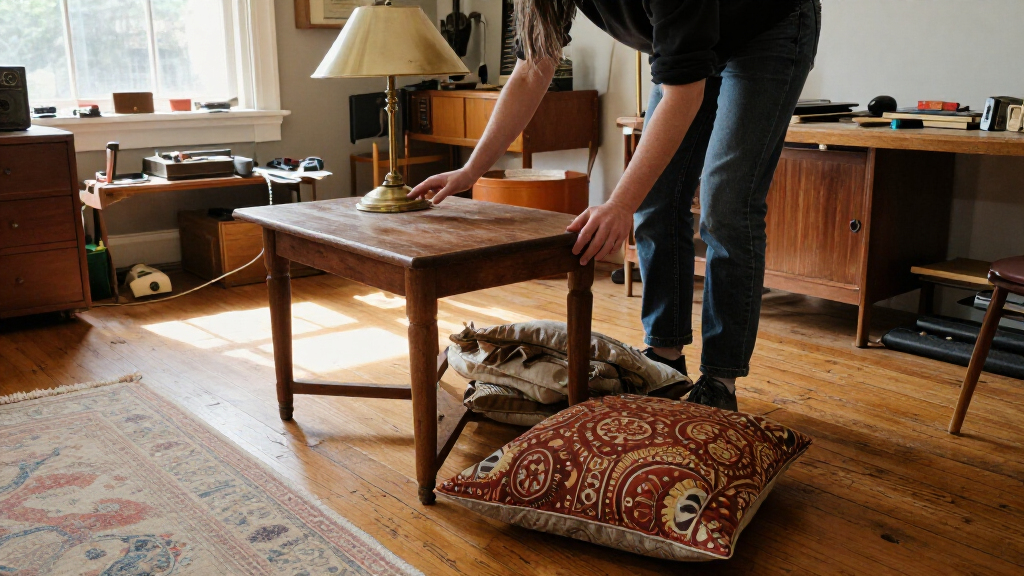
The next step suggested by the report is modest: choose one small piece, try it in more than one location and live with it for a few days before making further purchases. Consider how it sits beside the room’s existing furnishings, and whether the combination feels coherent to you.
For readers considering changes to an antique, the provided material offers no complete next-step instructions. They may need to consult a qualified furniture conservator or restoration professional when an item is valuable, fragile or historically significant. The source does not identify a forthcoming follow-up or additional publication.
Key Questions
What is the main mistake the designers warn against?
Buying too much too quickly can lead to choices made just to fill a room. The designers recommend starting with one or a few smaller pieces and taking time to find items that suit the space.
Does a vintage piece need to be the room’s focal point?
No. Cavaliere says an antique can sit comfortably alongside modern or everyday furnishings. It can add interest without becoming the room’s main feature.
Can I mix furniture and decor from different periods?
Yes, according to the designers quoted in the report. Bass recommends choosing pieces that work together in a room rather than assuming every item must come from one design era.
What does the report say about altering vintage pieces?
The supplied source text begins a section about fear of altering vintage items but cuts off before giving the full advice. It does not establish when or how a piece should be changed.
Source: housebeautiful.com