
TL;DR

Get business pricing on tools and workshop supplies
- Business-only prices and quantity discounts
- Tax-exempt purchasing
- Multiple users, one account, clear invoices
An Ideal Home gardening report says a layer of mulch can help protect plants from frost and heavy rain, retain moisture, and improve soil over time. Experts quoted in the report also say it can support garden wildlife; the benefits depend on the mulch and how it is used.
Ideal Home has published a report recommending mulching as a November garden task, outlining six potential benefits: frost protection, reduced soil erosion in heavy rain, healthier soil, better moisture retention, improved soil structure and support for wildlife. The advice comes from gardening and wildlife specialists quoted by the publication; it is practical seasonal guidance, not a report of new research or a guarantee that every garden will see the same results.
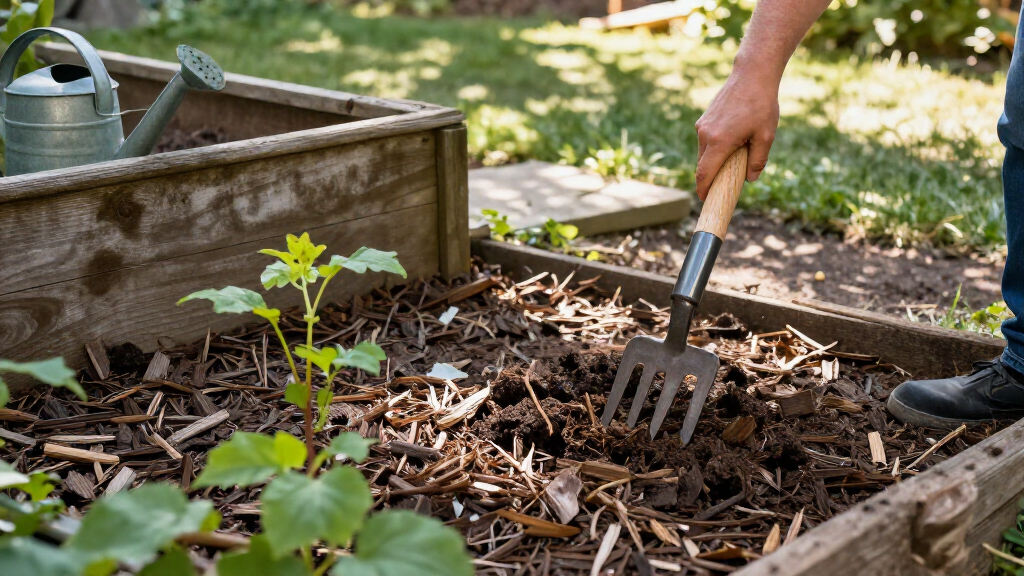
Mulching means spreading a layer of organic material over soil in beds, borders or containers. The report says a layer can act as insulation during cold weather, helping protect soil and plant roots as temperatures fall. Wildlife expert James Ewens of Green Feathers describes mulch as a blanket for soil. Grow-your-own author Huw Richards advises that gardeners seeking insulation can cover compost mulch with straw, leaves or grass clippings.
The advice also addresses wet and warm conditions. Landscape gardener Carl Jones says organic mulch can help protect roots from heavy rain, which can wash away nutrients and compact soil. In hotter weather, the report says mulch can slow moisture loss and help soil stay hydrated for longer, potentially reducing how often plants need watering. These are described as possible benefits, rather than quantified water savings or protection under every condition.
Over time, organic material breaks down and adds matter to the soil. Richards recommends a mulch depth of 5–7 centimetres (2–3 inches), saying decomposition feeds worms, fungi and other soil organisms. The report also says regular mulching may improve soil structure and reduce the need to dig, while leaf mould, homemade compost and bark chippings can provide habitat and food for invertebrates that support birds and other wildlife.
How Mulch Can Help Through Winter
The practical appeal is that one garden task may address several seasonal problems at once. A mulch layer can reduce exposure of roots and soil to cold, heavy rain and drying conditions, while organic materials can contribute to soil health as they break down. For gardeners preparing beds for winter, that may offer a way to protect plants and improve growing conditions without turning the advice into a claim that mulch replaces watering, drainage work or other care.
The wildlife argument adds another reason to use suitable organic material. Ewens says mulch encourages earthworms, beetles, woodlice and other invertebrates, which are food for birds, hedgehogs, frogs and toads. Mulch may also shelter slugs and snails, the report acknowledges. Ewens argues that these creatures form part of the food web and may be kept in balance in a wildlife-friendly garden; that is an expert’s assessment, not a promise that mulch will control pests in every garden.
Popular right now

De'Longhi Rivelia Automatic Espresso Machine with Milk Frother

Vitamix Propel Series 510 Professional-Grade Blender, 3 Programs, Black

Vitamix Propel Series 750 Professional-Grade Blender, 4 Programs, Black
As an affiliate, we earn on qualifying purchases.
A Seasonal Task With Multiple Uses
The source frames mulching as useful in different seasons, but its immediate recommendation is tied to November and the approach of winter. Its six benefits span more than frost protection: mulch can help protect soil during rain, retain moisture during heat, add organic matter and support wildlife. Living groundcover is also mentioned as a way to stabilise soil and suppress weeds, though it is distinct from spreading loose mulch.
The report includes examples of products and materials, but its main guidance concerns the technique rather than a particular brand. It names compost, straw, leaves, grass clippings, leaf mould and bark chippings. The recommended depth comes from Richards, while the advice about frost, rain and wildlife is attributed to the specialists quoted in the article. The source does not present comparative trials showing that one mulch performs best across all plants or garden types.
“A layer of mulch acts like a blanket to protect the soil from frost.”
— James Ewens, wildlife expert at Green Feathers, as quoted by Ideal Home
Results Depend on Garden Conditions
The report does not provide measured results for how much mulch reduces frost damage, watering needs, erosion or digging. Those outcomes can vary with plant type, soil, weather, mulch material and application. It also does not specify how often mulch should be refreshed or give detailed instructions for every plant, so gardeners may need to adapt the advice to their beds and containers.
The source notes that mulch can shelter slugs and snails as well as beneficial wildlife. It does not establish that predators will always keep those pests in balance. Readers should treat the wildlife benefit as a reason to consider the garden food web, not as assured pest control. No independent study or product comparison is supplied to verify the report’s claims or rank the materials mentioned.
Applying the Advice in November
For gardeners following the report’s seasonal advice, the next step is to choose an organic material suited to the area and spread it at the suggested 5–7 cm depth. Richards’ recommendation is to cover compost with straw, leaves or grass clippings when additional winter insulation is wanted. The article also points to leaf mould, homemade compost and bark chippings as wildlife-friendly options.
Gardeners can then monitor their plants and soil through changing weather, rather than assuming one application will meet every need. The report gives no follow-up timetable or new research milestone; its guidance is presented as a timely garden task, with actual results dependent on local conditions and the materials used.
Key Questions
Is mulching worth doing in November?
Ideal Home’s report recommends it as a November task because mulch may help insulate soil as temperatures fall. It also describes potential benefits for soil health, moisture retention and wildlife. Results depend on garden conditions and material.
How deep should mulch be?
Grow-your-own author Huw Richards advises a layer about 5–7 cm (2–3 inches) deep, according to the report.
Can mulch protect plants from both frost and heavy rain?
The experts quoted say mulch can insulate soil during cold weather and help protect roots and reduce erosion in heavy rain. The report does not quantify the protection, and it may vary with the material, soil and weather.
Does mulch attract slugs?
Mulch can provide shelter for slugs and snails, the report acknowledges. It also may support wildlife such as beetles and worms, which are food for predators including birds, frogs and hedgehogs. The article does not claim that wildlife will control slugs in every garden.
Source: idealhome.co.uk