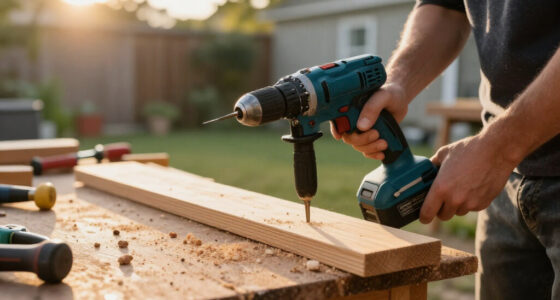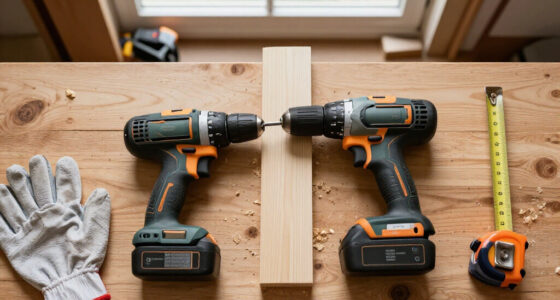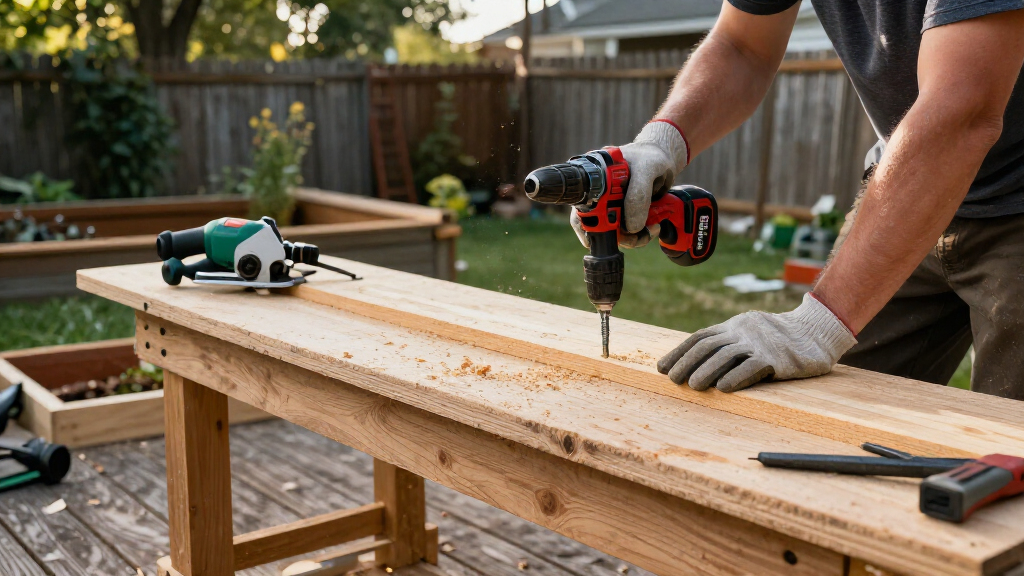
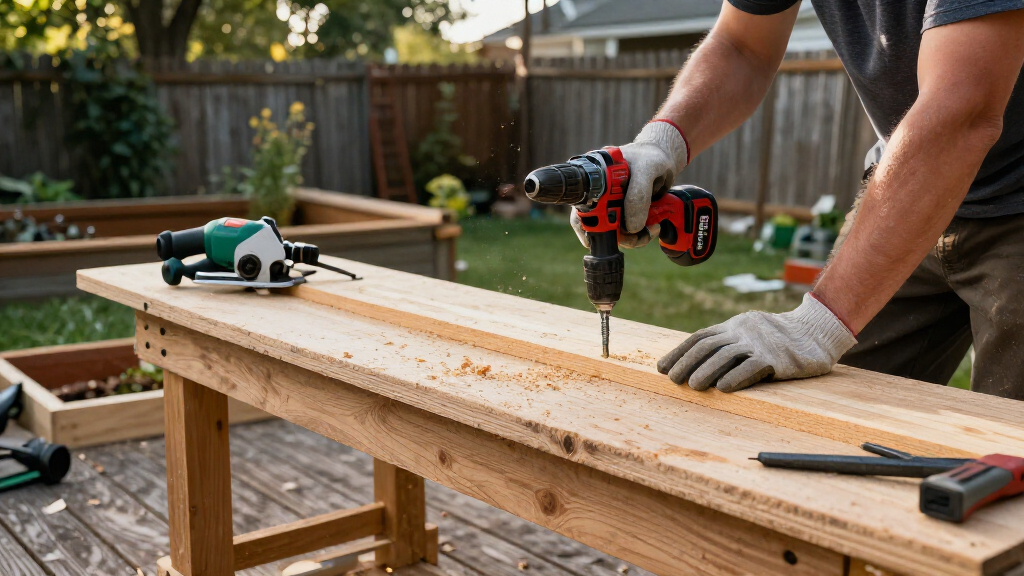
The best Ryobi and Milwaukee tools in this roundup are Ryobi models, so this comparison focuses on choosing among their different tools and kits rather than comparing two brands. My best overall pick is the RYOBI ONE+ HP Brushless Multi-Tool Kit, which pairs a brushless tool with a battery and charger; the six-tool combo kit is a stronger starting point for buyers building a broad collection, while the compact brushless drill and impact driver kit suits common fastening and drilling jobs. The main tradeoff is whether to buy a ready-to-use kit or a bare tool that makes sense only if you already own compatible batteries. I also weigh tool specialization, portability, and the needs of occasional DIY work against more frequent use. Read on for the full breakdown of all 11 picks and guidance on which setup fits your projects.

Get business pricing on tools and workshop supplies
- Business-only prices and quantity discounts
- Tax-exempt purchasing
- Multiple users, one account, clear invoices
Complete the kit



Key Takeaways
The HP brushless multi-tool kit is the most balanced single-tool choice: it includes a 2.0 Ah battery and charger, unlike the bare-tool multi-tools that depend on an existing ONE+ battery setup.
The six-tool combo kit offers the broadest starting point: it covers multiple job types, while the drill-and-impact-driver kit concentrates on two tools many DIYers reach for often.
Three multi-tools serve different buying situations: the HP brushless kit is ready to use, the 4-piece-blade kit adds a basic cutting supply, and the RMT18-0 and tool-only options suit owners who already have batteries.
The reciprocating saw kits trade flexibility for convenience: the kit with battery and charger suits a first purchase, while the PCL515B bare tool is a better fit for existing ONE+ users who want its variable speed and 1-inch stroke.
Specialty tools make the most sense when a job calls for them: the impact wrench and compact cut-off tool address narrower tasks, so their value depends more on planned use than on building an all-purpose starter set.


| Ryobi and Milwaukee tool | Voltage | Model | Maximum speed |
|---|---|---|---|
| RYOBI RMT18-0 18V ONE+ Cordles | 18 V | RMT18-0 | — |
| RYOBI 18V Cordless Oscillating | 18 V | PCL430K1-A24401 | — |
| Ryobi ONE+ 18V Cordless Oscill | 18 V | PCL430B | 20,000 OPM |
| RYOBI ONE+ 18V Cordless 1/2 in | 18 V | PCL265K1 | 2,700 RPM |
| RYOBI P1819 18V ONE+ 6-Tool Li | 18 V | P1819 | — |
| RYOBI ONE+ 18V Cordless 1/4-In | 18 V | PCL235B | 3,400 rpm |
| RYOBI ONE+ 18V Cordless Recipr | 18 V | PCL515K1 | 3,400 SPM |
| RYOBI ONE+ 18V Cordless Variab | 18 V | PCL515B | 3,400 SPM |
| RYOBI ONE+ HP 18V Brushless Co | 18 V | PSBCS02B | 19,500 RPM |
| RYOBI ONE+ HP 18V Compact Brus | 18 V | — | — |
| RYOBI ONE+ HP 18V Brushless Co | 18 volts | — | 20,000 OPM |
More Details on Our Top Picks
RYOBI RMT18-0 18V ONE+ Cordless Multi-Tool, Bare Tool
The RMT18-0 is a strong fit for repairs that move between wood, drywall, metal, and plastic. Its six-position speed control lets you adjust the pace for delicate sanding or more assertive cutting, while the LED helps when the tool head is tucked into a cabinet or corner. Unlike the RYOBI 18V Cordless Oscillating Multi-Tool Kit, this bare tool does not include a battery or charger, but it comes with both plunge- and flush-cutting blades, a sanding pad, and a universal adapter for accessories from other brands. That broad accessory compatibility is useful if you already have blades on hand. The tradeoff is that buyers starting from scratch need to supply a battery, and only five sanding sheets are included. I’d choose it over a basic multi-tool when material flexibility and accessory options matter most.
Pros:- Six speed positions support control across cutting and sanding tasks.
- Universal adapter accepts accessories from other brands.
- Includes plunge-cutting and flush-cutting blades plus a sanding pad.
- Compact head and LED work light help in confined, poorly lit spots.
Cons:- Battery and charger are not included.
- Only five sanding sheets come in the package.
Best for: RYOBI ONE+ owners who need one compact tool for occasional cutting and sanding across several materials, including tight or dim work areas.
Not ideal for: New cordless-tool buyers who need a complete kit, or frequent sanders who want more than five sheets included.
- Model:RMT18-0
- Voltage:18 V
- Speed range:10,000–20,000 rpm
- Variable speed:6 positions
- Weight:0.9 kg
- Dimensions:12.2 × 3.15 × 5.51 inches
- Power source:DC; battery required, sold separately
- Included accessories:Plunge-cutting blade, flush-cutting blade, sanding pad, 5 sanding sheets, hex key, universal accessory adapter
Our verdict“Choose the RMT18-0 if you already own RYOBI ONE+ batteries and want a versatile detail tool with broad accessory compatibility.”
RYOBI 18V Cordless Oscillating Multi-Tool Kit with 4-Piece Wood Blade Set and Tool Bag
This kit makes the most sense for a homeowner who wants to start cutting, scraping, or sanding without first assembling a battery setup. It includes a 2.0 Ah battery, charger, four-piece wood blade set, and tool bag, while variable speed and an LED support better control around trim and repair work. Compared with the bare-tool RYOBI RMT18-0, it is ready to use out of the box, but the RMT18-0 includes a wider mix of named accessories and a universal adapter. The supplied blades here are described for wood, so buyers planning to cut metal or work with specialty materials may need additional accessories. The smaller battery also suits intermittent jobs better than long sessions. I’d favor this package for a first multi-tool purchase, not for someone who already owns compatible batteries and accessories.
Pros:- Includes a battery and charger for a ready-to-use setup.
- Four-piece wood blade set supports common trim and repair cuts.
- Tool bag keeps the tool and supplied accessories together.
- Variable speed and LED light assist with controlled, visible work.
Cons:- The included blade set is specified for wood cutting, limiting out-of-box material range.
- The 2.0 Ah battery may require more frequent charging during extended work.
Best for: First-time cordless-tool buyers who want a ready-to-use multi-tool kit for household wood trimming, scraping, and light sanding.
Not ideal for: RYOBI ONE+ owners who already have batteries and a charger, or users who need included blades for metal and other non-wood materials.
- Model:PCL430K1-A24401
- Voltage:18 V
- Battery:One 2.0 Ah lithium-ion battery
- Included components:Oscillating multi-tool, battery, charger, 4-piece wood blade set, tool bag
- Special features:Variable speed, LED light
- Recommended uses:Cutting, sanding, scraping, trimming
- Item weight:1.7 lb
- Color:Green
Our verdict“Pick this kit for a convenient first multi-tool setup, but choose the RMT18-0 if accessory flexibility matters more than an included battery.”
Ryobi ONE+ 18V Cordless Oscillating Multi-Tool, Tool Only
The PCL430B puts emphasis on control and convenience: its variable-speed dial reaches 20,000 OPM, and the lock-on button can reduce finger fatigue during longer runs. On-board accessory storage also keeps a spare attachment close, a practical distinction from the RYOBI RMT18-0, whose package provides a more explicit mix of cutting and sanding accessories and a universal adapter. This model’s ergonomic angled design and 1.5-pound listed weight make it a sensible choice for repeated trimming or scraping, but the product data lists only the multi-tool as included. Battery, charger, and working accessories must be sourced separately, so it is less convenient than the RYOBI 18V Cordless Oscillating Multi-Tool Kit for a first-time buyer. I’d rank it for existing ONE+ users who value a lock-on control and built-in storage over a bundled accessory set.
Pros:- Variable-speed dial reaches 20,000 OPM for adjustable cutting and sanding pace.
- Lock-on button can ease hand fatigue during sustained work.
- On-board accessory storage keeps a spare attachment with the tool.
- Angled ergonomic design supports controlled handling.
Cons:- Battery and charger are sold separately.
- Only the multi-tool is listed as included, so accessories may need to be purchased separately.
Best for: RYOBI ONE+ owners who already have batteries and compatible accessories and want a multi-tool with a lock-on button and onboard storage.
Not ideal for: New tool buyers who need a battery, charger, or blades in the box, or anyone prioritizing a complete ready-to-work package.
- Model:PCL430B
- Voltage:18 V
- Maximum speed:20,000 OPM
- Weight:1.5 lb
- Dimensions:12 × 3 × 6 inches
- Style:Angled
- Included components:Multi-tool
- Warranty:30-day limited warranty
Our verdict“Choose the PCL430B if you already own ONE+ batteries and accessories and want its lock-on control and onboard storage.”
RYOBI ONE+ 18V Cordless 1/2 in. Impact Wrench Kit with 4.0 Ah Battery and Charger
For stuck or stubborn fasteners, the PCL265K1 offers a more specialized answer than the multi-tools in this roundup. Its stated 375 ft-lbs of torque and 3,100 impacts per minute suit wheel, equipment, and general fastening jobs where a hand ratchet becomes slow work. The kit includes a 4.0 Ah battery and charger, unlike the bare-tool oscillating models, and its 1/2-inch friction-ring anvil allows quick socket changes. It also has onboard wrench storage and an LED work light. The tradeoff is its narrower purpose: it cannot replace the cutting, sanding, and scraping range of the RYOBI P1819 six-tool kit. The supplied information also describes the tool as relatively lightweight, which may feel less substantial during demanding heavy-duty use. I’d choose it for fastening needs, not as a general-purpose first tool.
Pros:- Up to 375 ft-lbs of torque supports removal of stubborn fasteners.
- Kit includes a 4.0 Ah battery and charger.
- Friction-ring anvil supports quick socket changes.
- Onboard wrench storage and LED work light add jobsite convenience.
Cons:- Focused on fastening, so it does not cover the cutting and sanding tasks handled by the P1819 combo kit.
- The lightweight build may feel less substantial for heavy-duty applications.
Best for: DIY vehicle owners and home mechanics who need a cordless 1/2-inch wrench for fastener removal and tightening and want a battery included.
Not ideal for: Buyers seeking a broad mix of tools for home projects, or users who need a heavier-duty-feeling wrench for demanding professional work.
- Model:PCL265K1
- Voltage:18 V
- Anvil size:1/2 inch
- Maximum torque:375 ft-lbs
- Maximum speed:2,700 RPM
- Impacts per minute:3,100 IPM
- Battery capacity:4.0 Ah
- Included:Battery and charger
Our verdict“Choose this kit if your main need is cordless 1/2-inch fastening and socket work rather than a broad collection of tools.”
RYOBI P1819 18V ONE+ 6-Tool Lithium-Ion Combo Kit
The P1819 earns its place by covering several common home-project needs in one package: drilling, driving, sawing, detail work, and basic lighting. It includes six tools, two batteries, a charger, and a bag, making it a more complete starting point than the single-tool PCL265K1 impact wrench kit. The impact driver’s stated 1,800 in-lbs of torque handles fastening, while the drill/driver and saws extend the kit to other jobs. That breadth comes with limits: the circular saw’s cutting depth is up to 1-9/16 inches, and the two included batteries have different capacities, 4.0 Ah and 1.5 Ah. It also lacks the dedicated 1/2-inch impact wrench’s stated 375 ft-lbs fastening torque. I’d choose the P1819 for a new or expanding home workshop, not for someone who needs one tool to tackle demanding fasteners.
Pros:- Six included tools cover drilling, fastening, cutting, detail work, and lighting.
- Comes with two batteries, a charger, a bag, and accessories.
- Impact driver delivers up to 1,800 in-lbs of torque.
- Works with the RYOBI ONE+ 18V battery platform.
Cons:- The two included batteries have different capacities: 4.0 Ah and 1.5 Ah.
- Circular saw cutting depth is limited to 1-9/16 inches.
- Does not include a dedicated 1/2-inch impact wrench like the PCL265K1.
Best for: Homeowners building a first cordless workshop who want tools for drilling, driving, cutting, detail work, and basic job lighting.
Not ideal for: Buyers who already own most of these tools, need a dedicated high-torque 1/2-inch wrench, or require a circular saw for deeper cuts.
- Model:P1819
- Voltage:18 V
- Included tools:Drill/driver, impact driver, reciprocating saw, circular saw, multi-tool, LED worklight
- Number of batteries:2 lithium-ion batteries
- Drill/driver torque:Up to 500 in-lbs
- Impact driver torque:Up to 1,800 in-lbs
- Impact driver impacts:Up to 3,200 IPM
- Circular saw cutting depth:Up to 1-9/16 inches
- Included accessories:Charger, bag, accessories
Our verdict“Pick the P1819 when you want a broad, battery-equipped home workshop foundation rather than a specialist tool for one demanding task.”
RYOBI ONE+ 18V Cordless 1/4-Inch Impact Driver, Tool Only (PCL235B)
The PCL235B is a straightforward choice for driving screws and other fasteners, with up to 1,800 in-lb of torque and a compact 2-pound body. Its 3,400 rpm top speed and impact rate suit routine fastening jobs, while the built-in LED helps light the work area. Compared with the RYOBI ONE+ HP brushless drill/driver and impact driver kit, this is a simpler, single-tool option: it offers higher stated torque than that kit’s impact driver, but gives up a second tool, brushless motors, and speed selection. The single-speed control is the main compromise when working across materials or doing delicate fastening. It is also sold without a battery, so it makes the most sense for someone already on the ONE+ platform rather than a new buyer assembling a kit.
Pros:- Up to 1,800 in-lb of stated torque for driving demanding fasteners
- 2-pound tool weight supports overhead and repeated use
- Built-in LED illuminates the immediate work area
- Compatible with RYOBI ONE+ 18V batteries
Cons:- Battery and charger are not included
- Single speed offers less control than the two-tool brushless kit
- Metal-and-plastic construction may not suit buyers seeking a premium-feeling tool
Best for: RYOBI ONE+ owners who want a lightweight impact driver for regular screw and fastener work.
Not ideal for: New cordless-tool buyers or anyone who needs adjustable speed and a battery in the box.
- Model:PCL235B
- Tool type:1/4-inch impact driver
- Voltage:18 V
- Maximum torque:1,800 in-lb
- Maximum speed:3,400 rpm
- Impact rate:Up to 3,400 IPM
- Weight:2 lb
- Battery:Lithium-ion; not included
Our verdict“Choose the PCL235B for a compact, high-torque fastening tool if you already own a RYOBI ONE+ battery and do not need variable speed.”
RYOBI ONE+ 18V Cordless Reciprocating Saw Kit with 4.0 Ah Battery and Charger
This PCL515K1 kit is the more complete reciprocating-saw choice here: it includes a 4.0 Ah battery, charger, and 6-inch wood blade, so buyers can start cutting without sourcing the power system separately. Its variable-speed trigger and pivoting shoe give the operator control over pace and contact with the material, while the easy blade-release lever speeds up blade changes. Compared with the PCL515B bare reciprocating saw, the saw’s core speed and 1-inch stroke are similar, but this kit is the better fit for someone without a compatible battery. The tradeoff is less flexibility in the box: the supplied blade is specified for wood, and product information gives conflicting warranty durations. At four pounds, it is also heavier than a bare-tool purchase may suggest once the battery is attached.
Pros:- Includes a 4.0 Ah battery and charger
- Variable-speed trigger helps control cutting pace
- Pivoting shoe supports steadier contact with the workpiece
- Quick blade-release lever makes blade changes easier
Cons:- Included blade is specified for wood cutting
- Product details conflict on whether the warranty is 30 days or three years
- The included battery and charger add cost and bulk for existing ONE+ owners
Best for: DIYers who need a cordless reciprocating saw and want a battery, charger, and starter wood blade included.
Not ideal for: RYOBI owners who already have batteries and chargers, or buyers who need a blade suited to metal cutting out of the box.
- Model:PCL515K1
- Voltage:18 V
- Stroke length:1 in
- Maximum speed:3,400 SPM
- Battery capacity:4.0 Ah
- Included blade:6-inch wood-cutting blade
- Weight:4 lb
- Included components:Saw, blade, battery, charger, operator’s manual
Our verdict“Pick this kit over the PCL515B if you need a battery and charger as well as a reciprocating saw.”
RYOBI ONE+ 18V Cordless Variable-Speed Reciprocating Saw, 3,400 SPM, 1-Inch Stroke, Tool Only (PCL515B)
The PCL515B keeps the same practical cutting setup as the kit version: a 1-inch stroke, variable-speed operation, and a maximum rate of 3,400 SPM. That makes it a sensible add-on for ONE+ owners who already have batteries and want a cordless saw for renovation cuts or pruning. Against the PCL515K1 kit, the decision is mostly about what you own already: this bare tool avoids duplicating a battery and charger, while the kit is ready to use and includes a wood-cutting blade. The PCL515B’s stated 4.2-pound weight and bare-tool format make it less appealing as a first saw for someone building a cordless setup. Buyers should also account for blades suited to their materials, since no blade is listed among the included components.
Pros:- Variable-speed operation supports more controlled cuts
- Up to 3,400 SPM and a 1-inch stroke for common cutting tasks
- Works with the RYOBI ONE+ 18V battery platform
- Avoids extra battery and charger purchases for existing platform owners
Cons:- Battery and charger are not included
- No blade is listed as included
- At 4.2 pounds, it is not the lightest option for extended overhead work
Best for: Existing RYOBI ONE+ users who want a reciprocating saw without paying for another battery and charger.
Not ideal for: First-time cordless-tool buyers or anyone who needs a ready-to-cut kit with a battery, charger, and blade.
- Model:PCL515B
- Voltage:18 V
- Maximum speed:3,400 SPM
- Stroke length:1 in
- Battery:Not included
- Weight:4.2 lb
- Dimensions:16 × 3 × 7 in
- Warranty:30-day limited
Our verdict“Choose the PCL515B over the PCL515K1 when you already own ONE+ batteries and prefer a bare tool.”
RYOBI ONE+ HP 18V Brushless Cordless 3-Inch Compact Cut-Off Tool (Tool Only), PSBCS02B
For short, controlled cuts where a full-size saw is awkward, the PSBCS02B compact cut-off tool offers a different job profile from the reciprocating saws in this lineup. Its brushless motor reaches 19,500 RPM, and the adjustable guard and cutting depth help adapt the tool to materials including metal, plastic, tile, drywall, and PVC. Dual LEDs improve visibility near the cut, while the quick-stop brake and forward/reverse operation add useful control. Compared with the PCL515B reciprocating saw, this is the more compact choice for trimming and shallow cuts, but its maximum cutting depth is only 0.62 inch. It is not a substitute for a saw when the job calls for deeper or longer cuts. The listing is tool-only, and the stated weight is an unusual 0.27 g, so I would not rely on that figure when judging handling.
Pros:- Brushless motor reaches up to 19,500 RPM
- Adjustable guard and cutting depth help tailor the cut
- Dual LED lights improve visibility around the cutting area
- Quick-stop brake and forward/reverse cutting provide added control
Cons:- Maximum cutting depth is limited to 0.62 inch
- Battery is not included
- Listed weight of 0.27 g appears unreliable for assessing handling
Best for: RYOBI ONE+ users who need a small cutter for shallow, localized cuts in mixed materials.
Not ideal for: Buyers making deep cuts, long straight cuts, or anyone who needs a battery included.
- Model:PSBCS02B
- Motor:Brushless
- Voltage:18 V
- Maximum speed:19,500 RPM
- Compatible wheel size:3 in
- Maximum cutting depth:0.62 in
- Tool length:8.5 in
- Battery compatibility:RYOBI ONE+ 18V; battery not included
Our verdict“Choose this compact cutter over a reciprocating saw for shallow cuts in tight spaces, not for deep or extended cutting.”
RYOBI ONE+ HP 18V Compact Brushless Drill/Driver and Impact Driver Kit
This brushless two-tool kit is the broadest fastening setup in this batch, pairing a compact 1/2-inch drill/driver with a 1/4-inch impact driver and including two batteries, a charger, and a bag. The drill’s 24-position clutch and two-speed gearbox make it more adaptable for drilling and controlled screw driving than the single-speed PCL235B. Its impact driver, rated up to 1,700 in-lb, has less stated torque than that standalone RYOBI driver, but the kit adds a drill and uses brushless motors across both tools. Compared with buying a bare impact driver, the value here is versatility and a ready-to-use battery set; the compromise is battery capacity, as the two included packs are 1.5 Ah. This compact setup suits everyday and tight-space jobs better than sustained heavy-duty work.
Pros:- Includes both a 1/2-inch drill/driver and a 1/4-inch impact driver
- Brushless motors power both tools
- Drill has two speed ranges and a 24-position clutch
- Comes with two batteries, a charger, and a tool bag
Cons:- Included batteries are 1.5 Ah capacity
- Impact driver’s 1,700 in-lb rating is below the PCL235B’s 1,800 in-lb
- Compact tools are less suited to sustained heavy-duty applications
Best for: DIYers who want compact drill-and-impact-driver coverage, two batteries, and a charger in one RYOBI ONE+ kit.
Not ideal for: Buyers focused on maximum impact-driver torque or long, demanding work that benefits from higher-capacity batteries.
- Voltage:18 V
- Motor:Brushless
- Included tools:1/2-inch drill/driver and 1/4-inch impact driver
- Drill/driver torque:Up to 400 in-lb
- Drill/driver speed:0–450 and 0–1,700 RPM
- Impact-driver torque:Up to 1,700 in-lb
- Batteries:Two 1.5 Ah lithium-ion batteries
- Included accessories:Charger and tool bag
Our verdict“Choose this kit over the PCL235B if you need both drilling and fastening tools and value a complete compact setup over maximum impact torque.”
RYOBI ONE+ HP 18V Brushless Cordless Multi-Tool Kit with 2.0 Ah Battery and Charger
This kit is the strongest fit for buyers who want a ready-to-use brushless oscillating tool rather than a bare tool. Its speed dial reaches 20,000 OPM, while the 3.6° oscillation angle supports brisk cutting and sanding; the included battery and charger also make it easier to start than the RYOBI RMT18-0, which is sold without a battery. A tool-free accessory release and built-in LED help when changing blades or working in dim corners.
The tradeoff is a 2.0 Ah battery, which may mean more frequent charging during extended work, and the kit includes only a plunge-cut blade, flush-cut blade, sanding pad, and sandpaper. Buyers who already own ONE+ batteries may prefer a tool-only option; this kit makes more sense for someone building a setup from scratch.
Pros:- Brushless motor and 3.6° oscillation angle support efficient cutting and sanding
- Adjustable speed reaches 20,000 OPM for adapting to different materials and tasks
- Tool-free accessory release and built-in LED simplify changes and improve visibility
- Included 2.0 Ah battery and charger are compatible with RYOBI 18V ONE+ tools
Cons:- The 2.0 Ah battery offers less capacity for extended work than a larger-battery kit
- Included accessories are limited to two blades and basic sanding components
Best for: DIYers who want a brushless multi-tool, starter accessories, and a battery-and-charger kit for repairs and detail work
Not ideal for: ONE+ owners with spare batteries who want a lower-clutter tool-only purchase, or users planning long, demanding sessions that call for more battery capacity
- Voltage:18 volts
- Motor:Brushless
- Battery type:Lithium-ion
- Battery capacity:2.0 Ah
- Maximum speed:20,000 OPM
- Oscillation angle:3.6°
- Compatible system:RYOBI 18V ONE+
- Model number:PBLMT50K1
Our verdict“Choose this kit if you need a brushless ONE+ multi-tool with a battery and charger included, but look elsewhere if you already own batteries or need longer runtime.”
How We Picked
I ranked these 11 products by how well each one serves a clear buyer need: a versatile first purchase, a practical kit, a focused tool for a recurring task, or an add-on for an existing ONE+ collection. I weighed whether the product includes a battery and charger, how much useful work it can cover, and whether its role overlaps with another pick. Brushless models and compact designs earned attention when they offered a meaningful distinction, but a feature alone did not outrank broader usefulness.
The lineup contains Ryobi products only, so I do not present this as a direct Ryobi-versus-Milwaukee performance test. Kit contents and battery compatibility shaped the order: complete kits can be more approachable for new owners, while bare tools can be the more sensible choice for people already invested in ONE+. I also considered the limits of each role, placing general-purpose kits ahead of specialized tools for most readers while preserving space for buyers with specific jobs.
Factors to Consider When Choosing Best Ryobi And Milwaukee Tools
Choosing among these tools starts with your projects and the batteries you already own—not the brand comparison implied by the search. I use the following checks to separate a useful first purchase from a tool that may sit idle or duplicate something already in your kit.
Start With the Battery System You Own
Before choosing a bare tool, check the exact battery platform and whether you have a charger that works with it. A tool-only listing can be a sensible addition when you already own compatible ONE+ batteries, but it may leave a new buyer with a tool that cannot be used right away. Kits with a battery and charger cost you less setup effort and make the full contents easier to compare. Do not assume that a battery from another brand will fit just because the voltage marking looks similar. If you are mixing tools from different manufacturers, plan for separate batteries and chargers as part of the decision. Battery availability can shape what you reach for more than a small difference between two tools.
Choose a Starter Kit by Job Coverage
A multi-tool combo kit is attractive when you need several tool types for varied home tasks, but the number of pieces does not tell you how often each will be useful. Compare the kit’s actual tools against your next few projects and the hand tools you already own. A drill-and-impact-driver set is narrower, yet its two-tool pairing can make more sense when drilling holes and driving fasteners are your regular jobs. Think about storage and upkeep as well: extra tools need space, batteries, and occasional maintenance. A larger set is not automatically better value if several pieces have no clear role in your work. Pick the coverage you will use rather than the biggest assortment.
Match the Tool to the Material and Task
Multi-tools, reciprocating saws, impact drivers, and impact wrenches solve different problems, even when all can be described as cutting or fastening tools. An oscillating multi-tool is suited to controlled, localized cuts and trimming, while a reciprocating saw is more at home in rougher demolition work. An impact driver handles common screw-driving jobs; an impact wrench is intended for larger fasteners such as lug nuts when the application and tool capacity match. Using one tool as a substitute for another can make work slower or put unnecessary strain on the tool and accessory. Check the required blade, bit, or socket type before buying, since accessories affect both compatibility and the final setup. Match the tool to the job you expect to repeat, not only to an occasional edge case.
Decide Whether Brushless Is Worth the Step Up
Brushless construction can appeal to people who use a cordless tool often, but it should be weighed against the work you actually do. Frequent or longer sessions can make efficiency and tool design more relevant than they are for a short repair a few times a year. For occasional household projects, a standard model may be adequate if it meets the task and leaves room in your kit budget for useful batteries or accessories. Compare complete package contents rather than judging a brushless tool against a bare-tool listing alone. Also look at size and handling: a compact tool may be easier to position in tight areas, even if raw output is not the only priority. Pay extra for a feature when it solves a repeated problem, not simply because it sounds like an upgrade.
Count the Full Kit, Not Just the Tool
When comparing kits, check which battery capacity, charger, blades, bits, or case are included and whether those accessories suit your work. A battery included in a kit gets you started, but one battery may not cover a long day or multiple tools without pauses for charging. Conversely, buying a second battery before you know your workload can add weight and unused gear. Consumables matter too: saw blades and multi-tool blades wear, and the right type depends on the material being cut. For occasional projects, a basic included set may be enough to begin; repeated work may call for job-specific accessories. Build a realistic first-use list before deciding which package is complete enough for you.
Frequently Asked Questions
Are these recommendations a direct comparison of Ryobi and Milwaukee tools?
No. The 11 products supplied for this roundup are all Ryobi models, so I can compare their roles, kit contents, and fit for different buyers but cannot make a fair product-to-product Milwaukee ranking from this lineup. If you are choosing between the brands, compare the specific models you need, including battery platform, tool performance, warranty terms, and the cost of building out each battery system. Avoid treating a brand-wide claim as a substitute for matching two tools built for the same task. This guide is most useful for choosing among the listed Ryobi options.
Should I buy a bare tool or a kit with a battery and charger?
A bare tool makes the most sense when you already own compatible ONE+ batteries and a charger, especially if the new tool fills a clear gap in your collection. If you are starting from scratch, a kit with a battery and charger reduces the chance of needing another purchase before the tool is usable. Compare included battery capacity and accessories, not just whether a battery is present. A single battery may be enough for occasional jobs but can slow a longer session if it is charging while you work. For this lineup, the HP multi-tool and reciprocating saw kits are ready-to-use choices, while several other picks are tool-only.
Which listed tool makes the best first purchase for a homeowner?
For broad coverage, the RYOBI P1819 six-tool combo kit is the clearest starting point because it brings several tool types together. A buyer whose work centers on drilling and fastening may get more day-to-day use from the compact brushless drill and impact driver kit instead. The best choice depends on whether your projects call for variety or repeated use of those two tools. Before choosing, check exactly what is included and whether you already own any of the tools in the set. If your needs are still uncertain, a focused kit can be easier to store and learn than a larger assortment.
Is a multi-tool or a reciprocating saw better for cutting and repair work?
Neither replaces the other across all jobs. A multi-tool is generally the more controlled choice for trimming, flush cuts, and work in tighter spaces, while a reciprocating saw is better suited to rougher, faster demolition cuts where access and material call for it. Blade selection and the material being cut affect results, so check accessory compatibility before starting. For repair work around finished surfaces, control may matter more than speed; for tearing out material, a reciprocating saw may be the more practical fit. If both kinds of work are frequent, treat them as complementary tools rather than choosing one as a universal substitute.
When does it make sense to choose the impact wrench or compact cut-off tool?
Choose the impact wrench when you have recurring work with larger fasteners and can confirm the tool and socket suit that application; it is a more specialized purchase than an impact driver. The compact cut-off tool is similarly task-led, making sense when small, controlled cutting jobs are part of your regular work. Neither is as broad a starter choice as a drill-driver or multi-tool, so occasional use may not justify adding another battery tool and its accessories. Think through the materials, fastener sizes, and frequency of the jobs you expect to handle. If those needs are rare, a more versatile tool in this lineup may serve you better.
Conclusion
For the strongest all-around fit, I recommend the RYOBI ONE+ HP brushless multi-tool kit: it combines a versatile tool with a battery and charger. For broad starter coverage, choose the P1819 six-tool combo kit; for a more focused entry into common drilling and fastening jobs, the compact brushless drill and impact driver kit is my pick for beginners. The best value depends on your battery situation: existing ONE+ owners should look at the bare-tool options, while new buyers should favor a package that includes the power essentials. For frequent use, the HP brushless models are the premium choices in this lineup; for demolition, choose a reciprocating saw, and for larger fasteners, choose the impact wrench. Since every listed product is Ryobi, Milwaukee shoppers should compare equivalent Milwaukee models separately before deciding between brands.