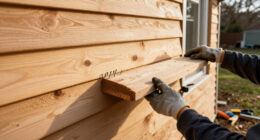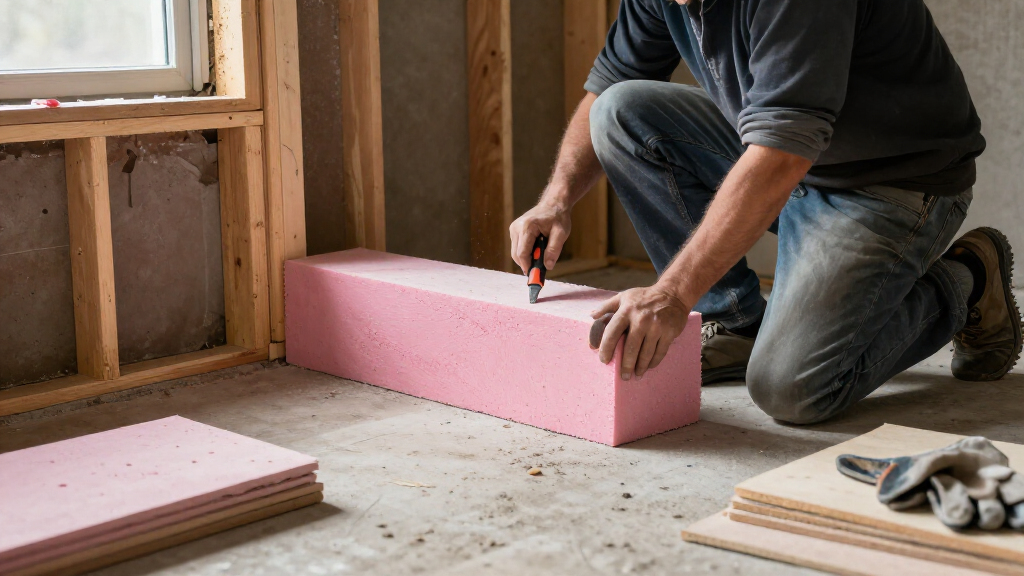
Choosing a foundation insulation product starts with a distinction that can be easy to miss: insulation and waterproofing solve different problems. For a thermal layer and air sealing, I put the Akfix Thermcoat kit first for its stated R-11.32 at 2 inches and Class A fire rating. The BEEST FullStop kit is my pick for buyers tackling more area or gaps because it includes 12 cans and protective gear. If water management is the main concern, Jetcoat Premium Rubberized Coating is the better match—but it is a sealer, not a substitute for insulation.

Get business pricing on tools and workshop supplies
- Business-only prices and quantity discounts
- Tax-exempt purchasing
- Multiple users, one account, clear invoices
The tradeoff is fit and installation. Spray foam can add thermal resistance and help limit air movement, but it calls for careful application, temperature control, ventilation, and protective equipment. Jetcoat is applied as a coating and targets moisture, yet its coverage depends on surface porosity and the supplied details do not give it an R-value. I ranked these options by how directly they serve foundation insulation, then by stated thermal performance, package scope, and the limits buyers should plan around.
Complete the kit



Key Takeaways
Akfix Thermcoat ranks first for thermal performance: it is listed at R-11.32 at 2 inches and carries a Class A fire-rating claim, but its application is limited to indoor use where ventilation is available.
BEEST FullStop suits larger spray-foam jobs: the kit includes 12 cans and personal protective gear, with up to 240 board feet of coverage and a stated R-8.24 at 2 inches.
Jetcoat addresses water, not heat loss: its rubberized formula is intended to seal and waterproof foundation surfaces; no thermal R-value is provided.
Temperature affects foam work: Akfix lists an application range of 41°F–86°F, while BEEST recommends 68°F–77°F, so site conditions may determine which kit is practical.
Confirm the assembly before buying: substrate, moisture conditions, ventilation, fire protection, local code, and whether the foundation is inside or outside all affect product suitability.
| Akfix Thermcoat Fire Rated Spray Foam Insulation Kit – 120 sq ft (6 x 27.1 oz) – R-Value 11.32 @ 2 in – Closed Cell Expanding Sealant with Gun & Cleaner |  | Best Overall for Thermal Performance | Coverage: 120 sq ft | Package: 6 cans | Can volume: 27.1 fl oz each | VIEW LATEST PRICE | See Our Full Breakdown |
| BEEST FullStop Spray Foam Insulation Kit, 240 Board Feet |  | Best for Larger DIY Jobs | Coverage: Up to 240 board feet | Package quantity: 12 cans | R-value: 8.24 at 2 in | VIEW LATEST PRICE | See Our Full Breakdown |
| Jetcoat Premium Rubberized Foundation and Roof Coating, 4.75 Gallons |  | Best for Foundation Moisture Protection | Volume: 4.75 gallons | Coverage: Up to 50 sq ft, depending on surface porosity | Suitable surfaces: Poured concrete walls, roofs, foam, wood, and more | VIEW LATEST PRICE | See Our Full Breakdown |
| foundation insulation product | Coverage | R-value | Application temperature | Foam type |
|---|---|---|---|---|
| Akfix Thermcoat Fire Rated Spr | 120 sq ft | 11.32 at 2 in | 41°F–86°F; listed optimum 68°F | Polyurethane closed-cell foam |
| BEEST FullStop Spray Foam Insu | Up to 240 board feet | 8.24 at 2 in | 68°F–77°F | Moisture-cured polyurethane hybrid foam |
| Jetcoat Premium Rubberized Fou | Up to 50 sq ft, depending on surface porosity | — | — | — |
More Details on Our Top Picks
Akfix Thermcoat Fire Rated Spray Foam Insulation Kit – 120 sq ft (6 x 27.1 oz) – R-Value 11.32 @ 2 in – Closed Cell Expanding Sealant with Gun & Cleaner
Akfix takes the top position because it has the strongest stated thermal performance in this lineup: R-11.32 at 2 inches, compared with BEEST’s R-8.24 at the same thickness. The kit is described as closed-cell polyurethane foam, and the listed thermal conductivity is 0.025 W/m·K. For a foundation project where the main goal is adding insulation and sealing gaps, those figures make Akfix the clearest match among these three products.
The kit also comes with a gun, two interchangeable nozzles, and cleaner. That bundle gives the installer more application flexibility than buying foam alone, while its stated adhesion to many construction materials broadens its potential use on suitable surfaces. Its Class A fire-rating claim is another point of difference from the information supplied for BEEST. I would still verify what that rating means for the intended assembly and local requirements rather than assuming the foam can be left exposed.
Akfix is not the coverage leader. Its stated coverage is 120 square feet, half BEEST’s listed 240 board feet, and those are different coverage measures that should not be treated as a direct like-for-like comparison without application thickness and conditions. It also asks for more attention to can temperature: the listed application range is 41°F–86°F, with 68°F identified as optimal. The product description limits it to indoor use where ventilation can be ensured, so it is not my choice for exterior foundation waterproofing or an unventilated work area.
Compared with BEEST, I would choose Akfix when the higher stated R-value and fire-rating claim matter more than the larger kit. Compared with Jetcoat, it serves the thermal-insulation goal rather than primarily waterproofing. It is my best overall pick for an appropriate, prepared indoor foundation application, but not a cure for bulk water, drainage, or exterior dampness.
Pros:- Highest listed thermal performance here: R-11.32 at 2 inches.
- Class A fire-rating claim distinguishes it from the other listed products.
- Includes a gun, two interchangeable nozzles, and cleaner.
- Closed-cell polyurethane foam is described as adhering to many construction materials.
Cons:- Listed coverage is 120 square feet, below BEEST’s stated 240 board feet.
- Cans need suitable warming, and the application temperature range requires planning.
- The product description limits use to indoor locations where ventilation can be ensured.
Best for: Buyers who need a spray-foam insulation kit for an appropriate indoor foundation area and prioritize the highest stated R-value in this lineup.
Not ideal for: Anyone needing exterior foundation waterproofing, working without adequate ventilation, or wanting the largest stated coverage package.
- Coverage:120 sq ft
- Package:6 cans
- Can volume:27.1 fl oz each
- R-value:11.32 at 2 in
- Thermal conductivity:0.025 W/m·K
- Application temperature:41°F–86°F; listed optimum 68°F
- Foam type:Polyurethane closed-cell foam
- Included:Gun, two nozzles, and cleaner
Our verdict“I rank Akfix first for foundation thermal insulation because it has the highest stated R-value here, provided the indoor application conditions suit the project.”
BEEST FullStop Spray Foam Insulation Kit, 240 Board Feet
BEEST is the more practical pick when the foundation job covers a larger area or a series of gaps rather than a small, targeted section. Its kit lists up to 240 board feet and includes 12 cans, an applicator gun, foam cleaner, gloves, goggles, and a coverall. Akfix has the higher R-value, but BEEST supplies twice as many cans and bundles personal protection, which may simplify preparation for a buyer who needs to cover more ground.
The stated thermal performance is R-8.24 at 2 inches, below Akfix’s R-11.32 at that thickness. That difference matters if the goal is to maximize stated insulation per specified thickness. BEEST is described as a moisture-cured polyurethane hybrid foam that bonds to wood, metal, drywall, concrete, and brick. Its ASTM E84 figures are listed as a flame spread index of 0 and smoke developed index of 120; those test values are useful product information, but they do not by themselves establish whether a particular foundation assembly meets code.
Installation conditions are a notable constraint. BEEST recommends applying the foam at 68°F–77°F, a narrower and warmer window than Akfix’s listed 41°F–86°F range. That could make scheduling harder in a cool basement or seasonal workspace. The product details also call for protective gear and careful application, so the included items are helpful rather than a reason to treat the job casually.
Against Akfix, BEEST trades a lower stated R-value for a larger package and a more complete safety-gear bundle. Against Jetcoat, it is the direct choice for thermal insulation, while Jetcoat is aimed at waterproofing. I would choose BEEST for a bigger foam application when its temperature range can be met and the lower listed R-value fits the project; buyers focused on the highest stated insulation value should look at Akfix instead.
Pros:- Lists up to 240 board feet of coverage in a 12-can kit.
- Includes an applicator gun, cleaner, gloves, goggles, and coverall.
- Stated R-value is 8.24 at 2 inches.
- Described as bonding to concrete, brick, wood, metal, and drywall.
Cons:- Its listed R-value is lower than Akfix’s at the same 2-inch thickness.
- Recommended application range of 68°F–77°F is relatively narrow.
- Protective gear and careful application are still required.
Best for: DIYers or contractors covering a broader suitable foundation area who want a 12-can kit with an applicator, cleaner, and protective gear included.
Not ideal for: Buyers seeking the highest stated R-value, working outside the 68°F–77°F application range, or looking for a waterproofing coating.
- Coverage:Up to 240 board feet
- Package quantity:12 cans
- R-value:8.24 at 2 in
- Foam type:Moisture-cured polyurethane hybrid foam
- Application temperature:68°F–77°F
- ASTM E84 flame spread index:0
- ASTM E84 smoke developed index:120
- Included components:Gun, cleaner, glasses, coverall, and gloves
Our verdict“I recommend BEEST for larger spray-foam jobs where kit coverage and included gear matter more than having the lineup’s highest stated R-value.”
Jetcoat Premium Rubberized Foundation and Roof Coating, 4.75 Gallons
Jetcoat earns a place in this guide because foundation problems are not always thermal problems. This rubberized coating is intended to seal and waterproof concrete, roofs, foam, wood, and other listed surfaces. It can be applied to vertical or horizontal surfaces and may serve as a primer for other coatings. If the project is about reducing water entry at a suitable surface, that function is more relevant than adding foam insulation.
Its role differs sharply from Akfix and BEEST. Neither spray-foam kit is presented here as a waterproofing membrane, while Jetcoat has no stated R-value in the supplied specifications. I would not count it as a thermal insulation layer or use it to replace foam when the main goal is improving a foundation wall’s heat resistance. Instead, this is the lineup’s moisture-control option, and a buyer may need a separately specified insulation product if the assembly also calls for thermal performance.
The coverage figure is up to 50 square feet per 4.75-gallon bucket, with actual coverage dependent on surface porosity. That caveat matters on rough or absorbent concrete, where the amount needed may differ from a smooth surface. Its broad listed surface compatibility and ability to coat vertical or horizontal areas offer flexibility, but the supplied details do not give a drying time, application thickness, or temperature range. I would check the label and technical instructions for those project details before planning the work.
Compared with the foam kits, Jetcoat is the right choice only when water sealing is the priority. Compared with Akfix and BEEST on insulation, it comes last because no R-value is stated. I would consider it for appropriate foundation waterproofing or as part of a designed coating system, not as a stand-alone answer to cold basement walls.
Pros:- Rubberized formula is intended for waterproofing and sealing.
- Listed for concrete walls, roofs, foam, wood, and other surfaces.
- Can be applied to vertical and horizontal surfaces.
- May be used as a primer for other coatings.
Cons:- No thermal R-value is provided, so it is not comparable to the foam kits as insulation.
- Coverage varies with surface porosity.
- Supplied details do not state application temperature, drying time, or coating thickness.
Best for: Buyers whose foundation project is focused on sealing or waterproofing a suitable surface rather than adding a specified thermal R-value.
Not ideal for: Anyone seeking a stand-alone insulation product, a stated R-value, or predictable coverage regardless of surface porosity.
- Volume:4.75 gallons
- Coverage:Up to 50 sq ft, depending on surface porosity
- Suitable surfaces:Poured concrete walls, roofs, foam, wood, and more
- Application orientation:Vertical and horizontal surfaces
- Primary use:Waterproofing and sealing
- Additional use:Primer for other coatings
- Material description:Rubberized coating
Our verdict“I would choose Jetcoat for an appropriate foundation moisture-control job, but not as a substitute for Akfix or BEEST when thermal insulation is the goal.”
How We Picked
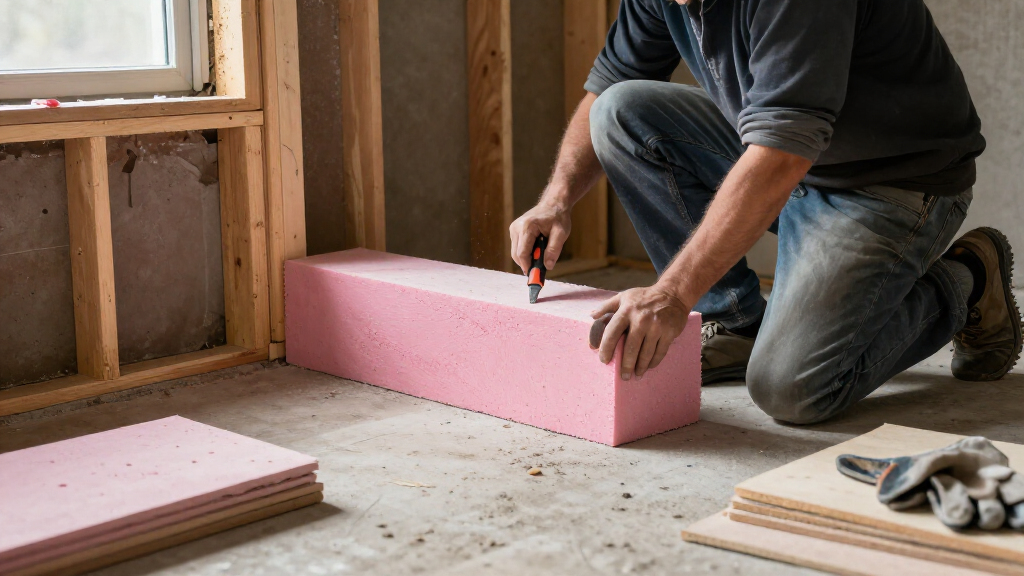
I compared these three products by asking what a foundation project actually needs: thermal resistance, control of air movement, moisture protection, and a workable installation plan. The two spray-foam kits are the direct insulation choices because they provide stated R-values and are described as bonding to common building materials. I ranked Akfix first for its higher listed R-value at the same thickness and its stated Class A fire rating. BEEST follows as a larger kit with more coverage and bundled safety equipment, though its listed R-value is lower.
Jetcoat makes the list for a different foundation problem. It is described as a rubberized waterproofing and sealing coating for concrete and other surfaces, so it can help address moisture exposure, but the product information does not state an R-value. I therefore do not treat it as equivalent to spray foam or rank it ahead of either foam kit for thermal insulation. Its inclusion helps clarify a common buying choice: some foundations need a moisture-control layer, an insulation layer, or a properly designed combination.
I also weighed practical limitations disclosed in the supplied product details: application temperature, coverage, included tools and gear, and the need for ventilation and careful handling. These are product comparisons, not a substitute for a site-specific building assessment. Foundation assemblies can involve code requirements, drainage, vapor control, fire protection, and concealed conditions; I would check those before selecting a material or covering existing surfaces.
| foundation insulation product | Foam type |
|---|---|
| Akfix Thermcoat Fire Rated Spr | Polyurethane closed-cell foam |
| BEEST FullStop Spray Foam Insu | Moisture-cured polyurethane hybrid foam |
| Jetcoat Premium Rubberized Fou | — |
Factors to Consider When Choosing Best Foundation Insulation Products
I would choose a foundation product by identifying whether the assembly needs thermal resistance, air sealing, moisture control, or more than one of these. A coating and a spray foam kit are not interchangeable: each addresses different conditions, and combining materials calls for attention to the full wall assembly rather than simply applying one product over another.
Separate insulation from waterproofing
For thermal insulation, compare products with a stated R-value and thickness. In this lineup, Akfix lists R-11.32 at 2 inches and BEEST lists R-8.24 at 2 inches. Jetcoat is described as a rubberized waterproofing and sealing coating, but no R-value is supplied. That makes Jetcoat relevant to moisture management, not a direct competitor for thermal resistance.
A foundation can need both water control and insulation, but that does not mean the materials can be applied in any order or combination. I would first identify where water is coming from and whether drainage, grading, cracks, or existing dampness need attention. Adding insulation over an unresolved moisture problem can conceal conditions and complicate later repairs. Follow product instructions and seek qualified advice when the assembly or water source is unclear.
Compare R-value at the same thickness
R-value is useful for comparing stated resistance to heat flow, but the comparison only makes sense alongside thickness and installation conditions. Here, both foam figures are given at 2 inches, so Akfix’s stated R-11.32 is higher than BEEST’s R-8.24 at the same listed thickness. That is why Akfix leads the insulation ranking.
Do not assume the listed figure alone describes the performance of a whole foundation wall. Gaps, coverage, thermal bridges, moisture, and the complete wall design affect results. The product descriptions also give different coverage units—Akfix lists square feet, while BEEST lists board feet—so I would not compare those numbers directly without confirming the thickness and calculation basis for the planned application.
Match the product to the substrate and exposure
Akfix is described as adhering to many construction materials, while BEEST specifically lists concrete, brick, wood, metal, and drywall among compatible materials. Jetcoat lists poured concrete walls, roofs, foam, and wood. These descriptions are useful starting points, not a substitute for checking preparation instructions or confirming compatibility with the exact surface and any existing coating.
Exposure also matters. Akfix’s supplied information limits it to indoor use where ventilation can be ensured. Jetcoat is presented for vertical and horizontal surfaces, but its suitability for a particular below-grade assembly, soil contact, or water pressure is not established by the brief product details. I would verify the current manufacturer directions for the exact foundation location rather than infer an application from the product name.
Plan around temperature, ventilation, and protection
The foam kits have different temperature requirements. Akfix lists 41°F–86°F and identifies 68°F as its optimum; BEEST recommends 68°F–77°F. If the work area is cool, those differences may affect which kit is feasible and whether conditions can be controlled. The temperature of the cans and substrate may matter too, so follow the full label directions rather than relying on the listed range alone.
Spray foam application also calls for careful handling and ventilation. BEEST includes gloves, goggles, and a coverall, while Akfix includes a gun, nozzles, and cleaner. Included equipment does not remove the need to follow safety instructions, protect nearby surfaces, and keep people away from the work area as directed. I would plan for ventilation and cleanup before opening a kit.
Check coverage and installation scope
Akfix lists coverage of 120 square feet from six cans; BEEST lists up to 240 board feet from 12 cans. The measures are not equivalent, and actual coverage can depend on application thickness, gaps, surface conditions, and technique. Calculate the project using the manufacturer’s instructions and leave room for irregular areas rather than treating a package figure as a guaranteed installed area.
Jetcoat lists up to 50 square feet from a 4.75-gallon bucket, with coverage varying by surface porosity. Rough or absorbent concrete may change material needs. The product details do not state coating thickness or drying time, so I would consult the label and technical sheet before estimating how many buckets or work sessions the project calls for.
Treat fire and code claims as assembly questions
Akfix is described as Class A fire-rated, and BEEST supplies ASTM E84 figures: a flame spread index of 0 and smoke developed index of 120. Those claims distinguish the foam options, but they should not be read as blanket approval for every installation or as permission to leave foam exposed. Local code and the complete wall assembly may require specific coverings, clearances, or other protections.
I would verify the applicable requirements for the location and installation before buying, especially for foam applied in occupied or enclosed spaces. Product ratings and test values are useful information, but a project still has to comply with current local rules and manufacturer instructions.
Pick by the job you actually have
If your priority is the highest stated R-value among these options, Akfix is the leading choice. If your project needs a larger foam kit and bundled protective gear, BEEST is the better fit despite its lower listed R-value. If the task is sealing a suitable surface against moisture, Jetcoat addresses that purpose—but I would pair that decision with a separate insulation plan if the foundation also needs thermal improvement.
When the foundation shows active water entry, persistent dampness, or damage, I would address the source before choosing an interior insulation treatment. A product can only perform its intended role when the underlying conditions and assembly are suitable.
Frequently Asked Questions
Which product in this roundup is best for foundation insulation?
I rank Akfix Thermcoat first for thermal insulation because it lists R-11.32 at 2 inches, compared with BEEST’s R-8.24 at the same thickness. Akfix also includes a gun, nozzles, and cleaner. Its indoor-use and ventilation limitations still matter, and the right choice depends on the foundation assembly and site conditions.
Can Jetcoat replace spray foam as foundation insulation?
No thermal R-value is supplied for Jetcoat. Its described purpose is waterproofing and sealing, so I would treat it as a moisture-control coating rather than an insulation product. A project that needs both moisture protection and heat resistance may require separate materials selected for a compatible assembly.
Is BEEST a better buy for a large foundation project?
BEEST may suit a larger spray-foam job because its kit lists up to 240 board feet and includes 12 cans, an applicator gun, cleaner, and protective gear. Its stated R-value is lower than Akfix’s at 2 inches, and it has a recommended application range of 68°F–77°F. I would choose it when coverage and bundled gear suit the job and conditions.
Can spray foam be applied to a damp foundation wall?
The supplied product details do not establish that either foam kit is suitable for application over damp concrete or an active water problem. I would identify and correct the moisture source, then check the manufacturer’s substrate and preparation instructions before applying foam. Covering a damp surface without addressing the cause can hide conditions and make future repairs harder.
Do the fire-rating details mean the foam can remain exposed?
Not by themselves. Akfix is described as Class A fire-rated, and BEEST lists ASTM E84 test values, but those details do not determine whether foam may be left exposed in a specific building. Local code, product instructions, and the complete foundation-wall assembly may call for additional protection, so I would verify requirements for the intended location.
Conclusion
My recommendation depends on the problem being solved. For the highest stated thermal performance, I would start with Akfix Thermcoat, as long as the indoor application, ventilation, and temperature conditions work for the project. For a broader spray-foam job with protective gear included, BEEST is the practical alternative, though its stated R-value is lower and its application window is narrower.
For foundation moisture sealing rather than insulation, Jetcoat is the relevant pick; I would not count it as a thermal layer because no R-value is listed. If your foundation needs both water management and heat control, plan for each function separately and confirm material compatibility, code requirements, and the condition of the wall before installation.
Black Friday Picks

KitchenAid Classic Series 4.5-Quart Tilt-Head Stand Mixer, Onyx Black
As an affiliate, we earn on qualifying purchases.