
TL;DR

Get business pricing on tools and workshop supplies
- Business-only prices and quantity discounts
- Tax-exempt purchasing
- Multiple users, one account, clear invoices
Search and media interest is spiking around a bed-styling guideline known as the ’15-inch rule,’ attributed to interior designers. The rule is a long-established piece of bedding advice, but the current trigger for renewed attention is unconfirmed.
Online interest is surging in a bed-styling guideline that interior designers reportedly rely on when making a bed look polished: the so-called “15-inch rule.” The phrase has begun circulating widely across home-décor coverage and search queries in recent days, according to trending-topic indicators, though no single publication, event, or designer appearance has been confirmed as the trigger for the renewed attention.
The rule itself is not new. It belongs to a family of long-established bed-styling conventions that interior designers and home-styling professionals have repeated for years, alongside advice about pillow layering, duvet folding, and consistent color palettes. What is new is the volume of attention: the phrase is currently appearing in home and lifestyle coverage and generating reader searches, a pattern typical of a viral décor tip resurfacing across social platforms and content sites.
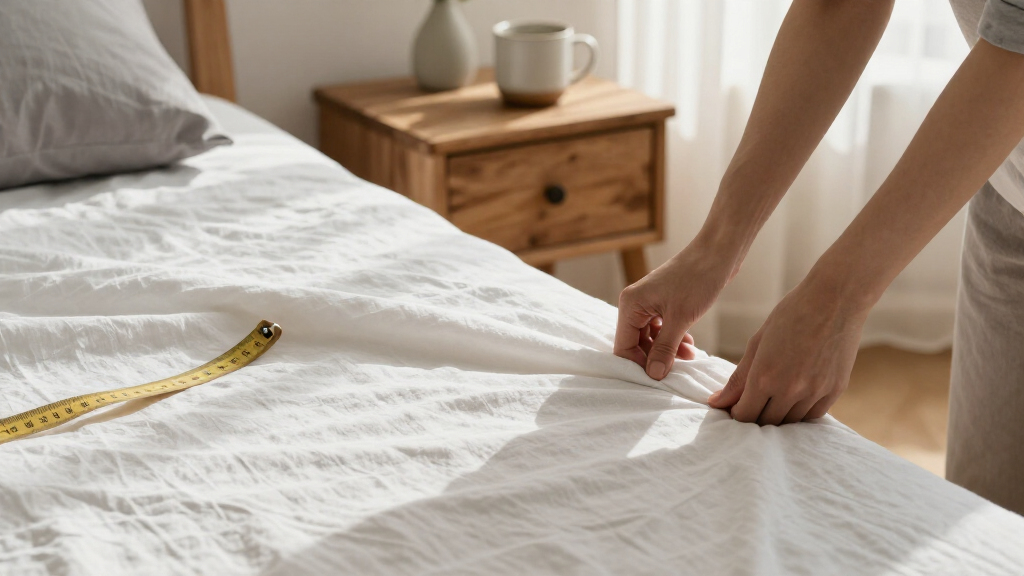
As generally described in lifestyle coverage, the guideline concerns proportion — the idea that bedding elements, particularly decorative layers such as folded duvets, blankets, or coverlets, should be arranged with roughly 15 inches of folded or styled material at the top of the bed to create a tailored, hotel-like appearance. Precise formulations vary between sources: some descriptions apply the measurement to the fold of the top sheet or duvet, others to the stack of pillows and shams. Because the rule circulates informally among designers rather than through any professional standard, there is no single authoritative definition.
What can be confirmed at this point is limited to two facts: the guideline is long-established bedding advice attributed broadly to interior designers, and current reader interest in it is spiking. Everything else — who originally coined the rule, which designers promote it, and why the topic is trending now — remains unverified.
Why a Bed Measurement Is Trending
For readers, the trend’s practical value is modest but real. Bed-styling rules like this one circulate because they offer a low-cost shortcut to a professionally styled bedroom — no purchases beyond bedding most households already own. The 15-inch framing gives a specific, repeatable target, which is likely part of why it spreads: vague advice like “make it look neat” is harder to act on than a number.
The spike also reflects a broader pattern in home content: measurement-based styling rules — the 18-inch pillow rule, the two-thirds art-hanging rule, and similar numeric guidelines — consistently generate strong engagement because they promise replicable results. For interior designers and content publishers, that creates incentive to package familiar advice into named, numbered rules, which may explain how the phrase is now circulating. That framing is interpretation, however, not a confirmed explanation for this specific surge.
Popular right now

Roborock F25 Ultra Steam Wet Dry Vacuum Mop

Ninja Hot & Iced XL Coffee Maker with Rapid Cold Brew, Black, CM371

Bose QuietComfort Wireless Bluetooth Headphones with Active Noise Cancellation, Mic, USB‑C Charging, Deep Bass, 24‑Hour Battery – White Smok
As an affiliate, we earn on qualifying purchases.
Where Designer Bed Rules Come From
Numeric styling rules are a staple of interior-design advice. Hospitality styling — the practice of making residential beds look like those in upscale hotels — popularized techniques such as tight hospital corners, layered flat sheets, and precisely folded duvets, sometimes called the “hotel fold”. Designers have long promoted proportion-based guidance for these folds and pillow arrangements in magazines, staging guides, and more recently in short-form video tutorials.
Decorative bed styling has itself become a recurring content category, withPinterest, TikTok, and home blogs repeatedly amplifying specific techniques. Against that backdrop, a designer-attributed measurement rule resurfacing is a familiar cycle rather than an unusual development. The 15-inch guideline fits this pattern: informal, designer-endorsed, and easily condensed into a headline.
What Is Unconfirmed About the Trend
The trigger for the current spike is not confirmed. It is unclear whether the renewed interest stems from a specific viral video, a magazine feature, a retailer campaign, or organic search behavior. No named designer, publication, or brand has been verified as the source of the current wave.
The rule’s origin is also undocumented. Attribution to “designers” is general and anecdotal; there is no identified original author of the guideline, and descriptions of what exactly the 15 inches measures vary between sources. Readers should treat any single definitive version of the rule — including claims that it is universally used by professionals — as unverified.
How the Trend May Develop
Typically, spikes like this resolve in one of two ways: either a specific source — a designer interview, viral post, or retailer promotion — is identified as the origin, or interest fades as the topic cycles out of trending feeds. Readers wanting to apply the guideline now can do so without waiting: folding the duvet or coverlet roughly 15 inches down from the head of the bed and styling pillows above it is a zero-risk, no-cost experiment. If a verifiable source for the trend emerges, this story can be updated with confirmed attribution.
Key Questions
What is the 15-inch rule for making a bed?
It is a designer-attributed styling guideline suggesting that about 15 inches of folded bedding — typically the duvet, coverlet, or top-sheet fold — be styled at the head of the bed to create a tailored, hotel-like look. Exact descriptions vary between sources, and there is no single authoritative definition.
Is the 15-inch rule scientifically based?
No. It is an aesthetic convention rooted in proportion and hospitality styling, not a measured standard. No professional body or standard-setting organization verifies it.
Why is the rule trending right now?
That is unconfirmed. Search and coverage interest is spiking, but no specific viral post, article, or designer appearance has been verified as the trigger.
Does following the rule actually matter?
It matters only aesthetically. The rule offers a repeatable target for a neat-looking bed, but bedding proportions are a matter of personal preference and mattress height.
Who came up with the rule?
The origin is undocumented. Attribution to interior designers is general and anecdotal, with no identified original author.
Source: rss