TL;DR

Get business pricing on tools and workshop supplies
- Business-only prices and quantity discounts
- Tax-exempt purchasing
- Multiple users, one account, clear invoices
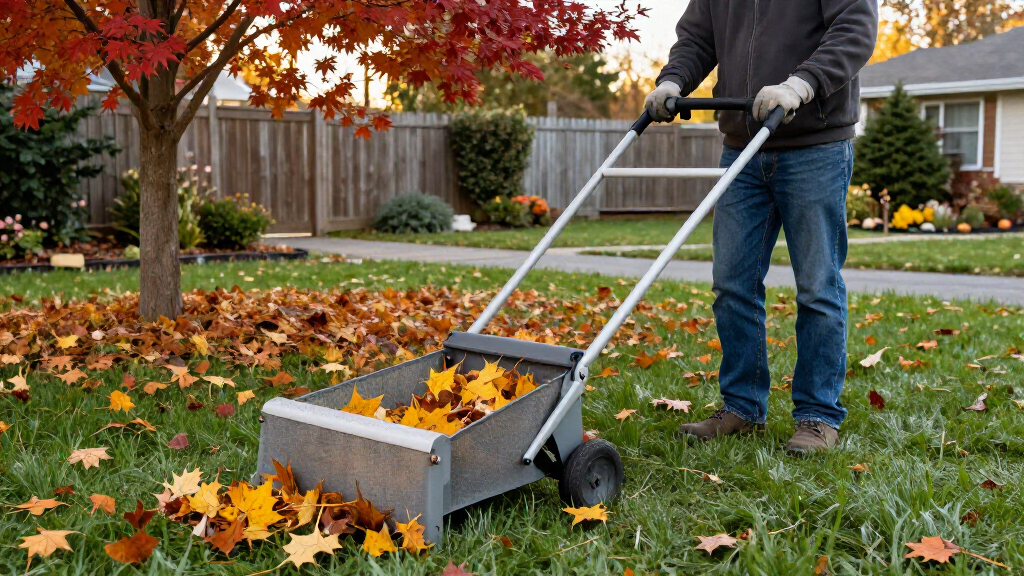
A Hunker report describes the VEVOR push lawn sweeper, sold on Amazon starting at $90, as an alternative to collecting leaves with a traditional rake. The push-powered tool uses rotating bristles and a hopper, but its performance can depend on lawn conditions, brush height and how full the basket is.
Hunker has highlighted the VEVOR Push Lawn Sweeper, an Amazon-listed, push-powered tool for collecting fallen leaves and other yard debris, with listed prices starting at $90. The product offers a mechanized alternative to raking, but it still requires physical pushing and may not collect debris as easily on every lawn or at the hopper’s stated maximum capacity.
The sweeper is operated by pushing it across the lawn, like a manual mower. Rotating bristles on an axle lift leaves and other debris into a collection hopper, which users empty into a compost pile or yard-waste bag when it fills. The report says the tool can also collect pine needles and grass clippings.
Hunker describes models ranging from 21 to 30 inches wide, with hopper sizes from 3.5 to 12 cubic feet. The front adjustment changes the roller height: the report recommends raising it for leaves and lowering it for other debris, then adjusting as needed across different parts of a yard. Some buyers cited in the report said the basket can struggle to collect and hold its full stated capacity.
The report says the sweeper requires assembly and works best on dry lawns with relatively short grass. Users should first remove sticks, hazardous objects and oversized debris. It also notes that pushing can take considerable force, particularly with the brush set low. After use, Hunker advises cleaning the unit, checking for loose or damaged parts and lightly lubricating moving components, while wiping away excess oil.
A Push-Powered Option for Leaf Cleanup
The product addresses a familiar seasonal task with a tool that collects material as it moves, rather than requiring a user to rake leaves into piles and gather them separately. Its push-powered design needs no gasoline, according to the report, which may appeal to homeowners looking for a non-motorized option for routine lawn cleanup.
That does not make the task effortless. The sweeper still has to be pushed, its hopper must be emptied, and its results may depend on grass length, surface conditions and brush adjustment. For readers comparing it with a rake, those practical limits matter as much as its advertised width and capacity. The reported starting price also gives shoppers a reference point, not a guarantee of today’s price or of performance on a particular property.
Popular right now

Breville Barista Pro Espresso Machine with Grinder, Brushed Stainless Steel

Sony WH-1000XM6 Wireless Noise-Canceling Over-Ear Headphones, Blue, Bundle

KitchenAid Classic Series 4.5 Quart Tilt-Head Stand Mixer K45SS, Onyx Black
As an affiliate, we earn on qualifying purchases.
How the Sweeper Collects Leaves
The Hunker article frames the VEVOR as an alternative to traditional hand raking for fall lawn maintenance. Unlike a powered leaf vacuum or blower, the model described in the report is moved by the user; its rotating brushes feed debris into a hopper. That makes it a different kind of tool from equipment that blows leaves into a pile or shreds them.
Performance depends on preparation and setup. Hunker recommends using the sweeper when the lawn is dry, mowing grass relatively short and setting the bristles so they just touch the grass. Wet leaves are harder to collect, the report says, and long grass can make the sweeper harder to push. The product coverage also discloses that the publisher may receive a commission on purchases made through links, a relevant detail for readers evaluating product recommendations.
“The smallest version of the leaf collector holds up to 3 ½ cubic feet, while the largest has a 12-cubic-foot volume.”
— Hunker
Capacity and Lawn Results Vary
The report does not establish how well the sweeper performs across different lawn sizes, grass types or amounts of leaf cover. It relays that some buyers found the hopper struggled with its maximum debris capacity, but does not provide a buyer count, a testing method or a measured collection rate. The stated capacities should not be read as a guarantee that every load will reach those levels.
The source lists a starting price of $90, but prices, model options and availability can change. It does not confirm current Amazon inventory or provide a side-by-side test against rakes and other lawn equipment. Buyers should check the listing for the specific model’s dimensions, capacity and current terms before purchasing.
Check the Listing Before Buying
There is no product launch or scheduled follow-up event described in the report. Anyone considering the sweeper can check Amazon’s current listing for available widths, hopper size, price and shipping details, then compare those specifications with the size and conditions of their lawn. The source suggests allowing time for assembly and preparing the yard by removing sticks and other hazardous debris before use.
During operation, wear protective footwear and keep fingers away from the rotating brush. Empty the hopper as needed rather than assuming it will collect its full stated volume in one pass. Afterward, cleaning the tool and checking for damage or loose parts can help determine whether it is ready for the next cleanup.
Key Questions
What does the VEVOR push lawn sweeper do?
It uses rotating bristles to lift leaves and other lawn debris into a hopper as the user pushes it across the yard.
How much does the sweeper cost?
Hunker reported prices starting at $90 on Amazon. That is a reported starting price, not a confirmation of current pricing or availability.
Can it collect wet leaves?
Hunker says the sweeper works best when the lawn is dry, because wet leaves are harder to pick up. The report does not provide performance testing for wet conditions.
Does the tool remove the physical work of leaf cleanup?
No. It avoids hand-raking each leaf into a pile, but the user still has to push the unit and empty its hopper. Hunker says it can take considerable force to move, especially with the brush set low.
What maintenance does the report recommend?
Hunker advises cleaning the sweeper after use, checking for damage or loose parts, and lightly lubricating moving parts while wiping off excess oil. Keep fingers away from the rotating brush during use.
Source: hunker.com