TL;DR

Get business pricing on tools and workshop supplies
- Business-only prices and quantity discounts
- Tax-exempt purchasing
- Multiple users, one account, clear invoices
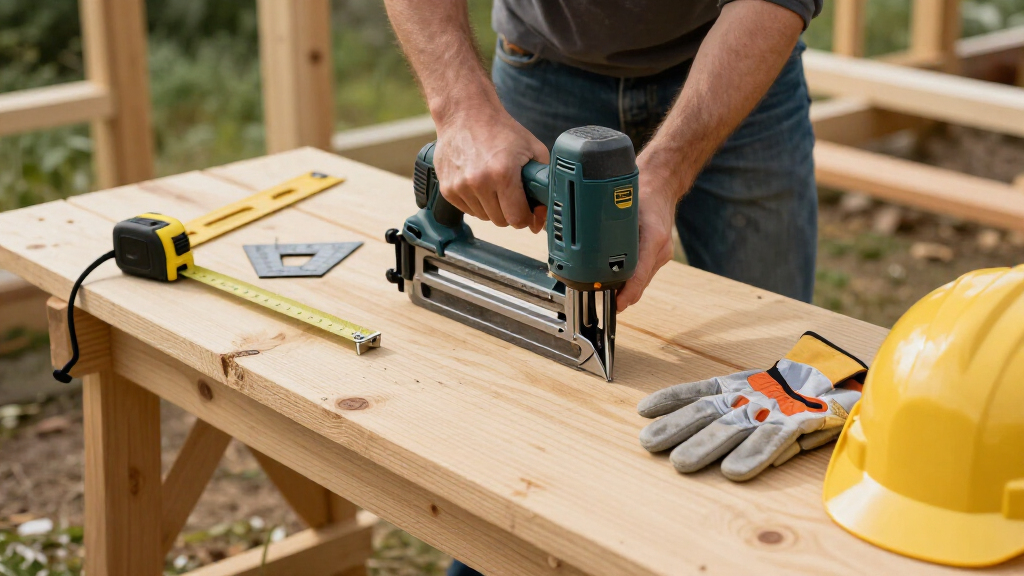
Cordless framing nailers from DeWalt, Milwaukee, Makita, Metabo HPT, Paslode, and Bostitch now drive full round-head framing nails with enough consistency to replace pneumatic guns on most framing and roofing jobs. The deciding factors are battery voltage and runtime, nail compatibility (round head vs. clipped head), magazine capacity, weight, and how easily you can get parts and service locally. Prices typically run $200–$500, and for one-off projects, renting beats buying.
The first time you drag a hundred feet of air hose up a ladder to shoot roofing nails, you start doing math. The compressor weighs 60 pounds. The hose catches on every flashing edge. And somewhere around the third trip up the ladder, the idea of a cordless framing nailer stops sounding like a luxury and starts sounding like common sense.
I spent twenty years as a renovation contractor before moving behind the editor’s desk, and I’ve watched cordless nailers go from underpowered curiosities to tools that pro framers carry every day. The big names now — DeWalt, Milwaukee, Makita, Metabo HPT (formerly Hitachi), Paslode, and Bostitch — have largely closed the gap with pneumatic guns. But they haven’t closed it evenly, and the differences matter depending on whether you’re stacking walls, sheeting a roof, or hanging fascia.
This guide gives you a contractor’s-eye comparison: what each brand does well, what the specs actually mean, what you’ll pay ($200 to $500 in most cases), and — honestly — when you should skip buying altogether and rent.
Buy into the battery platform you already own — batteries and chargers add $150–$250 to the real cost of switching brands.
Verify nail format requirements in your plans before buying; some jurisdictions and engineered connectors require full round head nails, not clipped head.
For roofing, prioritize weight under 9 lbs with battery, runtime of several hundred nails per charge, and stage at least two batteries in shade.
Pneumatic guns still win continuous production framing; cordless wins portability, occupied-home remodels, and mixed job sites.
Renting at $40–$70 a day beats buying if your project totals fewer than about seven tool-days — a shed, deck, or single re-roof qualifies.
Comparing the Best Cordless Framing Nailer Brands for Framing and Roofing
DeWalt, Milwaukee, Makita, Metabo HPT, Paslode, and Bostitch now drive full round-head framing nails with enough consistency to replace pneumatic guns on most framing and roofing jobs. The deciding factors: battery voltage and runtime, nail compatibility, magazine capacity, weight, and local parts and service. And the first time you drag a hundred feet of air hose up a ladder, cordless stops sounding like a luxury and starts sounding like common sense.
6 Specs That Decide Everything
Cordless framing nailer brands differ mainly in six measurable things. Get those six right for your work, and the badge on the tool matters far less than you’d think.
Battery Voltage & Motor
An 18V or 20V MAX platform with a brushless motor is the sweet spot. Brushless motors convert more battery energy into driving force, run cooler, and last longer — nearly every new pro-grade model has gone brushless.
Nail Format & Magazine
Full round head vs. clipped head — some jurisdictions and engineers specify round head only. Magazine capacity of 30+ nails means fewer reloads; every reload is a trip to the nail box.
Runtime Per Charge
A single charge typically drives several hundred nails — enough to frame a wall or two, or nail off a section of roof deck. Shooting more? Stage at least two batteries and a fast charger.
Weight & Balance
Cordless guns run roughly 7–10 lbs with battery. That difference is felt by hour four overhead — and it counts double on a 10/12 pitch with a bundle of shingles on your hip.
Durability Under Abuse
Robust construction for job site conditions, weather resistance for outdoor roof work, and proven brand reliability with available replacement parts and service centers.
Depth & Safety Controls
Depth adjustment is non-negotiable for decking and siding where overdriving tears through. Also check jam-clearing mechanisms, safety triggers, and anti-dry fire systems.
Who Builds What — and Who It’s For
DeWalt and Milwaukee lead on raw driving performance, Makita wins on ergonomics and battery efficiency, Metabo HPT delivers pro features at a lower price, Paslode pioneered gas combustion, and Bostitch splits the difference on value.
| Brand | Standout Strength | Best Fit | Watch Out For |
|---|---|---|---|
| DeWalt | High driving power, 20V MAX platform breadth | Framers already on DeWalt batteries | Heavier than some rivals |
| Milwaukee | Consistent sinks in dense lumber, excellent service network | Daily pro use, heavy duty cycles | Premium price |
| Makita | Brushless efficiency, balanced ergonomics, dual-position handle on some models | Roofing, overhead work, long days | 18V platform only |
| Metabo HPT | Pro-grade features at mid price, strong nailer heritage from Hitachi | Value-minded pros | Fewer smart features |
| Paslode | Lightweight gas-combustion design, decades of track record | Remodelers, tight spaces, punch work | Requires fuel cells and periodic cleaning |
| Bostitch | Solid performance, wide availability, good warranty | General contractors, mixed-use | Fewer premium refinements |
Pick the battery platform you already own. A Milwaukee nailer is cheap only if you own Milwaukee batteries. If you’d have to buy batteries and a charger to run it, add $150–$250 to the sticker before comparing prices. And note: nail format isn’t a preference — inspectors in several regions reject clipped-head nails in shear walls and engineered connectors. Check your plans before you buy, not after the failed inspection.
Weight, Runtime, and Balance on the Roof Deck
Roofing punishes tools differently than framing does. A 10-pound nailer that feels fine on a flat deck becomes a dead weight held overhead on a steep slope. No hose to snag on flashing, no compressor to drag across a flowerbed, no trip hazard on the deck — that’s not convenience on a roof, it’s a genuine safety advantage.
Nailing patterns for sheathing and shingles are specified, and overdriven or underdriven fasteners can fail inspection. Set your depth adjustment on scrap, verify it sinks nails flush, and re-check after every batch. Keep staged batteries out of direct sun — lithium-ion cells degrade faster cooking on a hot August roof deck.
From Compressor to Cordless — the Buy-or-Rent Chain
Match Your Platform
Buy into the battery system you already own. Switching brands adds $150–$250 in batteries and chargers.
Verify Nail Format
Check plans and local code: full round head vs. clipped head. Some jurisdictions require round head only.
Weigh for Roofing
Under 9 lbs with battery, several hundred nails per charge, and at least two batteries staged in shade.
Match the Job
Pneumatic still wins continuous production framing; cordless wins portability, remodels, and mixed sites.
Buy or Rent
Fewer than ~7 tool-days total? Renting at $40–$70 a day beats buying — sheds, decks, single re-roofs qualify.
The Contractor’s-Eye Summary
Buy into the battery platform you already own — batteries and chargers add $150–$250 to the real cost of switching brands.
Verify nail format requirements in your plans before buying; some jurisdictions and engineered connectors require full round head nails, not clipped head.
For roofing, prioritize weight under 9 lbs with battery, runtime of several hundred nails per charge, and stage at least two batteries in shade.
Pneumatic guns still win continuous production framing; cordless wins portability, occupied-home remodels, and mixed job sites.
Renting at $40–$70 a day beats buying if your project totals fewer than about seven tool-days — a shed, deck, or single re-roof qualifies.
What Actually Separates the Brands: 6 Specs That Decide Everything
Cordless framing nailer brands differ mainly in six measurable things: battery voltage and motor type, nail format and magazine capacity, runtime per charge, weight and balance, durability under jobsite abuse, and the depth-of-drive and safety controls. Get those six right for your work, and the badge on the tool matters far less than you’d think.
Start with power. An 18V or 20V MAX platform with a brushless motor is the current sweet spot. Brushless motors convert more battery energy into driving force, run cooler, and last longer than brushed versions — which is why nearly every new pro-grade model has gone brushless. Voltage tells you part of the story; the flywheel or combustion design tells you the rest. A tool that sinks a 3½-inch full round head nail flush into engineered lumber, time after time, is doing real work.
Then there’s runtime. According to Bauecho’s roundup of current models, a single charge typically drives several hundred nails — enough to frame a wall or two, or nail off a section of roof deck, before you swap batteries. If you’re shooting more than that in a stretch, you want at least two batteries and a fast charger on the bench.
- Nail format: full round head vs. clipped head — some jurisdictions and engineers specify round head only.
- Magazine capacity: 30+ nails means fewer reloads; every reload is a trip to the nail box.
- Weight: cordless guns run roughly 7–10 lbs with battery. That difference is felt by hour four overhead.
- Depth adjustment: non-negotiable for decking and siding work where overdriving tears through.
Here’s the thing DIY shoppers miss: nail format isn’t a preference, it’s sometimes code. Inspectors in several regions reject clipped-head nails in shear walls and engineered connectors. Check your plans before you buy, not after the failed inspection.
Popular right now

KitchenAid Classic Series 4.5 Quart Tilt-Head Stand Mixer K45SS, Onyx Black

KitchenAid Artisan Series 5-Quart Tilt-Head Stand Mixer, Dried Rose (KSM150PS)

Ninja Specialty Coffee Maker CM401, 10-Cup Carafe, Fold-Away Frother, Black
As an affiliate, we earn on qualifying purchases.
Brand-by-Brand: Who Builds What (and Who It’s For)
Comparing cordless framing nailer brands for framing and roofing comes down to matching each manufacturer’s strengths to your job. DeWalt and Milwaukee lead on raw driving performance, Makita wins on ergonomics and battery efficiency, Metabo HPT (formerly Hitachi) delivers pro features at a lower price, Paslode pioneered the category with gas combustion, and Bostitch splits the difference on value.
| Brand | Standout Strength | Best Fit | Watch Out For |
|---|---|---|---|
| DeWalt | High driving power, 20V MAX platform breadth | Framers already on DeWalt batteries | Heavier than some rivals |
| Milwaukee | Consistent sinks in dense lumber, excellent service network | Daily pro use, heavy duty cycles | Premium price |
| Makita | Brushless efficiency, balanced ergonomics, dual-position handle on some models | Roofing, overhead work, long days | 18V platform only |
| Metabo HPT | Pro-grade features at mid price, strong nailer heritage from Hitachi | Value-minded pros | Fewer smart features |
| Paslode | Lightweight gas-combustion design, decades of track record | Remodelers, tight spaces, punch work | Requires fuel cells and periodic cleaning |
| Bostitch | Solid performance, wide availability, good warranty | General contractors, mixed-use | Fewer premium refinements |
Two honest notes from the field. First, Paslode’s gas-driven guns are the lightest in the bunch — remodelers love them for working inside finished homes — but you’re buying fuel cells forever, and the combustion chamber needs regular cleaning or it starts misfiring. Second, Metabo HPT inherited Hitachi’s nailer engineering, and that lineage shows: their guns consistently punch above their price tier.
And here’s the practical shortcut most tool counters won’t tell you: pick the battery platform you already own. A Milwaukee nailer is cheap only if you own Milwaukee batteries. If you’d have to buy batteries and a charger to run it, add $150–$250 to the sticker before comparing prices.
Why Roofing Changes the Math: Weight, Runtime, and Balance
Yes, cordless framing nailers work on roofs — many are explicitly designed for it — because portability is exactly what rooftop nailing demands. But roofing punishes tools differently than framing does, and the specs that matter shift accordingly. On a 10/12 pitch with a bundle of shingles on your hip, every ounce and every reload counts double.
Weight is the big one. A 10-pound nailer that feels fine on a flat deck becomes a dead weight held overhead or at arm’s length on a steep slope. Makita’s ergonomics and lighter Paslode designs earn their reputation here. Some cordless nailers also offer dual-position handles or aggressive rafter hooks — small features that matter enormously when you’re climbing a ladder with both hands full.
Runtime matters more on roofs too, because a dead battery at the ridge line means a trip down, a swap, and a trip back up. Plan for at least two batteries staged at the work area, and keep them out of direct sun — lithium-ion cells degrade faster cooking on a hot August roof deck. Bag them in shade or in a cooler between uses.
Cordless nailers have no hose to snag on flashing, no compressor to drag across a flowerbed, and no trip hazard on the deck. That’s not convenience on a roof — it’s a genuine safety advantage.
One compliance note, because it’s my beat: roof work and code compliance go hand in hand. Nailing patterns for sheathing and shingles are specified, and overdriven or underdriven fasteners can fail inspection. Set your depth adjustment on scrap, verify it sinks nails flush, and re-check after every battery or nail change. And wear a harness on anything steeper than 6/12 — no tool choice fixes a fall.
Cordless vs. Pneumatic: Where Each One Still Wins
Modern cordless nailers are highly reliable — but pneumatic guns still hold the edge in continuous, heavy-duty production framing. If you’re firing thousands of nails a day, every day, an air setup with a compressor stays cheaper per nail and never waits on a battery. For everything short of that, cordless is genuinely competitive.
Think of it this way: the compressor is a truck, and the battery is a gas tank. The truck hauls more, all day, but you’re tethered to it. The gas tank lets you go anywhere — you just have to plan your refills.
| Factor | Cordless | Pneumatic |
|---|---|---|
| Portability | Excellent — no compressor, no hose | Poor — hose and compressor required |
| Continuous duty | Good, battery-limited | Best — unlimited with compressor capacity |
| Setup time | Under a minute | 10–15 min to stage compressor and run hose |
| Cost of entry | $200–$500 (plus batteries if new platform) | Often less for gun + small compressor |
| Cold weather | Batteries lose capacity in cold | Unaffected (watch compressor condensation) |
| Maintenance | Minimal; clean contacts and magazine | Oiling, hose checks, drain compressor tank |
The scenario where cordless wins outright: remodel work inside occupied homes. No compressor noise, no hose dragging across a client’s hardwood floors, no scuffed baseboards. I’ve done enough of those jobs to know that’s worth real money in client goodwill.
Where pneumatic still wins: production truss stacking, large commercial decking, and any job where the compressor is already on site for other tools. If three guys are shooting nails simultaneously, one big compressor serving three cheap air guns still beats three cordless nailers on cost.
How to Pick Your Nailer in 5 Steps (Before You Spend $400)
The right buying process is simple, and it kills most buyer’s remorse before it starts. Work through these five steps in order and you’ll land on the correct tool for your framing and roofing work — not just the one with the best marketing.
- Check your plans and local code for nail requirements — full round head vs. clipped head, and nail lengths your connections call for.
- Inventory your battery platform. If you own five DeWalt 20V batteries, the decision is nearly made for you.
- Match the tool to your duty cycle. Occasional weekend framing and a daily production crew need different tiers — DIY-grade tools will not survive pro use.
- Check parts and service availability locally. A nailer that needs a two-week mail-in repair when it jams a nail is costing you days, not dollars.
- Price the total package — tool, batteries, charger, fasteners, and warranty — before comparing stickers.
On warranty: the major brands run anywhere from one to seven years depending on line and registration. Read what’s actually covered. Some warranties exclude the magazine and driver — the two parts that take the most abuse.
Rule of thumb from thirty years on job sites: buy for the work you actually do, not the work you imagine doing. A $250 tool that fits your real projects beats a $500 tool that fits your daydreams.
And be honest about safety features, because they’re not decoration. An anti-dry fire mechanism saves you from driving the last nail into empty air and marking your workpiece. A well-designed jam-clearing mechanism means you’re back to work in thirty seconds instead of disassembling the nose with an Allen key. Sequential triggers belong in tight, precision work; contact-fire triggers belong in open production framing — know which your gun has and which your crew is trained on.
When Renting Beats Buying: The Honest Answer
If your project is a one-time build — a shed, a deck rebuild, a garage addition — renting a cordless framing nailer is almost always smarter than buying. Rental rates typically run $40–$70 a day, and by the time you’ve spent $200 on a DIY-tier tool plus fasteners, two or three rental days cover the gap with zero storage, maintenance, or obsolescence risk.
The break-even math is straightforward. A $450 pro-grade cordless nailer equals roughly seven to ten rental days. Framing a single addition or re-roofing your own house? Rent, and rent the good one — rental fleets usually carry Milwaukee, DeWalt, and Paslode precisely because they survive abuse. Building decks every summer, finishing your own basement, or adding a shop? Buy.
There’s a middle path too: buy into the battery platform you’ll use for future tools, and treat the nailer as the entry point. That’s how most contractor collections grow — one drill, then a saw, then the nailer, all sharing batteries.
Whatever you choose, safety rules don’t flex for ownership status. Wear safety glasses — nail guns fire fasteners at velocities that will go through a 2×4, and a deflected nail or a piece of wire from a collated stick moves faster than you can flinch. Keep fingers away from the trigger when repositioning. Never bypass or wire the safety contact tip. OSHA counts nail gun injuries in the tens of thousands annually, and nearly all of them trace back to trigger discipline and rushed handling. The tool is only as safe as the hand holding it.
And one last contractor habit worth stealing: inspect your nailer at the start of every day. Check the magazine for bent nails, wipe the nose, confirm the depth setting hasn’t drifted, and make sure the battery contacts are clean. Thirty seconds of checking saves an hour of jam-clearing on a ladder.
Frequently Asked Questions
Which cordless framing nailer brand is the most powerful?
Driving power comes from battery voltage plus motor and mechanism design, not brand alone. Milwaukee and DeWalt consistently get the strongest marks for sinking long nails flush into dense lumber, but Makita’s brushless models and Metabo HPT’s framers run close behind. Judge power by published nail length and shank specs the tool can drive fully, not by voltage stickers.
Are cordless framing nailers as reliable as pneumatic ones?
For most framing and roofing work, yes — modern cordless models are highly reliable and drive hundreds of nails per charge. Pneumatic guns still hold an edge in continuous, heavy-duty production use because they never wait on a battery. For remodels, punch work, and job sites without compressors, cordless reliability is more than adequate.
How long does a battery last on a cordless framing nailer?
Expect several hundred nails per charge, though the exact count varies with nail size, lumber density, battery amp-hour rating, and temperature. Cold weather cuts lithium-ion runtime noticeably. Most pros carry at least two batteries and a fast charger so the tool never sits idle waiting.
Can I use a cordless framing nailer for roofing?
Yes — cordless nailers are well suited to roofing precisely because there’s no compressor or hose to drag up a ladder, which is a genuine safety benefit on steep pitches. Pay attention to weight, balance, and rafter hooks, keep batteries shaded on hot decks, and verify your nailing pattern and depth meet the shingle or sheathing spec your inspector will check.
What safety features matter most on a framing nailer?
The three that matter daily are an anti-dry fire mechanism, a quick jam-clearing mechanism, and a trigger mode appropriate to the task — sequential for precision work, contact-fire only for open production framing with trained hands. Never bypass the safety contact tip, and wear safety glasses every time; deflected fasteners move faster than any reaction.
How much should I expect to spend?
Cordless framing nailers generally run $200 to $500 depending on brand and features, with pro-grade brushless models at the top of that range — plus batteries and a charger if you’re entering a new platform. For a one-off project, renting at roughly $40–$70 a day is usually the smarter call.
Conclusion
Here’s the whole decision in one sentence: the best cordless framing nailer is the pro-grade, brushless model that runs on the batteries you already own, shoots the nail format your plans call for, and weighs less than you’ll tolerate after four hours overhead. DeWalt, Milwaukee, Makita, Metabo HPT, Paslode, and Bostitch all build tools that can do the work — your job is matching the tool to your duty cycle, not chasing a badge.
Before you spend a dollar, run the honest check: real project volume, code-required fasteners, and whether two rental days would cover the whole job. Then, when the nailer shows up, put on your safety glasses, test the depth on scrap, and enjoy the quietest, hose-free framing you’ve ever done. The ridge line is a lot friendlier without a hundred feet of air hose behind you.