TL;DR

Get business pricing on tools and workshop supplies
- Business-only prices and quantity discounts
- Tax-exempt purchasing
- Multiple users, one account, clear invoices
A scaffold tower can provide a stable work platform for painting, gutter maintenance, and other tasks that need two hands, but only when you select a compatible tower, inspect every part, set it on firm approved footing, and assemble it as the manufacturer directs. Follow the model’s height and load limits, protect edges, keep clear of power lines and bad weather, and empty the platform before moving the tower. Local rules and the tower manual determine what training, fall protection, and inspections apply.
Confirm platform height separately from any quoted working height, and check the exact tower model’s indoor or outdoor rating and load limits.
Inspect frames, braces, platforms, wheels, locks, guardrails, and access parts before assembly; quarantine anything damaged, missing, or incompatible.
Use firm, level footing and only the manufacturer-approved leveling method; never improvise with bricks or loose blocks.
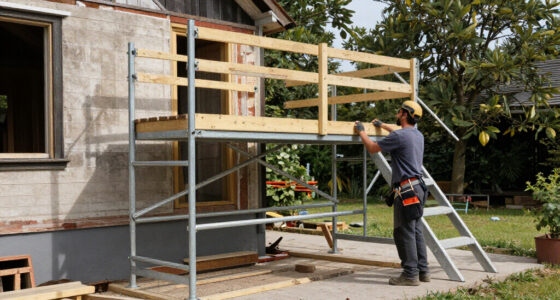
Assemble in the manual’s sequence, install specified edge protection and stabilizers, and use the designated ladder or stairway.
Clear the platform before moving the tower, then reinspect after movement, alteration, impact, or severe weather.
Choose a tower that fits the job, not just the price
A scaffold tower is a freestanding, modular scaffold with a raised work platform; it gives you more room than a ladder, but it depends on correct assembly and stability controls. Choose one by checking the platform height, working height, deck size, access method, indoor or outdoor rating, and load capacity against the actual task. For example, a homeowner painting a stairwell needs a tower suited to the indoor floor and ceiling height; a tower intended for level outdoor paving may not fit that setup. Suppliers may call platform height plus an assumed worker’s reach “working height.” Those figures are not interchangeable, so confirm the platform height you’ll actually stand on. A reach estimate can mislead you into renting a tower that leaves you stretching from the top rail.| Check | What to confirm | Why it matters |
|---|---|---|
| Height | Platform height, working-height definition, and model limits | Avoids overreaching and unsafe extensions |
| Load | Rated capacity and the manufacturer’s load-distribution rules | Counts workers, tools, and materials correctly |
| Use and access | Indoor or outdoor suitability, deck size, and designated ladder or stairway | Matches the site and the way you’ll climb |
| System | Compatible frames, braces, platforms, and stabilizers | Prevents improvised part combinations |
Popular right now

Dreame L40 Ultra Gen 2 Robot Vacuum and Mop

KitchenAid Artisan Series 5-Quart Tilt-Head Stand Mixer, Dried Rose (KSM150PS)

Vitamix Propel Series 510 Professional-Grade Blender, 3 Programs, Black
As an affiliate, we earn on qualifying purchases.
Inspect every part before the first frame goes up
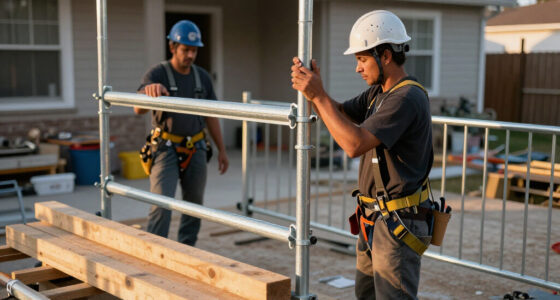
Before you assemble a scaffold tower, inspect its frames, braces, platforms, wheels, locking pins, guardrails, toe boards, and access parts for damage, missing pieces, corrosion, or incompatible substitutions. A quick look from across the driveway won’t catch a bent locking pin or a cracked platform edge. If something is damaged or missing, keep the tower out of use until you have the correct replacement or a competent person has assessed it. Lay the components out on a clear surface and compare them with the manual’s parts list. A shiny brace from another brand may fit through a slot and still fail to lock or carry load as designed. System compatibility is about the exact components and instructions, not whether two pieces look similar. For example, imagine you’re assembling a rental tower for exterior trim and find one wheel without its locking mechanism. Don’t substitute a loose block to stop the tower rolling, and don’t trust the other three wheels to hold it. Ask the rental provider for the correct component or a replacement tower before work begins. Use this pre-assembly check:- Look for bent, cracked, corroded, or badly worn parts.
- Confirm each brace, pin, platform, guardrail, toe board, and access component is present and made for that system.
- Check wheels and locking devices, where fitted, and confirm they operate as the manual describes.
- Keep defective components out of the work area so nobody puts them back into the build by mistake.
Prepare ground and clear hazards before you build
Set the tower on firm, level ground that can support it, and check the full work area for slopes, soft soil, drains, doorways, overhead power lines, traffic, and people below. The manufacturer’s approved leveling method determines what you can adjust; bricks, loose blocks, scrap lumber, or other improvised supports can shift under load. A level bubble does not make a weak patch of lawn firm. Walk the route and footprint before bringing the frames into position. A paving stone over a drain, a hidden dip beside the garage, or a doorway that someone may open into the base can change the risk. If you’re working on a driveway, mark a clear zone around the tower and keep people away from the area below where tools or materials could fall. Take a gutter-cleaning example. The ground may look flat from the street, while one tower leg lands on a sloped curb and another sits over soft mulch. Move to a firm, level area if possible. If uneven ground cannot be avoided, use only the model’s specified leveling parts and method; if the instructions do not allow that setup, choose another access plan. Power lines need special care. Treat nearby lines as energized, even when they look insulated, and maintain the clearance required by local rules. If the work area is close to overhead lines, stop and contact the utility or relevant authority about safe arrangements. Do not try to solve electrical hazards by shifting the tower a little and guessing at distance. Also check for wind exposure and changing weather. A sheltered indoor setup and an exposed tower beside a house face different conditions. Follow the manual and local requirements for outdoor use, and stop if wind or severe weather makes the tower unsafe.Assemble the tower in the manual’s order and protect every edge
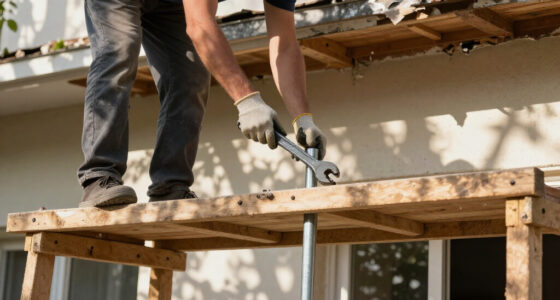
To set up a scaffold tower, follow the exact model’s assembly sequence and install every brace, platform, guardrail, toe board, and stabilizer or outrigger the instructions require. The order matters: each part contributes to the structure, so skipping one because the tower “feels solid” can leave it unstable. If local rules require trained or competent assembly, follow them; some tower systems also call for a second person.- Position the base. Put it on the prepared firm, level surface, with the planned access and exclusion area clear.
- Build the first level as directed. Fit the frames, braces, and locking parts in the sequence shown in the manual, checking each connection as you go.
- Add platforms and access. Use the designated ladder or stairway. Do not climb the tower’s outside frames.
- Install fall-prevention parts. Fit the specified guardrails, toe boards, stabilizers, or outriggers at the required stages and positions.
- Check the completed setup. Confirm locks are engaged, the base is stable, access is secure, and the tower meets the model’s height and configuration limits.
Work from the platform without overloading or reaching
Once the tower is assembled, use the designated access route, stay within the guardrails, and keep the total load and your body position inside the manufacturer’s limits. A spacious deck can provide a stable work platform for tasks that need two hands, but it does not give you permission to lean past the edge. Climb down and reposition the tower when the work moves beyond a comfortable reach. Count all the weight the manual says to include: workers, tools, and materials. Spread items as directed instead of piling heavy buckets or boxes in one spot. For instance, a pair of workers painting a tall living-room wall might bring a paint pail, roller tray, extension pole, and vacuum hose; those items all add load, and the hose can catch on the access ladder if you leave it trailing. Keep the deck tidy. Put small tools in a secure container, avoid loose fasteners near the edge, and don’t leave materials where they block the access opening. Use dust control and eye protection for sanding or cutting, and wear footwear that grips the platform. PPE supports safe work; it cannot compensate for a missing guardrail or an unstable base. Ask yourself: would you stand comfortably in this position on a narrow ladder rung while holding the same tool? If you’re twisting, leaning, or stepping onto a rail to reach the last strip of paint, stop and change the setup. A tower is more like a workbench than a ladder; you still need the right height and a clear stance. Stop work in unsafe wind or severe weather, and never use an outdoor tower beyond its permitted conditions.Move, recheck, and dismantle the tower with the platform empty
Do not move an occupied tower; clear the platform first, then follow the manufacturer’s moving procedure and check the route for slopes, holes, obstructions, and people. Even a short push across a driveway can catch a wheel in a crack or shift the load. Follow any model-specific limits on movement and configuration; if you cannot confirm the procedure, ask the manufacturer or a competent person before repositioning.- Bring everyone down. Remove workers, tools, and materials from the platform before movement.
- Check the path. Look for uneven ground, soft spots, drains, steps, overhead obstructions, power lines, and people.
- Use the specified method. Follow the manual for wheel locks, stabilizers, height, and movement; do not drag or push the tower in a way its design forbids.
- Reinspect after repositioning. Check the base, locks, braces, access, and surrounding hazards before anyone climbs back up.
Know when a ladder, rental tower, or licensed trade fits better
A scaffold tower can be the right choice when a task needs a larger platform, two hands, and time at height; a ladder may suit brief, light access, while a licensed professional may be the safer choice for electrical, gas, structural, roof, or other regulated work. The job decides the access equipment. Don’t buy a tower just because it looks more substantial, and don’t rent one if you cannot assemble and inspect that system safely. Suppose you need to paint a narrow strip of fascia above a low porch. A suitable ladder may be simpler, depending on the task and local guidance. If you’re sanding and painting a broad wall for several hours, a tower may reduce repeated climbing and give you space for tools. If the same project involves roof repairs, structural changes, or work near service lines, pause and check licensing, permits, and professional requirements before you start. Renting is often practical for a one-time job or a model with a height and stabilizer setup you rarely need. Before accepting it, confirm the intended use, load rating, assembly instructions, compatible replacement parts, and any conformity markings required in your market. Check that every component arrives and inspect it yourself; the rental counter’s handover does not replace your site check. Rules for training, inspection, fall protection, permits, and who may erect or alter a tower differ by region. There is no universal safe height or wind-speed limit that fits every model and site. Check the local workplace-safety authority and the tower manual, and use a licensed professional where the work or local code requires one. Safe access is a tradeoff: more platform space can make work easier, while poor assembly can make the risk larger.Frequently Asked Questions
How high can I safely use a scaffold tower?
The safe height depends on the exact tower model, whether you use it indoors or outdoors, its base and stabilizers, wind exposure, and local rules. Follow the manufacturer’s limits; there is no single height that applies to every tower.
Can I set a scaffold tower up on sloping or uneven ground?
Only if the manufacturer’s approved leveling method allows it and the base remains stable. Never use bricks, loose blocks, or scrap material as improvised supports; choose another location or access method if the setup is not permitted.
Do I need a harness when using a scaffold tower?
Requirements depend on your jurisdiction, task, and tower system. Guardrails are a primary fall-prevention measure, and a harness only helps when the complete system and anchor suit the use; clipping to an unsuitable tower part may not protect you.
Can I move the tower while someone is on it?
Clear the platform before moving the tower, then follow its manual and check the route for uneven ground, holes, overhead obstructions, and people. Do not move an occupied tower unless the specific instructions and applicable rules explicitly permit it.
How many people can work on the platform?
Use only the number of workers allowed by the manufacturer’s instructions and capacity. Count workers, tools, and materials in the total load where the manual requires it, and distribute the load as directed.
Is a scaffold tower safer than a ladder?
A correctly selected and assembled tower can provide a larger, steadier work platform for tasks that need two hands or extended work. A ladder may suit brief access, and the right choice depends on the job, site, equipment instructions, and local requirements.
What should I do if a tower part is damaged or missing?
Do not use the tower. Keep the affected part out of service and obtain the exact compatible replacement or have the equipment assessed by a competent person before assembly.