
TL;DR

Get business pricing on tools and workshop supplies
- Business-only prices and quantity discounts
- Tax-exempt purchasing
- Multiple users, one account, clear invoices
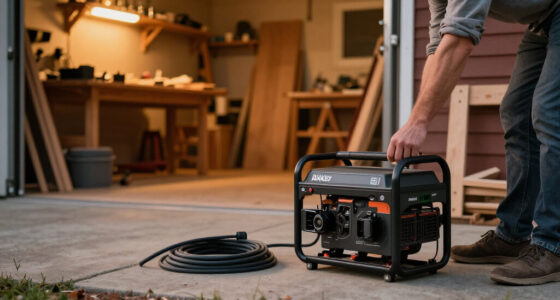
Run a gas-powered generator outdoors, far from buildings, doors, windows, vents, and other openings, with exhaust directed away from people and structures; never use it in a garage, even with the door open. Connect appliances with outdoor-rated cords or have a qualified electrician install an approved transfer switch, then maintain the generator on the schedule in its manual.
A generator can keep a refrigerator cold and a sump pump running, but its exhaust can kill before you notice a problem. Gas-powered generators belong outdoors, far from buildings and openings, where exhaust has a clear path away from people. An open garage door or a cracked window does not make indoor operation safe.
This guide gives you a practical routine for choosing a safe location, connecting loads without backfeeding utility lines, refueling without inviting a fire, and maintaining the machine between outages or site jobs. You’ll also learn when a rental makes more sense than buying, and which details depend on your generator manual and local fire guidance. Think of the unit as a small engine that needs airflow, fuel discipline, and regular inspection—not as a household appliance.
Run the generator outdoors, well away from buildings and openings, with exhaust directed away from people; an open garage door does not make operation safe.
Keep working CO alarms near sleeping areas and on each home level, and treat any alarm or CO symptoms as an emergency.
Connect appliances with suitable outdoor-rated cords or use a qualified electrician for an approved transfer switch; never backfeed through a wall outlet.
Turn the generator off and let it cool before refueling, and follow local rules for approved gasoline storage.
Inspect before use and follow the model’s manual for load limits, grounding, maintenance intervals, and long-term storage.
Residential sites · Portable power safety
How to Safely Use and Maintain Gas-Powered Generators
Run it outdoors, well away from buildings and openings. Carbon monoxide has no color or smell and can be fatal. Plan safe placement, electrical connections, refueling, and upkeep before the next outage or job.
Control the hazards before connecting a load
Give exhaust open air
Place the generator outdoors, well away from homes and openings. Aim exhaust away from people. Never operate it in a house, garage, basement, crawl space, shed, or covered area that can trap fumes. Follow the manual and local fire guidance for exact distances.
Prevent backfeed
Connect appliances with outdoor-rated, heavy-duty cords sized for the load and distance. For house wiring, use an approved transfer switch installed by a qualified electrician. Never plug a generator into a wall outlet.
Keep fuel and water in check
Shut the unit off and let it cool before refueling. Store gasoline in approved containers away from living areas and ignition sources. Keep the generator dry without blocking airflow; never operate it in standing water.
CO alarm or symptoms? Get outside now.
Headache, dizziness, weakness, nausea, confusion, or chest pain near a running generator may signal carbon monoxide exposure. Move everyone to fresh air and call emergency services. Do not re-enter until officials say it is safe. Keep working CO alarms near sleeping areas and on every level of the home.
Use the same five-step routine
A short check helps catch placement, equipment, and load problems before they become a breakdown, shock, or fire. The model’s manual controls startup, grounding, rated capacity, and operating details.
Set it outdoors on a stable, dry surface. Direct exhaust away from people and openings.
Check for leaks, damaged cords, blocked vents, loose parts, and unusual wear.
List essential devices and check running and starting wattage against the rating.
Use sound, dry, outdoor-rated cords or a code-compliant electrician-installed connection.
Watch for smoke, odd noise, vibration, or warning lights. Shut down if something seems wrong.
Allow for motor startup surges
Refrigerators, sump pumps, saws, and dust extractors can draw extra power when their motors start. Check both running and starting capacity in the manual; avoid overloading the generator.
Example planning sequence
These bars show planning steps, not measured wattage or a recommended generator size. Use appliance labels and the generator’s manual for actual values.
Maintain the machine on its own schedule
Service intervals vary by model. Use the owner’s manual as the controlling source for oil, filters, spark plugs, fuel, battery care, and long-term storage.
Inspect and check levels
Look for fuel or oil leaks, damaged cords, blocked vents, loose parts, and wear. Check oil and fuel as directed.
Watch for changes
Keep airflow clear and the surface stable and dry. Stop if you notice unusual noise, smoke, vibration, or warning lights.
Cool, clean, store dry
Let the unit cool before cleaning or handling fuel. Follow local rules and the manual for gasoline storage.
Replace and inspect
Change oil, service the air filter, inspect the spark plug, and maintain other parts at manufacturer intervals.
Prepare fuel and battery
Follow the manual for fuel stabilization or draining, battery care, and storage. Stale gasoline can cause starting and performance problems.
Test outdoors safely
Follow the manufacturer’s schedule and procedure. Test in a safe outdoor location with household CO alarms working.
Safe power is a repeatable chain
Put the generator where its exhaust can’t reach anyone
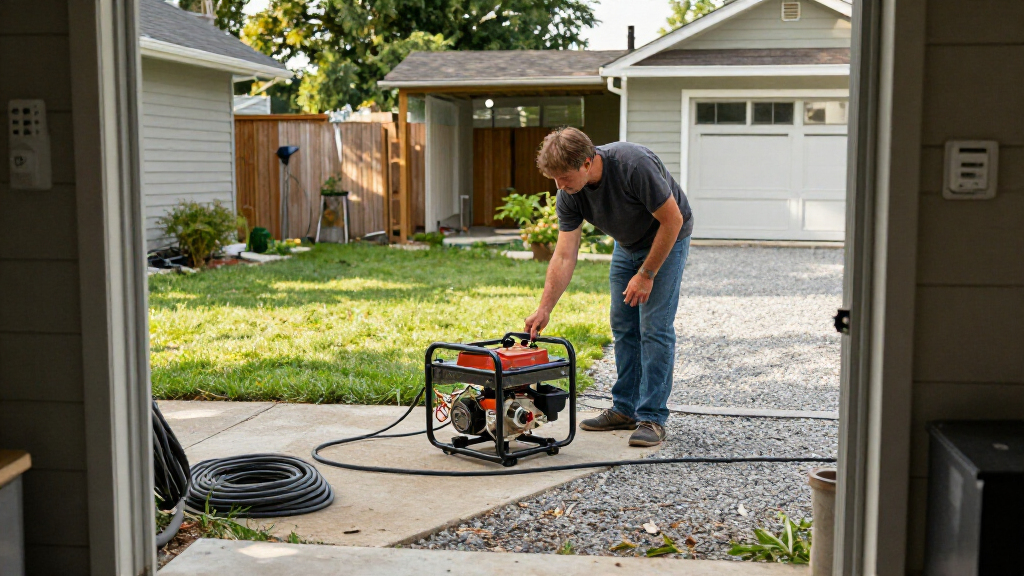
Place a gas-powered generator outdoors, well away from the home and other buildings, and point its exhaust away from people, doors, windows, vents, and other openings. The exact distance depends on the model and local fire guidance, so follow both. The goal is a clear path for exhaust, with the running engine kept out of enclosed or partly enclosed spaces.
Carbon monoxide (CO) has no color or smell, so your nose cannot warn you. Never run a generator in a house, garage, basement, crawl space, shed, or covered area that can trap exhaust. Opening a garage door does not solve the problem: fumes can collect inside or drift through a doorway into living space. For example, a crew running a unit just inside a garage to keep rain off may expose someone in the kitchen without seeing or smelling a thing.
Choose a stable, dry spot with open airflow, then check where the exhaust will travel as wind shifts. Keep the generator clear of combustible material and follow its manual for ventilation and clearance. Do not improvise a tight box or wrap a tarp around the engine to quiet it or shed rain. Safe placement comes before convenience, noise reduction, or cord length.
If anyone near a running generator develops headache, dizziness, weakness, nausea, confusion, or chest pain, get everyone to fresh air and call emergency services. Do not re-enter a potentially contaminated area until officials say it is safe.
Install working CO alarms near sleeping areas and on every level of the home, following the alarm instructions and local requirements. A generator’s CO-sensing shutdown feature can add protection, but it does not replace safe placement or household alarms. If an alarm sounds, get outside and call for help; don’t silence it and carry on.
Popular right now

Ninja NC501 CREAMi XL Deluxe 11-in-1 Ice Cream and Frozen Treat Maker with Two XL Containers

Shark Rocket Ultra-Light Corded Stick Vacuum, HV301, Gray/Orange

Dyson Ball Animal 3 Upright Vacuum
As an affiliate, we earn on qualifying purchases.
Connect power without sending it back onto utility lines
Use outdoor-rated, heavy-duty extension cords to connect appliances directly, or have a qualified electrician install an approved transfer switch or other code-compliant connection for house wiring. Never plug a generator into a wall outlet to power a home. That improvised connection can send electricity back onto utility lines, putting line workers and neighbors at risk.
Start with a list of what you actually need during an outage: perhaps a refrigerator, a few lights, a modem, and a sump pump. Add each device’s running wattage, then account for the higher starting demand of motor-driven equipment such as pumps and refrigerators. A pump that runs quietly after startup can still draw a brief surge when its motor kicks on. Check the generator’s rated running and starting capacity in its manual, and avoid stacking loads until the engine bogs or an overload indicator appears.
Use cords rated for outdoor use and sized for the load and distance; a long, undersized cord can cause voltage drop and heat. Keep connections out of puddles and inspect the jackets for cuts or crushed sections. Don’t assume every generator uses the same grounding arrangement. Read the manual for grounding and connection requirements, and ask a qualified electrician about any permanent connection or uncertain setup.
At a residential renovation, a temporary generator may also power saws and dust extraction. Plan those loads before plugging in: a saw’s startup surge can trip protection just as a vacuum starts. Match the load to the rating, keep cords sound and dry, and follow electrical code.
Refuel and shelter the machine without starting a fire
Shut the generator off and let it cool before refueling, then handle gasoline outdoors according to the manual. A hot muffler or engine can ignite spilled fuel or vapors. Don’t top up while the machine runs, even when an outage is dragging into the night. If a container splashes fuel near the unit, stop and follow the manual’s cleanup and restart guidance rather than turning the ignition into a gamble.
Store gasoline only in approved containers and follow local fire rules and the container’s instructions. Keep it away from living areas, ignition sources, and the generator itself. A basement shelf may seem convenient during a storm, but occupied or enclosed spaces are poor places for fuel storage. Keep the container upright and secure, and make sure children and site visitors cannot reach it.
Generators need protection from rain, but a makeshift enclosure can trap heat and exhaust. Use only a purpose-made cover or shelter that preserves ventilation and follows the manufacturer’s instructions. Never operate the unit in standing water, and don’t touch it with wet hands. On a muddy renovation site, place it on a stable, dry surface where rain runoff won’t pool around the frame, plugs, or cords.
Give neighbors some thought too. Set the unit where exhaust stays safe and noise causes less disruption, while preserving airflow and required clearances. Local noise, fuel-storage, and fire rules can apply. Weather protection must never block ventilation or redirect exhaust toward people.
Follow this five-step routine each time you run it
A short pre-start routine catches many problems before they turn into a breakdown, shock, or fire. Start with the manual for that model, since controls, grounding requirements, and startup procedures differ. Then use the same basic sequence each time, whether the generator is powering a home during an outage or tools at a small residential job.
- Choose the location. Set the generator outdoors on a stable, dry surface, well away from buildings and openings, with exhaust aimed away from people.
- Inspect the machine. Look for fuel or oil leaks, damaged cords, blocked vents, loose parts, and unusual wear. Check oil and fuel as directed by the manual.
- Plan the load. Add the running wattage of connected devices and account for motor startup loads. Keep the total within the generator’s ratings.
- Start and connect carefully. Follow the manual’s startup procedure, then connect appliances using suitable outdoor-rated cords or a code-compliant permanent connection.
- Watch while it runs. Keep airflow clear and pay attention to odd noise, smoke, vibration, or warning lights. Shut the unit down if something seems wrong.
Each step checks a different failure path: placement limits exhaust exposure, inspection catches leaks and damaged insulation, and load planning reduces overloads that can interrupt power or strain equipment. Connecting only after following the model’s startup sequence also helps avoid unsafe improvisation when the engine is running. The routine takes a few minutes, but that time buys a chance to catch a problem before people depend on the generator through the night.
Think of this like preparing a saw for a cut: you check the blade, workpiece, and clearances before pulling the trigger. A quick look at a frayed cord or fresh oil stain can change the whole job. After use, shut down according to the manual, let the engine cool, and store the clean, dry machine safely. Routine beats a rushed start in a dark garage or wet yard.
Keep up with service so the generator starts when you need it
Use the owner’s manual as the controlling maintenance schedule; oil-change and service intervals vary by model and operating hours. A generator that runs only during storms still needs inspection and any periodic exercise the manufacturer recommends. Follow the specified procedure and test it outdoors in a safe location, with household CO alarms working.
At scheduled intervals, the manual may call for an oil change, air-filter cleaning or replacement, spark-plug inspection, and service of other components. Dusty renovation work can load an air filter faster than occasional emergency use, so check it as the manual directs rather than assuming the calendar tells the whole story. A clogged filter can affect performance just when a pump or freezer needs steady power.
After each use, let the engine cool, clean off dirt, and store the unit dry. Before the next run, look again for leaks, loose parts, blocked vents, and cord damage. If the generator will sit for a long stretch, follow the maker’s instructions for fuel stabilization or draining, battery care if fitted, and storage. Gasoline left stale in a system can cause hard starting and poor running.
Newer models may include CO-sensing shutdown, overload protection, or digital monitoring. Those features vary by unit and reduce some risks; they do not make poor placement or skipped maintenance safe. Check the documentation and applicable certification information for your model. A safety feature is a backup, not a maintenance plan.
Choose the right size—or rent when the job is short
Choose generator capacity from the loads you need to run, including motor startup demand, rather than buying the largest machine you can find. A small outage setup for a refrigerator, lights, and communications has different needs from a renovation crew running a compressor, saw, and dust extractor. List the equipment, check each nameplate or manual, total the running wattage, and account for startup loads before selecting a unit.
Here’s a practical example: a homeowner may want to keep a refrigerator and sump pump running during a storm. The combined running load may look modest, but the pump’s startup surge can push a marginal generator over its limit. If you also add a microwave or space heater, the overload protection may trip or the engine may struggle. Stage use where possible and check the generator’s rated capacities instead of guessing by the size of the frame.
DIY-grade units can suit occasional essential loads, while repeated site use may call for a more durable machine and service support. But buying pro-grade equipment for one short project can be poor value. If you need temporary power for a weekend, a rental may give you the capacity and duty rating you need without long-term storage and maintenance. Ask the rental provider about load, connection, noise, and fuel requirements.
For home wiring, the right generator size does not make a wall-outlet connection safe. A qualified electrician must handle a transfer switch or other approved connection, and local permit rules may apply. Capacity, duty cycle, and a safe connection all have to fit the job.
Frequently Asked Questions
Can I run a generator in my garage if the door is open?
No. A garage is partly enclosed, and carbon monoxide can build up or move into the home even with the door open. Run the generator outdoors, far from buildings and openings, following the manual and local fire guidance.
How far should a generator be from my house?
Follow the generator manual and local fire guidance for the required placement distance; it can vary by model and location. Keep the unit outdoors and away from doors, windows, vents, and other openings, with exhaust directed away from people and buildings.
Can I plug a generator into a wall outlet?
No. That can backfeed electricity onto utility lines and endanger line workers and neighbors. Use suitable outdoor-rated cords for direct appliance connections, or have a qualified electrician install an approved transfer switch or other code-compliant connection.
Can I run a gas generator in the rain?
Only protect it with a purpose-made cover or shelter that preserves ventilation and follows the manufacturer’s instructions. Never run it in standing water or under an enclosure that traps exhaust. Keep hands dry and connections out of puddles.
How often should I change the oil?
Use the service interval in your generator’s owner’s manual, which may depend on operating hours and model. The manual also sets the schedule for air-filter and spark-plug checks. Dusty jobsite conditions can make regular inspection especially useful.
What should I do if a carbon monoxide alarm sounds?
Get everyone outside to fresh air and call emergency services. Do not ignore the alarm or re-enter a potentially contaminated area until it has been declared safe. A generator’s automatic CO shutoff does not replace household alarms.
Conclusion
Put the generator outdoors, keep exhaust away from people and openings, and connect only within its rated capacity. Then follow the manual for grounding, refueling, service, and storage, and use a qualified electrician for any connection to house wiring. Those habits protect the people in the house, the crew on site, and the utility workers down the street.
When the lights go out, a safe generator should sit in open air, humming steadily while its cords stay dry and its exhaust drifts away from the home. That’s the picture to remember.