
TL;DR

Get business pricing on tools and workshop supplies
- Business-only prices and quantity discounts
- Tax-exempt purchasing
- Multiple users, one account, clear invoices
Interior designers quoted by House Beautiful recommend choosing a room’s paint color after its less changeable finishes and furnishings are settled. They say this can help the color work with the room and reduce early decisions that constrain later choices.
Interior designers interviewed by House Beautiful recommend choosing a room’s final paint color last, after selecting key finishes and furnishings. Their advice is intended to help homeowners judge colors against the materials already in the space and avoid making early wall-color choices that limit later design decisions.
The designers’ central recommendation is to settle elements that are difficult to paint or replace first. Interior designer Lisa Quinn says that includes flooring, counters, cabinets and large furniture. Designer Dana Arazi Levine adds rugs, curtains, upholstery and art to the decisions that should come before the final wall color.
Levine told House Beautiful that paint options are nearly unlimited, while rugs, curtains, upholstery and art offer fewer choices. Choosing a wall color too early, she said, can constrain later decisions or lead to extra spending on custom pieces. Quinn said similar-looking colors can appear different next to actual surfaces, including honey oak flooring or cool marble.
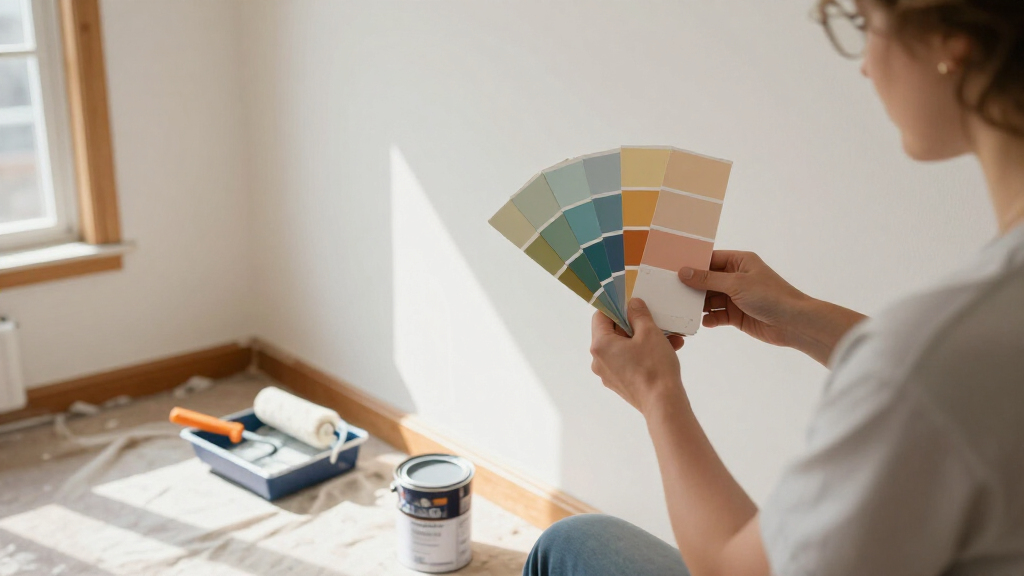
The report also relays practical advice for narrowing down the remaining colors. Lauren Grant recommends considering a more subdued or neutral option than the color someone imagines, because reflected light and color from other walls can affect how a shade reads. Quinn advises comparing undertones, while Lindsay Atapattu of LEB Interiors recommends bringing finalists home, painting samples on the wall and observing them for at least 24 hours.
How Finish Choices Shape Paint
The advice addresses a common source of uncertainty in decorating: paint samples viewed alone do not show how a color will appear alongside a room’s flooring, counters, furniture and changing light. Choosing those elements first gives homeowners a concrete setting for comparing paint and may rule out shades that clash with existing materials.
It also affects the order of decisions and potential costs. As Levine told House Beautiful, selecting wall color early can limit later choices or prompt spending on custom furnishings. The report presents this as designers’ guidance; it does not provide cost data or evidence that following the sequence guarantees a better result.
Popular right now

Vitamix Propel Series 510 Professional-Grade Blender, 3 Programs, Black

Dreame L50 Ultra Robot Vacuum and Mop

Bose QuietComfort Wireless Bluetooth Headphones with Active Noise Cancellation, Mic, USB‑C Charging, Deep Bass, 24‑Hour Battery – White Smok
As an affiliate, we earn on qualifying purchases.
From Paint Chips to Room Samples
The source report begins with the familiar problem of comparing many similar paint chips and feeling pressure to choose correctly. Its designers’ proposed sequence is to decide on less changeable elements first, then test paint colors in the finished room. That approach shifts the comparison from the store display to the surfaces and conditions the color will actually sit beside.
The report’s additional tips focus on why an in-room test matters. Grant says other walls can reflect light and color, while Atapattu points to lighting, room direction and existing decor as factors that affect appearance. The source recommends looking at undertones and living with wall samples for at least 24 hours; it does not describe a formal test method or claim that this period accounts for every lighting condition.
““A color that looks neutral on a chip can clash the very second it meets honey oak flooring or cool marble.””
— Lisa Quinn, interior designer
What the Advice Cannot Settle
The report offers designers’ recommendations, not a controlled comparison of paint-selection methods. It does not establish that choosing paint last works best for every room or homeowner, nor does it quantify any savings or reduction in decision time. The supplied source also gives no publication date, survey size or further evidence about how widely designers follow the approach.
The best shade for a particular room remains a matter of its actual finishes, furnishings and light. The article advises testing samples in place but does not specify how many samples to use or whether a painted wall patch, sample board or another method is preferable.
Test Finalists in the Room
For readers applying the advice, the next step is to settle the major finishes and furnishings, then bring home a shortlist of paint colors. Compare their undertones beside the room’s materials and apply samples where they will be seen. House Beautiful’s source recommends observing those samples for at least 24 hours, taking time to see how they look under the room’s light before making a final choice.
Key Questions
What is the main rule designers recommend?
Choose the final paint color after deciding on major finishes and furnishings, such as flooring, counters, cabinets and large furniture.
Why not choose paint from a chip in the store?
The designers say nearby surfaces, reflected light and room conditions can change how a color appears. They recommend testing finalists in the room.
How long should paint samples stay up?
Lindsay Atapattu of LEB Interiors recommends sitting with wall samples for at least 24 hours to see how they shift in the light.
What should I compare when shades look similar?
Lisa Quinn advises checking each shade’s undertones, such as whether it leans yellow, pink, purple or green.
Source: rss