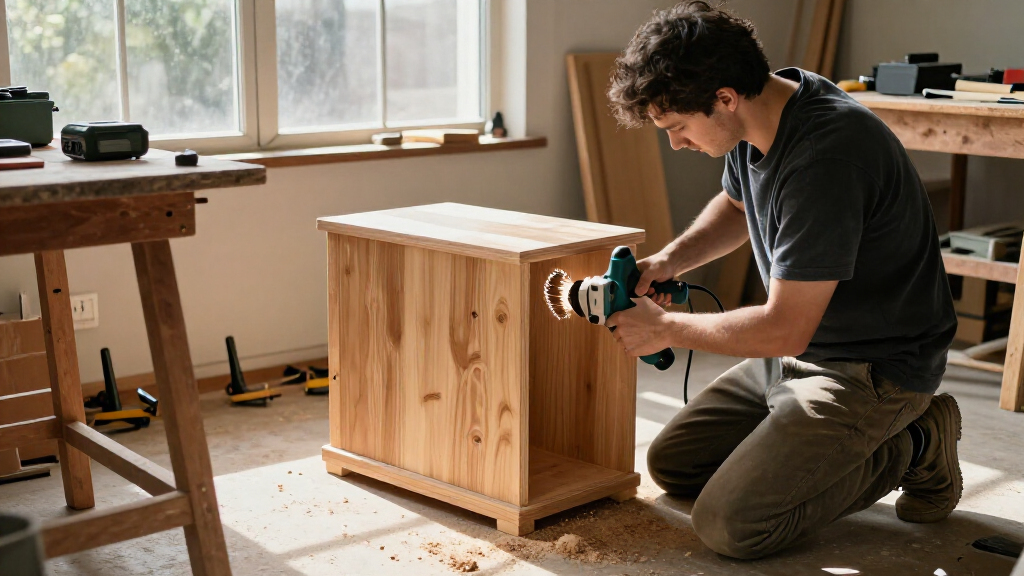

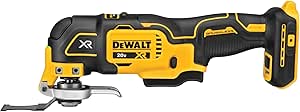
The best overall cordless oscillating multi-tool in this roundup is the DEWALT 20V MAX XR DCS356D1 kit, which pairs a brushless tool with a battery and charger. For buyers already invested in a battery system, the DEWALT DCS356B offers the same platform appeal as a tool-only pick, while the Makita XMT03Z and Milwaukee 2626-20 serve users committed to their respective 18V systems. The main tradeoffs are battery compatibility, brushless versus brushed designs, and whether a ready-to-work kit is worth more than buying the bare tool. Accessory bundles can help with occasional repairs, but they do not replace choosing blades suited to the material and cut. Read on for the full comparison and a guide to matching a tool to your projects.

Get business pricing on tools and workshop supplies
- Business-only prices and quantity discounts
- Tax-exempt purchasing
- Multiple users, one account, clear invoices
Complete the kit


Key Takeaways
- The DEWALT DCS356D1 ranks first for an all-around kit. It combines the XR brushless tool with a battery and charger, so it is a stronger starting point than the DCS356B for buyers without compatible batteries.
- Battery ownership changes the best pick. The DCS356B, Makita XMT03Z, Milwaukee 2626-20, and Ryobi ONE+ are tool-only options; their appeal depends on already having the matching platform.
- Brushless models stand out among the included kits. DEWALT, WORKPRO, and KIMO offer brushless options, while buyers should weigh that design against kit contents and platform fit rather than treating it as the only performance measure.
- Accessory counts do not tell the whole story. AVID POWER and DEKOPRO include sizable accessory sets, but buyers should still check whether the included blade types fit their materials and whether replacement accessories are easy to source.
- Several entries serve distinct budget or condition needs. CRAFTSMAN offers a battery-and-charger kit, Synxiter is designed around DeWalt 20V batteries, and the renewed DEWALT kit may suit buyers willing to evaluate refurbished condition and coverage.



| cordless oscillating multi tool | Voltage | Speed settings | Motor | Warranty |
|---|---|---|---|---|
| DEWALT 20V MAX XR Brushless Os | 20 volts | 3 | Brushless | 3 years |
| DEWALT 20V MAX XR Brushless Co | 20 volts | 3 | Brushless | 3-year limited warranty |
| CRAFTSMAN V20 Cordless Oscilla | 20 volts | — | — | 3-year limited warranty |
| AVID POWER 20V Cordless Oscill | 20V | 6 | — | — |
| DEKOPRO 20V Cordless Oscillati | 20 volts | 6 | — | — |
| WORKPRO 20V Brushless Cordless | 20 V | 6 | Brushless | — |
| KIMO 20V Brushless Cordless Os | 20 V | 6 | Brushless | — |
| Makita XMT03Z 18V LXT Cordless | 18 V | — | — | 3-year limited warranty |
| Synxiter Cordless Oscillating | — | 6 | Brushless | 1 year |
| Milwaukee 2626-20 M18 18V Cord | 18 V | 12 | — | — |
| DEWALT 20V MAX XR Brushless Co | 20 volts | 3 | Brushless | 90 days limited |
| DEWALT 20V MAX XR Brushless 3- | 20 volts | 3 | Brushless | 3-year limited |
| Ryobi ONE+ 18V Cordless Oscill | 18 volts | — | — | — |
More Details on Our Top Picks
DEWALT 20V MAX XR Brushless Oscillating Multi-Tool Kit with Battery and Charger (DCS356D1)
The DCS356D1 is the strongest pick here for buyers who want a ready-to-work package rather than a bare tool: it includes a 2.0Ah battery, charger, 28 accessories, a depth guide, and a sanding pad. Its brushless motor and three speed settings pair with a variable-speed trigger, giving more control over delicate sanding and plunge cuts than the simpler setup of the CRAFTSMAN V20 kit. The wrench-free accessory change and universal adapter also make it easier to switch tasks without slowing down. The tradeoff is battery capacity: the included 2.0Ah pack is modest for extended work, and the tool-only DCS356B is a better fit if you already own compatible DEWALT batteries. I’d choose this kit for a first cordless multi-tool or a broad range of occasional repair jobs.
Pros:- Brushless motor is specified to provide up to 57% more runtime than a similar brushed tool
- Three speed settings and a variable-speed trigger offer control across materials and tasks
- Quick-change system, universal adapter, and depth guide support flexible work
- Includes battery, charger, and 28 cutting and sanding attachments
Cons:- The included battery is a relatively small 2.0Ah pack for long or demanding sessions
- The extensive accessory bundle may be more than buyers need for occasional single-purpose jobs
Best for: DIYers who need a complete cordless setup, including battery, charger, and a broad accessory selection, for varied home repair tasks.
Not ideal for: DEWALT 20V owners who already have batteries and chargers, or users who need longer runtime between battery changes.
- Voltage:20 volts
- Motor:Brushless
- Speed settings:3
- Included battery:One 2.0Ah lithium-ion battery
- Included accessories:28 cutting and sanding attachments, universal adapter, depth guide, and sanding pad
- Weight:2.3 pounds
- Warranty:3 years
Our verdict“Choose the DCS356D1 if you want DEWALT’s adjustable brushless tool with the battery, charger, and accessories included in one kit.”
DEWALT 20V MAX XR Brushless Cordless Oscillating Multi-Tool, Tool Only (DCS356B)
The DCS356B makes more sense than the DCS356D1 when a DEWALT 20V battery is already in your workshop. It keeps the same useful core combination—brushless motor, three speed settings, and dual-grip variable-speed trigger—but skips the battery and charger, avoiding duplicate kit components. Its stated range reaches 20,000 OPM, while the LED light can help when working in cabinets or other shadowed spaces. Compared with the complete DCS356D1, this package is notably lean: it comes with just two wood-cutting blades, so buyers starting from scratch will need to source more accessories and a battery. I’d favor it over the CRAFTSMAN kit for someone committed to DEWALT’s battery platform, but not for a first-time cordless-tool buyer seeking an all-in-one purchase.
Pros:- Brushless motor is specified to provide up to 57% more runtime than a similar brushed tool
- Three speed settings and a dual-grip variable-speed trigger offer task-specific control
- Quick-change accessory system and universal adapter support convenient accessory swaps
- LED work light and stated speeds up to 20,000 OPM
Cons:- Battery and charger are sold separately
- Only two wood-cutting blades are included, leaving sanding and other task accessories to the buyer
Best for: DEWALT 20V owners who want a brushless multi-tool with adjustable speed and can use batteries and accessories they already have.
Not ideal for: New cordless-tool buyers or anyone without a compatible battery and charger, since neither is included and the accessory selection is limited.
- Voltage:20 volts
- Motor:Brushless
- Speed settings:3
- Oscillation rate:0–13,000 / 0–17,000 / 0–20,000 OPM
- Weight:2.4 pounds
- Dimensions:12.01 x 6.61 x 3.07 inches
- Included components:Multi-tool and two wood-cutting blades
- Warranty:3-year limited warranty
Our verdict“Pick the DCS356B if you already own DEWALT 20V batteries and prefer buying the tool without another battery-and-charger kit.”
CRAFTSMAN V20 Cordless Oscillating Tool Kit with Battery and Charger (CMCE501D1)
The CRAFTSMAN CMCE501D1 is a practical kit for routine cutting, sanding, and polishing without asking buyers to piece together the basics. It includes a 2.0Ah battery, charger, two blades, sanding platen, sandpaper, and storage bag, while the tool-free universal attachment system keeps accessory changes simple. Its variable-speed dial offers adjustment, though the listing does not provide a speed range, so buyers who want detailed speed specifications may prefer the DEWALT DCS356D1 or DCS356B. Those DEWALT tools also add a brushless motor and a variable-speed trigger; the CRAFTSMAN instead keeps the package focused on everyday jobs. I’d choose it for a homeowner who values a complete starter kit and easy setup, not for someone prioritizing documented high-speed performance or a larger accessory assortment.
Pros:- Battery and charger are included for use out of the box
- Tool-free universal attachment system simplifies accessory changes
- Variable-speed dial and integrated LED support varied work conditions
- Includes wood and wood/metal blades, sanding supplies, and a storage bag
Cons:- The product data does not state a speed range or motor type
- The kit includes fewer accessories than the DEWALT DCS356D1 bundle
Best for: Homeowners starting with a cordless multi-tool who want a battery, charger, basic cutting and sanding accessories, and a storage bag together.
Not ideal for: Users seeking a brushless motor, a published oscillation-rate range, or the broader accessory package included with the DEWALT DCS356D1.
- Voltage:20 volts
- Included battery:One 2.0Ah lithium-ion battery
- Speed control:Variable-speed dial
- Attachment system:Tool-free universal attachment system
- Included accessories:Wood blade, wood/metal blade, sanding platen, 4 sheets of sandpaper, and storage bag
- Dimensions:5.12 x 6.38 x 9.06 inches
- Warranty:3-year limited warranty
- Model:CMCE501D1
Our verdict“Choose the CRAFTSMAN kit for approachable home projects when a complete starter package matters more than brushless performance or detailed speed specifications.”
AVID POWER 20V Cordless Oscillating Multi-Tool with 28 Accessories
The AVID POWER ACMT326 offers a useful control spread for household tasks: six speed settings from 8,000 to 18,000 OPM let buyers slow down for sanding or scraping and increase pace for suitable cutting jobs. It comes with a 2.0Ah battery, charger, LED light, and 28 accessories, making it a more complete starter package than the tool-only DEWALT DCS356B. The distinction is in intended workload: AVID POWER recommends resting the tool after each 30 minutes of continuous use, while the DEWALT options use brushless motors and are a stronger match for buyers prioritizing runtime. The 4–5-hour charging time also calls for planning around longer jobs. I’d keep this model to light or medium household repairs, especially since metal-cutting blades are not included.
Pros:- Six speed settings cover a stated range of 8,000–18,000 OPM
- Includes a 2.0Ah battery, charger, and LED work light
- Twenty-eight included accessories provide a broad starting selection
- Cordless format suits repair work away from an outlet
Cons:- Manufacturer recommends a 15-minute rest after every 30 minutes of continuous use
- Charging takes about 4–5 hours
- Metal-cutting blades are not included
Best for: DIYers handling occasional light-to-medium household cutting, sanding, and scraping who want a battery and a broad accessory bundle included.
Not ideal for: People tackling extended heavy-duty work, needing metal-cutting blades in the box, or relying on quick battery turnaround.
- Model:ACMT326
- Voltage:20V
- Battery capacity:2.0Ah
- Speed range:8,000–18,000 OPM
- Speed settings:6
- Oscillation angle:2.8°
- Included accessories:28 pieces
- Charging time:4–5 hours
- Recommended duty cycle:Up to 30 minutes continuous use, followed by 15 minutes rest
Our verdict“Choose the AVID POWER for occasional household tasks when six speed settings and an included accessory bundle matter more than sustained-duty use.”
DEKOPRO 20V Cordless Oscillating Multi-Tool Kit with Battery and 25 Accessories
The DEKOPRO stands apart from the AVID POWER ACMT326 by starting at a lower stated speed: its six settings span 5,000–18,000 OPM, a range that may suit buyers who want a slower pace for controlled sanding or scraping. It also lists a 3.2° oscillation angle, tool-free accessory changes, an LED light, and a soft-grip handle. The kit includes a battery, charger, and 25 accessories, though the AVID POWER package lists three more pieces and provides a defined charging time and duty-cycle recommendation. DEKOPRO’s product data has a notable inconsistency: its description lists a 4Ah battery, but that capacity is not repeated in the technical details, and the title and description differ on oscillation angle. I’d treat those figures cautiously when comparing it with the better-documented DEWALT kits.
Pros:- Six speed settings span a stated 5,000–18,000 OPM range
- Tool-free accessory changes reduce setup time
- Battery, charger, LED light, and 25 accessories are included
- Soft-grip handle is listed as a comfort feature
Cons:- Battery capacity is inconsistent across the product data: 4Ah appears in the description but not the technical details
- Oscillation angle is reported as both 3° and 3.2°
- Listed weight is 4.88 pounds, heavier than the DEWALT DCS356D1 at 2.3 pounds
Best for: DIYers who want a cordless kit with six speed settings and a lower stated starting speed for controlled sanding, scraping, and general repairs.
Not ideal for: Buyers who need consistent battery and oscillation specifications before purchase, or who want a documented duty cycle and charging time.
- Voltage:20 volts
- Battery capacity:4Ah stated in description; capacity not listed in technical details
- Speed range:5,000–18,000 OPM
- Speed settings:6
- Oscillation angle:3.2° in description; title lists 3°
- Weight:4.88 pounds
- Accessories:25 pieces
- Special features:Tool-free blade changes, LED light, and soft-grip handle
Our verdict“Consider the DEKOPRO if its lower stated speed range suits your work, but verify the battery and oscillation details before relying on those figures.”
WORKPRO 20V Brushless Cordless Oscillating Multi-Tool Kit
The WORKPRO makes sense for buyers who want a brushless motor and a ready-to-start kit rather than a bare tool. Its six speed settings and 3.6° oscillation angle suit varied cutting, trimming, and sanding jobs, while the 21-piece accessory set, included battery, and storage bag reduce the need to source basics separately. Compared with the Synxiter, WORKPRO includes a battery instead of relying on an existing DeWalt 20V pack; the Synxiter, however, specifies a wider 6,000–21,000 OPM range. The tradeoff is that WORKPRO lists neither battery capacity nor runtime, so buyers cannot gauge how long it will work between charges. At 5.41 pounds, it may also be tiring for overhead or extended detail work.
Pros:- Brushless motor supports varied cutting, trimming, and sanding tasks
- Six speed settings allow adjustment for different materials and jobs
- Tool-less universal accessory interface simplifies attachment changes
- Battery, 21-piece accessory set, and storage bag are included
Cons:- No battery capacity or runtime is provided
- The 5.41-pound weight may cause fatigue during extended or overhead use
Best for: DIYers who want a brushless tool, included battery, and a broad starter accessory set for occasional home repairs
Not ideal for: People doing long overhead sessions or needing predictable runtime, since the tool is relatively heavy and battery capacity is unspecified
- Motor:Brushless
- Voltage:20 V
- Maximum speed:19,000 OPM
- Speed settings:6
- Oscillation angle:3.6°
- Accessories:21-piece set
- Battery:1 lithium-ion battery included
- Item weight:5.41 pounds
- Included storage:Storage bag
Our verdict“Choose the WORKPRO if you want a brushless starter kit with a battery and accessories, but skip it if low weight or clearly stated runtime matters most.”
KIMO 20V Brushless Cordless Oscillating Multi-Tool
KIMO stands out for buyers who value handling and accessory security during detail work. The 5,000–21,000 OPM range, six speed settings, and 3° oscillation angle give it room to suit different materials, while the dual-locking blade mechanism and tool-free changes make swaps less fussy. Its auxiliary handle and anti-vibration grip add control that the listed WORKPRO kit does not specify, a useful distinction for repeated cuts or sanding. KIMO also includes a 2.0Ah battery, unlike the tool-only Makita XMT03Z, but the available description does not identify what blades or other accessories come in the box. One battery is specified, so extended work may call for charging breaks; buyers who need a clearly itemized starter kit may prefer WORKPRO.
Pros:- Brushless motor with six speed settings and a 5,000–21,000 OPM range
- Tool-free blade changes paired with a dual-locking mechanism
- Auxiliary handle and anti-vibration grip support control
- 2.0Ah battery and LED work light are specified
Cons:- Only one 2.0Ah battery is specified
- Included blades and other accessories are unclear from the available description
Best for: DIYers doing varied repair and finish work who want a brushless tool with an auxiliary handle, anti-vibration grip, and included battery
Not ideal for: Buyers who need a known accessory assortment or multiple batteries for long work sessions
- Motor:Brushless
- Voltage:20 V
- Oscillation speed:5,000–21,000 OPM
- Speed settings:6
- Oscillation angle:3°
- Battery capacity:2.0Ah
- Blade change:Tool-free quick-change system
- Other handling features:Dual-locking mechanism, LED light, auxiliary handle, anti-vibration grip
Our verdict“Pick KIMO for added grip and blade security with a battery included, but choose WORKPRO if a defined accessory kit matters more.”
Makita XMT03Z 18V LXT Cordless Multi-Tool (Tool Only)
The Makita XMT03Z is a strong fit for buyers already invested in the 18V LXT platform who want controlled starts and a broad accessory interface. Its soft start and variable speed dial help reduce abrupt movement when beginning a cut or working on a delicate surface; adapters also let it accept many competing accessories. Compared with the Milwaukee 2626-20, Makita offers a higher listed maximum speed—20,000 versus 18,000 OPM—and a smaller 3.2° oscillation angle, while Milwaukee provides 12 speed settings and weighs 2.9 pounds. The main drawback is the tool-only format: battery and charger are not included. Makita also lists up to 20 minutes of runtime with a 3.0Ah battery, a limitation for work that involves long stretches of cutting or sanding.
Pros:- Variable speed dial and soft start support controlled work
- Adapters fit many competing accessories
- Suitable for cutting, sanding, scraping, and grout removal
- Reduced vibration and noise are specified
Cons:- Battery and charger are sold separately
- Runtime is listed as up to 20 minutes with a 3.0Ah battery
Best for: Makita 18V LXT owners who want soft-start control and compatibility with a range of third-party accessories
Not ideal for: First-time cordless-tool buyers without Makita batteries and a charger, or anyone needing long uninterrupted runtime
- Model:XMT03Z
- Voltage:18 V
- Speed:6,000–20,000 OPM
- Oscillation angle:3.2°
- Grip diameter:2-3/8 in
- Included components:1-1/4 in plunge blade and two multi-tool adapters
- Battery and charger:Not included
- Warranty:3-year limited warranty
Our verdict“Choose the Makita if you already own LXT batteries and value controlled starts and accessory flexibility; otherwise, an included-battery kit is easier to get going.”
Synxiter Cordless Oscillating Multi-Tool for DeWalt 20V Batteries
Synxiter’s clearest advantage is compatibility with DeWalt 20V batteries, which can make it a practical add-on for someone who already owns that battery platform. The brushless motor, six speed settings, and 6,000–21,000 OPM range cover a useful spread of cutting and sanding tasks. Unlike the WORKPRO, it does not include a battery, but its accessory list is explicit: blades, a flexible scraper, sanding pad holder, sanding papers, and an auxiliary handle. That makes the box contents easier to judge, provided you already have a compatible pack. The tradeoff is buying a Synxiter tool rather than a DeWalt tool, and the listed one-year warranty is the only warranty detail supplied. With no battery included, new cordless-tool buyers should compare it with the battery-ready WORKPRO or KIMO.
Pros:- Brushless motor with six speed settings
- 6,000–21,000 OPM range supports varied tasks
- Includes multiple blades, scraper, sanding holder, and sanding papers
- LED light and auxiliary handle are included
Cons:- Battery is not included
- It is a Synxiter tool designed for DeWalt 20V battery compatibility, not a DeWalt-branded tool
- Warranty is listed as one year
Best for: DeWalt 20V battery owners who want a brushless oscillating tool with a specified starter set of cutting and sanding accessories
Not ideal for: Buyers without a compatible DeWalt 20V battery or those who prefer to stay within the DeWalt tool brand
- Battery compatibility:DeWalt 20V batteries
- Battery included:No
- Motor:Brushless
- Speed range:6,000–21,000 OPM
- Speed settings:6
- Oscillation angle:3°
- Included accessories:3 straight saw blades, 1 segment saw blade, flexible scraper, sanding pad holder, 15 sanding papers, auxiliary handle
- Item weight:1.23 kg
- Warranty:1 year
Our verdict“Choose Synxiter if you already own DeWalt 20V batteries and want an accessory-rich tool, but look to WORKPRO or KIMO if you need a battery in the kit.”
Milwaukee 2626-20 M18 18V Cordless Oscillating Multi-Tool (Tool Only)
At a listed 2.9 pounds, the Milwaukee 2626-20 is the lightest clearly specified option in this group, making it easier to handle during overhead cuts or repeated sanding than the 5.41-pound WORKPRO. Its 12 speed settings offer finer adjustment than the six-speed WORKPRO, KIMO, or Synxiter, and the rubberized grip, LED, and tool-free accessory changes support practical job-site use. Milwaukee includes woodcutting blades and sanding accessories, so the tool-only format is not entirely accessory-free. Still, the M18 battery and charger are sold separately, and its 8,000–18,000 OPM range tops out below the KIMO and Synxiter listings. The specified average battery life of 40 minutes may also fall short for buyers planning long work sessions without a battery swap.
Pros:- Listed weight of 2.9 pounds supports easier handling
- 12 speed settings offer finer adjustment than the six-setting options
- Rubberized grip and LED light aid handling and visibility
- Includes woodcutting blades and sanding accessories
Cons:- M18 battery and charger are not included
- Maximum speed of 18,000 OPM is below the KIMO and Synxiter listings
- Battery average life is listed as 40 minutes
Best for: Milwaukee M18 owners who want a lighter tool for overhead work and finer speed adjustment than six-setting alternatives provide
Not ideal for: Buyers seeking the highest listed maximum speed, a battery-ready kit, or extended work without battery changes
- Voltage:18 V
- Speed settings:12
- Speed range:8,000–18,000 OPM
- Battery:Lithium-ion battery required; not included
- Item weight:2.9 pounds
- Dimensions:5.2 x 3.3 x 12.8 inches
- Included accessories:Woodcutting blades and sanding pad with sheets
- Features:Variable speed, LED light, rubberized grip, tool-free accessory changes, REDLINK technology
Our verdict“Pick the Milwaukee for lower listed weight and 12 speed settings if you own M18 batteries, but choose a faster or battery-included option for other priorities.”
DEWALT 20V MAX XR Brushless Cordless Oscillating Multi-Tool Kit, 1.5 Ah Battery (Renewed)
This renewed DEWALT keeps the useful control features of the DCS356C1 kit: a brushless motor, three speed settings, and a variable-speed trigger let the user tailor the cut rather than run every task at one pace. The quick-change system and universal adapter also make accessory swaps easier and broaden compatibility. Compared with the new DCS356C1, its main distinction is not a different tool design but its renewed condition and shorter 90-day limited warranty, so it suits buyers willing to accept more uncertainty for a kit-format DEWALT. The listed 1.5 Ah battery is a modest capacity for extended work, and buyers who want the longer stated warranty should choose the new kit instead. The LED helps light a close work surface, but it does not offset the condition tradeoff.
Pros:- Brushless motor is specified to deliver up to 57% more runtime than brushed motors
- Three speed settings plus a variable-speed trigger offer control across tasks
- Quick-change system and universal adapter simplify accessory swaps and expand compatibility
- LED work light improves visibility near the cut
Cons:- Renewed condition adds uncertainty compared with the new DCS356C1 kit
- 90-day limited warranty is shorter than the new DCS356C1 kit’s stated three-year limited warranty
- The included 1.5 Ah battery may require frequent recharging during extended work
Best for: DEWALT 20V owners seeking a renewed kit with controlled speed, quick accessory changes, and a battery included.
Not ideal for: Buyers who want a new tool, a longer warranty, or a larger battery for sustained cutting and sanding.
- Model:DCS356C1R
- Voltage:20 volts
- Motor:Brushless
- Speed settings:3
- Battery capacity:1.5 Ah
- Battery type:Lithium-ion
- Weight:3 pounds
- Condition:Renewed
- Warranty:90 days limited
Our verdict“Choose this renewed kit if you want DEWALT’s speed and accessory controls with a battery included and can accept a shorter warranty.”
DEWALT 20V MAX XR Brushless 3-Speed Oscillating Tool Kit (DCS356C1)
For buyers who need a ready-to-work package, the DCS356C1 pairs DEWALT’s brushless, three-speed tool with a battery, charger, two blades, universal adapter, and bag. Its variable-speed trigger gives finer control than speed selection alone, which can help when moving between cutting and sanding. Compared with the renewed DCS356C1R, this is the straightforward choice for buyers who prefer a new kit and a stated three-year limited warranty; the tradeoff is that the listed battery capacity is 40 Ah, an unusual figure that may be a data-entry error, so I would not rely on it to predict runtime. The Ryobi PCL430B is lighter on the listed specs, but it is tool-only. This DEWALT makes more sense for someone who values a supplied charger and accessories over minimizing tool weight.
Pros:- Brushless motor and three speed settings pair with a variable-speed trigger for task control
- Quick-change system and universal adapter support a range of accessories
- Includes a battery, charger, two blades, and kit bag
- Stated three-year limited warranty
Cons:- Battery capacity is listed as 40 Ah, an unusually high figure that may be a data-entry error
- At 3 pounds, it is heavier on the listed specs than the 1.5-pound Ryobi PCL430B
- The included kit may add a charger and battery that existing DEWALT users already own
Best for: Buyers starting without a compatible battery and charger who want a complete DEWALT kit for varied cutting and sanding jobs.
Not ideal for: DEWALT battery owners who do not need another charger, or buyers who need reliable battery-capacity information before choosing.
- Model:DCS356C1
- Voltage:20 volts
- Motor:Brushless
- Speed settings:3
- Maximum speed:20,000 OPM
- Battery capacity:40 amp-hours (listed; may be a data-entry error)
- Weight:3 pounds
- Included components:Battery, charger, two blades, universal accessory adapter, kit bag
- Warranty:3-year limited
Our verdict“Pick the DCS356C1 if you want a new DEWALT tool with its core accessories, battery, and charger in one kit.”
Ryobi ONE+ 18V Cordless Oscillating Multi-Tool (Tool Only)
The Ryobi PCL430B stands apart from the two DEWALT kits through its listed 1.5-pound weight and compact format. That lower weight can be appealing for overhead trimming or short repair tasks, while variable speed up to 20,000 OPM supports cutting, sanding, and scraping. Its lock-on button and onboard accessory storage favor convenience during repeated small jobs, though the provided details do not specify a brushless motor, speed presets, or a quick-change system like the DEWALT models offer. It is also tool-only: buyers need a compatible 18V ONE+ battery and charger, unlike the DCS356C1 kit. Choose Ryobi when portability and an existing ONE+ battery collection matter more than a supplied kit or DEWALT’s documented motor and accessory features.
Pros:- Listed weight of 1.5 pounds favors lighter handling than the 3-pound DEWALT kits
- Variable speed reaches up to 20,000 OPM
- Lock-on button can reduce the need to hold the trigger during longer tasks
- Onboard accessory storage keeps small accessories close at hand
Cons:- Battery and charger are sold separately
- Only the multi-tool is listed as included, with no blades or accessory kit specified
- Product details do not specify a brushless motor or speed presets like the DEWALT DCS356C1
Best for: Ryobi ONE+ users who want a lightweight oscillating tool for occasional cutting, sanding, or scraping around the home.
Not ideal for: Buyers without a compatible ONE+ battery and charger, or those seeking a documented brushless motor and included accessory kit.
- Model:PCL430B
- Voltage:18 volts
- Maximum speed:20,000 OPM
- Weight:1.5 pounds
- Dimensions:12 x 3 x 6 inches
- Power source:Battery powered
- Included components:Multi-tool
- Battery and charger:Sold separately
Our verdict“Choose the Ryobi if low listed weight and an existing ONE+ battery matter more than getting a battery, charger, and accessories in the box.”

How We Picked
I ranked these cordless oscillating multi-tools around the decisions that affect ownership most: cutting control and tool design, battery-platform fit, kit completeness, brushless construction where specified, and the usefulness of included accessories. A tool with a battery and charger gets an advantage for a new platform buyer, while a tool-only model can be the better choice for someone with compatible batteries already on hand. I also separated established platform tools from models designed to work with another brand’s batteries, since compatibility, support, and long-term accessory access can matter as much as the initial tool specification.
The order favors picks with a clear role and a practical balance of usability and ownership needs, not accessory count alone. That puts the DEWALT DCS356D1 first as a ready-to-use brushless kit, while the DCS356B remains a sensible platform choice for existing DEWALT owners. Brand-specific bare tools rank well for users already invested in those systems; bundled alternatives rank for buyers who need more of the setup included. I treat the renewed DEWALT separately because condition and warranty details can vary, and I avoid assuming that every included blade, battery, or accessory will suit every job.
Factors to Consider When Choosing Cordless Oscillating Multi Tools
Choosing among cordless oscillating multi-tools is less about chasing the longest feature list and more about fitting the tool to your batteries, materials, and typical work. These broader checks can help prevent a kit that looks complete on paper from becoming an awkward or costly match for your workshop.
Start With Your Battery Platform
Before comparing bare-tool specifications, check which batteries you already own and whether the tool accepts them directly. Staying within a familiar platform can make a tool-only purchase practical and lets you share chargers and batteries across equipment. A battery adapter or a tool designed for another brand’s pack may seem convenient, but compatibility can involve fit, charging, support, and warranty questions. Avoid buying a bare tool just because its battery voltage sounds familiar; voltage alone does not make packs interchangeable. If you are starting from scratch, compare the complete cost and contents of a kit rather than judging the tool alone. A battery system you plan to keep using is often a more useful tie-breaker than a small specification difference.
Choose Brushless for the Workload, Not the Label
Brushless construction is a useful point of comparison, especially for frequent cutting, sanding, or scraping, but it does not tell you everything about control or suitability. For occasional trim work, a well-matched brushed tool may be adequate, while longer or repeated jobs can make the design difference more relevant. Also compare speed control, grip, balance, and how easily you can guide the head into a confined cut. A tool with multiple speed settings can help reduce aggressive starts on delicate materials, but it cannot replace a suitable blade or careful technique. Do not assume the word brushless makes every model a better fit for every task. Match the design to how often and where you expect to use it.
Match the Blade to the Material
Oscillating tools are versatile because changing the accessory changes the task, but the wrong blade can slow work, wear quickly, or damage the surrounding surface. Wood, metal, grout, and sealant call for different accessory types, so check the bundle’s actual contents rather than relying on a high accessory count. Buyers planning frequent cuts in metal should look for blades made for that material and budget for replacements. For occasional household repairs, a smaller set of relevant accessories may be more useful than a large assortment with pieces you will not use. Confirm that the tool’s attachment system works with accessories you can readily buy. That check matters more over time than receiving many starter pieces in the box.
Decide Whether a Kit Is Worth It
A kit can be the simplest route when you do not own compatible batteries or a charger, but its contents deserve a close read. Battery capacity, charger inclusion, and accessory selection affect how ready the tool is for longer tasks and how soon you may need additional purchases. A tool-only option may be the better fit when your existing batteries are compatible and in good condition. Avoid comparing a kit’s contents with a bare tool as if they were equivalent packages; account for what you already own. If you work away from a charger or expect extended cuts, consider whether one battery is enough for your routine. For short repairs, a compact kit may be more convenient than building a larger setup.
Think About Control and Access
Many oscillating-tool jobs happen close to a wall, inside a cabinet, or around installed trim, where visibility and hand position matter more than headline power. Consider how the grip and switch arrangement will feel when you need to guide a short, precise cut. A variable-speed control can help you start gently and avoid gouging nearby material, particularly when sanding or working on a finished surface. For tight spaces, inspect the head and accessory clearance rather than assuming every multi-tool reaches the same places. Commonly overlooked details include vibration, noise, and how securely the accessory locks in place. If possible, prioritize the controls and balance you can manage comfortably for the duration of your usual task.
Check Long-Term Ownership Details
For a tool you expect to keep, availability of replacement blades, batteries, chargers, and service can outweigh a generous starter bundle. Established battery platforms may offer a clearer path to adding tools later, while less familiar brands call for extra attention to replacement-part access and support terms. Renewed products deserve a separate check: inspect the seller’s condition description, return window, and warranty coverage before treating the kit like a new unit. A lower-cost tool can still be a sensible choice for occasional use, but a difficult-to-source battery can make it less attractive after the original pack wears down. Keep the tool’s planned workload in view when judging those tradeoffs. Ownership convenience is part of the choice, not an afterthought.
Frequently Asked Questions
Should I choose the DEWALT DCS356D1 kit or the DCS356B bare tool?
Choose the DCS356D1 if you need a battery and charger to start using the tool, or want a single package for a new setup. The DCS356B is a more direct fit if you already own compatible DEWALT 20V batteries and a charger. Before choosing the bare tool, check the condition and capacity of your existing packs, since an older battery may affect how useful the savings are. Compare the included accessories as well as the tool itself. The better match depends on what is already in your workshop, not just the model name.
Are the tools that use another brand’s battery a safe substitute for a brand-native tool?
A tool designed to fit another brand’s battery can be appealing if you already own those packs, but compatibility is only one part of the decision. Check the maker’s instructions for approved batteries, charging arrangements, and any limits on use. Look into warranty coverage and support, since these may differ from a tool made within the battery platform itself. A brand-native tool may offer a clearer route to service and future battery purchases. If you rely on the tool for regular work, weigh that support tradeoff against the convenience of using batteries you already have.
Does a large accessory bundle mean I will not need to buy blades later?
Usually, an included assortment is best treated as a starter set, not a long-term supply. The useful pieces depend on whether you cut wood, metal, grout, or another material, and some accessories wear faster under demanding work. Check the types of blades in the box and whether matching replacements are readily available. For occasional home repairs, a bundle may cover several first jobs; repeated work can call for task-specific accessories. Choosing the right blade is often more important than having the largest number of pieces.
Is a brushless cordless multi-tool worth choosing for occasional household repairs?
It can be, but occasional use does not automatically call for brushless construction. Consider how often you expect to cut or sand, whether you value a ready-to-use kit, and whether the tool fits a battery platform you plan to keep. For a few small jobs each year, a simpler kit may cover your needs without prioritizing brushless design. Frequent work can make brushless models more appealing, though control, blade choice, and battery availability still matter. Compare the whole package rather than making the motor type your only deciding factor.
What should I check before buying the renewed DEWALT kit?
Read the condition description closely and confirm what the package includes, since battery, charger, and accessory contents can vary by listing. Check the seller’s return terms and the warranty that applies to a renewed unit rather than assuming it matches a new kit. Inspect the battery’s stated condition and ask whether missing or worn accessories are replaced. A renewed tool may suit a buyer comfortable with those checks, while someone who wants a predictable new-tool package may prefer the standard DCS356D1 kit. The decision hinges on documented condition and coverage, not the model name alone.
Conclusion
For most buyers who need a complete starting setup, I recommend the DEWALT DCS356D1 as the best overall: it pairs the XR brushless tool with a battery and charger. The DEKOPRO or AVID POWER kits are the value-minded options for shoppers drawn to included accessories, provided their bundles suit the intended materials and the buyer checks battery and replacement-part support. For a premium-feeling choice within an existing platform, I would first match the DEWALT DCS356B, Makita XMT03Z, or Milwaukee 2626-20 to the batteries already on hand; the bare-tool format makes less sense if you need a full kit. Beginners should favor a kit with a battery and charger, such as the DCS356D1 or CRAFTSMAN V20, rather than assume a tool-only model is ready to go. For specific needs, choose the Synxiter only if its DeWalt-battery arrangement fits your plans, and consider the renewed DEWALT only after checking condition and coverage. My final rule: choose the battery platform first, then compare tool controls and accessories for the work you actually do.