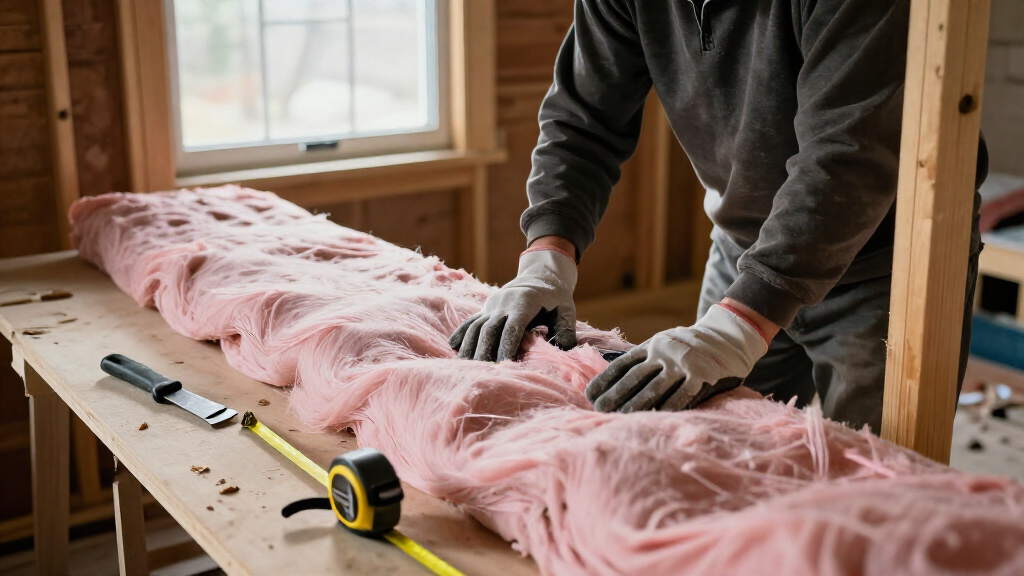

Choosing the right insulation for Zone 6a requires balancing thermal resistance with practical installation constraints. This climate demands materials that can handle significant temperature swings while preventing moisture buildup, which is where my top picks stand out. The BEEST FullStop Spray Foam Insulation Kit offers superior air sealing and a high R-value per inch, making it ideal for complex gaps and retrofit projects. For those preferring traditional batts, the Owens Corning R-19 Faced Fiberglass Batt Insulation provides reliable performance and moisture control for standard 2×6 framing. Meanwhile, the Owens Corning R-13 Pink Kraft Faced Fiberglass Insulation Roll remains a solid choice for smaller, 2×4 framed areas where space is at a premium. The main tradeoff here is between the comprehensive air sealing of spray foam and the cost-effectiveness and ease of handling of fiberglass batts. I have evaluated these options based on their ability to maintain comfort in Zone 6a conditions, their moisture management capabilities, and their suitability for DIY versus professional application.

Get business pricing on tools and workshop supplies
- Business-only prices and quantity discounts
- Tax-exempt purchasing
- Multiple users, one account, clear invoices
Complete the kit


Key Takeaways
- Spray foam provides higher R-value per inch and superior air sealing compared to fiberglass, critical for Zone 6a energy efficiency.
- Fiberglass batts with kraft facing act as vapor retarders, which must be installed correctly to avoid trapping moisture in cold climates.
- Zone 6a homes typically require R-19 to R-21 in walls and higher in attics, making the R-value a primary differentiator between products.
- DIY spray foam kits require strict safety gear and ventilation, whereas fiberglass requires protective clothing to prevent skin and lung irritation.
- Moisture management differs significantly: spray foam is impermeable, while unfaced fiberglass requires separate vapor barriers in humid or cold conditions.
| BEEST FullStop Spray Foam Insulation Kit |  | Best Overall for Air Sealing and High R-Value | Brand: BEEST | R-Value: 8.24 at 2 inches | Coverage: 240 sq ft | VIEW LATEST PRICE | See Our Full Breakdown |
| Owens Corning R-19 Faced Fiberglass Batt Insulation |  | Best Value for Standard Wall Framing | Brand: Owens Corning | R-Value: R-19 | Thickness: 6.25 inches | VIEW LATEST PRICE | See Our Full Breakdown |
| Owens Corning R-21 Faced Fiberglass Batt Insulation |  | Best Premium Fiberglass for Maximum Thermal Resistance | Brand: Owens Corning | R-Value: R-21 | Thickness: 5.5 inches | VIEW LATEST PRICE | See Our Full Breakdown |
| Owens Corning R-19 Unfaced Fiberglass Insulation |  | Best for Flexible Moisture Management | Brand: Owens Corning | R-Value: R-19 | Thickness: 6.5 inches | VIEW LATEST PRICE | See Our Full Breakdown |
| Owens Corning R-13 Pink Kraft Faced Fiberglass Insulation Roll |  | Best for Compact 2×4 Spaces | Brand: Owens Corning | R-Value: R-13 | Thickness: 3.5 inches | VIEW LATEST PRICE | See Our Full Breakdown |
| insulation for zone 6a home | Brand | R-Value | Coverage | Thickness |
|---|---|---|---|---|
| BEEST FullStop Spray Foam Insu | BEEST | 8.24 at 2 inches | 240 sq ft | — |
| Owens Corning R-19 Faced Fiber | Owens Corning | R-19 | 1280 sq ft | 6.25 inches |
| Owens Corning R-21 Faced Fiber | Owens Corning | R-21 | 775 sq ft | 5.5 inches |
| Owens Corning R-19 Unfaced Fib | Owens Corning | R-19 | 77.5 sq ft | 6.5 inches |
| Owens Corning R-13 Pink Kraft | Owens Corning | R-13 | — | 3.5 inches |
More Details on Our Top Picks
BEEST FullStop Spray Foam Insulation Kit
This kit stands out because it addresses the primary weakness of fiberglass: air leakage. In Zone 6a, where cold winds can easily penetrate small gaps, the BEEST FullStop Spray Foam Insulation Kit expands to fill irregular spaces, creating a continuous thermal barrier. With an R-value of 8.24 at 2 inches, it outperforms traditional fiberglass batts in terms of thickness-to-insulation ratio. This is particularly useful for rim joists, window frames, and other areas where batts are difficult to fit tightly. The all-in-one nature of the kit, including a professional-grade gun and safety gear, makes it accessible for homeowners who want to tackle specific problem areas without hiring a contractor. However, unlike the Owens Corning options, this product is not suited for large, open wall cavities due to the effort required for application and the risk of uneven expansion. It is a precision tool rather than a bulk fill material.
Pros:- Class A fire rating meets strict safety standards
- High R-value provides excellent thermal insulation per inch
- All-in-one kit includes everything needed for DIY installation
- Low water absorption and strong adhesion to multiple surfaces
Cons:- Heavy overall package weight can be difficult to handle
- Overkill for standard, open wall cavities
- Higher cost per square foot compared to fiberglass
Best for: DIY homeowners looking to seal air leaks in rim joists, window frames, and irregular spaces.
Not ideal for: Insulating large, open wall cavities or attics where coverage area is the priority.
- Brand:BEEST
- R-Value:8.24 at 2 inches
- Coverage:240 sq ft
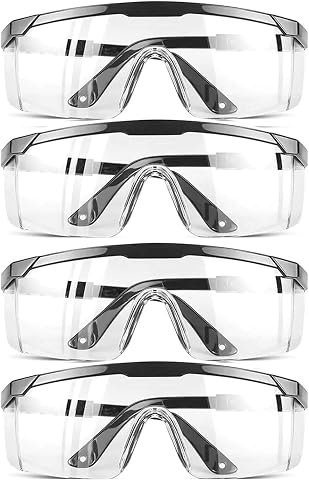
- Included Components:Foam gun, cleaner, gloves, goggles, coverall
Our verdict“The BEEST FullStop is the best choice for targeted air sealing and high-performance insulation in hard-to-reach areas.”
Owens Corning R-19 Faced Fiberglass Batt Insulation
For most Zone 6a homeowners renovating or building with standard 2×6 framing, the Owens Corning R-19 Faced Fiberglass Batt Insulation offers the best balance of cost and performance. The R-19 rating meets the minimum code requirements for walls in this climate zone, ensuring adequate thermal resistance. The included kraft facing serves as a vapor retarder, which is critical in Zone 6a to prevent warm, moist indoor air from condensing inside the wall cavity during winter. Compared to the R-21 option, this product is slightly thinner and easier to handle, making it a practical choice for DIYers. However, it lacks the air-sealing capabilities of the BEEST spray foam, meaning it must be paired with proper air sealing practices to achieve maximum efficiency. It is a straightforward, reliable solution for large wall areas.
Pros:- Effective thermal insulation with R-19 rating
- Moisture barrier suitable for exterior walls and floors
- Easy to install in 2×6 construction
- Large coverage area per package
Cons:- Limited to specific dimensions (23 x 48 inches)
- No inherent air sealing properties
- Requires precise fitting to avoid gaps
Best for: Homeowners installing insulation in standard 2×6 wall cavities who need a cost-effective, reliable solution.
Not ideal for: Retrofit projects with irregular framing or areas requiring high air sealing.
- Brand:Owens Corning
- R-Value:R-19
- Thickness:6.25 inches
- Coverage:1280 sq ft
- Material:Fiberglass
- Facing:Kraft Paper
Our verdict“This is the go-to choice for filling standard wall cavities in Zone 6a homes with reliable, code-compliant insulation.”
Owens Corning R-21 Faced Fiberglass Batt Insulation
If you are building new construction or doing a major renovation in Zone 6a, the Owens Corning R-21 Faced Fiberglass Batt Insulation provides an extra layer of thermal protection beyond the standard R-19. This R-21 rating is often recommended for walls in colder parts of Zone 6a to improve energy efficiency. The kraft facing continues to provide necessary vapor control, while the increased density of the fiberglass offers better sound dampening compared to the R-19 option. The tradeoff is the bulkier size, which can make installation in tight spaces more challenging than the thinner R-19 or the flexible spray foam. It is a premium choice for those who want to maximize the thermal envelope of their home using traditional materials.
Pros:- High R-Value of R-21 for effective insulation
- Kraft facing with moisture barrier suitable for various applications
- Better sound dampening than R-19 options
- Meets higher energy efficiency standards
Cons:- Bulkier size may be difficult to handle for some users
- Limited to 2×6 framing
- Higher material cost than R-19
Best for: New construction projects or renovations where higher R-value is prioritized for energy savings.
Not ideal for: Tight retrofits or projects where handling bulky batts is impractical.
- Brand:Owens Corning
- R-Value:R-21
- Thickness:5.5 inches
- Coverage:775 sq ft
- Material:Fiberglass
- Facing:Kraft Paper
Our verdict“This option is ideal for those seeking the highest thermal performance from fiberglass batts in 2×6 walls.”
Owens Corning R-19 Unfaced Fiberglass Insulation
The Owens Corning R-19 Unfaced Fiberglass Insulation is designed for situations where you need to add a separate vapor barrier or where the existing wall assembly already manages moisture. In Zone 6a, this flexibility is valuable for double-stud walls or when using spray foam as an air barrier on the exterior side. Unlike the faced options, this unfaced design allows moisture to dry in both directions, which can be beneficial in specific assembly types. It provides the same R-19 thermal performance as its faced counterpart but requires additional materials for vapor control. This makes it a specialized choice for advanced DIYers or builders who understand the nuances of vapor diffusion in cold climates.
Pros:- Easy to cut and install in framing
- Provides effective thermal and sound insulation
- Unfaced design allows for flexible moisture control
- Resists moisture absorption
Cons:- No vapor barrier included, requires additional moisture management
- Bulkier size may require careful handling
- More complex installation for beginners
Best for: Builders using double-stud walls or those who want to apply a separate vapor retarder.
Not ideal for: Standard single-stud walls where a built-in vapor barrier is preferred for simplicity.
- Brand:Owens Corning
- R-Value:R-19
- Thickness:6.5 inches
- Coverage:77.5 sq ft
- Material:Fiberglass
- Facing:Unfaced
Our verdict“This is the best choice for advanced projects requiring specific vapor diffusion properties.”
Owens Corning R-13 Pink Kraft Faced Fiberglass Insulation Roll
While Zone 6a often calls for higher R-values, the Owens Corning R-13 Pink Kraft Faced Fiberglass Insulation Roll remains relevant for smaller spaces like interior partitions, closets, or older homes with 2×4 framing. The R-13 rating is lower than the other options, but it fits perfectly into narrower cavities where R-19 or R-21 batts would be compressed and lose effectiveness. The kraft facing provides basic vapor control, and the roll format makes it easy to cut to size for non-standard areas. It is a niche product in this lineup, best used for supplemental insulation or in areas where thermal demands are slightly lower than the main exterior walls.
Pros:- Easy to install in 2×4 walls
- Formaldehyde-free and soft to touch
- Roll format allows for flexible cutting
- Cost-effective for small projects
Cons:- Lower R-value compared to other options
- Limited to specific wall sizes (2×4)
- May require multiple rolls for larger projects
Best for: Insulating 2×4 walls, interior partitions, or tight spaces where larger batts won’t fit.
Not ideal for: Exterior walls in Zone 6a where higher R-values are required for energy efficiency.
- Brand:Owens Corning
- R-Value:R-13
- Thickness:3.5 inches
- Dimensions:15 inches x 32 feet
- Material:Fiberglass
- Facing:Kraft Paper
Our verdict“This is a practical solution for smaller, 2×4 framed areas that do not require the high thermal resistance of R-19 or R-21.”

How We Picked
I selected these products by focusing on materials that meet the specific thermal demands of Climate Zone 6a, where heating degree days are high and moisture control is paramount. I prioritized products with verified R-values that align with or exceed standard code requirements for this zone. I also evaluated the practicality of installation, considering whether the product is suitable for DIY homeowners or requires professional equipment. Coverage area, material safety (such as formaldehyde-free claims), and moisture resistance were key criteria. I compared how each option handles air leakage, as uncontrolled air movement can negate the benefits of high R-values. Finally, I looked at packaging and handling, as bulky insulation can be difficult to maneuver in tight spaces.
| insulation for zone 6a home | Brand | Facing |
|---|---|---|
| BEEST FullStop Spray Foam Insu | BEEST | — |
| Owens Corning R-19 Faced Fiber | Owens Corning | Kraft Paper |
| Owens Corning R-21 Faced Fiber | Owens Corning | Kraft Paper |
| Owens Corning R-19 Unfaced Fib | Owens Corning | Unfaced |
| Owens Corning R-13 Pink Kraft | Owens Corning | Kraft Paper |
Factors to Consider When Choosing Best Insulation For Zone 6a Homes
Understanding the specific needs of a Zone 6a home is the first step in selecting the right insulation. This climate zone experiences cold winters and moderate summers, requiring materials that provide robust thermal resistance and effective moisture control. I have outlined the key factors to consider when making your decision.
Understanding R-Value Requirements in Zone 6a
The R-value measures thermal resistance, and in Zone 6a, code typically requires R-13 to R-21 for walls and R-49 to R-60 for attics. Higher R-values reduce heating costs and improve comfort. When choosing between products like the Owens Corning R-19 and R-21 batts, consider that R-21 offers better performance but may require deeper framing. For attics, spray foam or blown-in insulation might be more effective than batts due to the irregular shapes of trusses and joists.
The Importance of Air Sealing
Insulation alone does not stop air leaks. In Zone 6a, uncontrolled air movement can significantly reduce the effectiveness of your insulation. Spray foam, like the BEEST FullStop, acts as an air barrier, filling gaps and cracks that batts leave open. If you choose fiberglass, you must pair it with rigorous air sealing using caulk, spray foam, or house wraps. This combination is often more effective than relying on insulation alone.
Moisture Control and Vapor Barriers
Cold climates pose a risk of condensation within wall cavities. Kraft-faced fiberglass acts as a vapor retarder, slowing the movement of moist air into the walls. However, it is not a perfect vapor barrier. In some cases, such as double-stud walls or those with exterior spray foam, unfaced fiberglass is preferred to allow the wall to dry. Understanding your wall assembly is critical to preventing mold and rot.
DIY Installation vs. Professional Application
Consider your skill level and tools. Fiberglass batts are generally easier for DIYers to install, though they require protective gear to avoid skin and lung irritation. Spray foam kits offer superior performance but require careful handling, ventilation, and precise application to avoid mess and uneven coverage. For large areas or complex projects, hiring a professional may be worth the investment to ensure proper installation and safety.
Frequently Asked Questions
Is R-13 sufficient for Zone 6a exterior walls?
Generally, R-13 is considered the minimum for Zone 6a exterior walls, but it is often on the lower end of the recommended spectrum. Many energy codes and best practices now recommend R-19 or R-21 for improved thermal performance and energy savings. While R-13 fits standard 2×4 framing, upgrading to 2×6 framing with R-19 or R-21 insulation is a better long-term investment for comfort and efficiency in this climate zone.
Can I use spray foam instead of fiberglass batts?
Yes, spray foam can replace fiberglass batts and often provides better performance due to its air-sealing properties. However, it is more expensive and difficult to install. Closed-cell spray foam has a higher R-value per inch and acts as a vapor barrier, while open-cell foam is less expensive but requires a separate vapor retarder in cold climates. For most DIYers, using spray foam for air sealing and fiberglass for cavity filling is a cost-effective hybrid approach.
Do I need a vapor barrier with fiberglass insulation?
In Zone 6a, controlling moisture is essential to prevent condensation in wall cavities. Kraft-faced fiberglass includes a built-in vapor retarder, which is usually sufficient for standard wall assemblies. If you use unfaced fiberglass, you may need to install a separate vapor barrier on the warm-in-winter side of the insulation. The specific requirement depends on your wall assembly and local building codes.
Which insulation is better for soundproofing?
Dense fiberglass batts, particularly R-21 options, are excellent for sound absorption and are often used in interior partitions. Spray foam can also reduce noise transmission by sealing air leaks, but it is less effective at absorbing sound waves compared to dense fiberglass. For rooms where noise control is a priority, such as home theaters or bedrooms, high-density fiberglass is typically the better choice.
Is formaldehyde-free insulation important?
Yes, choosing formaldehyde-free fiberglass, like the Owens Corning products listed, is important for indoor air quality. Older fiberglass products used formaldehyde-based binders, which could off-gas and cause respiratory irritation. Modern products use eco-friendly binders that do not emit harmful chemicals, making them safer for both installers and occupants.
Conclusion
Choosing the best insulation for your Zone 6a home depends on your specific project needs and budget. For those seeking maximum air sealing and high performance in hard-to-reach areas, the BEEST FullStop Spray Foam Insulation Kit is the superior choice. If you are working with standard 2×6 framing and want a reliable, cost-effective solution, the Owens Corning R-19 Faced Fiberglass Batt Insulation offers the best balance of price and performance. For new construction where energy efficiency is paramount, the Owens Corning R-21 Faced Fiberglass Batt Insulation provides the highest thermal resistance in this lineup. Advanced builders looking to customize their moisture management strategy should consider the Owens Corning R-19 Unfaced Fiberglass Insulation. Finally, for smaller, 2×4 framed spaces or interior partitions, the Owens Corning R-13 Pink Kraft Faced Fiberglass Insulation Roll remains a practical and efficient option.
Halloween Picks

Thuodo 8 FT Tall Halloween Inflatable Three-Headed Dragon with LEDs

10-Foot Halloween Inflatable Double-Headed Dragon Archway

HOPOCO Halloween Pumpkin Fog Machine with 12 LED Colors & Remote Control
As an affiliate, we earn on qualifying purchases.