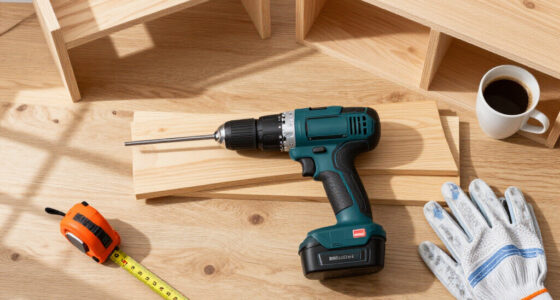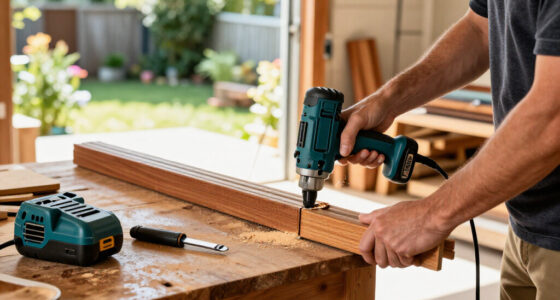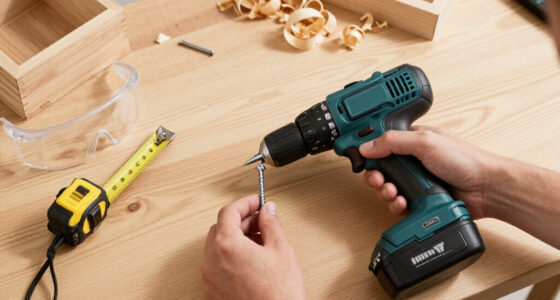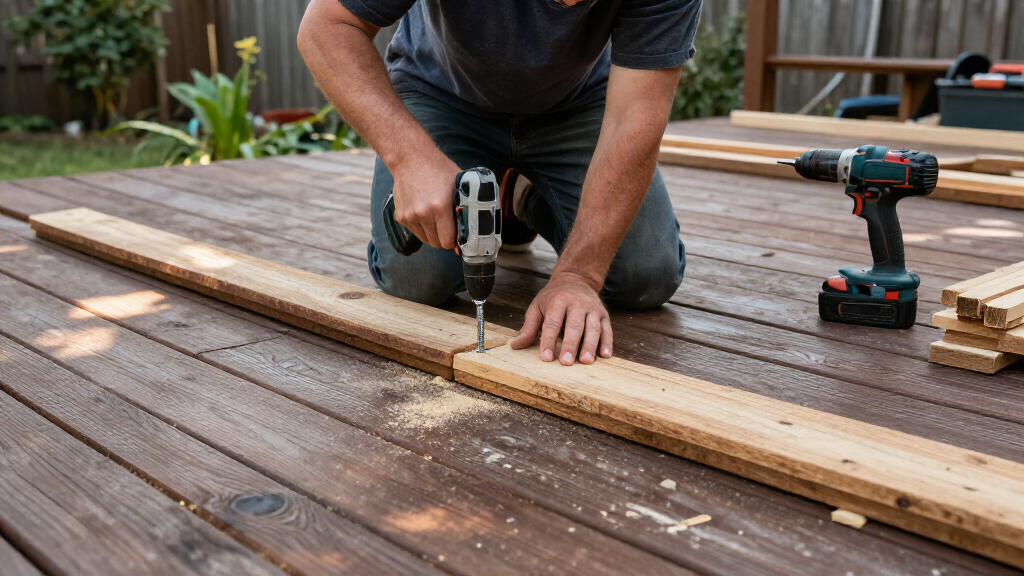

For decking, I’d put the DEWALT DCF845B first for its three-speed control, which helps match driving force to long deck screws and more delicate finish work. The Milwaukee 2953-20 is a strong alternative for buyers who want a full-size 18V-class tool, while the compact DEWALT DCF850B suits tight framing and joist spaces. The main tradeoffs are control versus maximum speed, compact size versus sustained work, and buying a bare tool versus a kit with batteries and a charger. This roundup compares all 15 options by their fit for decking, not by headline specs alone. Read on for the full breakdown and guidance on choosing a driver that matches your deck project and existing battery platform.

Get business pricing on tools and workshop supplies
- Business-only prices and quantity discounts
- Tax-exempt purchasing
- Multiple users, one account, clear invoices
Complete the kit

Key Takeaways
- Speed control separates the leading decking picks: the DEWALT DCF845B offers three speeds, giving more scope to adjust drive behavior than a single-speed option.
- Compact tools have a clear use case: the DEWALT DCF850B and Milwaukee M12 FUEL 3453-20 are easier to place in tight joist or railing spaces, but their smaller form factor is not every buyer’s priority for a large deck.
- Battery-platform fit can outweigh a small spec difference: DEWALT and Milwaukee bare tools make more sense when you already own compatible batteries; kit versions are easier starting points for new users.
- Combo kits solve a different problem: the DEWALT DCK240C2 and CRAFTSMAN V20 drill-and-driver kit suit buyers who also need drilling capability, not just repetitive screw driving.
- Low-cost and lesser-known kits require closer scrutiny: GoYwato, AVID POWER, and Zybaiiru may appeal on included features or stated torque, but buyers should weigh battery support, warranty, and long-term platform options alongside headline claims.


| cordless impact drivers for decking | Voltage | Maximum torque | Chuck size | Maximum speed |
|---|---|---|---|---|
| GoYwato 21V Brushless Cordless | 21 V | 2,655 in-lb (300 N·m) | 1/4 in | — |
| DEWALT 20V MAX 1/4-Inch Impact | 20 V | 1,500 in-lb | 1/4 in | — |
| Milwaukee 3453-20 M12 FUEL 1/4 | 12 V | 1,500 in-lb | 1/4 in | 3,600 rpm |
| BLACK+DECKER 20V MAX POWERCONN | 20 V maximum (18 V nominal) | 1,375 in-lb | 1/4 in hex | 3,000 rpm |
| DEWALT DCF850B 20V Brushless C | 20 V | 1,825 in-lb | 1/4 in | 3,250 rpm |
| DEWALT 20V MAX XR 1/4-Inch Cor | 20 volts | 2,500 in-lbs. | 1/4 inch | 3,800 rpm |
| AVID POWER 20V Cordless Brushl | 20 volts | 2,220 in-lbs. | 1/4 inch | 2,600 RPM |
| DEWALT 20V MAX XR 3-Speed Brus | 20 volts | 1,825 in-lbs. | 0.5 inch (as listed) | 3,400 RPM |
| Milwaukee 2953-20 18V Cordless | 18 volts | 2,000 in-lbs. | 1/4 inch | 3,900 rpm |
| GoYwato 21V Brushless Cordless | 21 volts | 2,655 in-lbs. (300 N·m) | 1/4-inch hex | 1,400 rpm |
| DEWALT 20V MAX Cordless Drill | 20 volts | — | — | — |
| Zybaiiru 20V Brushless Cordles | 20V | 2,655 in-lbs | 1/4 inch | 2,700 RPM |
| DEWALT ATOMIC 20V MAX Brushles | 20 volts | 1,825 in-lbs | — | 3,250 rpm |
| CRAFTSMAN V20 Cordless 1/4-Inc | 20V | 1,800 in-lbs | — | 2,900 RPM (no-load) |
| CRAFTSMAN V20 Cordless Drill a | 20 volts | — | — | — |
More Details on Our Top Picks
GoYwato 21V Brushless Cordless Impact Driver Set, 1/4-Inch, Red
The GoYwato makes the most sense for deck builders who want two batteries and a broad accessory bundle in one kit. Its stated 2,655 in-lb of torque is the highest listed among these five, giving it ample stated capacity for driving decking fasteners, while the included 4.0Ah batteries reduce interruptions for charging. Compared with the DEWALT DCF787D1, it supplies twice the number of batteries and higher stated torque, but the DEWALT lists a much faster 2,800 rpm versus this model’s 1,400 rpm.
The tradeoff is limited control: the specs list one speed, despite also mentioning adjustable modes, so buyers should check how those modes operate before relying on them for delicate finishing. At 3.62 lb, it is also heavier than the compact Milwaukee 3453-20 bare tool. I’d choose it for extended work where the bundled batteries matter more than fine speed selection.
Pros:- Two included 4.0Ah batteries support longer work between charges
- Stated 2,655 in-lb torque is the highest among these five listed models
- Includes charger, sockets, screwdriver bits, and carrying case
- Reverse stop feature can help keep fasteners from spinning free during removal
Cons:- Only one speed is listed, limiting clear control over different decking fasteners
- Listed maximum speed of 1,400 rpm is lower than the DEWALT DCF787D1 and Milwaukee 3453-20
- At 3.62 lb, it weighs more than the compact Milwaukee 3453-20 bare tool
Best for: DIY deck builders who want two included batteries, bits, and sockets for a multi-day fastening project.
Not ideal for: Buyers who need several clearly specified speed settings or a lighter driver for frequent overhead fastening.
- Voltage:21 V
- Motor:Brushless
- Maximum torque:2,655 in-lb (300 N·m)
- Maximum rotational speed:1,400 rpm
- Number of speeds:1 listed
- Chuck size:1/4 in
- Batteries included:2 × 4.0Ah
- Weight:3.62 lb (1.64 kg)
Our verdict“Choose the GoYwato if you value its two large batteries and bundled accessories more than multiple speed settings or a lighter tool.”
DEWALT 20V MAX 1/4-Inch Impact Driver Kit with Battery and Charger (DCF787D1)
The DCF787D1 is a sensible choice for decking work when you want a brushless driver with battery and charger included rather than a bare tool. Its 2,800 rpm rating is twice the GoYwato’s listed 1,400 rpm, which can help keep routine fastening moving, and its compact design is useful around joists or near a house wall. The LED stays on for 20 seconds after trigger release, giving you a little extra visibility when lining up the next screw.
Its main limitation is the included 2Ah battery: it is a smaller capacity than the GoYwato’s two 4.0Ah packs, so longer decking sessions may call for another battery. The 1,500 in-lb torque rating is also below the GoYwato and DEWALT DCF850B. I’d favor this kit for buyers entering the DEWALT 20V MAX system, but not for those prioritizing maximum stated torque or battery capacity.
Pros:- Includes a 20V MAX battery, charger, and belt hook
- Brushless motor paired with a compact design for work around joists and edges
- Listed 2,800 rpm exceeds the GoYwato’s listed 1,400 rpm
- LED remains on for 20 seconds after trigger release
Cons:- Included battery capacity is 2Ah, below the GoYwato’s 4.0Ah batteries
- Maximum torque of 1,500 in-lb is lower than the GoYwato and DEWALT DCF850B
- At 4.4 lb, it is heavier than the listed Milwaukee 3453-20 bare tool
Best for: Decking DIYers who want a ready-to-use brushless DEWALT driver and already plan to build around the 20V MAX battery platform.
Not ideal for: Buyers fastening across a large deck who want a larger battery in the box or higher stated torque.
- Voltage:20 V
- Motor:Brushless
- Maximum torque:1,500 in-lb
- Maximum rotational speed:2,800 rpm
- Chuck size:1/4 in
- Battery capacity:2Ah
- Weight:4.4 lb
- Included components:Battery, charger, belt hook
Our verdict“Pick the DCF787D1 for a complete, compact DEWALT kit, but look elsewhere if long runtime or higher torque is your priority.”
Milwaukee 3453-20 M12 FUEL 1/4-Inch Cordless Hex Impact Driver (Bare Tool)
For decking details where access matters more than a large battery platform, the Milwaukee 3453-20 stands out for its 5-inch length and 1.6 lb listed weight. Its compact body can be easier to maneuver between framing members than the heavier DEWALT DCF787D1, while four drive modes—including a self-tapping screw mode—give it more adjustment options than the GoYwato, which lists one speed. Three LEDs also help light the work area when a deck board or joist blocks ambient light.
This is still a bare tool, and its 12V system may not suit buyers who want to share batteries with larger 18V or 20V tools. Its stated 1,500 in-lb torque matches the DEWALT DCF787D1, but is below the GoYwato’s listed figure. I’d choose it for a compact, mode-rich driver, provided you already have compatible batteries and charger.
Pros:- 5-inch length and 1.6 lb listed weight suit tight framing and prolonged handling
- Four drive modes include a self-tapping screw mode
- Three LEDs illuminate the immediate work area
- Brushless motor with stated 1,500 in-lb torque
Cons:- Battery and charger are not included
- 12V platform may not match a buyer’s existing 18V or 20V tools
- Stated torque is below the GoYwato’s 2,655 in-lb
Best for: Milwaukee M12 owners fastening deck boards and trim in tight spots who value a short, lightweight tool and adjustable drive modes.
Not ideal for: First-time cordless-tool buyers who need a battery and charger, or deck builders who prefer a higher-voltage platform and larger stated torque.
- Voltage:12 V
- Motor:Brushless
- Maximum torque:1,500 in-lb
- Maximum speed:3,600 rpm
- Drive modes:4
- Chuck size:1/4 in
- Length:5 in
- Weight:1.6 lb
- Battery and charger:Not included
Our verdict“Choose this Milwaukee for compact access and drive-mode control if you already own M12 batteries; otherwise, a complete kit is easier to start with.”
BLACK+DECKER 20V MAX POWERCONNECT Cordless Impact Driver Kit (BDCI20C)
The BDCI20C is the straightforward pick for a homeowner who needs a complete kit for occasional deck repairs. It includes a battery, charger, and screwdriving bit, so there is no bare-tool purchase to finish before work can begin. Its quick-release 1/4-inch hex chuck makes bit changes simple, and the POWERCONNECT battery can also serve compatible tools. The listed 3,000 rpm is higher than the GoYwato’s 1,400 rpm, though its 1,375 in-lb torque is lower than every other model here except none; it falls short of the DEWALT DCF787D1’s 1,500 in-lb.
The tradeoff is a single-speed design and 1.5Ah battery, which leave less flexibility and capacity for a long run of deck screws than the GoYwato kit. I’d pick it for light or intermittent fastening, not as my first choice for a large deck project or buyers seeking brushless motor specifications.
Pros:- Includes battery, charger, and a screwdriving bit
- POWERCONNECT battery is compatible with other tools in that system
- Quick-release 1/4-inch hex chuck supports fast bit changes
- Listed 3,000 rpm is higher than the GoYwato’s listed 1,400 rpm
Cons:- 1.5Ah battery capacity is smaller than the 2Ah DEWALT DCF787D1 battery and GoYwato’s 4.0Ah packs
- Single-speed design offers less control than the Milwaukee 3453-20’s four modes
- Stated 1,375 in-lb torque is below the DEWALT DCF787D1’s 1,500 in-lb
Best for: Homeowners handling a small deck repair or occasional board replacement who want the battery and charger included.
Not ideal for: DIYers building or resurfacing a large deck who need more battery capacity, multiple speed settings, or higher stated torque.
- Voltage:20 V maximum (18 V nominal)
- Battery type:Lithium-ion
- Battery capacity:1.5Ah
- Maximum torque:1,375 in-lb
- Maximum speed:3,000 rpm
- Impact rate:3,900 ipm
- Chuck size:1/4 in hex
- Included components:Impact driver, battery, charger, screwdriving bit
Our verdict“Choose the BDCI20C for occasional deck fixes with a complete kit, but step up to a higher-capacity, more adjustable driver for a full decking project.”
DEWALT DCF850B 20V Brushless Compact 1/4-Inch Impact Driver (Tool Only)
The DCF850B is the strongest fit here for buyers who want speed choices in a compact brushless tool. Its three-speed trigger gives more control than the single-speed BLACK+DECKER BDCI20C, which can help when moving between structural fastening and more delicate deck trim. The listed 1,825 in-lb torque is higher than the DEWALT DCF787D1’s 1,500 in-lb, and its three-LED work light brings illumination close to the fastener. At 2.1 lb, it is also listed much lighter than the DCF787D1.
The main catch is that this listing is a tool-only purchase; the battery and charger are not specified as included. Buyers without compatible DEWALT 20V batteries will need to account for that before choosing it. It also does not match the GoYwato’s higher stated torque, though the DEWALT’s three-speed control may be more useful for varying decking tasks. This is my pick for an existing DEWALT owner seeking a compact, adjustable driver.
Pros:- Three-speed variable trigger offers more control than the BLACK+DECKER BDCI20C’s single-speed design
- Brushless motor with stated 1,825 in-lb torque
- Listed 2.1 lb weight is lower than the DEWALT DCF787D1’s 4.4 lb
- Integrated three-LED work light illuminates the fastening area
Cons:- Tool-only listing; battery and charger are not specified as included
- Listed maximum torque is below the GoYwato’s 2,655 in-lb
- Three-speed trigger may be unnecessary for buyers who only need occasional, straightforward fastening
Best for: DEWALT 20V owners who want a compact brushless driver with speed control for deck framing, board fastening, and trim work.
Not ideal for: Buyers starting without DEWALT batteries and charger, or those who prefer a complete kit with batteries included.
- Voltage:20 V
- Motor:Brushless
- Maximum torque:1,825 in-lb
- Maximum speed:3,250 rpm
- Number of speeds:3
- Chuck size:1/4 in
- Weight:2.1 lb
- Included components:Belt clip, impact driver
- Battery and charger:Not specified as included
Our verdict“Pick the DCF850B if you already own DEWALT 20V batteries and want a compact driver with more speed control for varied decking work.”
DEWALT 20V MAX XR 1/4-Inch Cordless Impact Driver, Bare Tool (DCF860B)
For driving long structural screws or fastening dense decking, the DCF860B’s 2,500 in-lbs. of torque gives it more headroom than the DEWALT DCF845B, whose listed torque is 1,825 in-lbs. Three speed settings and a variable-speed trigger help me match the tool’s response to the fastener, which is useful when a board needs firm seating without burying the screw head. Its nine built-in LEDs also provide broad work-area lighting for shaded edges or late-day repairs. The tradeoff is that this is a bare tool: I need a compatible 20V MAX battery and charger already on hand, or I must source them separately. It is the stronger choice for demanding deck fastening, but likely more driver than occasional light repairs require.
Pros:- 2,500 in-lbs. of listed torque provides capacity for demanding decking fasteners.
- Three speed settings and a variable-speed trigger offer control across different screw sizes and materials.
- Nine built-in LEDs illuminate the work area.
- Brushless motor and 20V MAX platform suit repeated job-site use.
Cons:- Battery and charger are sold separately.
- Its high torque can be excessive for delicate trim or small fasteners without careful trigger control.
Best for: Deck builders and experienced DIYers who already own DEWALT 20V MAX batteries and regularly drive long or large screws.
Not ideal for: First-time cordless-tool buyers who need a complete kit, or homeowners who mostly drive small screws and do not need its high torque.
- Voltage:20 volts
- Motor:Brushless
- Maximum torque:2,500 in-lbs.
- Maximum speed:3,800 rpm
- Speed settings:3
- Chuck size:1/4 inch
- Weight:2.7 pounds
- Lighting:9 built-in LEDs
Our verdict“Choose the DCF860B if you need strong torque for demanding deck screws and already have DEWALT 20V MAX batteries.”
AVID POWER 20V Cordless Brushless Impact Driver Kit 1/4″ 2220 in-lbs
The AVID POWER kit is a practical entry point for decking because it includes a battery, charger, bits, and sockets, unlike the bare-tool DEWALT DCF860B. Its listed 2,220 in-lbs. of torque is ample for many common deck screws, while the two-speed control and brake stop give me ways to moderate driving and reduce the chance of stripping a fastener. At 2.16 pounds, it is also the lightest option in this group by its listed weight, a plus when fastening rows of boards overhead or from awkward positions. The compromises are its plastic construction and a top listed speed of 2,600 RPM, below the Milwaukee 2953-20’s 3,900 rpm. It suits routine home decking better than heavy, continuous job-site use.
Pros:- Includes battery, charger, four bits, and four sockets.
- Brushless motor with 2,220 in-lbs. of listed torque handles many decking screws.
- Listed weight of 2.16 pounds can help reduce fatigue during extended fastening.
- Two speeds, brake stop, and LED light support controlled work.
Cons:- Plastic construction may be less suited to rough job-site handling than the Milwaukee 2953-20’s metal construction.
- Maximum listed speed of 2,600 RPM is lower than the Milwaukee 2953-20 and DEWALT DCF860B.
- No carrying case is included.
Best for: Homeowners building or repairing a deck who want a ready-to-use kit and a lighter tool for repeated screw driving.
Not ideal for: Contractors seeking a metal-bodied tool for frequent job-site use, or users who prioritize the highest listed speed.
- Voltage:20 volts
- Motor:Brushless
- Maximum torque:2,220 in-lbs.
- Maximum speed:2,600 RPM
- Speed settings:2
- Chuck size:1/4 inch
- Listed weight:2.16 pounds
- Included:Battery, charger, 4 bits, and 4 sockets
Our verdict“Pick this kit for regular home decking when included batteries and a light body matter more than premium construction or maximum speed.”
DEWALT 20V MAX XR 3-Speed Brushless Impact Driver, Tool Only (DCF845B)
The DCF845B makes sense when I want several ways to control a driver rather than the highest torque in this lineup. Its three speed settings and variable-speed trigger help tailor driving to different screws, while the listed 1,825 in-lbs. is below the DEWALT DCF860B’s 2,500 in-lbs. That difference favors the DCF860B for especially demanding fasteners; the DCF845B is a more measured pick for mixed deck work where avoiding overdriving matters. The compact 5.1-inch dimensions and integrated three-LED light are useful around joists and shaded board edges. It is also compatible with DEWALT 20V MAX batteries, but the battery and charger are not included. I would skip it if I needed a complete kit or wanted the strongest listed output for heavy structural screws.
Pros:- Three speed settings and a variable-speed trigger help control screw driving.
- Compact 5.1-inch dimensions suit work around joists and tight deck framing.
- Integrated three-LED light improves visibility in shaded areas.
- Brushless motor and compatibility with DEWALT 20V MAX batteries.
Cons:- Listed torque of 1,825 in-lbs. is lower than the DEWALT DCF860B and AVID POWER driver.
- Battery and charger are sold separately.
- TOOL CONNECT chip is sold separately.
Best for: DEWALT 20V MAX owners who want a compact, multi-speed driver for a mix of decking screws and more delicate fastening.
Not ideal for: Buyers without DEWALT batteries, or deck builders who want more torque headroom for consistently large, long fasteners.
- Voltage:20 volts
- Motor:Brushless
- Maximum torque:1,825 in-lbs.
- Maximum speed:3,400 RPM
- Speed settings:3
- Chuck size:0.5 inch (as listed)
- Dimensions:5.1 × 3.38 × 8.07 inches
- Warranty:3-year limited warranty
Our verdict“Choose the DCF845B for compact, adjustable fastening on a DEWALT 20V MAX platform, not for maximum torque or a complete starter kit.”
Milwaukee 2953-20 18V Cordless 1/4-Inch Hex Impact Driver (Tool Only)
At a listed 4.47 inches long, the Milwaukee 2953-20 is the easiest choice here to favor when access around deck framing is tight. Its 2,000 in-lbs. of torque sits between the DEWALT DCF845B and DCF860B, so it offers useful capacity without claiming the lineup’s highest output. Four drive modes give me more ways to adapt to different fasteners, while Tri-LED lighting and single-handed bit insertion can speed repetitive work. Compared with the AVID POWER kit, this is a more compact, metal-bodied tool, but it arrives as a tool only, so batteries and a charger are separate. The listed weight also differs between the description and product information, which makes precise weight comparisons less certain. This is a strong fit for cramped framing, not the simplest all-in-one purchase.
Pros:- Compact 4.47-inch length helps reach between framing and around obstructions.
- Four drive modes offer flexibility for different fastening tasks.
- Tri-LED lights illuminate the work area.
- Single-handed bit insertion and metal belt clip support repetitive site work.
Cons:- Battery and charger are not included.
- Listed weight differs between the description and product information.
- Its 2,000 in-lbs. of torque is lower than the DEWALT DCF860B and GoYwato driver’s listed figures.
Best for: Deck builders who frequently fasten in tight spaces and already own compatible Milwaukee batteries.
Not ideal for: Buyers needing a battery-and-charger kit, or anyone who wants a clearly specified weight before choosing a tool for long sessions.
- Voltage:18 volts
- Chuck size:1/4 inch
- Maximum torque:2,000 in-lbs.
- Maximum speed:3,900 rpm
- Drive modes:4
- Length:4.47 inches
- Weight:2.2 lbs. in description; 2.5 lbs. in product information
- Lighting:Tri-LED
Our verdict“Choose the Milwaukee 2953-20 when compact access and multiple drive modes matter more than a bundled battery or maximum torque.”
GoYwato 21V Brushless Cordless Impact Driver Kit
The GoYwato stands out for buyers who want a broad set of supplies in one package: it includes two 4.0Ah batteries, a charger, 14 sockets, 10 screwdriver bits, and a carrying case. Its listed 2,655 in-lbs. of torque is the highest figure in this group, although its maximum speed is listed at just 1,400 rpm—far below the Milwaukee 2953-20’s 3,900 rpm. That makes the GoYwato’s headline torque less useful as a simple measure of overall decking speed; it is better framed as an accessory-rich kit with substantial claimed torque. Two forward speeds and a reverse automatic stop add practical control, especially when removing screws. At 3.62 pounds, it is heavier than the AVID POWER, and the product information does not specify runtime, so I cannot judge how long a battery lasts between charges.
Pros:- Includes two 4.0Ah batteries and a charger.
- Comes with 14 sockets, 10 screwdriver bits, and a carrying case.
- Listed torque reaches 2,655 in-lbs., the highest figure among these five products.
- Reverse automatic stop can help control fasteners during removal.
Cons:- Maximum speed is listed as 1,400 rpm, well below the Milwaukee 2953-20 and DEWALT DCF860B.
- Listed weight of 3.62 pounds is heavier than the AVID POWER driver.
- Battery runtime is not specified in the product information.
Best for: DIY deck builders who want batteries, a charger, assorted bits and sockets, and a case included in one kit.
Not ideal for: Users who prioritize a lightweight driver, high listed RPM, or clear battery-runtime information for sustained professional work.
- Voltage:21 volts
- Motor:Brushless
- Maximum torque:2,655 in-lbs. (300 N·m)
- Maximum speed:1,400 rpm
- Speed settings:2
- Chuck size:1/4-inch hex
- Batteries included:2 × 4.0Ah
- Weight:3.62 pounds
- Included accessories:Charger, 14 sockets, 10 screwdriver bits, and carrying case
Our verdict“Pick the GoYwato if a large accessory bundle and two included batteries outweigh its higher listed weight and low maximum speed.”
DEWALT 20V MAX Cordless Drill and Impact Driver Combo Kit (DCK240C2)
For a decking project that needs both pilot holes and fastener driving, this two-tool DEWALT kit is a more useful starting point than the single-tool CRAFTSMAN V20 Impact Driver Kit. Its drill/driver handles drilling tasks while the impact driver supplies up to 1,400 in-lbs of torque for screws, and the two included batteries let you keep one tool ready while using the other. Compact bodies, LED lights, and the impact driver’s one-handed hex chuck are practical on joists and around railing connections. The tradeoff is limited battery capacity: the listed batteries are 1.3Ah, so frequent decking work may call for extra charging or a spare battery. Torque figures also vary across the product details, making this a less compelling pick for buyers prioritizing maximum driving force.
Pros:- Includes both a drill/driver and an impact driver for drilling and fastening tasks
- Two batteries, charger, and contractor bag are supplied
- Compact tools and integrated LEDs suit work around joists and in dim areas
- One-handed loading hex chuck makes bit changes quicker
Cons:- Listed battery capacity is only 1.3Ah, which can mean more charging during extended decking work
- Impact-driver torque figures differ across the product details
- The stated 1,400 in-lbs is lower than the CRAFTSMAN V20 combo’s 1,460 in-lbs
Best for: DIY deck builders who need one kit for pilot holes and fastening, and value compact tools and two included batteries.
Not ideal for: People driving a high volume of long deck screws who want larger-capacity batteries or the highest stated torque.
- Voltage:20 volts
- Battery type:Lithium-ion
- Batteries included:2
- Drill motor output:Up to 300 UWO
- Impact driver torque:Up to 1,400 in-lbs
- Maximum rotational speed:1,500 rpm
- Weight:3.6 pounds
- Warranty:3-year limited warranty
Our verdict“Choose this kit if you need a compact drill and impact driver together for a DIY deck build, but skip it if long runtimes matter more than having both tools.”
Zybaiiru 20V Brushless Cordless Impact Driver, 1/4-Inch, 2,655 in-lb, Bare Tool
The Zybaiiru’s headline is 2,655 in-lbs of stated torque, the highest figure among the five products here, making it the most force-focused choice for driving deck screws. Three speed ranges and a variable-speed trigger give more room to moderate output than the single-driver CRAFTSMAN kit’s listed controls, while the ring-shaped LED lights the bit area. Its brushless motor and 1/4-inch quick-change chuck suit repeated fastening, but buyers need compatible DeWalt 20V MAX batteries and a charger because this is a bare tool. That makes it a better fit for someone already invested in that battery platform than for a first-time deck builder buying a complete kit. The product data also describes slight bit wobble after installation as normal, a drawback for anyone expecting a particularly precise feel.
Pros:- Highest stated torque in this five-product group at 2,655 in-lbs
- Brushless motor is suited to repeated fastening work
- Three speed ranges and a variable-speed trigger allow output adjustment
- Ring-shaped LED and quick-change chuck support work and bit swaps
Cons:- Bare-tool package excludes both battery and charger
- Slight bit wobble after installation is described as normal
- The plastic construction may not suit buyers seeking a more substantial-feeling tool
Best for: Deck builders who already own compatible DeWalt 20V MAX batteries and want a high-torque driver with adjustable speed settings.
Not ideal for: First-time cordless-tool buyers or anyone without compatible batteries and a charger, since neither is included.
- Voltage:20V
- Motor:Brushless
- Maximum torque:2,655 in-lbs
- Maximum speed:2,700 RPM
- Speed settings:3
- Speed ranges:0–1,700 / 0–2,200 / 0–2,700 RPM
- Chuck size:1/4 inch
- Battery compatibility:DeWalt 20V MAX batteries; battery and charger not included
Our verdict“Pick the Zybaiiru for its high stated torque and speed control if you already have compatible DeWalt batteries; otherwise, a complete kit such as the CRAFTSMAN V20 is easier to put to work.”
DEWALT ATOMIC 20V MAX Brushless 1/4-Inch Impact Driver Kit with Battery and Charger (DCF850P1)
At less than 4 inches from front to back, the ATOMIC is the clear choice here for fastening between tight framing or close to a wall, where a longer driver can get in the way. It pairs that compact body with a brushless motor, three speed settings, and a 5.0Ah battery and charger, so it arrives ready for sustained work. Its stated 1,825 in-lbs of torque exceeds the DEWALT DCK240C2 combo’s 1,400 in-lbs, though it does not match the Zybaiiru’s much higher stated figure. Compared with those options, this kit focuses on access and a complete, larger-capacity battery setup rather than maximum torque or a second tool. The tradeoff is weight: the listed 5.2 pounds can feel tiring overhead or during long sessions on a deck.
Pros:- Less than 4 inches from front to back for access in tight spaces
- Brushless motor and three speed settings give controlled fastening options
- Includes a 5.0Ah battery, charger, belt hook, and contractor bag
- Stated 1,825 in-lbs of torque is higher than the DEWALT DCK240C2 combo’s figure
Cons:- Listed 5.2-pound weight may become tiring during extended or overhead work
- Costs the buyer a second tool if a drill/driver is also needed
- Its stated torque is below the Zybaiiru’s 2,655 in-lbs
Best for: Deck builders who often fasten in cramped framing or railing areas and want a compact driver with a 5.0Ah battery and charger included.
Not ideal for: Buyers who want a lighter tool for prolonged overhead work, or a combo kit that also includes a drill/driver.
- Voltage:20 volts
- Motor:Brushless
- Maximum torque:1,825 in-lbs
- Maximum speed:3,250 rpm
- Number of speeds:3
- Battery capacity:5 Ah
- Dimensions:11.8 x 3.12 x 9.44 inches
- Weight:5.2 pounds
Our verdict“Choose the ATOMIC kit when compact access and a larger included battery matter more than low weight or getting a drill and driver in one package.”
CRAFTSMAN V20 Cordless 1/4-Inch Impact Driver Kit
This CRAFTSMAN is the straightforward pick for someone who wants an impact driver and the basics to start fastening without adding a separate battery purchase. The kit includes a 2Ah battery, charger, and PH2 bit, while the variable-speed trigger and quick-release chuck make it easy to adjust driving and change bits. Its stated 1,800 in-lbs of torque sits close to the DEWALT ATOMIC’s 1,825 in-lbs, though the ATOMIC adds a brushless motor, three speed settings, and a larger 5.0Ah battery. CRAFTSMAN’s simpler package is less equipped for extended sessions, but it keeps the choice focused on a single driver rather than a drill-and-driver combo like the DCK240C2. The listed capacity of up to 120 fasteners per charge may suit smaller deck repairs better than a full build.
Pros:- Includes a 2Ah battery, charger, and PH2 screwdriving bit
- Variable-speed trigger helps moderate driving force
- Quick-release chuck supports one-handed bit changes
- Onboard LED helps light the fastening area
Cons:- The 2Ah battery is smaller than the ATOMIC kit’s 5.0Ah battery
- Single-tool kit does not include a drill/driver for pilot holes
- VERSATRACK clips and accessories are sold separately
Best for: DIYers handling deck repairs or smaller fastening jobs who want a single impact driver with its battery, charger, and a starter bit included.
Not ideal for: People building a large deck who need longer runtime, a drill/driver in the same kit, or the ATOMIC’s extra speed settings.
- Model:CMCF801D1
- Voltage:20V
- Battery capacity:2Ah
- Maximum torque:1,800 in-lbs
- Maximum speed:2,900 RPM (no-load)
- Item weight:4.1 lbs
- Included components:Impact driver, battery, charger, PH2 screwdriving bit
- Dimensions:8.39 x 4.72 x 6.7 inches
Our verdict“Choose this CRAFTSMAN for smaller deck jobs when a complete, uncomplicated driver kit is the priority; for longer sessions, the DEWALT ATOMIC offers a larger included battery.”
CRAFTSMAN V20 Cordless Drill and Impact Driver Combo Kit with 2 Batteries
This CRAFTSMAN combo suits deck builders who want to drill pilot holes and drive fasteners with one coordinated kit. Its impact driver’s 1,460 in-lbs of torque is slightly above the DEWALT DCK240C2’s stated 1,400 in-lbs, and both packages include a drill/driver, two batteries, and a charger. CRAFTSMAN lists those batteries at 2Ah each, compared with 1.3Ah for the DEWALT combo, which gives this kit a useful runtime advantage on a longer fastening session. The drill’s two speed ranges and 280 UWO output handle general drilling duties, while LED lights and compact contoured handles help around framing. The tradeoff is modest driver torque beside the Zybaiiru, and the box includes only two bits, so specialized deck screws may require additional bits.
Pros:- Includes both a drill/driver and impact driver for deck construction tasks
- Two 2Ah batteries, charger, and storage bag are included
- Impact driver provides 1,460 in-lbs of stated torque
- LED lights and one-handed drop-and-load bit change support fastening around framing
Cons:- Impact-driver torque is well below the Zybaiiru’s stated 2,655 in-lbs
- Only two bits are included
- The kit’s batteries are smaller than the ATOMIC kit’s 5.0Ah battery
Best for: DIY deck builders who want a drill and impact driver together, with two 2Ah batteries for alternating between pilot holes and fastening.
Not ideal for: People prioritizing the highest stated impact-driver torque or expecting a broad assortment of bits in the kit.
- Model:CMCK200C2
- Voltage:20 volts
- Batteries included:2
- Battery capacity:2 amp-hours
- Drill/driver speed:0–350 RPM and 0–1,500 RPM
- Drill/driver power:280 UWO
- Impact driver torque:1,460 in-lbs
- Impact driver speed:2,800 RPM
Our verdict“Choose this combo if you want two tools and two 2Ah batteries for a DIY deck build; choose the Zybaiiru only if maximum stated driver torque matters more than a complete kit.”
How We Picked
I ranked these cordless impact drivers for decking around the work that defines a deck build: driving many fasteners, controlling depth near board surfaces, reaching between framing members, and managing battery changes over a long session. I weighed speed settings and trigger control alongside stated power, tool size, whether a battery and charger are included, and how useful the platform may be for other projects. A high torque figure alone did not earn a top position; practical control and a clear fit for decking mattered more.
The ranking favors tools that offer a convincing balance of control, usable power, and project fit. Established platform tools rank well when they give buyers useful features or compact handling, while kits and combo sets rise for people starting without batteries or needing a drill as well. Less-established brands are included because they may suit constrained budgets, but I rank them with more caution where warranty, battery availability, and platform depth are less clear. The result is a comparison by buyer need, not a claim that every driver suits every deck.
Factors to Consider When Choosing Cordless Impact Drivers For Decking
Decking puts different demands on an impact driver than occasional household repairs: there can be long runs of repetitive fastening, exposed board surfaces, and awkward positions around joists and rails. I’d choose around your project scale, fastener type, and battery situation before comparing power claims.
Match Control to the Fasteners and Finish
Deck screws vary in length, head style, and material, and the same driver setting can behave differently across them. A lower speed or gentler trigger response helps reduce overdriving and marring when fastening visible boards. On structural connections, you may need more sustained driving force, but a powerful setting is not a substitute for using the correct fastener and following its installation guidance. A common mistake is buying the highest-torque model and assuming it will automatically produce cleaner work. If you are new to impact drivers, practice on offcuts and adjust your approach before driving into finished decking.
Choose a Battery Platform Before a Bare Tool
A bare tool can be a sensible buy when you already own batteries and a charger on the same platform. If you do not, compare the full kit contents rather than treating the tool-only listing as the complete setup. Deck building can consume battery capacity through repeated fastening, so a second compatible battery may be more useful than a small difference in advertised power. Check whether the maker offers batteries, chargers, and other tools that suit your likely future projects. Avoid mixing platforms just to obtain one appealing tool unless you are comfortable maintaining separate batteries and chargers.
Think About Reach and Handling Across a Full Workday
A compact driver can help when your hand has to fit between joists, near a rim board, or under a railing. A smaller tool may also feel less cumbersome during overhead or repeated fastening, though battery size and grip still affect balance. Full-size models can be a better match for open framing and extended work where access is easy and sustained driving matters more than reaching into confined spaces. Do not choose by tool length alone: consider the battery attached, the bit length, and the angle your wrist will take at the work surface. If possible, compare the assembled tool rather than judging the bare body.
Decide Whether You Need a Drill as Well
An impact driver is designed for driving, while a drill is usually the more suitable tool for making clean holes and handling tasks that call for controlled drilling. A combo kit can be a practical first purchase if your deck work includes pilot holes, countersinking, or other drilling jobs. It also means carrying two tools, which may be useful on a large build but unnecessary if you already have a capable drill. Buyers sometimes select a combo set for the extra tool and overlook whether its batteries meet the demands of a long fastening session. Match the kit to the tasks you actually expect to do, rather than the number of pieces in the case.
Treat Torque Claims as One Part of the Picture
Manufacturers may state torque in different ways, and published figures do not capture every aspect of real fastening control. Screw length, lumber density, bit fit, battery condition, and driving technique all affect the result. A large headline number can be useful as one comparison point, but it should not outweigh speed settings, trigger feel, or battery support. For decking, steady repeatability and a well-seated bit can matter more than chasing the biggest figure. Use the maker’s recommendations for fasteners and avoid relying on impact force to compensate for a poor bit or damaged screw head.
Account for Outdoor Work and Project Scale
Deck projects often happen outdoors, where dust, moisture, and misplaced tools can shorten the life of equipment. Check the tool’s care instructions and keep batteries and chargers protected from weather rather than assuming a cordless design is weatherproof. A small repair may not justify a multi-battery system, while a full deck can make spare batteries and a fast charger valuable time savers. Consider how often you will use the driver after the build; a broad platform can be worthwhile if you also plan to use its tools for home maintenance. The best purchase is the one that fits both the deck in front of you and the work likely to follow.
Frequently Asked Questions
Is an impact driver enough for building a deck, or do I also need a drill?
An impact driver handles repetitive screw driving well, but it does not replace a drill for every task. You may want a drill for pilot holes, larger holes, and jobs where controlled drilling is the priority. If your deck plan includes those tasks and you do not already own a drill, a combo kit can make practical sense. If you own a suitable drill, buying a driver on the same battery platform may be the simpler route. Check the deck plans and fastener instructions before deciding which tools the build calls for.
Should I choose a compact 12V-class driver or a full-size 18V/20V model for decking?
A compact driver is appealing when you expect to work in tight joist spaces or value a lighter tool for repeated positioning. A full-size platform may suit a large deck project where extended fastening and access to spare batteries matter more. Voltage labels alone do not settle the choice, since tool design, battery capacity, and speed control also affect how a driver fits your work. Think about the most awkward part of the build as well as the longest run of screws. If you already own batteries on one platform, that can tip the decision without requiring a second system.
Do I need a three-speed impact driver for deck screws?
Multiple speeds can make it easier to adjust the tool for different fasteners and surfaces, especially when you want to reduce the chance of driving a screw too far into a visible board. They are useful, but not mandatory: careful trigger control and practice on scrap can also help. A single-speed model may be adequate for straightforward framing work if you already know how it responds. Consider whether the settings are easy to switch while wearing work gloves and whether they match the range of jobs you expect to do. For mixed fastening and finish work, additional control can justify choosing a more adjustable tool.
Is a bare tool a good choice if this is my first cordless driver?
Usually, a bare tool makes the most sense when you already have compatible batteries and a charger. A first-time buyer should check the listing carefully, since tool-only products may not include the parts needed to operate the driver. Kit contents vary, and some packages include one battery and a charger while others offer different combinations. For a full deck, having an additional battery can reduce interruptions, so compare the included capacity as well as the tool itself. Also check what other tools share the same platform before committing to a battery system.
How much should I prioritize a high torque claim for decking?
Use torque figures as a comparison point, not the whole buying decision. Decking performance also depends on screw length and type, lumber, battery condition, bit fit, and how the driver is controlled. Excessive drive force can make it easier to damage a board surface or fastener head if you are not careful. A model with useful speed settings may be a better fit for mixed decking tasks than one chosen only for a large stated figure. Follow the fastener maker’s guidance and test settings on scrap lumber before working on visible boards.
Conclusion
For most deck builders, I’d start with the DEWALT DCF845B as the best overall because its three-speed control offers a useful balance for varied fastening. The best premium fit is the DEWALT DCF860B for buyers prioritizing a higher-performance DEWALT XR tool and already equipped with compatible batteries; the Milwaukee 2953-20 is a strong full-size alternative for Milwaukee platform owners. For a more budget-conscious kit, compare the BLACK+DECKER BDCI20C and CRAFTSMAN V20 kit by included battery support and expected workload, while the GoYwato and AVID POWER options warrant extra attention to warranty and replacement battery access. Beginners should favor a complete kit or the DEWALT DCK240C2 combo if they also need a drill. Choose the DEWALT DCF850B or Milwaukee M12 FUEL 3453-20 for cramped work, and pick a drill-and-driver combo when making holes is part of the same project.