
TL;DR
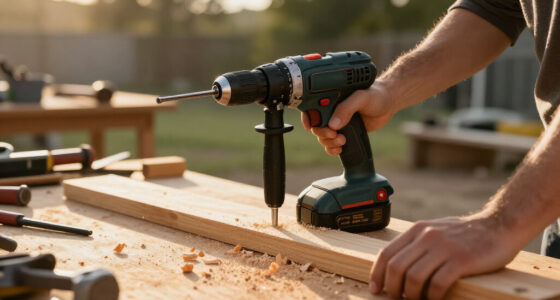
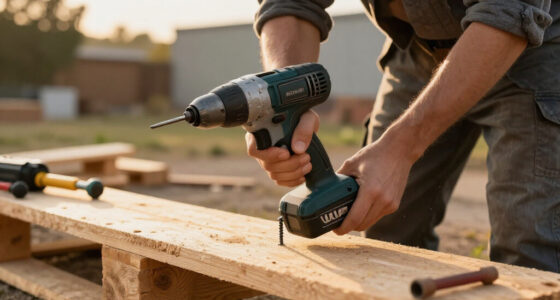
A high-performance cordless drill can help with large-diameter holes, mixing and other demanding work, but extra power can bring more weight and bulk. For routine fastening and small holes, a lighter, less powerful model may be easier to control and more comfortable to use. The right choice depends on the work, not the top specification.
A new consumer-focused analysis questions whether most buyers need the highest-performing cordless drill, arguing that the extra torque and speed of flagship models are most useful for demanding, frequent work—not every household task. The trade-off is that more powerful drills can be larger, heavier and harder to manage, making a compact model a better fit for routine drilling and driving.

Get business pricing on tools and workshop supplies
- Business-only prices and quantity discounts
- Tax-exempt purchasing
- Multiple users, one account, clear invoices
Flagship drills typically offer higher torque and speed, along with more capable motors, electronics and, in some models, hammer-drilling functions. Those features can help a drill maintain performance when working under heavy load. The source article says that can matter to tradespeople who regularly drill large holes or complete repeated rough-in work.
That capability can come with a physical cost. Larger motors, gearboxes and batteries can add size and weight, while high power may be unnecessary for pilot holes, furniture assembly or driving small fasteners. The article gives a drill rated at 1,400 inch-pounds of torque as an example of a tool that may be excessive for light-duty tasks; it does not identify a particular model or establish a universal threshold for choosing a drill.
For work such as large-diameter drilling, a stronger drill may save time and handle resistance more effectively. Mixing drywall mud, thinset or mortar can also put a motor under strain. The source cautions that not every drill is designed for mixing, that overheating remains a concern, and that a dedicated mixer may be more suitable for frequent or demanding use.
Choose the drill for the work
Flagship power can help with demanding, frequent jobs, but routine fastening may be easier with a lighter, more compact drill.
When extra power helps
Higher torque and speed can help a drill maintain performance under heavy load.
Large openings
Repeated drilling with auger, self-feed or hole-saw bits can put a drill under substantial resistance.
Check the tool first
Some mixing tasks strain a motor. Frequent or demanding mixing may call for a dedicated mixer.
The comfort trade-off
More capable drills can also be larger, heavier and harder to manage.
- Better suited to repeated heavy-load work
- Added size and weight can increase fatigue
- May suit pilot holes and routine fastening
- Lighter weight can help with overhead work
Choose by workload
Match capability and comfort to the jobs you expect to do.
Consider how often you drill large openings or work under heavy loads.
Check weight, size, torque, speed, clutch and intended use.
Follow manufacturer instructions for bits, materials and mixing; stop if the drill overheats.
What the source does not establish
The material discusses general trade-offs, not tested models.
Match Drill Power to the Job
The choice affects more than purchase price. For people who use a drill throughout the workday, weight and fatigue can affect comfort and consistency, particularly during repetitive or overhead tasks. A lighter tool may be the more practical option even if it has less peak torque.
Control is another factor: a powerful drill can deliver more force than a small fastener or soft material requires. Adjustable clutches, speed settings and careful trigger use can help manage that output, but they do not make extra power useful for every job. The article says National Institute for Occupational Safety and Health (NIOSH) guidance on tool selection emphasizes matching a tool’s size, weight and power to the application, rather than selecting the most capable option by default.
For professionals who regularly tackle demanding work, higher capability may justify the added bulk and expense. For occasional home repairs, paying for peak performance may offer little practical benefit. The decision is therefore about workload, comfort and control, not simply choosing the biggest number on a product label.
Popular right now

Ninja Kitchen System Blender and Food Processor with BlendSense Technology, 1800-Watt, 72 oz, Black (TB401)

Roborock Qrevo S Pro Robot Vacuum and Mop with Multifunctional Dock

Ninja Prestige Smart XL 10-in-1 Air Fryer and Countertop Oven with Pro Cook System, Stainless Steel, DT551
As an affiliate, we earn on qualifying purchases.
Where Flagship Drills Earn Their Keep
The source article points to large-diameter drilling as one of the clearest uses for a more powerful drill. Auger bits, self-feed bits and hole saws can create substantial resistance when cutting framing lumber. Tradespeople drilling many openings for electrical wiring, plumbing or HVAC work may benefit from a tool that can maintain power under that load. For some especially demanding jobs, the article says a more powerful right-angle drill may be needed.
Mixing materials is another possible use, though suitability depends on the drill and the demands of the material. The article warns that even premium drills can overheat and says frequent or heavy mixing may call for a dedicated mixer instead. It also identifies concrete and masonry work as a possible reason to consider more capable tools, but the supplied source text ends before explaining that application. It gives no product comparisons, test results, prices or specific buying recommendations.
No Model Tests or Buying Thresholds
The supplied material is a general discussion, not a comparison of particular drills. It provides no independent performance testing, model prices, battery-runtime figures or measured weight comparisons. It also does not define how often or how large a job must be before a flagship drill becomes worthwhile.
The article’s concrete-and-masonry discussion is incomplete in the supplied text, so its specific advice on that work cannot be established from this source. Buyers should also check the manufacturer’s instructions to confirm whether a drill is rated for a particular bit, material or mixing task. The relative value of a high-performance model will depend on the tool, accessories and work involved.
Compare the Work Before Buying
The source provides no announced product launch, follow-up test or scheduled decision. For shoppers, the practical next step is to list the tasks they expect to do and compare drills for weight, size, torque, speed, clutch and intended use, rather than relying on peak power alone. People who repeatedly drill large openings or work under heavy loads have a stronger case for a flagship model; those mainly assembling furniture or driving small fasteners may prefer a compact drill. Before using a drill for mixing or another demanding application, check the manufacturer’s specifications and stop if the tool shows signs of overheating.
Key Questions
Do most people need the highest-performing cordless drill?
Not necessarily. The source article says a flagship drill is most useful for demanding or frequent work, while a compact model may be more comfortable for small holes, pilot holes and routine fastening.
What work can justify a more powerful drill?
Repeated large-diameter drilling with auger bits, self-feed bits or hole saws can put a drill under heavy load. The article also identifies some mixing tasks as potential uses, while warning that a dedicated mixer may be better for frequent or demanding work.
Why can a more powerful drill be harder to use?
Flagship models may need larger motors, gearboxes and batteries, which can add weight and bulk. That can make them less comfortable for overhead work, tight spaces or repeated light-duty tasks.
Does a drill’s torque rating alone show which one to buy?
No. The article argues that buyers should also consider the work they do, tool weight, control and intended applications. It does not provide a universal torque threshold or a tested comparison of specific models.
Source: protoolreviews.com