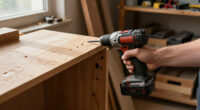
TL;DR

Get business pricing on tools and workshop supplies
- Business-only prices and quantity discounts
- Tax-exempt purchasing
- Multiple users, one account, clear invoices
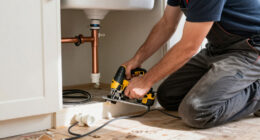
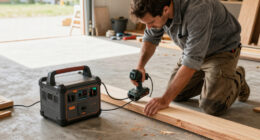
For most DIY projects, choose a compact brushless 18V/20V-class impact driver with a variable-speed trigger, multiple power modes, and a small battery from a platform you plan to keep. Pick 12V for furniture and cabinetry, reserve high-output models for repeated structural fastening, and use a drill or impact wrench when the job calls for one.
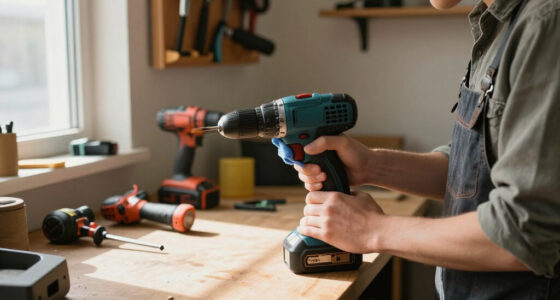
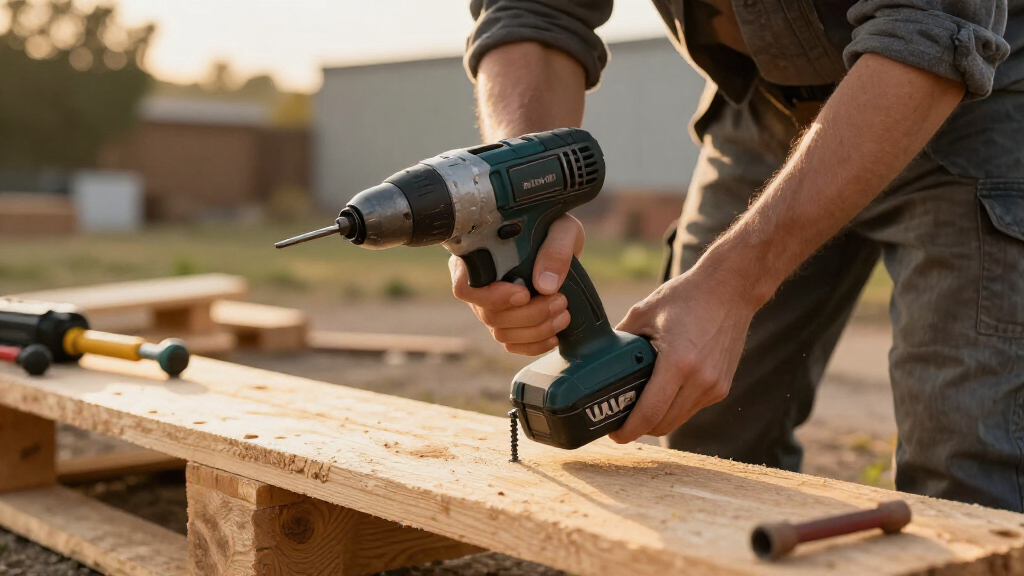
A long deck screw can make an ordinary drill grunt, twist your wrist, and leave a hot metal smell hanging around the chuck. A well-chosen impact driver sinks that same fastener with a crisp metallic rattle, less kick through your hand, and far better control when the screw gets stubborn.
The trick is buying the right amount of tool. The biggest torque figure on the shelf may look impressive, but raw force can snap screws, chew through bit heads, and scar finished timber while a smaller driver with better trigger control finishes the work cleanly.
You will learn when to choose 12V or 18V/20V, why your battery platform matters, which control features earn their keep, and where a drill or impact wrench remains the better machine. You will also see how bits, ergonomics, noise, PPE, and code requirements affect the choice once you move from assembling a bookcase to fastening a deck ledger or working near household services.
Choose 12V for cabinetry, furniture, and light repairs; choose compact brushless 18V/20V for broader remodeling, decking, and repeated fastening.
Judge torque as an approximate indicator, then prioritize trigger response, multiple power modes, speed under load, and heat control.
Buy into a battery platform with useful future tools, available replacement packs, local service, and battery sizes you can comfortably hold.
Use a drill for precise holes, an impact wrench for wheel nuts, and a calibrated torque wrench for any stated tightening specification.
Wear eye and hearing protection, use impact-rated accessories, check for hidden services, and leave regulated electrical, gas, structural, and roof work to lic…
Choosing the Right Impact Driver for Your DIY Projects
For most projects, the sweet spot is a compact brushless 18V/20V-class driver with a responsive trigger, multiple power modes, and a small battery from a platform you plan to keep. The goal is controlled power—not the biggest torque number on the shelf.
Broad capability for repairs, remodeling, fencing, decking, and repeated fastening.
Lower weight and gentler control for furniture, cabinetry, and tight spaces.
A responsive trigger and useful power modes protect screws, bits, and finished surfaces.
Choose for the hardest job you do regularly
A heavier tool can deliver more sustained output, but excess size becomes tiring overhead and awkward inside cabinets. Let recurring work—not a hypothetical project—set the specification.
Furniture & cabinetry
Prioritize a slim grip, low weight, short head, and a gentle variable-speed trigger around particleboard, hinges, and finished surfaces.
Choose 12VShelves, repairs & framing
A premium 12V or compact 18V/20V driver offers enough force for routine household fastening without unnecessary bulk.
12V or compact 18V/20VDecks, fences & remodeling
Choose brushless power, at least two speed settings, overload protection, and effective heat management for long screw runs.
Choose 18V/20VStructural fasteners
Look beyond peak torque. Sustained speed, a higher-output battery, cooling, and approved fasteners matter more during repeated heavy work.
Higher-output systemBuy for the work that fills roughly 80 percent of your time. Rent a heavier specialist tool when an unusual project exceeds your normal needs.
Fastening, drilling, and socket work are different jobs
An impact driver excels at stubborn screws. A drill offers clean holes and clutch control. An impact wrench is built for high-load socket work.
| Tool | Best jobs | Holder | Precision holes | Long screws | Main limitation |
|---|---|---|---|---|---|
| Impact driver | Long screws, structural fasteners, repetitive fastening | ¼-inch hex collet | ✗ Limited | ✓ Excellent | Cannot confirm specified bolt torque |
| Drill/driver | Accurate holes, round-shank bits, delicate screws | Three-jaw chuck | ✓ Excellent | ~ Moderate | Can stall or twist the wrist on stubborn fasteners |
| Impact wrench | Wheel nuts, large bolts, heavy socket work | Square drive | ✗ No | ✗ Too aggressive | Bulky and excessive for ordinary screws |
Finish wheel nuts and every fastener with a stated tightening specification using a calibrated torque wrench.
Balance control, endurance, and weight
Voltage is only one ingredient. Motor design, electronics, gearing, battery output, impact mechanism, and thermal management determine real-world performance.
12V class
Best when low weight, tight access, and fine control matter most. Ideal for cabinets, furniture, repairs, and overhead work.
18V/20V class
Best for broader renovation, longer fasteners, dense timber, outdoor construction, and repeated work that can heat a smaller system.
Relative capability profile
Conceptual comparison for typical compact tools. Individual models vary.
An “18V” battery and a “20V Max” battery usually use the same five-cell lithium-ion arrangement: approximately 20 volts fully charged and 18 volts at nominal operation.
Useful features protect the workpiece
Raw force can snap screws, strip heads, break adapters, and bury hardware below finished timber. Good control helps the tool stop before damage begins.
Variable-speed trigger
A smooth response makes it easier to start straight, approach the surface slowly, and avoid sudden over-driving.
Multiple power modes
Lower modes tame small screws; higher modes maintain speed when long fasteners meet dense or damp timber.
Precision-start modes
Soft start, self-tapping, bolt, and automatic shutoff modes can improve repeatability and reduce damaged hardware.
Brushless construction
Usually delivers better efficiency, compact dimensions, lower maintenance, and stronger sustained-load control.
Speed under load
A driver that maintains useful speed and manages heat is more valuable than a dramatic peak-torque claim.
Balance with battery
Test grip diameter, head length, switch access, and balance with the battery you expect to use most often.
Torque figures are approximate comparison tools
Published values may use different testing methods across brands. Prioritize trigger behavior, repeatable performance, thermal control, and independent speed-under-load results.
From project list to confident purchase
A good choice connects the work, power class, control system, battery platform, and safe accessory setup.
Battery platform: useful future tools, replacement packs, warranty, and local service.
Battery size: a small pack for balance; a larger pack for runtime and demanding work.
Accessories: use impact-rated bits, holders, adapters, and sockets where approved.
Protection: wear eye and hearing protection and inspect the work area for hidden services.
The default DIY choice
Choose a compact brushless 18V/20V-class impact driver with a variable-speed trigger, at least two power modes, and a small battery from a platform you intend to expand.
Know when to step away
Use a drill for precise holes, an impact wrench for high-load socket work, and a calibrated torque wrench for specified tightening. Leave regulated electrical, gas, roofing, and critical structural work to qualified professionals.
Match the Driver to the Hardest Job You Actually Do
Choosing the Right Impact Driver for Your DIY Projects starts by identifying your hardest recurring fastening job, not the biggest task you can imagine. A light 12V driver suits cabinets and repairs, while a compact 18V/20V-class brushless model covers most household work, fencing, decking, and remodeling without becoming a brick in your tool bag.
An impact driver is designed primarily for driving screws, structural fasteners, and small bolts. Its combination of rotation and rapid hammering action works like a socket wrench being tapped thousands of times by a tiny mallet, building high fastening force without sending the same twisting load into your wrist.
- Furniture and light repairs: Choose 12V for low weight, a slim grip, and gentle control around particleboard or flat-pack hardware.
- General household DIY: A premium 12V or compact 18V/20V driver handles shelves, timber framing, repairs, and occasional outdoor jobs.
- Decks, fences, and remodeling: Choose a brushless 18V/20V model with at least two power settings and solid heat management.
- Frequent structural fastening: Look for sustained speed, a higher-output battery, and overload protection rather than one dramatic torque number.
Take a weekend fence repair. Driving forty 75 mm exterior screws into dry treated pine can heat a bargain driver until the grip feels warm and its speed begins to sag; a compact brushless model keeps pulling with a 2 Ah or 4 Ah battery. By contrast, that heavier setup feels clumsy when you are installing twelve tiny hinge screws inside a white cabinet.
Buy for the work that fills roughly 80 percent of your time. Rent a heavier specialist tool when one unusual project demands it, especially if the alternative is paying for pro-grade weight and output that will spend most of the year gathering gray workshop dust.
Popular right now

Vitamix Propel Series 510 Professional-Grade Blender, 3 Programs, Black

Vitamix Propel Series 750 Professional-Grade Blender, 4 Programs, Black

Shark Navigator Robot Vacuum with 30-Day Self-Emptying Base, White (AV2110S)
As an affiliate, we earn on qualifying purchases.
Know When a Drill or Impact Wrench Will Do a Better Job
Choosing the Right Impact Driver for Your DIY Projects gets easier when you separate fastening, accurate drilling, and heavy socket work. Use an impact driver for long or repetitive screws, a drill for clean holes and delicate clutch-controlled driving, and an impact wrench for wheel nuts or other high-load socket jobs.
| Tool | Best jobs | Tool holder | Main limitation |
|---|---|---|---|
| Impact driver | Long screws, structural fasteners, repetitive fastening | 1/4-inch hex collet | Less suited to precise holes and specified bolt torque |
| Drill/driver | Accurate holes, round-shank bits, delicate screws | Three-jaw chuck | Can stall or twist your wrist on stubborn fasteners |
| Impact wrench | Wheel nuts, large bolts, heavy socket work | Square drive | Bulky and too aggressive for ordinary screws |
A drill’s adjustable clutch can stop a brass hinge screw just below the surface without crushing the soft wood around it. An impact driver has no conventional clutch; once its hammer mechanism wakes up, the sound changes from a smooth whir to a hard tat-tat-tat, and the screw can disappear below the veneer before you react.
You can drill with impact-rated hex-shank bits, which works well for quick pilot holes in framing timber. Yet a conventional drill gives you a broader bit selection, steadier rotation, and better accuracy when a 6 mm hole must land squarely through a cabinet side rather than wander like a shopping cart with one bad wheel.
Do not fit a cheap socket adapter and attack a seized wheel nut. The adapter can fracture, the driver may overheat, and you still cannot confirm the final tightening value. Use an impact-rated wrench and socket for removal, then finish wheel nuts or any specified fastener with a calibrated torque wrench.
Choose 12V or 18V/20V Without Falling for Label Hype
Choosing the Right Impact Driver for Your DIY Projects means balancing weight, sustained output, and project size. Choose 12V for furniture, cabinetry, and light repairs; choose 18V/20V-class power for broader renovation work, longer screws, and repeated fastening that would drain or heat a smaller system.
Voltage does not tell the whole story. Motor design, battery cells, electronics, gearing, the impact mechanism, and heat control all shape what you feel at the screw. According to Bauecho’s tool guidance [1], a well-designed premium 12V driver can feel quicker and more controlled than a low-cost full-size model during ordinary household work.
The labels 18V and 20V Max usually describe the same lithium-ion class [2]. Five cells connected in series produce about 20 volts at maximum charge and roughly 18 volts at their nominal operating level, so the difference often comes from marketing convention rather than a hidden reserve of muscle.
Imagine fixing plasterboard backing above shoulder height. A short 12V driver with a small pack feels nimble after the fiftieth screw, while a nose-heavy tool with a large battery pulls on your forearm like a bucket of wet sand. Move outside to a fence built from dense, damp timber, and the larger system’s runtime and sustained speed become far more useful.
Do not compare voltage alone. Compare the tool with its battery fitted, then judge its control, speed under load, heat buildup, and balance during the jobs you perform.
For a first all-purpose purchase, a compact brushless 18V/20V driver remains the safest bet. Pick 12V when low weight and tight access matter more than all-day output, and rent a heavier machine if a single structural project pushes beyond your normal work.
Spend Your Money on Control Before Maximum Torque
The most useful impact driver gives you controlled power at the trigger, not merely a huge peak-torque claim. Prioritize a smooth variable-speed trigger, two or more output modes, and a soft-start or automatic-stop function because precision saves fasteners, bits, and finished surfaces.
Torque numbers printed by different brands do not always come from identical test methods, so cross-brand comparisons can turn into measuring two runners on different tracks. Bauecho advises treating published torque as an approximate indicator within one product line [1], while giving more weight to speed under load, trigger response, and heat during repeated work.
- Start in the lowest mode. Seat the bit fully and squeeze the trigger gently until the threads bite.
- Keep the tool straight. Side pressure makes the bit cam out, polishing the screw head into a useless silver crater.
- Increase power only when needed. Step up for a long structural screw or dense timber rather than starting at full force.
- Stop when the head seats. Extra hammering adds heat and risks crushing the material or snapping the fastener.
For example, drive a 100 mm construction screw into old Douglas fir at full power and the head may bury itself before the impact sound fully registers. Start in mode one, switch to mode two when resistance rises, and you can leave the head flush with the timber instead of carving a ragged cone around it.
Self-tapping modes can help when fastening thin steel because they reduce speed after the screw breaks through. Automatic shutoff can also limit over-tightening on small bolts, but it does not replace a torque wrench where the plans, vehicle manual, or hardware maker states a specific tightening value.
Pick a Battery Platform You Will Still Want in Five Years
Your battery platform is often a bigger long-term decision than the bare tool. Choose a system with affordable replacement packs, useful companion tools, local service, and battery sizes that suit your work, because future batteries can cost more than today’s driver.
Think of the battery platform as the foundation of a workshop rather than one room. The first driver sets the footprint; later you may add a drill, circular saw, work light, sander, or garden tool, and every compatible purchase adds another wall. A cheap foundation feels less cheap when replacement packs vanish or the tools you need sit outside the system.
If you already own two healthy batteries and a charger, a compatible bare tool usually makes financial sense. If you are starting from zero, a kit can offer better value, but check what sits in the box: a tiny pack may balance beautifully yet run short during decking, while a large high-output pack can make overhead work feel like holding a dumbbell by one end.
A small 1.5 Ah or 2 Ah pack suits furniture assembly, ladder work, and short repair sessions. A 4 Ah or 5 Ah pack generally offers longer runtime and may feed more current during demanding work, though the added bulk changes the tool’s balance and can turn a compact driver into a wrist-heavy lump.
Handle the driver with the battery you plan to use. One model may feel planted with a compact pack but tip backward with a larger one; another may have a thick grip that pinches your hand after twenty minutes. Also check the warranty, nearby repair options, and battery gauge before tying your diy projects to that platform.
Use These Features to Work Faster Without Losing Control
Choosing the Right Impact Driver for Your DIY Projects calls for features that improve control, visibility, and handling. A brushless motor, compact head, good trigger, multiple modes, bright LEDs, and easy bit release deliver more daily value than app settings or headline torque for most home users.
- Brushless motor: Better efficiency, a shorter body, lower maintenance, and steadier output under repeated load.
- Compact head: More room between cabinet sides, joists, pipes, and other tight obstacles.
- Multiple power modes: A practical way to tame small screws before moving to structural fasteners.
- Well-placed LEDs: Several lights around the collet cut the dark crescent-shaped shadows made by a single lamp.
- One-handed bit insertion: Handy when your other hand holds a bracket, rail, or awkward timber offcut.
Brushless costs more, but regular users usually gain a smaller tool, longer runtime, and smarter electronic protection. A brushed driver still makes sense for someone who hangs two shelves a year; paying pro-grade money for that schedule is like buying a work van for a weekly bag of groceries.
Head length matters inside cabinets. A driver that is 20 mm shorter may let you hold the bit square to a drawer-slide screw instead of angling it, slipping off, and scratching the white melamine. Grip texture and trigger modulation matter just as much when your glove is dusty or your fingertips are cold.
Test the direction switch, belt hook, bit release, and LEDs before buying. Listen for how gently the motor starts. A trigger that jumps from silence to a sharp bark makes delicate work harder, while a smooth trigger lets you creep a screw forward one thread at a time.
Hydraulic or oil-impulse drivers deserve attention for indoor renovation. Their smoother mechanism sounds less like a roofing crew inside a biscuit tin, making them friendlier in apartments and occupied homes, though they may cost more and run slower with the heaviest fasteners.
Protect Your Eyes, Hearing, Workpiece, and House
Safe impact-driver work requires eye protection, hearing protection, secure material, and sound judgment. Inspect every bit and adapter, keep loose clothing clear, and stop when a fastener seats; the hammer mechanism can fracture poor accessories and damage hidden services or structural connections faster than you expect.
Use only impact-rated bits, holders, nut setters, sockets, and adapters. Ordinary chrome sockets can crack or shed sharp fragments under repeated blows, while long extensions add wobble that makes a bit skate across the screw head. A short, correctly sized bit usually runs straighter and lasts longer.
Bit fit deserves more attention than it gets. Phillips, Pozidriv, Torx, and square-drive heads are different shapes, even when two sizes appear close under a dusty work light. Put a Phillips bit into a Pozidriv screw and the tool may chatter, throw bright metal flakes, and leave a rounded recess that no bit can grip.
Before driving near walls, floors, or ceilings, check for wires, pipes, and gas lines. For electrical work, switch off the relevant circuit, lock it out when practical, verify dead with a suitable tester, wear proper PPE, and hire a licensed electrician for fixed wiring. Gas work belongs with a licensed gas professional.
Structural fastening, roof work, and alterations can involve engineered specifications, fall hazards, permits, and local building codes. Wear eye and hearing protection, use fall protection where required, and call licensed contractors for structural or roof work beyond minor surface repairs. A powerful driver can sink a screw neatly, but it cannot tell you whether that screw, connection, or location complies with code.
Frequently Asked Questions
Do I need an impact driver if I already own a drill?
You may not need one for occasional picture hooks, furniture, or short screws. An impact driver earns its place when you regularly drive long screws, build decks or fences, or repeat fastening for hours because its hammering action supplies more driving force with less wrist twist.
Can an impact driver drill holes?
Yes, an impact driver can drill with impact-rated 1/4-inch hex-shank bits. Use it for quick pilot holes in framing, but choose a conventional drill for precise placement, large hole saws, smooth drilling, and the widest selection of round-shank bits.
Is a brushless impact driver worth the extra cost?
A brushless driver usually earns the extra cost when you use it regularly because it offers better efficiency, compact size, and electronic control. A brushed model can still serve occasional DIY work, especially when purchase price matters more than runtime or sustained output.
How much torque does a DIY impact driver need?
Most household work does not need the highest available torque. Look for usable speed under load, a smooth trigger, and adjustable modes; those features help you drive both small cabinet screws and long construction screws without stripping heads or crushing material.
Why do my impact-driver bits keep breaking?
Bits commonly break because they are not impact-rated, poorly aligned, the wrong size, or driven too aggressively. Use a short quality bit that fits the recess fully, keep the tool square, start in a lower mode, and replace any accessory showing chips, cracks, twisting, or rounded edges.
Can I remove or tighten wheel nuts with an impact driver?
Use an impact wrench with an impact-rated socket for wheel nuts, not a standard impact driver with a small adapter. After removal or installation, use a calibrated torque wrench for final tightening to the vehicle maker’s stated specification.
Conclusion
Choose the driver that gives you enough power with excellent control, feels balanced with the battery installed, and belongs to a tool platform you can afford to expand. For most people, that means a compact brushless 18V/20V model with several speed settings, a smooth trigger, a small battery, and quality impact-rated bits.
Then let the job choose the machine. Reach for the drill when the hole must be clean, the impact wrench when the socket work gets heavy, and a licensed professional when wiring, gas, structural connections, roofing, permits, or code enter the room. The right driver should leave you with a flush screw, an unmarked surface, and a steady wrist after the metallic rattle stops.