
TL;DR

Get business pricing on tools and workshop supplies
- Business-only prices and quantity discounts
- Tax-exempt purchasing
- Multiple users, one account, clear invoices
Search and social media interest in one-project dining room furniture makeovers is spiking. The exact trigger is unconfirmed. Furniture painting and refinishing are long-established, low-cost DIY methods.
Interest in single-project dining room makeovers — the idea that one DIY change, most often repainting or refinishing a dated table-and-chairs set, can transform the whole room — is spiking in online home content feeds, according to a trend signal surfaced via RSS this week. The specific project, home, or creator behind the current wave of interest has not been verified, and the DIY community publication that carried the item did not name one.
What is confirmed is narrow: an article titled “Their Dining Room Furniture Looked Dated Until 1 DIY Changed the Whole Room” appeared in a home-focused content feed, indicating elevated reader interest in before-and-after furniture transformations. No named homeowner, designer, brand, product, or publication date was included in the available metadata.
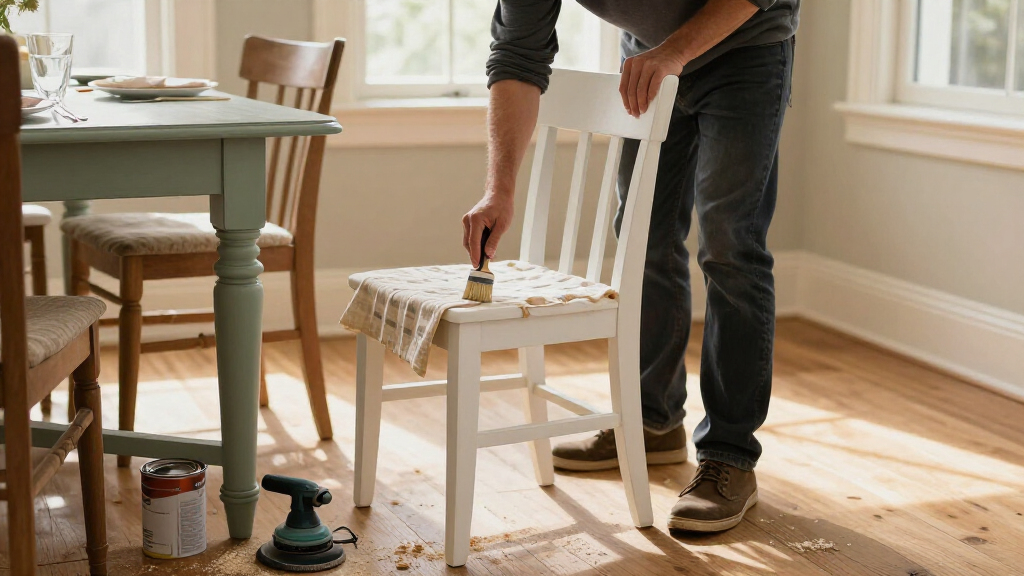
What the headline refers to, however, is a long-established category of DIY project. Painting or refinishing wooden dining sets has been a mainstream home improvement practice for decades, widely covered by home retailers, paint manufacturers, and DIY publications. Common approaches include sanding and repainting with durable furniture paint, applying gel stain to restain wood without heavy stripping, and reupholstering chair seats with new fabric.
Cost is a central part of the appeal. According to long-standing guidance from home improvement retailers and DIY publishers, refinishing an existing set typically costs a fraction of replacing it, with new dining sets commonly ranging from a few hundred to several thousand dollars depending on material and size. These are general, widely published price ranges rather than figures tied to the current story.
Why Budget Furniture Refreshes Resonate Now
The resurgence of interest in furniture makeovers reflects two durable pressures on households. First, furniture and appliance prices have risen in recent years, making replacement less attractive than restoration. Second, the secondhand and painted-furniture market — online marketplaces, curb finds, and hand-me-down sets — has grown steadily, creating a larger base of dated furniture owners looking for affordable updates.
For readers, the practical takeaway is that a dining set refresh is among the lowest-risk, lowest-cost room transformations available: it requires no permits, no contractors, and no structural work. Interest in these projects also tends to be cyclical, peaking around spring cleaning and pre-holiday seasons, so the current signal may reflect seasonal behavior as much as any single viral project.
Popular right now

Ninja Flip Toaster Oven & Air Fryer, 8-in-1, Stainless Steel, SP151

Samsung 48-Inch S90H OLED 4K Smart TV (2026)

Breville BES870XL Barista Express Espresso Machine, Brushed Stainless Steel
As an affiliate, we earn on qualifying purchases.
The Long History of Painted Dining Sets
:Painting and refinishing dining furniture is not new. Milk paint and oil-based finishes date back centuries, and modern furniture paint lines marketed specifically for cabinets, tables, and chairs became widely available in the 2010s. Before-and-after furniture content became a staple of home blogs and later of visual social platforms, where timelapse transformation videos regularly draw large audiences.
Standard project guidance from DIY publishers has remained consistent: clean the surface, sand or degloss to help paint adhere, apply primer where needed, use a durable topcoat suited to dining use, and allow full curing time before heavy use. Reupholstering chair seats is typically presented as a companion project because it requires only basic tools.
“Their Dining Room Furniture Looked Dated Until 1 DIY Changed the Whole Room”
— Available article metadata (home content feed, via RSS)
What the Trend Signal Does Not Show
The trigger for the current interest spike is unconfirmed. It is not clear whether it stems from a specific viral post, a television segment, a retailer promotion, a seasonal DIY wave, or simply an algorithmic trend in home content feeds. No homeowner, creator, publication, product, or location has been verified.
It is also unknown whether the referenced “one DIY” was painting, staining, upholstery, or another technique — the headline does not specify. Any claim about the exact project, its cost, or its outcome would be speculation.
How to Verify and Act on the Trend
Readers who want to act on the trend can start with established, low-risk steps: assess whether the furniture is solid wood or veneer, since solid pieces take paint and stain best; test for lead paint on pieces predating the late 1970s before sanding; and work in a ventilated space with appropriate dust masks and eye protection. Dining tables take daily wear, so a food-safe, durable topcoat is recommended once finishes have fully cured.
As for the trend itself, the next marker to watch is whether a specific creator or publication steps forward as the source of the current wave — until then, this remains a signal of interest, not a documented project.
Key Questions
Is there a confirmed specific project behind this trend?
No. The only verified element is a headline in a home content feed. The exact project, people, and outcome are unconfirmed.
What is the most common DIY for updating a dated dining set?
Painting or refinishing the table and chairs, sometimes paired with reupholstering chair seats. These are long-established techniques, not new.
Is painting dining furniture a beginner-friendly project?
Generally yes, per widely published DIY guidance — it needs no permits or contractors. Success depends on surface preparation and allowing full cure time before use.
What safety steps apply?
Work in a ventilated area, wear a dust mask and eye protection when sanding, and test older furniture (pre-late-1970s) for lead paint before disturbing the finish.
Does refinishing cost less than buying new?
Typically yes — supplies usually cost far less than a new dining set, though total savings depend on the set’s size, condition, and materials.
Source: rss