
TL;DR

Get business pricing on tools and workshop supplies
- Business-only prices and quantity discounts
- Tax-exempt purchasing
- Multiple users, one account, clear invoices
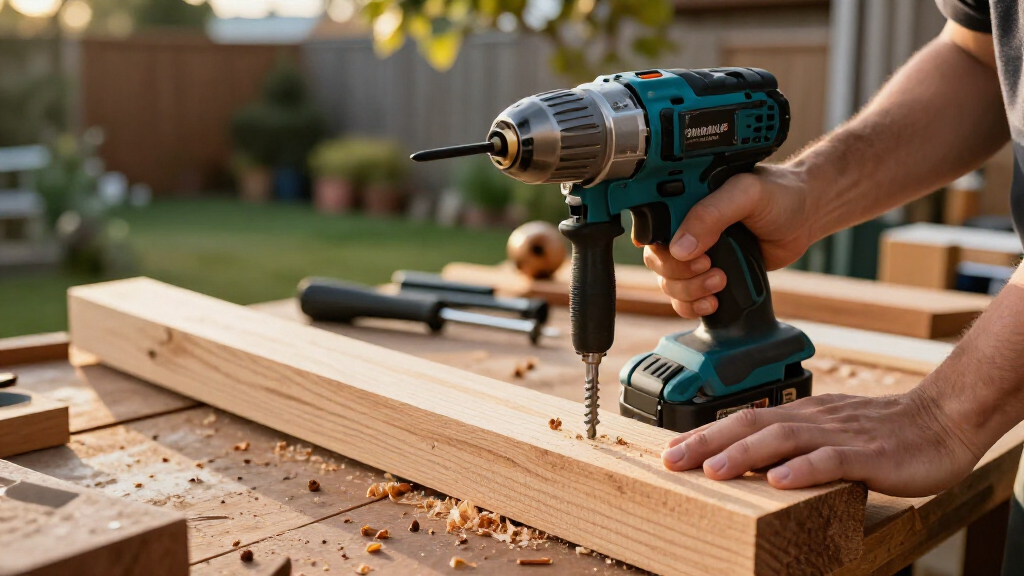
Heavy-duty impact drivers need high torque, brushless motors, and durable batteries. Recent innovations make these tools more powerful, efficient, and reliable—ideal for professional and serious DIY use.
Imagine tightening a massive lag bolt or securing thick structural lumber — with ease, precision, and minimal fatigue. That’s what a high-quality cordless brushless impact driver can do for you. These tools aren’t just about convenience; they’re about power, durability, and reliability on tough jobsites.
For anyone tackling heavy-duty fastening—whether framing a house, installing heavy-duty shelving, or working in a commercial setting—choosing the right impact driver makes all the difference. The latest models combine robust torque, smart technology, and longer-lasting batteries, transforming what used to be a challenge into a straightforward task. This guide walks you through the key features, recent innovations, and practical tips to select the best impact driver for your demanding needs. Ready to upgrade your toolkit? Let’s dive into what makes these tools tick and how to pick the right one for heavy-duty work.
High torque (over 1,500 in-lbs) is essential for heavy-duty fastening; look for models around 1,800 in-lbs for demanding tasks.
Brushless motors significantly improve tool lifespan, efficiency, and heat management, making them ideal for continuous heavy use.
Larger, high-capacity batteries (3.0Ah+), combined with fast-charging tech, keep you working longer without interruption.
Features like multiple speed settings, LED lights, and ergonomic design enhance performance and comfort in tough environments.
Size and weight matter—compact, balanced tools reduce fatigue and improve control during extended work sessions.
Why Torque and Power Are Non-Negotiable for Heavy-Duty Fastening
If you’re serious about heavy-duty fastening, you need impact drivers that deliver more than just a little torque. Think of torque as the twisting force that drives screws into tough materials—like thick steel or dense hardwood. Impact drivers rated over 1,500 in-lbs of torque can handle lag bolts, structural screws, and other demanding fastenings without breaking a sweat.
For example, a framing contractor installing ½-inch lag bolts into concrete or dense framing lumber relies on impact drivers that can deliver consistent, high torque. A model with around 1,800 in-lbs can drive these fasteners with fewer passes, less strain, and less risk of stripping or cam-out. The difference between a tool with 1,200 in-lbs and one with 1,800 in-lbs isn’t subtle—it’s the difference between struggling with a job or finishing it quickly and confidently.
High torque isn’t just about raw power; it’s about control. Modern impact drivers feature adjustable torque settings, allowing you to dial in just enough force to prevent overdriving or damaging materials. This is especially critical when working with softer woods or delicate fixtures. The bottom line: for heavy-duty fastening, you want a tool that combines high torque with precision control, making your work faster and safer.
Popular right now

Bose QuietComfort Wireless Noise-Cancelling Over-Ear Headphones, Black

Vitamix Propel Series 510 Professional-Grade Blender, 3 Programs, Black

Bose QuietComfort Wireless Bluetooth Headphones with Active Noise Cancellation, Mic, USB‑C Charging, Deep Bass, 24‑Hour Battery – White Smok
As an affiliate, we earn on qualifying purchases.
How Brushless Motors Boost Power and Longevity in Heavy-Duty Impact Drivers
Brushless motors are a game-changer for impact drivers, especially when it comes to heavy-duty work. Unlike traditional brushed motors, brushless designs eliminate carbon brushes that wear out over time, reducing maintenance and increasing lifespan. The result? More consistent power delivery, higher efficiency, and less heat buildup during prolonged use.
Take a scenario where you’re installing hundreds of heavy-duty screws into steel framing. A brushed motor might overheat or lose torque after a few minutes of continuous operation. In contrast, a brushless impact driver maintains steady performance, thanks to advanced electronic controls and better heat management.
Manufacturers have pushed the envelope, with some brushless impact drivers delivering over 1,800 in-lbs of torque while operating at a fraction of the heat and vibration of older models. This means you can work longer without pausing to cool down or risking damage to the tool. Plus, brushless motors tend to be more compact and lightweight, making them easier to handle during extended sessions or in tight spaces.
In essence, choosing a brushless impact driver isn’t just about efficiency; it’s about durability and consistent power—key factors when tackling heavy-duty fastening day after day.
Battery Capacity and Runtime: How to Keep Going When the Job Gets Tough
Heavy-duty fastening doesn’t stop just because your battery runs low. That’s why high-capacity batteries—3.0Ah, 4.0Ah, or even 5.0Ah—are essential. They provide longer runtime, so you don’t waste time swapping out batteries every few minutes. For instance, a 4.0Ah battery paired with a powerful impact driver can deliver over 200 fastenings into dense wood or steel before needing a recharge.
Let’s say you’re working on a framing project that involves installing hundreds of structural screws. With a high-capacity battery, you might complete the entire day’s work without interruption. Conversely, a lower-capacity battery might require multiple swaps, slowing down progress and increasing fatigue.
Fast-charging technology also matters. Many modern batteries, like Milwaukee’s REDLITHIUM or DeWalt’s XR Lithium-ion, recharge in under 30 minutes—minimizing downtime. Compatibility across platforms is another bonus; if you already own a cordless system, sticking with a model that uses your existing batteries saves money and adds convenience.
In heavy-duty applications, investing in larger, high-quality batteries isn’t optional—it’s a productivity booster that keeps you working longer, faster, and more efficiently.
Features That Make Heavy-Duty Impact Drivers Stand Out
Heavy-duty impact drivers come loaded with features that boost performance, safety, and convenience. For example, multiple speed settings—often up to 3 or 4—allow you to switch from high-torque driving to precision fastening. A contractor working on a framing job might use the highest speed for lag bolts and dial down for delicate trim screws.
LED work lights are standard but vital—illuminating dark corners or tight spaces where heavy-duty work often takes place. Quick-change chucks or hex collets make swapping bits fast, saving precious time during large projects.
Some models include belt hooks, which keep the tool within easy reach, and ergonomic grips that reduce fatigue during long shifts. Durability features like reinforced housings, dust seals, and water resistance ensure the impact driver withstands harsh job site conditions. For example, a Makita XDT16 features a crush-proof rubber bumper and sealed electronic components, making it ideal for rough environments.
These features aren’t just bells and whistles—they’re practical tools that improve efficiency, safety, and longevity, particularly when pushing a tool to its limits day after day.
The Impact of Size, Ergonomics, and User Comfort in Demanding Jobs
Heavy-duty fastening often means working in tight spaces or holding the tool for hours. A compact, ergonomic impact driver can make all the difference. For example, a contractor working inside a cramped attic or between joists benefits from a lightweight, balanced tool that reduces fatigue and improves control.
Impact drivers with a slim profile and comfortable grips allow you to apply maximum torque without strain. Some models, like the Milwaukee M18 FUEL, weigh around 3.8 pounds—light enough for extended use but still packing enough power for tough jobs.
Vibration reduction features also matter. Excess vibration can cause fatigue or even injury over time. Tools with rubberized grips and vibration dampening systems make long days safer and more comfortable. Imagine installing hundreds of deck screws—your hands and wrists stay less sore, and your work quality remains high.
When choosing a heavy-duty impact driver, don’t overlook size and ergonomics. Comfort directly correlates with productivity and safety on demanding projects.
Practical Tips for Selecting the Best Heavy-Duty Impact Driver
Choosing the right impact driver isn’t just about raw power. Consider your specific needs, the types of fasteners, and working conditions. Here’s a step-by-step guide:
- Assess your torque requirements: For heavy-duty tasks, look for models exceeding 1,500 in-lbs, ideally around 1,800 in-lbs or more.
- Prioritize brushless motors: They last longer, operate cooler, and deliver more consistent power during extended sessions.
- Match your battery system: Use high-capacity batteries (3.0Ah+) compatible with your existing platform for longer runtime.
- Check features: Look for multiple speeds, LED lights, quick chucks, and ergonomic design.
- Consider durability: Reinforced housings, dust seals, and water resistance are vital for rugged environments.
For example, a professional framing contractor might choose a Milwaukee M18 FUEL impact driver with a 5.0Ah battery, multiple speed settings, and a compact design. This setup ensures they can work all day without overheating or fatigue, even on the most demanding projects.
Frequently Asked Questions
What impact driver delivers the most torque for heavy-duty work?
Impact drivers like the Milwaukee M18 FUEL or DeWalt DCF887 offer over 1,800 in-lbs of torque, making them top choices for heavy-duty fastening. Always check the specs to match your specific needs.Are brushless impact drivers worth the extra cost?
Absolutely. They last longer, run cooler, and deliver more consistent power. For demanding jobs, the investment pays off through fewer replacements and better performance.What size battery should I prioritize for heavy-duty fastening?
Aim for 3.0Ah or higher. Larger batteries provide longer runtime, especially important when driving many fasteners into dense materials. Fast-charging options help keep you moving.Can impact drivers handle concrete or masonry?
Impact drivers are designed mainly for fastening. For drilling into concrete or masonry, a hammer drill is the better choice. Impact drivers excel at driving screws and bolts into tough materials.How long do brushless impact drivers typically last?
With proper maintenance, a high-quality brushless impact driver can last between 5 to 10 years, even with heavy use. Their durability makes them a worthwhile investment for professional work.Conclusion
Heavy-duty fastening demands more than just brute strength; it requires a tool that combines raw power, durability, and user-friendly features. Modern cordless brushless impact drivers deliver this in spades—offering high torque, longer life, and smarter technology.
If you’re serious about demanding projects, invest in a model that matches your workload. It’s not just about finishing faster—it’s about working smarter and safer. Your next big job deserves a tool that can keep up—don’t settle for less.