TL;DR

Get business pricing on tools and workshop supplies
- Business-only prices and quantity discounts
- Tax-exempt purchasing
- Multiple users, one account, clear invoices
Proper use and maintenance of power saws reduce accidents and extend tool life. This guide covers safety practices, recent tech, and real-world tips to keep you safe and efficient.
Power saws are the backbone of many renovation projects, from framing walls to trimming trees. But their sheer power can turn routine cuts into dangerous mishaps if you’re not careful. Think of a power saw as a wild stallion — impressive, but needing respect and control. Every year, thousands of injuries happen because users overlook simple safety steps or ignore maintenance needs. That’s why understanding how to operate and care for your saw isn’t just smart — it’s essential. Whether you’re a seasoned pro or a weekend warrior, this guide will arm you with practical tips, recent innovations, and concrete examples to keep your work safe and your tools in top shape. You’ll learn what makes different saws tick, how to prevent accidents, and how to extend their lifespan. Ready to cut with confidence? Let’s dive into the essentials that turn a dangerous tool into a safe, reliable partner in your projects.
Choose the right saw for the task to prevent misuse and accidents.
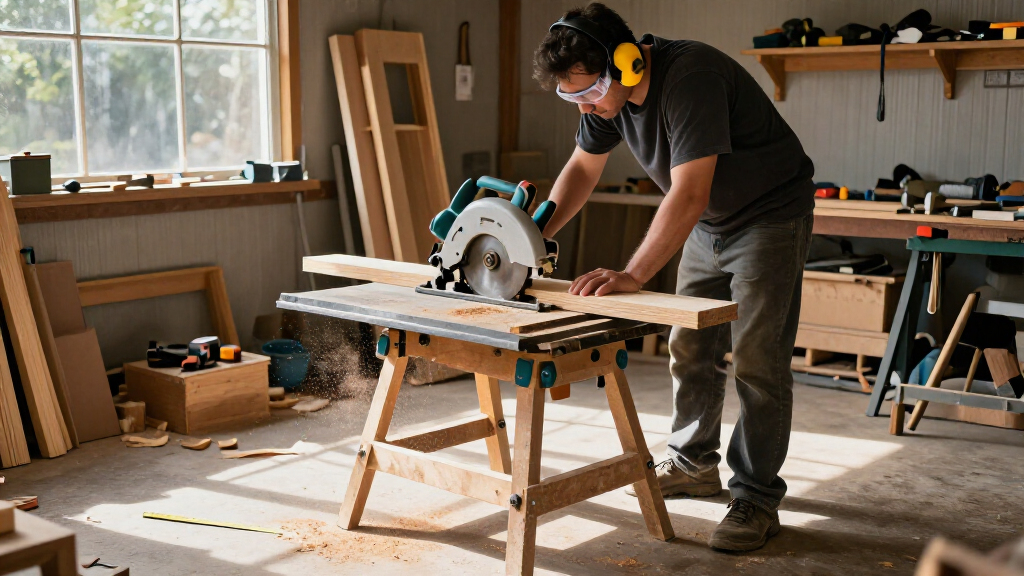
Always wear appropriate PPE — safety glasses, hearing protection, and dust masks.
Perform a thorough pre-use inspection to catch issues early.
Use proper technique: secure workpieces, control the saw with both hands, and don’t force cuts.
Regularly maintain and clean your saw to ensure safety and longevity.
Know Your Power Saw: Types and When to Use Each
The first step in safe operation is understanding the different types of power saws and their best uses. Each saw has a specific design for particular tasks, and using the wrong one can be dangerous or lead to poor results. For example, a circular saw is your go-to for ripping long sheets of plywood or framing lumber. Its large, spinning blade slices through wood with a satisfying roar, but if you try to cut metal with it, you risk damaging the blade and causing kickback. Conversely, a reciprocating saw resembles a giant, aggressive jigsaw, perfect for demolition work — ripping through drywall, removing old plumbing, or cutting through thick branches. Jigsaws excel in intricate cuts, like curves for decorative trim, while miter saws provide precise crosscuts at specific angles, ideal for framing corners or crown molding. Chainsaws, of course, are designed for heavy-duty outdoor work. Knowing which saw to pick for each job prevents mishaps and improves efficiency. For example, using a miter saw for rough cuts wastes time and risks kickback, whereas a chainsaw used indoors without proper safety gear can cause serious injuries. Each saw’s design reflects its purpose—respect it, and you’ll work faster and safer.
Choosing the right saw isn’t just about efficiency; it’s about safety. Using a tool designed for a specific job ensures that the saw operates within its optimal parameters, reducing the likelihood of accidents caused by overload or misuse. The wrong tool can lead to increased effort, compromised control, or unexpected malfunctions that can cause injury. Moreover, understanding the purpose of each saw helps you recognize its limitations, such as maximum cutting depth or material compatibility, which is critical for planning safe, effective work. Investing time in selecting the appropriate saw for each task minimizes risks and enhances your overall safety awareness on the job site.
Popular right now

Vitamix Propel Series 510 Professional-Grade Blender, 3 Programs, Black

Dreame L50 Ultra Robot Vacuum and Mop

Bose QuietComfort Wireless Bluetooth Headphones with Active Noise Cancellation, Mic, USB‑C Charging, Deep Bass, 24‑Hour Battery – White Smok
As an affiliate, we earn on qualifying purchases.
Gear Up Properly: Essential PPE for Power Saw Safety
Before you even plug in a power saw, you need to suit up with the right protective gear. Think of PPE as your armor — it shields you from flying debris, loud noises, and dust. Safety glasses or goggles are non-negotiable; a single wood chip flying at 200 mph can cause serious eye injury. Hearing protection is equally critical; a circular saw can reach 100 decibels, enough to damage hearing over time. Use earplugs or muffs, especially during prolonged cuts. Dust masks or respirators trap fine particles from sawdust, which can irritate your lungs or cause long-term health issues. Gloves can provide grip and protect your hands, but be cautious — loose gloves near rotating blades can be a hazard if they get caught. Wear fitted, non-loose clothing to prevent snagging. For example, I once saw a DIYer wear a loose hoodie while operating a jigsaw. The fabric caught in the blade, causing a near-miss injury. Proper PPE isn’t just about safety — it’s about working smarter and avoiding accidents that can ruin your day or worse.
Wearing the appropriate PPE is crucial because it directly impacts your safety and control. For instance, eye protection prevents injuries from unexpected debris that can cause temporary or permanent vision damage, which might not be immediately apparent. Hearing protection preserves your ability to communicate and avoid long-term hearing loss, especially when working on multiple projects. Dust masks or respirators are vital in environments with fine particles, which can cause respiratory issues or exacerbate allergies. Gloves improve grip and reduce hand fatigue, but they must fit well to avoid entanglement with the blade. Wearing loose clothing or jewelry near the saw increases the risk of snagging or entanglement, leading to serious injury. The right PPE creates a barrier between you and potential hazards, allowing you to focus on the task with confidence, knowing you’re protected from common dangers associated with power saw use.
Pre-Use Inspection: Catch Problems Before They Cut You
Think of your power saw as a race car — it needs a thorough check before hitting the track. A quick inspection can prevent accidents and save you money on repairs. Start by examining the blade for chips, cracks, or dullness. A dull blade not only produces rough cuts but also requires more force, increasing kickback risk. For example, I once replaced a blade that was visibly nicked; the difference in cut quality and safety was night and day. Next, ensure safety guards are in place and move smoothly — they’re your first line of defense against accidental contact. Check the power cord or battery pack for damage or loose connections. If you notice frayed wires or corrosion, replace or repair before use. Finally, verify the switch works correctly and that the trigger returns to off after releasing. Skipping these checks is like ignoring warning lights on your dashboard — it’s a recipe for disaster. Regular inspections keep your saw running smoothly and safely, reducing unexpected breakdowns and accidents.
Performing a pre-use inspection isn’t just a routine task; it’s a critical safety measure that can prevent serious injuries and costly repairs. By carefully examining the blade for damage, you identify potential failure points that could cause the blade to shatter or bind mid-cut, which might result in kickback or flying debris. Ensuring safety guards are correctly positioned and functioning prevents accidental contact with the blade during operation, which is one of the most common causes of injury. Checking the power cord or battery for damage is essential because electrical faults can lead to short circuits, shocks, or fires. Testing the switch and trigger ensures the saw responds correctly, avoiding unintentional starts that could cause accidents. Neglecting these steps might seem minor but can lead to catastrophic failures, injuries, or damage to the tool. Regular inspections are a proactive approach—catching issues early keeps your work safe and your equipment reliable, ultimately saving you time and money while maintaining safety standards.
Master the Technique: How to Cut Safely and Precisely
Using a power saw safely isn’t just about the gear — your technique makes all the difference. Think of controlling a power saw like steering a bike — steady, deliberate movements prevent slips. First, secure your workpiece with clamps or a sturdy vise. For example, when cutting a large sheet of plywood, clamping it down prevents it from shifting or bouncing, which can cause kickback. Next, always hold the saw with both hands — one on the trigger, the other on the main handle — for maximum control. Maintain a stable stance, with feet shoulder-width apart, and lean into the cut slightly. Follow the manufacturer’s recommended blade depth — usually just enough to cut through the material plus a tiny bit more. For instance, setting the blade too deep increases the chance of hitting nails or other hidden obstructions. Let the saw do the work; forcing it can cause the blade to bind or kick back. When making angled cuts, use a miter gauge or guide to keep the cut consistent. Remember, patience and control beat speed — rushing increases the risk of accidents and poor results.
Mastering proper technique is essential because it directly influences safety, accuracy, and efficiency. Properly securing your workpiece minimizes movement during cutting, reducing the risk of kickback or binding. Holding the saw with both hands ensures maximum control, especially when starting and finishing cuts, preventing slips that could lead to injury. Maintaining a stable stance and leaning into the cut provides better balance and control, particularly on larger or heavier materials. Setting the blade to the correct depth reduces unnecessary strain on the saw and prevents accidental contact with nails or other hidden hazards beneath the surface. Forcing the saw through a cut can cause the blade to jerk or bind, increasing the chance of kickback. Using guides or jigs for angled cuts ensures consistency, which not only improves craftsmanship but also reduces the chance of mishandling the tool. Patience and deliberate movements are your best allies — rushing a cut can compromise safety and result in poor-quality work. Developing good technique turns a potentially dangerous operation into a controlled, safe process that produces precise results.
Prevent Kickback and Other Common Hazards
Kickback is the nightmare of power saw users — when the blade catches, and the saw jerks back toward you. It’s responsible for a large percentage of saw injuries. To prevent it, always support your workpiece properly, avoid cutting with a dull blade, and never force the saw through the cut. For example, I once watched a DIYer attempt to cut a narrow strip of wood without clamping it; the piece kicked back, nearly hitting his face. Proper technique involves keeping the saw aligned with the cut line and avoiding twisting or binding the blade. Be aware of your surroundings: loose debris or uneven surfaces can cause the saw to bind unexpectedly. Use push sticks for small pieces — they keep your hands safe and give better control. When cutting near nails or embedded metal, check for obstructions that can cause sudden blade catch. Also, never reach behind the saw or over the blade while it’s spinning. Regularly inspecting blades for damage and replacing dull ones also cuts down kickback risks. Think of kickback as a rogue wave — respect it, and it won’t knock you over.
Understanding and preventing kickback is vital because it’s a leading cause of serious injuries when operating power saws. Kickback occurs when the blade catches on a knot, nail, or uneven surface, causing the saw to jerk violently back toward the operator. This sudden movement can lead to severe lacerations, broken bones, or even amputations. The key to prevention is proper support of the workpiece to ensure it doesn’t shift unexpectedly, which could cause the blade to catch. Using sharp, well-maintained blades reduces the likelihood of snagging or binding. Never attempt to force the saw through a cut; let the blade do the work at its own pace. Keeping your hands away from the blade’s path and using push sticks for small pieces prevents accidental contact. Checking for hidden nails or metal embedded in materials before cutting is crucial because hitting such obstructions can cause the blade to catch suddenly. Maintaining a firm, controlled grip and steady feed rate minimizes the chance of kickback. Respecting the saw’s power and understanding its hazards enable you to cut confidently and safely, avoiding the devastating consequences of a rogue kickback.
Post-Use Care: Keep Your Power Saw in Top Shape
After a day’s work, your power saw needs a thorough cleanup and check-up. Think of it as giving your car a wash and oil change — it prolongs its life and keeps it safe to use. Start by unplugging or removing the battery. Remove sawdust and debris from the motor housing, blade guard, and vents with a brush or compressed air. Sawdust buildup can cause overheating or block safety features. Next, inspect the blade for dullness, chips, or cracks. Dull blades not only cut poorly but also strain the motor, increasing fire risk. Sharpen or replace blades as needed. Tighten loose screws, bolts, or safety guards to prevent parts from falling off during operation. Store your saw in a dry, secure place, ideally in a case or hanging on a wall, away from moisture and accidental knocks. If you’ve used it outdoors, wipe down the housing to remove dirt and moisture. Regular maintenance isn’t just about safety; it saves you money by preventing costly repairs and downtime. A well-kept saw is a safer, more reliable partner for your projects.
Proper post-use maintenance is crucial because it ensures the longevity and reliability of your power saw. Removing sawdust and debris prevents overheating, which can damage internal components or cause fires. Inspecting the blade for damage ensures that only sharp, intact blades are used, reducing the risk of dangerous binding or breakage during the next use. Tightening screws and securing safety guards keeps all parts functioning correctly, preventing accidental disassembly or malfunctions. Proper storage in a dry, organized space protects your tool from rust, corrosion, and accidental damage. Regularly wiping down the housing and components removes dirt and moisture that could lead to corrosion or electrical issues. This routine maintenance not only extends the life of your saw but also enhances safety by ensuring all safety features remain operational. Investing a few minutes after each use pays off in safer, more efficient operation over the long term, preventing unexpected breakdowns and hazardous failures.
Frequently Asked Questions
How do I choose the right power saw for my project?
Start by considering the type of cut you need — straight, curved, demolition, or precise angles. Match the saw’s design to the task: use a circular saw for long rip cuts, a jigsaw for curves, or a miter saw for precise crosscuts. Think about portability, power source (cordless vs. corded), and your skill level. For example, a DIYer working on furniture might prefer a jigsaw and miter saw combo, while a contractor tackling framing might opt for a heavy-duty circular saw and a large miter saw.What PPE should I always wear when operating a power saw?
Always wear safety glasses or goggles to protect against flying debris. Use hearing protection like earplugs or muffs, especially during prolonged use. A dust mask or respirator is vital in dusty environments or when cutting materials like MDF. Avoid loose clothing or jewelry that can get caught in the blade. Proper PPE is your first line of defense against injury.How often should I replace or sharpen blades?
Replace blades when they become chipped, cracked, or excessively dull — usually after several hours of use or when cuts become rough. Dull blades increase effort, cause more dust, and raise kickback risk. Sharpen blades if they’re designed to be sharpened; otherwise, replace them. Regular inspection after each project helps catch issues early, saving you money and maintaining safety.What are the signs my power saw might be malfunctioning?
Unusual vibrations, excessive heat, strange noises, or a sudden loss of power are red flags. If the saw struggles to cut or stalls frequently, it’s time for inspection or repairs. Ignoring these signs can lead to dangerous failures or permanent damage, so stop and troubleshoot immediately.How can I prevent kickback during cuts?
Support your workpiece properly, keep the blade sharp, and avoid forcing the saw through the cut. Use push sticks for small pieces and maintain a steady, controlled motion. Always cut with the saw aligned with your line, and don’t twist or bind the blade. Regularly check for obstructions like nails or embedded metal that can cause sudden catch. Respect the saw’s power, and kickback becomes less likely.Conclusion
Mastering the safe use and maintenance of power saws isn’t just about avoiding injuries — it’s about working smarter and longer. Respect the tool’s power, follow best practices, and keep it in top shape. Your projects will be more precise, your risks lower, and your results better. Think of safety as the foundation of every cut — it’s what turns a dangerous tool into a reliable partner. Take these lessons seriously, and you’ll not only finish your projects faster but do so with confidence and peace of mind.
Next time you pick up your saw, remember: safety isn’t a hassle — it’s your best investment. Keep your focus, respect the tool, and enjoy the process. Because when safety becomes second nature, every cut is a step toward success.