
TL;DR

Get business pricing on tools and workshop supplies
- Business-only prices and quantity discounts
- Tax-exempt purchasing
- Multiple users, one account, clear invoices
House Beautiful published a checklist of six apartment checks renters can make during a viewing: outlets, floor level, overhead lighting, window direction, door and window operation, and signs of water damage. The advice is practical guidance from the publication, not a report of new rental rules or a documented seasonal trend.
House Beautiful has published a six-point apartment-viewing checklist for renters preparing to sign a lease, recommending that they inspect outlets, floors, lighting, windows, doors and painted surfaces before committing. The article frames the period after the summer moving rush as “renter’s regret” season, but that phrase is the author’s description, not evidence of a measured rental-market trend.
The checklist is based on the report’s author’s experience and focuses on features that can be easy to overlook during a daytime tour. Renters are advised to count outlets in each room and note whether they are positioned where furniture, desks or appliances would go. The author warns that too few outlets may lead to heavy use of extension cords and power strips.
The article also suggests checking whether floors appear level, looking for overhead fixtures and switching lights on, and noting which direction windows face. Window orientation can affect indoor light and heat, the report says, with potential consequences for plant care and cooling costs. The report does not quantify those effects for a particular unit.
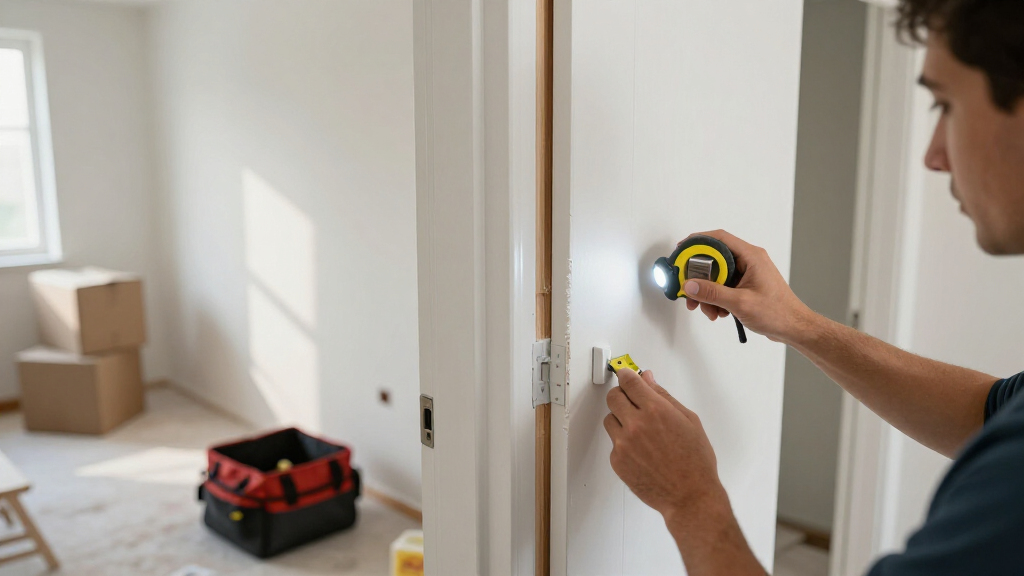
Finally, the author recommends testing doors and windows by closing and locking them, then checking ceilings and upper corners for bubbling, cracked or peeling paint. The report says those signs can point to water issues, but they do not by themselves establish that a leak or structural problem exists. Renters are advised to photograph defects and ask whether repairs will be made before move-in.
Small Defects Can Shape a Lease
A lease commits a renter to a home whose everyday conditions may be harder or more expensive to address after move-in. Finding a faulty latch, inconvenient outlet layout or possible moisture damage during a viewing gives prospective tenants a chance to document the issue and ask the landlord or agent for information before signing.
The checklist is not a substitute for a professional inspection, and a visual sign alone cannot confirm a building defect. Its value is as a prompt to look beyond staging and furnishings, record concerns, and seek clear answers about repairs. That may help renters compare units on practical features as well as price and appearance.
Popular right now

Bose QuietComfort True Wireless Earbuds with Active Noise Cancellation, Black

DeLonghi Rivelia Automatic Espresso Machine Bundle with Grinder and Frother, Beige

Shark Navigator Lift-Away Upright Vacuum (NV360)
As an affiliate, we earn on qualifying purchases.
After the Summer Moving Rush
House Beautiful’s report describes a pattern its author has experienced: after the summer moving period and Labor Day, renters may settle into a new home and notice details missed during the tour. The source presents this as personal observation; it offers no rental data establishing that regret rises at a particular time of year.
The article’s six checks are intended for an in-person viewing before a lease is signed. They center on visible or testable conditions rather than lease terms, building records or legal requirements. The publication’s advice is general and does not assess any specific apartment or landlord.
““The main thing is to always look up during your apartment viewing.””
— House Beautiful report
What a Viewing Cannot Confirm
The report does not identify a particular apartment, rental company or policy change, and it provides no data on how common renter regret is. It also does not establish whether any visible paint damage reflects an active leak, a repaired past problem or a cosmetic issue. A viewing may reveal signs worth investigating, but it cannot confirm their cause or severity.
The article gives no location-specific guidance on inspection rights, repair obligations or lease protections. Those rules can depend on local law and the lease. Its claims about window direction and energy use are general observations, not estimates of costs for an individual home.
Document Concerns Before Signing
For renters using the checklist, the next step is to note and photograph visible defects during the tour, then ask the landlord or leasing agent for written clarification about repairs and timing before signing. Prospective tenants can also test doors, windows, switches and outlets while access is available and compare the answers with the lease and any move-in documentation.
The source does not announce a follow-up investigation or provide a date for further developments. Whether repairs will be completed, and what a particular landlord is responsible for, remain matters to confirm for each unit.
Key Questions
What six things does the checklist recommend checking?
It recommends checking outlet number and placement, floor level, overhead lighting, window direction, door and window operation, and signs of bubbling or cracked paint.
Does bubbling or peeling paint prove there is a leak?
No. The report says damaged paint can be a sign of water issues, but a visual check alone does not establish the cause or confirm an active leak. Ask for an explanation and document what you see.
Why check which direction the windows face?
The report says window direction affects natural light and may influence heat and cooling needs. It also notes that light conditions matter for houseplants, though it gives no unit-specific energy estimate.
What should renters do if they find a problem?
Photograph the issue, ask the landlord or agent whether it will be repaired before move-in, and seek written clarification before signing. Check the lease and local rules for obligations that apply to the specific rental.
Source: rss