TL;DR

Get business pricing on tools and workshop supplies
- Business-only prices and quantity discounts
- Tax-exempt purchasing
- Multiple users, one account, clear invoices
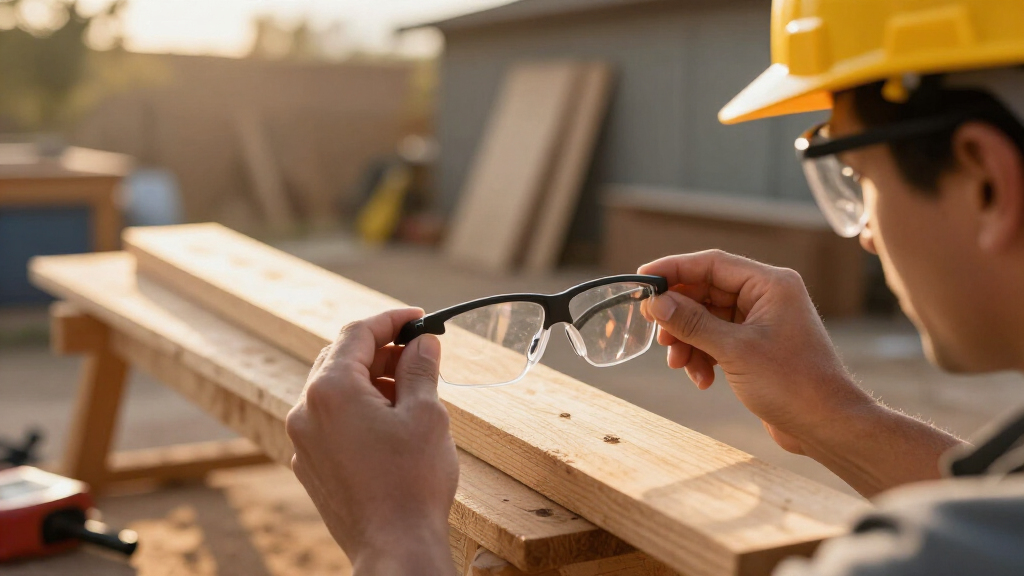
The right eye protection is determined by the specific hazard — flying debris, fine dust, chemical splash, or radiation — not by lens color or price. Look for ANSI/ISEA Z87.1 markings (Z87+ for high impact), layer a face shield over glasses or goggles for grinding, and use sealed goggles for dust and chemicals. Fit and anti-fog performance decide whether the protection actually stays on your face.
I spent twenty years on renovation sites, and I can tell you the most dangerous eye protection on any job site is the pair sitting in your truck because it fogs up, pinches, or you can’t see through the scratches. Most construction eye injuries are preventable — but only with protection that matches the hazard AND stays on your face all day.
Here’s the mistake I see constantly: guys buy one pair of safety glasses and wear them for everything. Drilling? Same pair. Grinding? Same pair. Mixing cement? Same pair. That works right up until it doesn’t — and eye injuries happen in fractions of a second with no do-overs.
In this guide, you’ll learn how to match eye protection to the actual task, decode the ANSI Z87.1 markings stamped on the frame, pick the right goggle ventilation type, and get a fit that survives sweat, respirators, and hard hats. No product roundups. Just the selection logic that keeps your eyesight intact.
Match eye protection to the hazard — not comfort, price, or lens color; one pair cannot cover every construction task.
Look for ANSI/ISEA Z87.1 markings: Z87+ for high impact, D3 for splash, D4/D5 for dust — and read them as a complete system.
A face shield is secondary protection; wear rated glasses or goggles underneath it for grinding and chipping.
Goggle ventilation matters: indirect vents for splash, sealed goggles for fine dust, direct vents only where liquids aren’t present.
Fit drives compliance — test eyewear with your full PPE stack on, and replace scratched, fogged, or damaged gear rather than repairing it.
How to Select the Right Safety Glasses for Construction Tasks
The right eye protection is determined by the specific hazard — flying debris, fine dust, chemical splash, or radiation — not by lens color or price. Match the protection to the task, decode the Z87 markings, and get a fit that stays on your face all day.
The 5-Question Hazard Assessment
Before you buy anything, walk through what the task actually throws at your face — like choosing footwear: steel-toes for a slab pour, rubber boots for mud. Nobody expects one shoe to do every job.
What could strike?
Dust, liquid, radiation, heat, or flying debris — list them all.
From which directions?
Debris rarely comes straight ahead; side coverage matters.
How much energy?
A nail-gun fragment carries far more energy than sawdust.
What other PPE?
Respirators, hard hats and earmuffs fight for the same real estate.
Will fogging win?
Be honest — the best glasses are useless in your pocket.
Task-by-Task Protection Table
One rule decides everything: match the protection type to the hazard energy and direction. Two rows deserve emphasis — concrete cutting is a double hazard (high-speed debris plus silica dust), and arc-flash work is a different category entirely, requiring a rated arc-flash system.
| Task or Hazard | Right Protection | Watch Out For |
|---|---|---|
| General site work, hand tools | Impact-rated glasses with side shields | Fashion glasses don’t count |
| Drilling, sawing, fastening | Impact glasses; goggles if debris wraps around lenses | Check side coverage |
| Grinding, chipping, masonry cutting | Glasses or goggles plus face shield | Shields supplement, never replace |
| Concrete, drywall, wood dust | Sealed or indirect-vent goggles | Glasses leave gaps for fine particles |
| Cement, cleaners, coatings | Chemical-splash goggles; shield for heavy splash | Wet cement causes serious burns |
| Painting or spraying | Goggles compatible with the selected respirator | Ventilation type and chemical compatibility matter |
| Welding, torch cutting | Correct shade filter over rated eye protection | Clear lenses block no optical radiation |
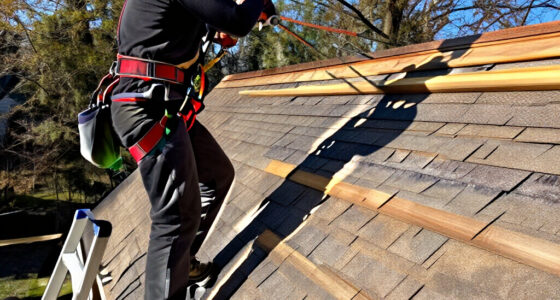
| Roofing, outdoor work | Impact lenses with confirmed UV protection | Dark tint ≠ UV protection |
| Low-light or indoor work | Clear lenses, anti-fog coating | Dark lenses hide trip hazards |
| Laser levels | Laser eyewear matched to exact wavelength | Welding lenses aren’t laser protection |
| Arc-flash / electrical | Arc-rated face and head protection system | Basic glasses don’t address thermal hazard |
The Cheat Code Stamped on the Frame
No tint or marketing claim overrides the permanent markings on the lens and frame. If you’re mixing coatings and the goggles only carry Z87 with no D3 marking, they are not splash goggles — walk away.
Basic Impact
The baseline rating — fine for hand tools and light site work only.
High Impact
What you want for anything generating fast-moving debris: grinding, chipping, nail guns.
Liquid Splash & Droplets
Required for cement, cleaners, coatings and corrosive chemicals.
Dust
Confirms the seal actually keeps concrete, drywall and wood dust out.
Fine Dust
The tighter rating for silica fines and grinding swarf suspended in the air.
Filter Designations
Ultraviolet, infrared and visible-light filters, each with a scale number.
Welding Filter
Shade selection depends on the process and operating conditions.
Variable Tint / Special
Variable-tint lenses and special-purpose designations for specific conditions.
OSHA expects primary rated safety glasses or goggles underneath it, because particles and liquids travel around a shield’s open sides and bottom. For grinding and chipping, always layer — never substitute.
Where Protection Actually Fails
Goggle ventilation matters as much as the rating, and fit decides whether the protection stays on your face. The most dangerous eye protection on any job site is the pair sitting in your truck because it fogs up, pinches, or you can’t see through the scratches.
Indirect-Vent Goggles
For cement, cleaners, coatings and corrosive chemicals. Vented pathways block liquid entry while limiting fogging.
Sealed Goggles
For silica, drywall and wood dust. Ordinary glasses stop chunks from the front, but dust finds every gap at your temples and brow.
Direct-Vent Goggles
Best airflow, least fogging — but only where liquids and fine dust are not present. Choose the wrong one and the hazard wins.
Start With the Hazard, Not the Price Tag: A 5-Question Assessment
The right eye protection is determined by the hazard — not simply by comfort, price, or lens color. Before you buy anything, walk through what the task actually throws at your face. Construction workers may encounter flying fragments, fine silica dust, chemical splashes, UV and infrared radiation, molten metal, and high-energy impacts — often in the same afternoon.
Think of it like choosing footwear: steel-toe boots for a slab pour, rubber boots for mud, sneakers for nothing on site. Nobody expects one shoe to do every job, yet that’s exactly what we expect from a $9 pair of safety glasses.
Here’s the assessment I run before any new task, and you should too:
- What could strike or enter the eyes? Dust, liquid, radiation, heat, or flying debris — list them all.
- From which directions can exposure occur? Debris rarely comes only from straight ahead; side coverage matters.
- How much impact energy is involved? A nail gun fragment carries far more energy than sawdust.
- What other PPE will you wear? Respirators, hard hats, earmuffs, and face shields all fight for the same real estate on your head.
- Will fogging or poor fit tempt you to take them off? Be honest — the best glasses in the world are useless in your pocket.
Here’s the assessment in action. Framing with a nail gun: high-energy impact from straight ahead and the sides, so you need Z87+ glasses with full side shields. Move to mixing self-leveling underlayment an hour later: the hazard flips to liquid splash and alkali dust, so the glasses come off and indirect-vent D3/D4 goggles go on. Same worker, same morning, completely different protection.
Last summer I watched a guy chipping mortar with a rotary hammer while wearing drugstore readers. No side shields, no impact rating. A chunk of mortar ricocheted off the wall past his temple. That’s the gap between ordinary eyewear and rated protection — regular prescription and fashion glasses are never substitutes, no matter how sturdy they look. It’s like trusting a rain jacket to stop a nail gun: it covers the surface, but it was never tested for the hit.
Conditions change mid-job. When tools, materials, or the crew next to you change, reassess your eye protection — the glasses that were fine for framing may be wrong for the grinding that follows.
Popular right now

Vitamix Propel Series 510 Professional-Grade Blender, 3 Programs, Black

Dreame L50 Ultra Robot Vacuum and Mop

Bose QuietComfort Wireless Bluetooth Headphones with Active Noise Cancellation, Mic, USB‑C Charging, Deep Bass, 24‑Hour Battery – White Smok
As an affiliate, we earn on qualifying purchases.
Match the Glasses to the Job: Task-by-Task Protection Table
How to select glasses for different construction tasks comes down to one rule: match the protection type to the hazard energy and direction. A task-specific table beats guesswork every time. Construction workers may need three or four different types of protection across a single project — that’s normal, not excess.
| Task or Hazard | Right Protection | Watch Out For |
|---|---|---|
| General site work, hand tools | Impact-rated glasses with side shields | Fashion glasses don’t count |
| Drilling, sawing, fastening | Impact glasses; goggles if debris wraps around lenses | Check side coverage |
| Grinding, chipping, masonry cutting | Glasses or goggles plus face shield | Shields supplement, never replace |
| Concrete, drywall, wood dust | Sealed or indirect-vent goggles | Glasses leave gaps for fine particles |
| Cement, cleaners, coatings | Chemical-splash goggles; shield for heavy splash | Wet cement causes serious burns |
| Welding, torch cutting | Correct shade filter over rated eye protection | Clear lenses block no optical radiation |
| Roofing, outdoor work | Impact lenses with confirmed UV protection | Dark tint ≠ UV protection |
| Low-light or indoor work | Clear lenses, anti-fog coating | Dark lenses hide trip hazards |
| Laser levels | Laser eyewear matched to exact wavelength | Welding lenses aren’t laser protection |
| Arc-flash / electrical | Arc-rated face and head protection system | Basic glasses don’t address thermal hazard |
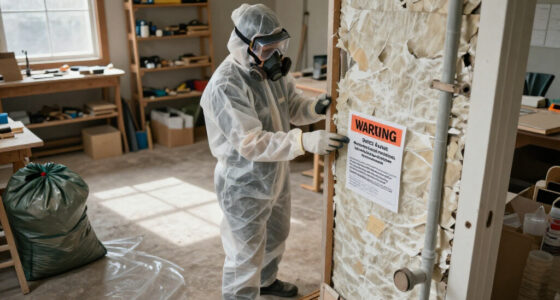
Two rows deserve emphasis. Cutting concrete is a double hazard — high-speed debris plus silica-containing dust — so you’re often looking at high-impact goggles, a face shield, and respiratory protection together. Picture a walk-behind saw on a driveway: chunks flying off the blade, and a visible cloud of silica dust hanging in the air afterward. Ordinary glasses stop the chunks from the front but the dust finds every gap at your temples and brow, which is why sealed goggles, not glasses, carry that row.
And arc-flash work is a different category entirely; for anything beyond basic electrical PPE questions, consult a licensed electrician or safety professional — thermal hazards can be fatal and code requirements are strict.
Decode the Z87 Markings So You’re Not Guessing in the Store
ANSI/ISEA Z87.1 markings are the cheat code for buying eye protection: the stamped codes on the lens and frame tell you exactly what the product is rated for, and no tint or marketing claim overrides them. In the US, OSHA expects construction eye protection to meet a recognized consensus standard, and Z87.1 is the one you’ll see most.
The basics first. Z87 means basic-impact protection. Z87+ means high-impact — that’s what you want for anything generating fast-moving debris. Beyond impact, the dust and splash codes matter most on construction sites: D3 covers liquid splash, D4 covers dust, and D5 covers fine dust. If you’re mixing coatings and the goggles only carry Z87 with no D3 marking, they are not splash goggles — walk away.
A concrete example: say you’re grinding welds on structural steel. You’d want to see Z87+ for the high-speed fragments, and if there’s grinding swarf and fines in the air, D4 or D5 tells you the seal actually stops them. Compare that to a pair stamped only “Z87” with no other codes — fine for reading a tape measure in the site trailer, not fine for the task.
You’ll also see filter codes: U for ultraviolet (with a scale number), R for infrared, L for visible light, and W for welding filters. A shade-10 welding lens, for instance, carries a W marking with its shade number — that’s how you know a torch-cutting lens is actually rated for torch cutting and not just dark glass. V marks variable-tint photochromic lenses; S marks special-purpose tints.
Here’s the part people miss: read the markings as a complete system. A lens tint or a single symbol does not establish suitability for every hazard. A pair marked Z87+ U6 is great for outdoor impact work — say, driving screws on a roof deck all day — but useless against a chemical splash when you move inside to acid-clean tile. It’s like reading only the first line of a nutrition label and assuming the rest. And if you work under European standards, the EN/ISO system uses different codes entirely — don’t cross-apply them.
Real-world check: grab your current glasses right now and look at the temple. If there’s no Z87 stamp at all, they’re costume jewelry with a strap. I’ve opened plenty of toolbags and found exactly that.
Goggles: Ventilation Types Decided by the Hazard
No single piece of eyewear covers every hazard because each form factor seals — or fails to seal — differently. Safety glasses protect the front with limited side coverage. Goggles form a seal against the face. Face shields cover the whole face but leave openings at the sides and bottom. Choose based on where the hazard can come from.
The layered approach is the pro standard. For grinding or high-energy debris, wear safety glasses or goggles underneath a face shield. The shield catches the big stuff and protects your face; the primary eyewear catches whatever deflects underneath it. I once saw a cut-off wheel shatter mid-cut — the shield took the fragments, and the glasses underneath caught the two chips that snuck past the bottom edge. That’s why the layering exists.
For goggles, ventilation type changes everything. Picture the three types as three doors:
- Directly ventilated — holes straight through the goggle body. Best airflow, worst for liquids and fine dust; the same holes that let air in give splashes and particles a straight path too. Fine for outdoor wood sanding where sawdust is coarse and there’s no liquid in sight.
- Indirectly vented — vents that maze or hood the airflow, so air moves but liquids can’t take a straight path in. The sweet spot for splash work: think mixing deck stain or handling muriatic acid for brick cleaning.
- Non-vented / sealed — no path in at all, like a jar lid for your eye sockets. Maximum isolation for fine dust and vapor — cutting concrete, sweeping dry cement — but expect fogging without good anti-fog treatment.
Can a face shield replace safety glasses? Almost never. Particles and liquids travel around shields, which is why primary eye protection goes underneath unless your site’s hazard assessment specifically says otherwise. Imagine a garden hose sprayed at a windshield from the side — the glass stops the front, but the water goes everywhere around it.
Get the Fit Right (and Handle Prescription Lenses Without Excuses)
Certified eyewear fails on the job when it doesn’t fit — gaps, pressure points, and fogging are why protection comes off, and protection in your pocket protects nothing. Fit checks take sixty seconds and should happen with the full PPE stack on, hard hat and respirator included.
Run through this checklist the way you’d test a fall harness — you don’t trust it until you’ve hung in it:
- Lenses cover the eyes with no large gaps at the brow or temples.
- Side shields sit correctly positioned, not tilted away.
- The frame stays secure when you bend over and sweat.
- Eyelashes don’t brush the lenses.
- Coverage holds when worn with your hard hat, earmuffs, and respirator together.
Here’s what a failed check looks like in practice: I once watched a laborer tip his head to read a tape measure and his glasses slid down and off entirely — the temples were too wide for his face and no one had ever checked. Gaps at the brow are just as bad; a fine silica cloud will find a quarter-inch gap the way water finds a hole in a boot.
“One size fits all” is a marketing phrase, not a fact. Facial dimensions vary enormously — a goggle that seals perfectly on a narrow face may leak at the cheeks on a wide one — and a better strategy is offering two or three sizes or styles. This is exactly why comfort directly drives compliance — lightweight, well-fitting, anti-fog eyewear stays on faces.
On prescriptions: your regular glasses almost certainly lack the impact resistance, side protection, and tested assembly required for construction. Think of it this way — a dress shoe and a work boot are both footwear, but only one survives a dropped wrench. Your options are rated prescription safety glasses built as a compliant lens-and-frame unit, over-the-glasses (OTG) goggles, or goggles with manufacturer-approved prescription inserts. The OTG route works fine — as long as the prescription frame doesn’t lift the goggle or break its seal, which shows up instantly when you do the bend-over test above. And contact lenses? They’re permitted in many workplaces with proper eyewear over them, but a contact lens is not protective equipment and never replaces it.
Lens Material, Coatings, and Tint: What Actually Matters
Polycarbonate is the default lens material for construction because it’s light and highly impact resistant — most quality safety glasses use it. Think of polycarbonate vs. other lens materials like a hard hat vs. a baseball cap: the cap might survive a glancing branch, but only the tested shell handles the real strike. Other materials trade off better scratch resistance or chemical compatibility, but poly is the right starting point for impact work.
Coatings are where cheap and pro-grade eyewear separate. The ones worth paying for:
- Anti-fog coatings — non-negotiable for humid work, cold conditions, or respirator use. If you’ve ever pulled a respirator off and found your lenses whited-out like a shower door, you know exactly why.
- Hard coatings — resist the scratching that ends lens life early. A cheap uncoated lens that rides loose in a toolbag can haze over in a month; a hard-coated one lasts a season or more.
- Oleophobic/hydrophobic coatings — shed oil and water, wipe clean faster. Useful when you’re constantly wiping drywall dust off with a glove.
- UV-filtering lenses — for outdoor exposure; many clear polycarbonate lenses block UV, but confirm via the marking, not the tint.
Tint selection trips people up. Dark lenses indoors are genuinely hazardous — imagine walking a dim basement stair full of rebar stubs wearing sunglasses — they reduce hazard recognition and add trip risk. Clear lenses in blazing sun cause squinting and fatigue, like driving west at 6 p.m. with no visor. And here’s a trap: photochromic lenses react too slowly for rapid light changes and often won’t darken fully inside vehicle or equipment cabs because windshields block the UV that activates them — the guy who steps out of a tinted cab into full sun with lenses still clear learns this one fast. Yellow or amber “low-light” lenses increase perceived contrast in some conditions, but they alter color perception and cut total light — clear is usually the safest default indoors unless your assessment supports a specific tint.
Polarized lenses are great for glare on flat surfaces — think roof work over a reflective white TPO membrane — but skip them if you need to read instrument displays or evaluate surface conditions where glare actually tells you something, like spotting wet spots on a sealed deck.
PPE Conflicts, Maintenance, and Knowing When to Throw Them Out
Eye protection must be tested as part of your complete PPE system, because the most common failure isn’t the glasses — it’s the respirator pushing them out of position. Warm exhaust air fogging lenses, earmuffs breaking a goggle seal, hard-hat suspension clamping temples, face shields striking goggles when raised: these conflicts quietly defeat certified gear.
Example: a half-mask respirator with exhaust ports aimed up will fog a goggle lens in under five minutes — the worker ends up peeking under the seal to see, and the seal might as well not exist. The fix is choosing compatible models — respirators with downward-pointing exhaust or low-profile eyewear — never modifying certified PPE. I’ve seen guys drill vent holes in goggles to fight fog. That’s not engineering — that’s destroying the rating. It’s like cutting the toes out of steel-toe boots to make them lighter: technically more comfortable, completely useless now.
Inspect eyewear before every use and replace it when you see:
- Cracked, deeply scratched, pitted, or distorted lenses — a lens with a grinding-spark pit right in your sightline is done, even if it’s “still basically clear”
- Loose temples, damaged straps, weakened hinges
- Missing side shields
- Chemical damage or heat deformation — goggles left on a dashboard in July can warp
- Coatings degraded enough to impair vision
Clean with the manufacturer’s recommended method — a dry shop rag on a dusty polycarbonate lens is sandpaper, and the wrong solvent destroys coatings. Store eyewear in a case, not loose in a toolbox where everything sharp lives. Shared goggles get cleaned and disinfected between users, and eyewear contaminated by hazardous chemicals may need specialized decontamination or disposal. There’s no fixed replacement calendar; replace when damage or wear reduces protection or visibility. Scratched lenses that haze or glare when you face the sun? Done. Your eyes are worth the twelve dollars.
Frequently Asked Questions
Are safety glasses enough for grinding?
Usually not by themselves. Grinding throws high-speed fragments from both the workpiece and the abrasive wheel. Wear impact-rated glasses or goggles plus a face shield, based on your site’s hazard assessment — the shield supplements primary protection, never replaces it.
What is the difference between Z87 and Z87+?
Z87 marks basic-impact protection; Z87+ marks high-impact protection. Tasks generating fast-moving debris — grinding, cutting, nail guns — call for Z87+. The marking is stamped permanently on the lens and frame.
Can I wear regular prescription glasses under safety goggles?
Yes, if the goggles are designed for over-the-glasses (OTG) use and maintain a secure seal. The prescription frame must not lift the goggles or create pressure points. Better options are rated prescription safety glasses or approved prescription inserts.
Do clear safety glasses block UV radiation?
Many polycarbonate lenses do block UV, but clarity proves nothing. Confirm UV performance through the U marking and scale number on the lens or the manufacturer’s specifications — never assume from tint or lack of it.
How often should safety glasses be replaced?
There’s no fixed interval. Replace eyewear when lenses are cracked, deeply scratched, pitted, or distorted; when hinges, straps, or side shields fail; or when coatings degrade enough to impair visibility. Some employers run scheduled replacement programs on top of that.
Why do my safety glasses fog up, and how do I stop it?
Fog forms when warm, moist air condenses on cooler lenses — especially with respirators or in cold weather. Use certified anti-fog coatings, properly fitted compatible respirators, and correct cleaning. Never drill vent holes or modify certified eyewear; that destroys the rating.
Conclusion
If you remember one thing: the hazard picks the eyewear, the markings verify it, and the fit decides whether it works. A sealed D5-rated goggle for silica dust, a Z87+ pair with a face shield for grinding, indirect-vent splash goggles for coatings — three tools, one intact set of eyes.
Before your next task, do the sixty-second check: what’s coming at my face, from which direction, and does what I’m wearing carry the right stamp for it? Because on a job site, you don’t get a second chance to select eye protection after the fragment is already airborne.