
TL;DR

Get business pricing on tools and workshop supplies
- Business-only prices and quantity discounts
- Tax-exempt purchasing
- Multiple users, one account, clear invoices
Choosing the right work gloves depends on understanding hazards, materials, and fit. Matching gloves to specific tasks reduces injuries and boosts efficiency on-site.
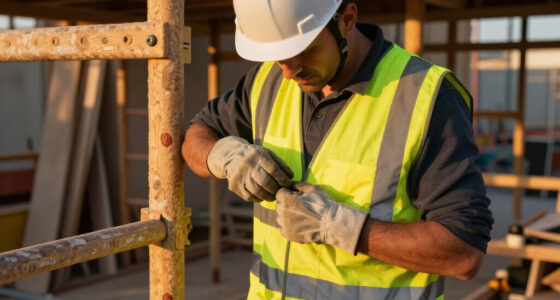
Imagine you’re framing a wall. You reach for a pair of gloves, but which ones? The wrong choice can leave you vulnerable to cuts, burns, or chemical exposure. The right gloves, however, can turn your hands from liability into your strongest asset. Construction work isn’t one-size-fits-all; each task demands different protection, flexibility, and durability.
In this guide, you’ll learn how to pick gloves that match specific jobs—whether you’re handling sharp metal, pouring concrete, or wiring electrical panels. We’ll cover materials, standards, and recent innovations that keep your hands safe without sacrificing dexterity. Because in construction, your hands are your tools—treat them well.
Always match glove protection levels to the specific hazards of each construction task—one size does not fit all.
Material choice matters: leather for abrasion, rubber for chemicals, Kevlar for cuts, nitrile for disposables.
Proper fit and comfort are critical; measure your hands carefully and try different sizes for safety and efficiency.
Stay updated on glove innovations—new fibers and grip technologies can greatly enhance safety and dexterity.
Understand safety standards and certifications to ensure your gloves meet industry requirements and truly protect you.
How to Match Glove Protection to Your Construction Tasks
Every construction task carries its own set of hazards. Picking gloves isn’t just about comfort; it’s about matching the glove’s protective features to the risks involved. For example, handling sheet metal or glass requires cut-resistant gloves, while working with chemicals calls for chemical-resistant gear. Think of it like choosing the right tool for a job—using a screwdriver to hammer nails doesn’t make sense, and neither do the wrong gloves.
Start by assessing the task. Is it heavy-duty? Will you be exposed to sharp edges? Will there be chemicals or extreme heat? Once you know the hazards, select gloves that provide the right level of protection. For instance, a roofer working on shingles needs abrasion-resistant gloves with good grip, while an electrician wiring a panel benefits from high-dexterity gloves that allow fine motor control. Matching gloves to tasks minimizes injury risk and keeps your work flowing smoothly.
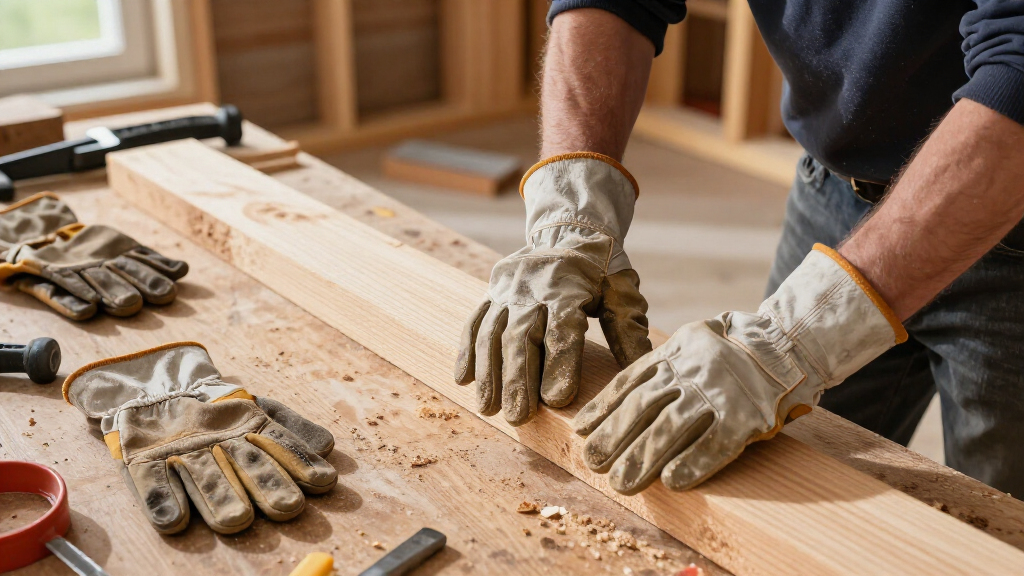
Concrete examples include: using leather gloves with reinforced palms for framing, nitrile gloves for handling chemicals, and lightweight Kevlar blends for detailed electrical work. Remember, no glove is perfect for all tasks. Always evaluate the specific hazards—cut, puncture, chemical, heat—and pick accordingly. This targeted approach saves time, money, and most importantly, your hands.
Popular right now

KitchenAid Artisan Series 5-Quart Tilt-Head Stand Mixer, Dried Rose (KSM150PS)

Vitamix Propel Series 510 Professional-Grade Blender, 3 Programs, Black

Dreame L50 Ultra Robot Vacuum and Mop
As an affiliate, we earn on qualifying purchases.
Understanding Material Choices: Leather, Rubber, Kevlar, and More
Work gloves come in a variety of materials, each suited for specific tasks. Leather is the classic choice for heavy-duty jobs—think framing or roofing—thanks to its durability and abrasion resistance. It acts as a sturdy shield that can withstand rough handling, which is crucial when working with abrasive surfaces or materials that might cause cuts or tears. However, leather’s rigidity can limit dexterity, making fine tasks more challenging. Choosing leather means balancing durability with flexibility—important when protecting hands from physical wear but potentially sacrificing finesse.
Rubber and latex gloves excel in chemical and waterproof environments. Their flexibility and tight fit help prevent chemical penetration, which is vital when handling hazardous substances. However, their puncture resistance is limited, so they’re not suitable for sharp objects. Kevlar or other cut-resistant fibers are woven into gloves designed to protect against sharp edges—like when cutting rebar or handling glass—while still allowing some dexterity. These gloves are essential for reducing the risk of severe cuts but often come with tradeoffs in breathability or tactile sensitivity.
Nitrile and vinyl gloves often serve as disposable protection during tasks like mixing concrete or handling small parts. They’re low-cost and convenient but limited in durability and chemical resistance. Understanding these tradeoffs is critical: selecting a glove material that doesn’t match the hazard can lead to injuries or glove failure, compromising safety and increasing costs. For example, using thin vinyl gloves for heavy rebar work may save money initially but can result in cuts and hand injuries that outweigh the savings. Recognizing the strengths and limitations of each material ensures you choose the best protection for the specific hazards you face, ultimately reducing injury risk and improving work efficiency.
Why this matters is that selecting the wrong material can have serious implications. Using inadequate gloves in hazardous situations increases the likelihood of injuries, which can lead to downtime, medical costs, or even legal liabilities. Conversely, over-specifying gloves can result in unnecessary expense and reduced dexterity, hampering productivity. Therefore, understanding the tradeoffs—durability versus flexibility, cost versus protection—is essential for making informed choices that balance safety, comfort, and budget constraints. This nuanced understanding helps you tailor your PPE to each task, leading to safer, more efficient work environments.
Ensuring Proper Fit and Comfort for Safe, Efficient Work
Proper fit isn’t just about comfort; it’s a safety issue. Ill-fitting gloves can slip, cause blisters, or even lead to accidents. Too tight, and they restrict movement; too loose, and they can snag or fall off. Think of gloves like a second skin—snug but not constricting. When gloves fit well, they allow precise movements, which is especially critical during detailed tasks like wiring or assembling intricate components.
For example, a worker wearing gloves that are too large might struggle to grip small screws or wires securely, increasing the risk of slips or dropped tools, which can cause injury or delays. Conversely, overly tight gloves can cause fatigue and numbness over prolonged use, reducing dexterity and increasing the chance of mistakes. The key is finding a balance—measure your hand carefully, using a tape measure around the palm at its widest point, and consult the manufacturer’s size chart. Trying on different sizes helps ensure the best fit, which directly impacts safety and efficiency.
Comfort also involves breathability and moisture-wicking properties, especially in hot environments. Sweaty gloves can lead to slips and discomfort, distracting workers and increasing fatigue. Ergonomic designs with pre-curved fingers and flexible, breathable fabrics help maintain comfort and reduce fatigue during extended periods. A well-fitting glove enhances safety by reducing hand fatigue and allowing better grip, which translates into higher productivity—less time spent adjusting or removing gloves due to discomfort or slippage. Ultimately, investing in properly fitting gloves pays off through safer, more comfortable, and more efficient work.
Latest Innovations: How New Materials and Designs Boost Safety and Dexterity
Construction gloves have evolved significantly with new materials and smart designs. Lightweight fibers like Dyneema and Spectra provide high-strength protection without adding bulk, allowing workers to maintain dexterity while staying safe. These advanced materials are engineered to be as thin as a second skin but capable of stopping blades or other sharp objects—crucial for tasks requiring both finesse and protection. They enable precise handling of electrical components, delicate fixtures, or wiring without sacrificing safety.
Grip technology has also advanced, with textured coatings such as nitrile patterns that enhance grip in wet or oily conditions. These textured surfaces act like a tire tread for your hands, providing a secure hold and reducing slips that could lead to injuries. This is especially important in unpredictable weather or when handling greasy materials, where loss of grip can cause accidents. These innovations help mitigate risks associated with slips and drops, which are common hazards in construction sites.
Cut-resistant gloves now incorporate stronger fibers woven with steel or high-performance polymers, making them more reliable against sharp edges. Ergonomic designs with pre-curved fingers, breathable fabrics, and moisture-wicking properties reduce fatigue during long shifts. For example, a crew installing steel rebar benefits from gloves that protect against cuts while maintaining comfort over hours of work. Staying informed about these technological advancements allows you to select gloves that optimize safety, grip, and comfort—key factors in reducing injuries and improving overall work quality.
Standards and Certifications: What to Look for When Buying Work Gloves
Not all gloves are created equal. To ensure safety, look for gloves that meet recognized standards like ANSI/ISEA 105, EN 388, or OSHA compliance labels. These certifications indicate the gloves have been tested for specific hazards—cut resistance, puncture, abrasion, or chemical protection. For example, gloves with an ANSI cut level 3 or 4 are suitable for handling sharp metals or glass, providing a clear safety benchmark and giving you confidence in their protective performance.
When buying gloves, check the packaging or product labels carefully. A glove that meets EN 388, for instance, will have a series of numbers indicating its resistance levels against abrasion, cut, tear, and puncture. Higher numbers generally indicate better protection, but they can also mean increased stiffness or reduced dexterity. For example, a glove rated 4X43D offers excellent abrasion and cut resistance but may be less flexible, so consider the task’s precision requirements when choosing. Matching the standard to the hazard ensures you get appropriate protection without unnecessary bulk or cost.
Understanding safety standards is crucial because they serve as a common language that helps you compare gloves objectively. These standards also inform you about the glove’s performance in real-world scenarios, such as resistance to cuts or chemical exposure. Choosing gloves without proper certification risks inadequate protection, which can lead to injuries, regulatory non-compliance, or legal liabilities. Therefore, always prioritize certified gloves that align with your specific hazards to ensure maximum safety and compliance.
When to Use Task-Specific Gloves vs. Multi-Purpose Options
Using the same gloves for every task might seem convenient, but it’s often a false economy. Task-specific gloves are designed to protect against particular hazards—like cut-resistant gloves for metalwork or chemical-resistant gloves for handling solvents. Multi-purpose gloves are versatile but may not excel at any one hazard. Think of it like using a Swiss Army knife—handy, but not specialized. Choosing the right glove for the task ensures you get optimal protection without unnecessary bulk or restriction.
For example, if you’re installing drywall, lightweight, flexible gloves with good grip are ideal. But if you’re handling sharp metal edges, you need cut-resistant gloves with reinforced palms. Using the wrong glove can lead to injuries or accelerated wear, which costs more in the long run. For instance, wearing thin fabric gloves when working with rebar can result in cuts that require stitches, delaying progress and increasing costs. The tradeoff involves balancing protection with dexterity—overly protective gloves can hinder movement, while inadequate gloves increase injury risk.
Assess the hazards of each task carefully. Keep task-specific gloves accessible for high-risk activities and reserve more general-purpose gloves for routine or lower-risk work like cleaning or material handling. This targeted approach maximizes safety, maintains efficiency, and prevents unnecessary wear and tear on your gloves, ultimately saving money and reducing injury risk.
Frequently Asked Questions
How do I determine the right glove size for my hands?
Measure your hand around the palm, just below the knuckles, excluding the thumb. Use a tape measure or ruler and compare your measurement to the manufacturer’s size chart. Properly fitting gloves improve safety and reduce fatigue, so take this step seriously.
Are disposable gloves good enough for construction work?
Disposable gloves like nitrile or vinyl are suitable for tasks involving chemicals, small parts, or cleanups. However, for heavy-duty tasks like handling rebar or roofing, more durable, reusable gloves with specific protective features are necessary. Always match glove type to hazard level.
Can I wear the same gloves for different tasks?
Generally, no. Task-specific gloves provide better protection and performance. Using the wrong gloves can lead to injuries or faster wear. Keep a set of gloves tailored for high-risk jobs and switch when needed to stay safe and efficient.
What are the most important safety standards to look for?
Look for certifications like ANSI/ISEA 105 for cut resistance, EN 388 for abrasion and puncture resistance, and OSHA labels. These standards ensure the gloves have been tested and meet safety requirements for specific hazards, giving you confidence in their protective capabilities.
How often should I replace my work gloves?
Replace gloves when they show signs of wear—tears, holes, or loss of protective features. Regular inspection prolongs glove life but never compromise safety for savings. When in doubt, replace immediately after damage or after a certain period of heavy use.
Conclusion
Your hands are your most valuable tools on any construction site. Choosing the right gloves isn’t just about comfort; it’s a safety decision that can prevent serious injuries. Take the time to evaluate hazards, understand materials, and select gloves designed for each specific task.
Remember, a glove that fits well and meets safety standards keeps you working safely and confidently. Your hands will thank you, and your project will run smoother. So next time you gear up, think about what your gloves need to do—because in construction, safety starts with what covers your hands.