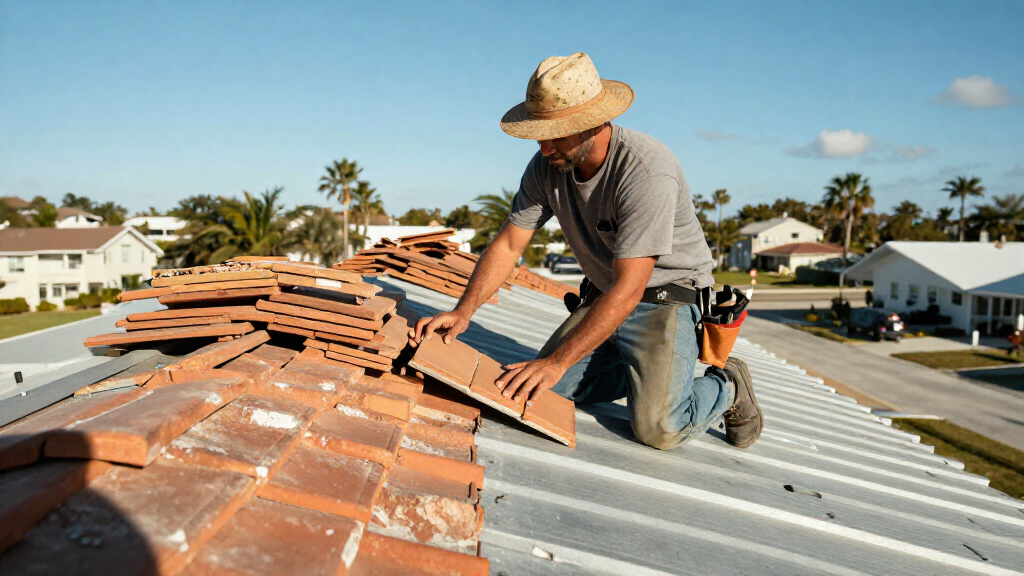

The best Florida roofing materials depend on whether you need underlayment beneath shingles or a waterproof membrane for a low-slope roof. My best overall pick is FT Synthetics Platinum HT-B, a self-adhering underlayment that suits roof areas where heat and water resistance matter. For broader coverage, Grip-Rite ShingleLayment HT is a practical synthetic option, while Firestone RubberGard EPDM is aimed at low-slope applications that call for a heavier rubber membrane. The main tradeoffs are roof compatibility, installation method, coverage, and whether you need a secondary water barrier or the roof covering itself. Read on for the full breakdown, selection criteria, and advice on matching materials to your roof and project.

Get business pricing on tools and workshop supplies
- Business-only prices and quantity discounts
- Tax-exempt purchasing
- Multiple users, one account, clear invoices
Complete the kit



Key Takeaways
- Roof type sets the shortlist: most synthetic underlayments here are installed beneath a roof covering, while EPDM rolls are membrane roofing options for suitable low-slope roofs.
- Self-adhering does not mean universally suitable: FT Synthetics Platinum HT-B and the small MYOYAY membrane can help with specific water-shedding details, but substrate and installation requirements still matter.
- EPDM thickness and format change the job: Firestone RubberGard is a 60-mil membrane in a smaller roll, while RoofShield’s 60-mil option covers a larger area per piece.
- Roll coverage is a real value factor: the 48-inch-by-250-foot underlayments cover broad roof areas, while short membrane rolls are better suited to repairs, flashing, and smaller sections.
- Product labels alone do not establish Florida-code suitability: verify current approvals, wind requirements, compatible components, and installation details for the property’s location before buying.
| Grip-Rite ShingleLayment HT Synthetic Roofing Underlayment Roll |  | Best Self-Adhering Underlayment for Heat | Material: Polypropylene | Type: Self-adhering synthetic underlayment | Roll dimensions: 36 in. x 67 ft. | VIEW LATEST PRICE | See Our Full Breakdown |
| MYOYAY Self-Adhesive Waterproof Roofing Membrane, 39 in x 16.4 ft, Gray |  | Best for Small Repairs and Custom Sections | Material: Rubber with aluminum-foil layer | Roll size: 39 in. x 16.4 ft. | Product dimensions: 196.8 x 39 x 0.06 in. | VIEW LATEST PRICE | See Our Full Breakdown |
| SIPA 100 GSM Synthetic Waterproof Roof Underlayment, 48 in x 250 ft |  | Best Large-Roll Coverage | Material: Non-woven polypropylene laminated with polyethylene | Roll dimensions: 48 in. x 250 ft. | Coverage: 1,000 sq. ft. | VIEW LATEST PRICE | See Our Full Breakdown |
| Zeluga 32-390 Synthetic Roofing Underlayment, 48 in. x 250 ft., 95 GSM, Gray |  | Best for Extended Exposure Scheduling | Material: Woven polypropylene | Roll dimensions: 48 in. x 250 ft. | Coverage: 1,000 sq. ft. (10 squares) | VIEW LATEST PRICE | See Our Full Breakdown |
| RoofShield EPDM Rubber Roofing Membrane 45 Mil, 15 ft x 30 ft |  | Best for Flat and Low-Slope Roofs | Material: EPDM rubber | Thickness: 45 mil | Coverage dimensions: 15 ft. x 30 ft. | VIEW LATEST PRICE | See Our Full Breakdown |
| 15 ft × 20 in EPDM Rubber Roofing Membrane, 27.5 Mil |  | Best for Narrow Repairs | Material: EPDM rubber | Dimensions: 15 ft × 20 in | Thickness: 27.5 mil | VIEW LATEST PRICE | See Our Full Breakdown |
| Firestone RubberGard EPDM Roofing Membrane, 60 Mil, 10 ft x 15 ft |  | Best for Low-Slope Roofs | Manufacturer: Firestone | Material: EPDM rubber | Thickness: 60 mil | VIEW LATEST PRICE | See Our Full Breakdown |
| Prismique Self-Adhesive EPDM Rubber Roofing Membrane, 62 mil, 39 in x 32.8 ft |  | Best Peel-and-Stick Option | Brand: Prismique | Material: Self-adhesive vulcanized EPDM rubber | Thickness: 62 mil | VIEW LATEST PRICE | See Our Full Breakdown |
| Chonway 45mil EPDM Rubber Roofing Membrane (6.6ft x 16.4ft) |  | Best Midweight Multi-Use Sheet | Material: EPDM rubber | Thickness: 45 mil | Dimensions: 6.6 ft × 16.4 ft | VIEW LATEST PRICE | See Our Full Breakdown |
| RoofShield EPDM Rubber Roofing Membrane 60 Mil, 15 ft x 20 ft | | Best Heavy-Duty Large-Area Membrane | Material: EPDM rubber | Thickness: 60 mil | Dimensions: 15 ft × 20 ft | VIEW LATEST PRICE | See Our Full Breakdown |
| FT Synthetics Platinum HT-B Self-Adhering Roofing Underlayment, 41 mil, 36 in. x 67 ft. |  | Best High-Temperature Self-Adhering Barrier | Manufacturer: FT Synthetics | Material: 100% butyl | Thickness: 41 mil | VIEW LATEST PRICE | See Our Full Breakdown |
| BXI SBS Modified Bitumen Waterproofing Membrane Roll, 13 Inch x 8.2 Feet, Thick Flexible Torch-On Asphalt Roofing Material, Self-Healing Flashing Sealant for Roof Foundation, Ice and Water Shield |  | Best for Small Repairs and Flashing | Material: SBS polymer-modified bitumen | Dimensions: 13 in. x 8.2 ft. | Thickness: 1/8 in. | VIEW LATEST PRICE | See Our Full Breakdown |
| ApxRoufin Synthetic Roofing Underlayment Roll, 48 in x 250 ft |  | Best Broad-Area Synthetic Coverage | Material: Polypropylene | Dimensions: 48 in. x 250 ft. | Coverage area: 1,000 sq. ft. | VIEW LATEST PRICE | See Our Full Breakdown |
| ArmorLay 25 Synthetic Roof Underlayment 4′ x 250′ |  | Best for Walkability During Installation | Material: Polyvinyl chloride (PVC) | Dimensions: 4 ft. x 250 ft. | Coverage area: 1,000 sq. ft. | VIEW LATEST PRICE | See Our Full Breakdown |
| Florida roofing material | Material | Color | Weight | Thickness |
|---|---|---|---|---|
| Grip-Rite ShingleLayment HT Sy | Polypropylene | White | 28 lb. | — |
| MYOYAY Self-Adhesive Waterproo | Rubber with aluminum-foil layer | Gray | 6.98 lb. | — |
| SIPA 100 GSM Synthetic Waterpr | Non-woven polypropylene laminated with polyethylene | Gray | 21.1 lb. | — |
| Zeluga 32-390 Synthetic Roofin | Woven polypropylene | — | 18.41 lb. | — |
| RoofShield EPDM Rubber Roofing | EPDM rubber | Black | 135 lb. | 45 mil |
| 15 ft × 20 in EPDM Rubber Roof | EPDM rubber | Black | 5.49 lb | 27.5 mil |
| Firestone RubberGard EPDM Roof | EPDM rubber | Black | 60 lb | 60 mil |
| Prismique Self-Adhesive EPDM R | Self-adhesive vulcanized EPDM rubber | Black | — | 62 mil |
| Chonway 45mil EPDM Rubber Roof | EPDM rubber | — | — | 45 mil |
| RoofShield EPDM Rubber Roofing | EPDM rubber | Black | 120 lb | 60 mil |
| FT Synthetics Platinum HT-B Se | 100% butyl | — | — | 41 mil |
| BXI SBS Modified Bitumen Water | SBS polymer-modified bitumen | Black | 6.83 lb | 1/8 in. |
| ApxRoufin Synthetic Roofing Un | Polypropylene | Gray | 18.36 lb | — |
| ArmorLay 25 Synthetic Roof Und | Polyvinyl chloride (PVC) | Gray | — | — |
More Details on Our Top Picks
Grip-Rite ShingleLayment HT Synthetic Roofing Underlayment Roll
For Florida projects where installation heat and temporary exposure are major concerns, I’d put Grip-Rite ShingleLayment HT ahead of mechanically fastened choices such as Zeluga 32-390. Its self-adhering, self-sealing design can simplify positioning and help seal around fasteners, while the non-skid surface supports footing during installation. The stated 180-day UV exposure window also gives a crew more scheduling room than SIPA’s 60-day limit. The tradeoff is coverage: one roll handles 201 square feet, far less than the 1,000-square-foot rolls from Zeluga and SIPA, so larger roofs require more rolls and handling. At 28 pounds, it is also heavier than the listed alternatives. I’d choose it for targeted underlayment coverage, not as the easiest option for covering a whole large roof.
Pros:- Self-adhering, self-sealing design can simplify placement and help seal around fasteners.
- High-temperature resistance suits hot-weather roofing work.
- Non-skid surface supports installer footing.
- UV-treated for up to 180 days of temporary exposure.
Cons:- Coverage is 201 square feet per roll, requiring many rolls for larger roofs.
- At 28 pounds, each roll is heavier than the listed SIPA and Zeluga rolls.
- Its self-adhering installation approach may not fit projects planned for mechanical fastening.
Best for: Florida roofers or homeowners seeking a self-adhering, heat-resistant underlayment for smaller roof sections or areas where sealing and installation grip matter.
Not ideal for: Buyers covering a large roof who want fewer rolls to manage, or anyone choosing a mechanically attached system rather than a self-adhering membrane.
- Material:Polypropylene
- Type:Self-adhering synthetic underlayment
- Roll dimensions:36 in. x 67 ft.
- Coverage:201 sq. ft.
- Weight:28 lb.
- UV exposure protection:Up to 180 days
- Color:White
- Model:SL2SQHT
Our verdict“Choose Grip-Rite for heat-conscious, self-adhering coverage on smaller areas, but compare its roll count and weight against Zeluga or SIPA for larger roofs.”
MYOYAY Self-Adhesive Waterproof Roofing Membrane, 39 in x 16.4 ft, Gray
MYOYAY’s 39-inch membrane is a compact, cut-to-size option for localized sealing rather than a substitute for a full-roof underlayment roll. Its rubber and aluminum-foil construction is intended to resist weather and heat, and self-adhesive backing avoids the separate fasteners required by SIPA 100 GSM. Compared with Grip-Rite ShingleLayment HT, this roll is lighter and narrower in scope, making it easier to handle for a patch or a small area; it does not offer the same stated 180-day UV exposure period or broad roof-deck coverage. Installation depends on a clean surface and firm pressing, and seams need overlap to reduce water entry. I’d reserve it for measured, limited sections where cutting a longer roll to fit is useful.
Pros:- Self-adhesive backing avoids the separate fasteners needed for mechanically attached underlayment.
- Can be cut to fit custom-sized sections.
- Intended for use on metal, wood, concrete, and tile.
- Aluminum-foil layer is designed to reflect heat and resist weather.
Cons:- The 16.4-foot roll is limited for whole-roof coverage.
- Surface must be clean and firmly pressed for adhesion.
- Seams need overlap, adding care to installation and layout.
Best for: Homeowners or repair crews sealing a small, clearly measured roof section across compatible metal, wood, concrete, or tile surfaces.
Not ideal for: Anyone underlayment-covering an entire Florida roof or needing documented long-term UV exposure protection and large-roll coverage.
- Material:Rubber with aluminum-foil layer
- Roll size:39 in. x 16.4 ft.
- Product dimensions:196.8 x 39 x 0.06 in.
- Weight:6.98 lb.
- Installation:Self-adhesive
- Color:Gray
- Manufacturer:MYOYAY
- Model:USY7-40893
Our verdict“Pick MYOYAY for small, cut-to-fit sealing jobs, not for broad roof-deck protection like the 1,000-square-foot SIPA roll.”
SIPA 100 GSM Synthetic Waterproof Roof Underlayment, 48 in x 250 ft
When the priority is covering a broad roof deck with one roll, SIPA 100 GSM makes a more practical choice than Grip-Rite ShingleLayment HT, which covers 201 square feet per roll. SIPA supplies 1,000 square feet and is listed for use beneath asphalt shingles and metal roofing, giving buyers a clear fit for common Florida roof systems. Its stated 60-day UV protection can accommodate a measured installation schedule, but it leaves less exposure time than Zeluga 32-390’s 180-day rating. SIPA is mechanically installed, so buyers need fasteners and a hammer or roofing nailer; it does not offer the adhesive placement of Grip-Rite or MYOYAY. I’d favor SIPA for planned, continuous roof installation where coverage and compatibility matter more than self-adhering convenience.
Pros:- A 1,000-square-foot roll reduces roll changes on larger roofs.
- Compatible with asphalt shingles and metal roofing.
- Water-resistant layer protects roof decking before the final covering is installed.
- Lightweight 21.1-pound roll is easier to handle than Grip-Rite’s 28-pound roll.
Cons:- UV exposure protection is limited to up to 60 days, less than Zeluga’s stated period.
- Requires separate fasteners and a hammer or roofing nailer.
- Functions as underlayment and must be covered by the final roofing material.
Best for: Roofing crews or homeowners covering a large deck beneath asphalt shingles or metal roofing on a schedule that keeps exposure within 60 days.
Not ideal for: Projects likely to leave the deck exposed beyond 60 days, or buyers who want self-adhering installation without separate fasteners.
- Material:Non-woven polypropylene laminated with polyethylene
- Roll dimensions:48 in. x 250 ft.
- Coverage:1,000 sq. ft.
- Weight:21.1 lb.
- UV exposure protection:Up to 60 days
- Compatible roofing:Asphalt shingles and metal roofing
- Standards:ASTM D4869, ASTM D226, ASTM D4533
- Color:Gray
Our verdict“Choose SIPA for broad, mechanically fastened coverage beneath shingles or metal when the roof can be covered within its 60-day exposure window.”
Zeluga 32-390 Synthetic Roofing Underlayment, 48 in. x 250 ft., 95 GSM, Gray
Zeluga 32-390 stands out for projects where Florida weather or crew scheduling could leave underlayment exposed for an extended period. Its stated 180-day UV protection gives it a longer window than SIPA’s 60 days, while both provide 1,000 square feet per roll. The textured, slip-resistant surface and printed nailing and overlap guides add practical help during placement, but this is a mechanically attached product, not a self-adhering alternative to Grip-Rite ShingleLayment HT. Its 95 GSM woven polypropylene construction is listed with several standards, though buyers still need to match the product and installation method to their roof design and local requirements. I’d pick Zeluga over SIPA when exposure time is the deciding factor; SIPA remains a sensible choice when its shorter window fits the schedule.
Pros:- Provides 1,000 square feet of coverage per roll.
- UV-treated for up to 180 days of exposure, longer than SIPA’s 60-day period.
- Textured, slip-resistant coating supports traction during installation.
- Printed nailing and overlap guides help with placement.
Cons:- Designed for mechanically attached roofing applications, so it does not provide self-adhesive placement.
- The 180-day exposure period is a limit, not a permanent uncovered-roof solution.
- At 18.41 pounds, the roll is lighter than the listed SIPA roll but still requires handling across a large format.
Best for: Roofers and property owners who need a full-size synthetic underlayment with a longer stated temporary exposure window and printed placement guides.
Not ideal for: Buyers needing self-adhering installation, or projects where the planned roofing system calls for a different attachment method.
- Material:Woven polypropylene
- Roll dimensions:48 in. x 250 ft.
- Coverage:1,000 sq. ft. (10 squares)
- Density:95 GSM
- Weight:18.41 lb.
- UV exposure protection:Up to 180 days
- Surface:Textured, slip-resistant TPO coating
- Standards:ICC-ES ESR-5197, AC188, ASTM D8257, CAN/CSA A123.3
Our verdict“Choose Zeluga over SIPA when a longer stated UV exposure window and on-roll layout guides matter more than self-adhering installation.”
RoofShield EPDM Rubber Roofing Membrane 45 Mil, 15 ft x 30 ft
Unlike Grip-Rite, SIPA, and Zeluga, which are underlayments installed beneath a finished roof covering, RoofShield 45-mil EPDM is the roof membrane itself for flat or low-slope applications. Its 15 x 30-foot sheet covers 450 square feet, and the product description says it stays flexible down to -62°F and resists UV, ozone, and heat aging. Those properties suit a range of climates, though Florida buyers should focus on proper low-slope system design and installation rather than treating the sheet as a complete roofing assembly by itself. At 135 pounds, it is much more demanding to handle than the underlayment rolls in this group, and the listing advises ordering larger dimensions than the measured roof. I’d choose it for a compatible low-slope project, not a conventional shingle roof.
Pros:- 45-mil EPDM membrane is intended for flat and low-slope roof applications.
- Listed to remain flexible down to -62°F.
- Designed to resist UV rays, ozone, and heat aging.
- Conforms to complex roof shapes and meets ASTM D4637.
Cons:- At 135 pounds, the sheet may require multiple people or suitable handling equipment.
- The 450-square-foot coverage may not suit larger roofs without additional material.
- Requires sizing beyond measured roof dimensions, increasing layout and material-planning demands.
Best for: Owners or contractors replacing a membrane on a flat or low-slope residential, commercial, or RV roof who can manage a heavy sheet and plan the full installation system.
Not ideal for: Homeowners seeking a shingle-roof underlayment, or solo installers unable to handle a 135-pound membrane roll and account for extra material at edges.
- Material:EPDM rubber
- Thickness:45 mil
- Coverage dimensions:15 ft. x 30 ft.
- Coverage area:450 sq. ft.
- Weight:135 lb.
- Temperature flexibility:Down to -62°F
- Standard compliance:ASTM D4637
- Color:Black
Our verdict“Choose RoofShield for a properly planned flat or low-slope roof membrane installation, but skip it if you need underlayment beneath shingles or an easy solo install.”
15 ft × 20 in EPDM Rubber Roofing Membrane, 27.5 Mil
For Florida homeowners patching a narrow roof section or waterproofing a small detail, this 15-foot EPDM strip is easier to handle than the broad, heavy sheets in this group. Its flexibility helps it follow uneven surfaces, while resistance to UV, ozone, and temperature changes suits exposed outdoor use. Compared with the RoofShield 60 Mil, it is much thinner and narrower, so it is not the pick for broad coverage or a tougher commercial-style membrane. The tradeoff is practical: at just 20 inches wide, larger repairs need multiple runs and more seams, which means careful installation matters. Its black surface can also absorb heat in Florida sun. I’d choose it for targeted waterproofing, not as a default whole-roof material.
Pros:- Flexible material can conform to varied surfaces.
- Resists UV exposure, ozone, and temperature fluctuations.
- 15-foot length can cover a long, narrow repair with fewer end seams.
- Can also be used for pond lining and other water-resistant applications.
Cons:- 20-inch width requires multiple sheets for broad coverage.
- At 27.5 mil, it is thinner than the 45- and 60-mil membranes in this group.
- Black material can absorb solar heat.
Best for: Florida homeowners handling narrow repairs, roof details, or small waterproofing projects who want a flexible EPDM strip.
Not ideal for: Buyers covering a large low-slope roof or seeking a thick, wide membrane; its 20-inch width creates many seams and its 27.5-mil thickness is below the 60-mil options here.
- Material:EPDM rubber
- Dimensions:15 ft × 20 in
- Thickness:27.5 mil
- Color:Black
- Weight:5.49 lb
- Primary use:Roof waterproofing
- Weather resistance:UV, ozone, and temperature fluctuations
- Additional uses:Pond lining and other water-resistant applications
Our verdict“Choose this for narrow, targeted waterproofing rather than broad roof coverage or a heavy-duty membrane.”
Firestone RubberGard EPDM Roofing Membrane, 60 Mil, 10 ft x 15 ft
This 60-mil EPDM sheet is the most application-specific choice in the group: it is designed for low-slope roofing, where a continuous membrane can help manage standing and wind-driven rain. Its 150-square-foot coverage is more useful for a defined roof section than the narrow 20-inch strip, and the choice of fully adhered, ballasted, or mechanically attached installation gives contractors options for different assemblies. It also resists UV, ozone, and weathering, qualities that matter under Florida exposure. Compared with the self-adhesive Prismique 62 Mil, this requires a more involved attachment approach rather than peel-and-stick convenience. The 60-pound sheet is substantial, and its low-slope focus makes it a poor match for steep roofs. Check measurements carefully: the listed dimensions may leave insufficient material for edges and details.
Pros:- 60-mil EPDM resists UV radiation, ozone, and weathering.
- Flexible sheet can contour to unusual roof shapes.
- Supports fully adhered, ballasted, or mechanically attached installation.
- 150-square-foot coverage suits defined low-slope roof sections.
Cons:- At 60 lb, handling and positioning may require extra help.
- Designed for low-slope roofing, not steep-slope applications.
- Exact-size ordering can leave too little material for overlaps, edges, and roof details.
Best for: Florida property owners and roofing contractors covering a measured low-slope roof section who need a 60-mil membrane and installation-method flexibility.
Not ideal for: DIY buyers seeking a lightweight peel-and-stick repair or owners of steep-slope roofs; this sheet is heavy and intended for low-slope applications.
- Manufacturer:Firestone
- Material:EPDM rubber
- Thickness:60 mil
- Dimensions:10 ft × 15 ft
- Coverage:150 sq. ft.
- Weight:60 lb
- Installation methods:Fully adhered, ballasted, or mechanically attached
- Color:Black
Our verdict“Pick this for a planned low-slope installation when you want a substantial EPDM sheet and can arrange suitable handling and attachment.”
Prismique Self-Adhesive EPDM Rubber Roofing Membrane, 62 mil, 39 in x 32.8 ft
The butyl-backed, 62-mil membrane is the most convenient fit here for buyers who want to apply EPDM without arranging a separate adhesive or mechanical attachment system. The release liner and peel-and-stick format can simplify work on compatible, prepared surfaces, while the long roll is useful for extended runs around roofs, gutters, or under-deck areas. Compared with the Firestone RubberGard, Prismique trades multiple installation methods for a simpler adhesive-backed approach. That convenience comes with limits: the 39-inch width still means seams across larger roof areas, and the stated substrate compatibility is specific to wood, metal, and concrete. I would confirm surface preparation and adhesion suitability before using it on an unfamiliar roof assembly. Its broad range of suggested uses is helpful, but it does not replace checking local code and project requirements.
Pros:- 62-mil vulcanized EPDM provides a substantial membrane thickness.
- Butyl adhesive backing and release liner support peel-and-stick application.
- Flexible roll can fit corners, pipes, and roof penetrations.
- Designed for UV exposure, temperature extremes, and harsh weather.
Cons:- 39-inch width creates seams across larger roof areas.
- Specified adhesion surfaces are wood, metal, and concrete; other substrate compatibility is unclear.
- Adhesive installation depends on suitable surface preparation and compatibility.
Best for: DIYers and repair crews waterproofing compatible wood, metal, or concrete surfaces who prefer a peel-and-stick roll for roof details, gutters, or under-deck work.
Not ideal for: Buyers covering a large roof with few seams or applying membrane to an unlisted substrate without confirming compatibility; the roll is 39 inches wide and adhesion suitability is not specified for every surface.
- Brand:Prismique
- Material:Self-adhesive vulcanized EPDM rubber
- Thickness:62 mil
- Dimensions:39 in × 32.8 ft
- Color:Black
- Adhesive:Butyl rubber backing
- Recommended uses:Flat and metal roofs, RV roofs, garage roofs, patios, basement waterproofing, and under-deck rain isolation
- Model number:FS-E-003
Our verdict“Choose Prismique for compatible surfaces where peel-and-stick application is more useful than the broader attachment choices of a conventional EPDM sheet.”
Chonway 45mil EPDM Rubber Roofing Membrane (6.6ft x 16.4ft)
Chonway lands between the narrow repair strip and the heavier 60-mil RoofShield: its 45-mil EPDM offers a useful middle ground for sheds, garages, RVs, or smaller roof sections. The 6.6-by-16.4-foot sheet is broader than the 20-inch membrane, so it can reduce seam count on a modest project without bringing the 120-pound handling burden of RoofShield’s 15-by-20-foot sheet. The product description also points to tear resistance and flexibility under UV exposure and temperature extremes, both relevant for outdoor use in Florida. The tradeoff is that it needs adhesive or hot glue for secure attachment, so it is not as straightforward to apply as the self-adhesive Prismique. Its roll size may also be awkward around tight details. I’d favor it for a modest area, not a large commercial roof.
Pros:- 45-mil thickness offers a middle ground between thinner repair material and 60-mil sheets.
- 6.6-foot width can reduce seams compared with narrow membrane rolls.
- Described as flexible and resistant to tearing, UV rays, and temperature extremes.
- Suitable for roofs, RVs, garages, sheds, and pond liners.
Cons:- Requires adhesive or hot glue for secure attachment.
- The roll can be cumbersome on small or intricate projects.
- Less thick than the 60-mil Firestone and RoofShield membranes.
Best for: Owners of sheds, garages, RVs, or small roof sections who want a wider sheet than a repair strip without handling a large commercial-size membrane.
Not ideal for: Buyers wanting peel-and-stick installation or covering a large low-slope roof; it needs separate attachment materials and has less thickness and coverage than the 60-mil RoofShield.
- Material:EPDM rubber
- Thickness:45 mil
- Dimensions:6.6 ft × 16.4 ft
- Item weight:25.6 lb
- Manufacturer:Chonway
- Model number:CH26326001
- Included components:1 roll
- Attachment:Adhesive or hot glue required
Our verdict“Choose Chonway for a modest roof or outdoor structure when you want a wider, midweight sheet and can supply the attachment method.”
RoofShield EPDM Rubber Roofing Membrane 60 Mil, 15 ft x 20 ft
For buyers covering a broad Florida low-slope roof, this is the most substantial sheet in the five: 60 mil thick and 15 by 20 feet, with a stated ASTM D4637 standard. The large footprint can reduce seams compared with the narrower Prismique roll or Chonway sheet, while the product description highlights resistance to punctures, shrinkage, and weather damage. Its flexibility down to -49°F is far beyond typical Florida needs, but it can help during handling in cold conditions. The tradeoff is scale: at 120 pounds, moving and positioning it calls for planning and likely extra labor. The thick sheet may also be harder to manage around tight penetrations than thinner options. I’d rank it ahead of the Firestone 60-mil sheet for buyers who need more coverage, but not for small repairs.
Pros:- 60-mil thickness is designed to resist punctures and shrinkage.
- 15 ft × 20 ft sheet provides broad coverage with fewer seams than narrower rolls.
- Meets the stated ASTM D4637 standard.
- Designed to remain flexible down to -49°F and includes a low-slope fire-retardant design.
Cons:- 120-pound weight can require extra labor and careful handling.
- Large, thick sheet may be difficult to fit around tight roof details.
- Its size is excessive for small repairs and compact projects.
Best for: Roofing crews or property owners covering a large low-slope roof who can manage a 120-pound sheet and want a 60-mil membrane with a stated ASTM standard.
Not ideal for: DIYers working alone, owners of small or intricate roof sections, and buyers needing a narrow patch; the sheet is heavy and its large format can be difficult to position around details.
- Material:EPDM rubber
- Thickness:60 mil
- Dimensions:15 ft × 20 ft
- Weight:120 lb
- Color:Black
- Standard:ASTM D4637
- Temperature range:Flexible down to -49°F (-45°C)
- Manufacturer:ANJON MANUFACTURING
- Model number:ANJ-RR-15X20-60
Our verdict“Choose RoofShield for large low-slope coverage when durability and fewer seams matter more than easy solo handling.”
FT Synthetics Platinum HT-B Self-Adhering Roofing Underlayment, 41 mil, 36 in. x 67 ft.
For Florida roofs where heat and wind-driven rain make vulnerable seams a concern, I’d place this 41-mil butyl membrane ahead of general-purpose synthetic sheets when the job calls for a bonded secondary barrier. It adheres to plywood and OSB, seals around nails, and is compatible with roofing such as metal and asphalt shingles. That makes it a more targeted choice for leak-prone areas than the full-deck ApxRoufin roll, which covers far more area but is not self-adhering.
The tradeoff is coverage and exposure time: one roll covers 200 square feet, and it is still underlayment, not a finished roof. Its 180-day UV limit also calls for timely roof-cover installation. I’d favor it for eaves, valleys, and other details where adhesion matters, not as a substitute for the primary roofing system.
Pros:- Butyl adhesive bonds to plywood and OSB roof decks.
- Nail-sealable laps help limit water entry around fasteners.
- Compatible with several listed roof coverings, including metal and asphalt shingles.
- Textured anti-slip surface and split-release liner support installation.
Cons:- Covers substantially less area per roll than the ApxRoufin 1,000-square-foot synthetic underlayment.
- UV resistance is limited to 180 days, so it needs timely covering.
- Designed as secondary protection beneath roofing, not as an exposed finished roof.
Best for: Florida homeowners or roofers needing an adhered, nail-sealable secondary barrier at roof details beneath compatible roofing.
Not ideal for: Buyers covering a whole roof economically or leaving underlayment exposed beyond 180 days; this roll covers only 200 square feet and is not a finished roof covering.
- Manufacturer:FT Synthetics
- Material:100% butyl
- Thickness:41 mil
- Roll dimensions:36 in. x 67 ft.
- Coverage per roll:200 sq. ft.
- Temperature stability:Up to 265°F
- Minimum application temperature:32°F
- UV resistance:180 days
- Nail sealable:Yes
Our verdict“Choose this for bonded, high-temperature secondary protection at vulnerable roof areas, but use a broad-area underlayment such as ApxRoufin for full-deck coverage.”
BXI SBS Modified Bitumen Waterproofing Membrane Roll, 13 Inch x 8.2 Feet, Thick Flexible Torch-On Asphalt Roofing Material, Self-Healing Flashing Sealant for Roof Foundation, Ice and Water Shield
I’d reserve this SBS modified-bitumen strip for localized repairs, flashing, and awkward corners rather than broad roof coverage. At 13 inches wide and 8.2 feet long, it is easier to cut and fit around small details than the FT Synthetics Platinum HT-B, but its 8.86-square-foot coverage makes it impractical for a large roof. The product description lists torch application or waterproof glue, so it offers a different installation route from the peel-and-stick FT membrane.
Its flexibility and claimed self-healing behavior may suit minor surface damage, but torch work introduces heat and fire risks that demand trained handling and site precautions. The listing does not provide a specific UV exposure limit or a documented roof-system compatibility list. I’d treat it as a repair material only after confirming the method and suitability with a roofing professional.
Pros:- Compact width and flexible material can fit corners and small repair areas.
- SBS modified bitumen is described as waterproofing material with self-healing behavior for minor damage.
- Listing describes both torch application and waterproof-glue application.
- Cross-textured surface is intended to support even heating during torch application.
Cons:- Very limited coverage per roll makes it unsuitable for broad roof installation.
- Torch application requires fire precautions and appropriate experience.
- Product data does not specify UV exposure duration or a detailed list of compatible roof coverings.
Best for: Roofers handling small, detail-focused waterproofing repairs who can apply torch-on membrane safely or use a compatible adhesive.
Not ideal for: DIY buyers seeking a simple peel-and-stick product, or anyone planning to cover a large roof area; the narrow roll covers under 9 square feet and torch work carries added risk.
- Material:SBS polymer-modified bitumen
- Dimensions:13 in. x 8.2 ft.
- Thickness:1/8 in.
- Coverage:8.86 sq. ft.
- Weight:6.83 lb
- Area density:0.77 lb/sq. ft.
- Color:Black
- Application methods:Torch heating or waterproof glue
Our verdict“Pick this for small, carefully planned flashing or repair work, not as a whole-roof Florida underlayment.”
ApxRoufin Synthetic Roofing Underlayment Roll, 48 in x 250 ft
Among these four, I’d choose ApxRoufin when the priority is covering a large roof deck with a lightweight synthetic sheet. Its 1,000-square-foot roll is far more practical for full-deck work than the FT Synthetics Platinum HT-B, which is better suited to localized, adhered protection. ApxRoufin is listed for metal, shingle, and tile roofs on slopes of 2:12 or steeper, with printed guide lines and fastening marks that can help crews lay out courses more consistently.
Its vapor permeability may help moisture escape from the roof assembly, while the Class A fire-resistance specification and 90-day UV exposure limit give useful project parameters. The tradeoff is that it is not a self-adhering membrane, and its slope restriction rules out flatter roofs. I’d also treat correct fastening and sealing as professional installation work, not a shortcut to a finished weatherproof roof.
Pros:- 1,000-square-foot roll supports broad roof-deck coverage.
- Lightweight polypropylene sheet is listed at 18.36 pounds per roll.
- Printed guide lines and nail marks can aid course alignment and fastening layout.
- Listed with ASTM E108 Class A fire resistance and 90-day UV resistance.
Cons:- Not specified for roof slopes flatter than 2:12.
- Requires correct professional fastening and sealing for reliable performance.
- Its 90-day UV limit means it should not remain exposed indefinitely.
Best for: Florida roofing crews and homeowners coordinating professional installation on a sloped metal, shingle, or tile roof who want lightweight, full-deck underlayment.
Not ideal for: Owners of roofs below a 2:12 slope or buyers seeking a self-adhering membrane for seams and detailed leak protection.
- Material:Polypropylene
- Dimensions:48 in. x 250 ft.
- Coverage area:1,000 sq. ft.
- Weight:18.36 lb
- Minimum roof slope:2:12 (17%)
- Permeability:0.12 perms
- Fire resistance:ASTM E108 Class A
- UV resistance:90 days
- Color:Gray
Our verdict“Choose ApxRoufin for broad, sloped-roof coverage when a crew can install it correctly; choose FT Synthetics for localized self-adhering protection.”
ArmorLay 25 Synthetic Roof Underlayment 4′ x 250′
ArmorLay’s clearest selling point is traction during installation: its textured fabric and slip-resistant polymer bottom are designed to improve footing on sloped roof decks. That makes it a different choice from ApxRoufin, whose listed strengths center on vapor permeability, Class A fire resistance, and printed layout guides. Both cover 1,000 square feet per roll, but ArmorLay’s supplied data does not list a permeability figure or a fire classification, so I would not assume those capabilities from its cited standards.
For Florida work, the 60-day UV exposure limit is the key scheduling constraint; it is shorter than the 90 days listed for ApxRoufin. The product is water-resistant rather than described as a finished waterproof roof, and synthetic sheets may call for specific fastening methods. I’d select it when installer footing is a priority and the roofing crew can cover it promptly.
Pros:- Slip-resistant polymer bottom is designed to improve footing during installation.
- Textured fabric supports walkability on steep slopes.
- Provides 1,000 square feet of coverage per roll.
- Listed as meeting ASTM D4869 and ASTM D226 standards.
Cons:- 60-day UV exposure limit is shorter than ApxRoufin’s listed 90 days.
- Described as water-resistant, not as a finished waterproof roof covering.
- Specific fastening methods may be needed, and the supplied data does not list permeability or fire classification.
Best for: Roofing crews installing sloped roofs who prioritize a textured, slip-resistant underlayment and can schedule prompt installation of the roof covering.
Not ideal for: Projects likely to leave underlayment exposed past 60 days, or buyers who need published permeability and Class A fire-resistance specifications.
- Material:Polyvinyl chloride (PVC)
- Dimensions:4 ft. x 250 ft.
- Coverage area:1,000 sq. ft.
- Color:Gray
- Standards:ASTM D4869 and ASTM D226
- UV exposure resistance:60 days
- Water resistance:Water resistant
- Brand:Garden Armor
Our verdict“Choose ArmorLay when installer traction matters more than extended exposure time or the additional published performance details listed for ApxRoufin.”
How We Picked
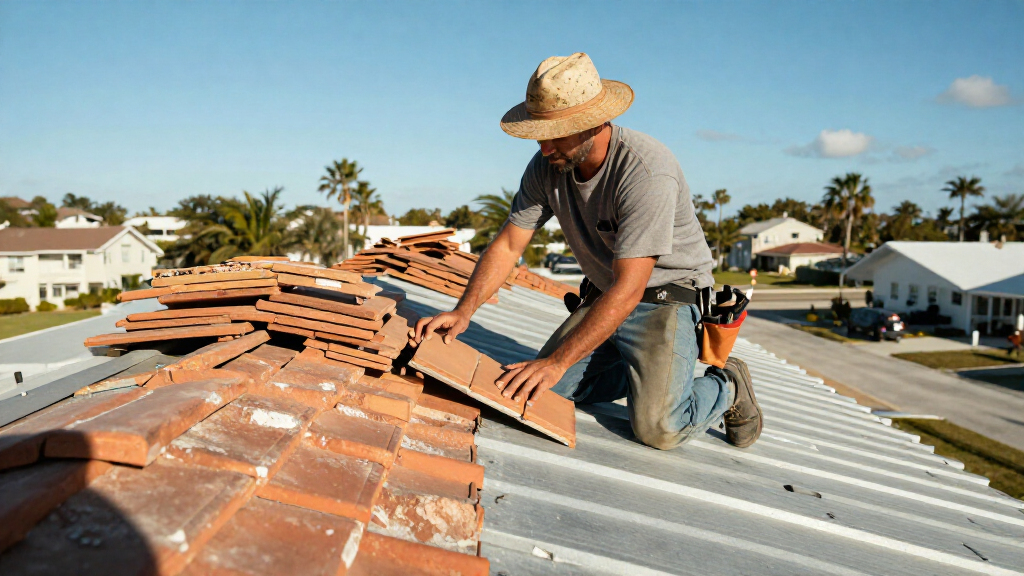
I compared these products by their intended role, installation format, stated thickness or weight, roll dimensions, and the kind of roof area they appear suited to serve. For Florida buyers, the key distinction is whether a product is a secondary layer beneath shingles or another roof covering, a self-adhering water barrier, or an EPDM roofing membrane. I gave more weight to clear, usable specifications and formats that match a defined project than to broad waterproofing claims alone.
The ranking favors versatility and fit for common Florida roofing needs, then separates products by coverage, material type, and likely project scale. That puts FT Synthetics Platinum HT-B first for a targeted self-adhering underlayment role, with Grip-Rite and the large synthetic rolls as practical choices for broader underlayment coverage. EPDM products rank well for compatible low-slope roofs, but they are not substitutes for shingle underlayment; their placement depends on membrane thickness, size, and installation context. Product listings do not establish code approval or wind performance, so I treat those as items buyers must verify with the manufacturer, installer, and local requirements.
Factors to Consider When Choosing Best Florida Roofing Materials
Before choosing from this list, match the material to the roof assembly and the exposure it must handle. A roll that is useful as an underlayment may be the wrong choice as a finished roof surface, and a heavy EPDM membrane may be excessive for a small repair. These checks help prevent buying by material name or thickness alone.
Match the Product to the Roof System
Start with the roof covering and slope, not the product category label. Synthetic underlayment is generally a layer beneath shingles or another approved covering; EPDM is a roof membrane used in compatible low-slope systems. Treating underlayment as exposed finished roofing can leave it vulnerable to weather and outside its intended use. Check the roof manufacturer’s assembly instructions for approved layers, fastening or adhesion methods, and required overlaps. If the roof has several pitches or transitions, ask the installer to identify which sections need underlayment, membrane, or detail flashing. That step can narrow the choices more reliably than comparing roll weights.
Check Local Code and Wind Requirements
Florida requirements can vary with location, building type, roof design, and exposure, so a product name or waterproofing claim is not proof of compliance. Ask for current product approvals and confirm that they apply to the intended roof assembly and installation method. Wind performance depends on the full system, including deck condition, fasteners, adhesive, edge details, and the roof covering above the underlayment. A material that works in one assembly may not qualify in another. Before ordering, have a licensed roofer or building official confirm the applicable requirements for the property. This is especially useful when comparing broadly marketed online rolls with materials specified by a contractor.
Choose Coverage Around the Job, Not Just the Roll
Large 48-inch-by-250-foot underlayment rolls make sense for broad, straightforward roof areas, while shorter or narrower membrane rolls can be easier to handle for repairs and details. Calculate usable coverage after overlaps, cuts, and waste rather than relying on the listed roll dimensions alone. Complicated roof geometry can consume more material than a simple area estimate suggests. Buying one oversized roll may leave you with difficult storage and unused material; buying too little can interrupt installation and complicate matching later. Ask the installer to estimate coverage from a roof plan and state the overlap allowance. Compare products only after converting them to usable coverage for the same task.
Treat Thickness as One Part of EPDM Selection
A thicker EPDM membrane can be a sensible choice for a roof exposed to demanding service conditions, but thickness alone does not determine durability or suitability. Seam treatment, attachment, substrate preparation, drainage, and compatible accessories all affect the finished system. The 60-mil options in this roundup differ in roll size, so the right one may depend as much on the roof area and handling plan as on thickness. A small-format roll can be easier for a repair, while a wider roll may reduce seams on a larger section. Confirm whether the membrane is intended for the specific roof assembly and whether its installation instructions call for professional tools or adhesives. Do not substitute a membrane thickness for a complete system specification.
Decide Where Self-Adhesion Helps
Self-adhering materials can reduce reliance on mechanical fastening in certain details, but they still require a clean, suitable substrate and careful placement. Heat, surface condition, and the product’s application instructions can affect adhesion, so a peel-and-stick label is not a shortcut around preparation. A narrow self-adhering roll may suit flashing or a limited repair but can be inefficient across a large roof. Before choosing one, confirm whether it is designed for the whole roof area or only specific zones in the system. Check how it connects to adjacent underlayment, membrane, and flashing. The installation sequence matters: incompatible layers or poorly sealed edges can undermine the water barrier.
Compare System Cost and Long-Term Maintenance
Material cost is only one part of the roof decision; labor, accessories, waste, and future repair access can change the overall value. An underlayment cannot compensate for an unsuitable roof covering or poor drainage, while a membrane system may require compatible seam and edge components. Ask which parts of the assembly are included in the quote and which must be purchased separately. Consider how easy it will be to inspect and repair the roof after storms, especially around penetrations and edges. Spending more can make sense when a specified assembly offers the needed approvals, coverage, or installation support; it does not make sense when the extra material does not suit the roof. Compare complete installed systems rather than rolls in isolation.
Frequently Asked Questions
Can I use synthetic roofing underlayment as the finished roof surface?
Usually, synthetic underlayment is designed to sit beneath the roof covering rather than serve as the exposed finished roof. Exposure limits and permitted uses vary by product, so read the manufacturer’s instructions instead of relying on a general label. Florida sun, rain, and wind can be hard on a temporary or improperly exposed layer. If a roof section will remain exposed, ask the manufacturer and roofer whether that exact product and installation are approved for that use. For low-slope roof areas, compare an appropriate membrane system rather than assuming underlayment can replace one.
Are EPDM membranes a good choice for every Florida roof?
No. EPDM is generally considered for compatible low-slope roof systems, not as a direct replacement for shingle underlayment on a steep-slope roof. Roof slope, drainage, deck condition, attachment method, and local code requirements all affect whether it fits. A poorly drained roof can create problems even with a waterproof membrane. Have a roofer confirm that the full assembly, including seams and edge details, suits the building. If the roof is pitched and designed for shingles, focus on the specified underlayment and covering system instead.
Does a 60-mil EPDM membrane automatically outperform a 45-mil option?
Not automatically. Greater thickness is one useful specification, but system design, installation quality, seam construction, attachment, and product approval also affect performance. A 60-mil roll may be a better fit for a project that calls for that specification, while a 45-mil product could suit another approved assembly. The listed roll dimensions also matter: a smaller roll may simplify a limited repair, whereas a larger roll can cover more area with fewer pieces. Compare the manufacturer’s complete system requirements and the roof’s needs before treating thickness as the deciding factor.
What should I verify before buying roofing materials for a Florida home?
Confirm the product’s current code documentation, intended roof use, wind-related requirements, and compatibility with the rest of the assembly. Check whether the exact product and installation method are approved for the property’s location, rather than assuming all materials in a category have the same status. Ask how the roof deck, edges, valleys, penetrations, and seams will be handled, since those details can affect water and wind resistance. Get the expected coverage after overlaps and waste, plus a list of required accessories. A licensed roofer or local building official can help confirm details that a retail listing may not provide.
When should I pay more for a self-adhering underlayment or thicker membrane?
Paying more may be justified when the roof design or product specification calls for a self-adhering layer, a particular membrane thickness, or a system with documented approvals for the intended use. It may also make sense for a detail where reducing exposed fastener points is part of the specified installation. Those features do not automatically improve every roof, and a premium roll can be wasted if it is incompatible with the covering or substrate. Ask the roofer to explain what performance need the upgrade addresses and what other components are required. If the benefit cannot be tied to the roof plan or local requirements, compare a suitable standard option instead.
Conclusion
For a broad recommendation, I’d choose FT Synthetics Platinum HT-B as best overall when the job calls for a self-adhering underlayment and its installation requirements fit the roof. Grip-Rite ShingleLayment HT is my best value-style pick for buyers seeking a synthetic underlayment roll for larger coverage, while Firestone RubberGard EPDM is the premium-oriented choice among these options for a compatible low-slope membrane project. Beginners should start by confirming roof type and assembly with a roofer before choosing a product; the clear product role and broad roll format of Grip-Rite make it an easier underlayment option to assess. For targeted repairs or details, a smaller self-adhering roll such as MYOYAY may fit better than a full-size roll, while buyers covering a larger low-slope area can compare the wider 60-mil RoofShield EPDM format. My final advice is to verify local approvals, coverage, and system compatibility before purchase, since the right material depends on the roof assembly—not the product name alone.