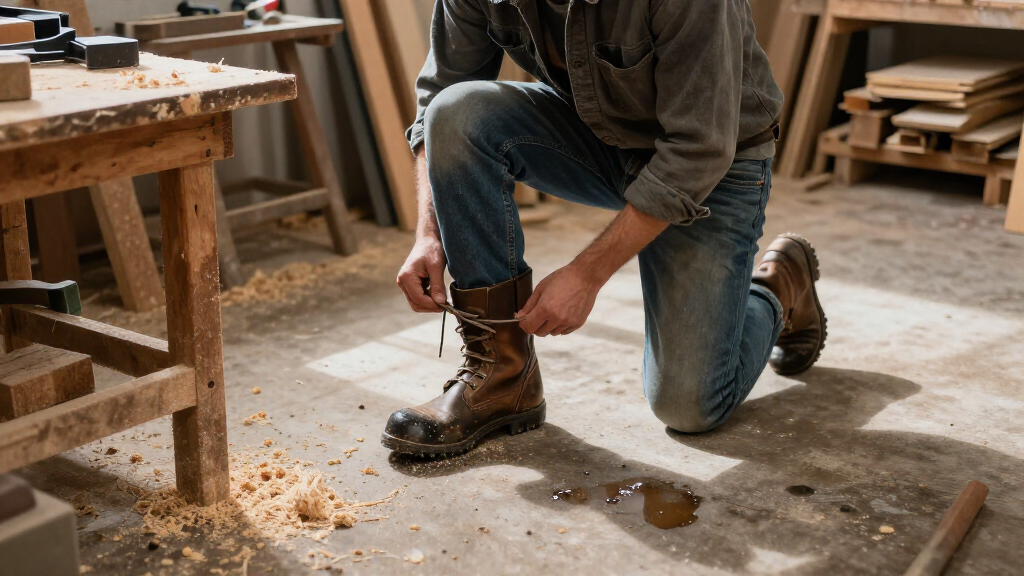
My best overall pick among the best steel toe work boots waterproof options is the CAT Men’s Threshold for a practical balance of waterproof protection and jobsite-ready construction. The Timberland PRO Direct-Attach MaxTRAX stands out for wet, slippery work areas, while the insulated Timberland PRO Direct Attach 6-Inch suits cold conditions. The main tradeoffs are warmth versus breathability, added protection versus weight, and a lower upfront spend versus features built for demanding shifts. I compare all eight boots by their intended strengths and drawbacks so you can match a pair to your work. Read on for the full breakdown and guidance on fit, safety needs, and waterproofing.

Get business pricing on tools and workshop supplies
- Business-only prices and quantity discounts
- Tax-exempt purchasing
- Multiple users, one account, clear invoices
Complete the kit


Key Takeaways
- The CAT Threshold is the all-round pick: it offers a straightforward waterproof steel toe option without leaning as heavily toward a specialized use as the insulated or SRO-focused Timberland PRO models.
- Wet, slick floors change the ranking: the Timberland PRO Direct-Attach MaxTRAX is the more targeted choice when traction on wet surfaces matters more than keeping the boot simple.
- Cold-weather protection is a separate need: the insulated Timberland PRO Direct Attach 6-Inch is the clearest match for cold shifts, but insulation may feel too warm for indoor or hot-weather work.
- Boot height affects comfort as well as coverage: Wolverine’s 10-inch Floorhand offers a taller profile than the 6-inch Timberland PRO Direct Attach, so buyers should weigh added coverage against mobility and fit preferences.
- The NORTIV 8 options and established work-boot lines serve different priorities: compare the two NORTIV 8 models closely for their specific construction and fit, while Ariat Treadfast and Timberland PRO picks offer distinct alternatives for buyers prioritizing a particular work style or feature set.
| Wolverine Men’s Floorhand Waterproof 10″ Steel Toe Work Boot |  | Best Overall for Longer-Coverage Jobs | Upper: 100% leather | Water protection: Waterproof | Shaft height: 10.75 inches | VIEW LATEST PRICE | See Our Full Breakdown |
| CAT Men’s Threshold Waterproof Steel Toe Work Boot |  | Best for Short-Shaft Convenience | Upper: 100% leather | Water protection: Waterproof membrane | Shaft height: 5.25 inches | VIEW LATEST PRICE | See Our Full Breakdown |
| Ariat Treadfast 8″ Waterproof Steel Toe Work Boot |  | Best for Cushioning and Breathable Waterproofing | Shaft height: Calf high | Upper and waterproofing: DRYShield waterproof-breathable full-grain leather | Toe type: Steel toe | VIEW LATEST PRICE | See Our Full Breakdown |
| NORTIV 8 Waterproof Steel Toe Work Boots for Men |  | Best for Ankle-Height Cushioning | Shaft height: Ankle | Shaft circumference: 11 inches | Outer material: Nylon and faux leather | VIEW LATEST PRICE | See Our Full Breakdown |
| NORTIV 8 Men’s Waterproof Steel Toe Work Boots |  | Best for Basic Water Resistance | Shaft height: Ankle | Shaft circumference: 12 inches | Outer material: Faux leather and faux suede | VIEW LATEST PRICE | See Our Full Breakdown |
| Timberland PRO Men’s Direct-Attach MaxTRAX Steel Toe Waterproof SRO |  | Best for Wet, Slippery Worksites | Upper: Waterproof leather | Safety toe: Steel; ASTM F2413-24 I/C EH SRO | Outsole: TPU with MaxTRAX tread for slip resistance | VIEW LATEST PRICE | See Our Full Breakdown |
| Timberland PRO Men’s Keele Ridge Waterproof Steel Toe Work Boot |  | Best Lightweight-Profile Pick | Upper: Waterproof nubuck leather and mesh | Waterproofing: Internal waterproof membrane; ASTM F1671-07 | Shaft height: Ankle | VIEW LATEST PRICE | See Our Full Breakdown |
| Timberland PRO Men’s Direct Attach 6-Inch Steel Safety Toe Insulated Waterproof Industrial Work Boot |  | Best for Cold, Long Shifts | Upper: 100% leather, seam-sealed and waterproof | Shaft height: Ankle | Insulation: 200 g | VIEW LATEST PRICE | See Our Full Breakdown |
| steel toe work boots waterproof | Shaft height | Outsole | Upper | Water protection |
|---|---|---|---|---|
| Wolverine Men’s Floorhand Wate | 10.75 inches | Rubber | 100% leather | Waterproof |
| CAT Men’s Threshold Waterproof | 5.25 inches | Rubber | 100% leather | Waterproof membrane |
| Ariat Treadfast 8" Waterproof | Calf high | Duratread, oil- and slip-resistant | — | — |
| NORTIV 8 Waterproof Steel Toe | Ankle | Lugged rubber; meets ASTM F3445-13 | — | Static waterproof upper designed for up to four hours |
| NORTIV 8 Men’s Waterproof Stee | Ankle | — | — | Water-resistant |
| Timberland PRO Men’s Direct-At | — | TPU with MaxTRAX tread for slip resistance | Waterproof leather | — |
| Timberland PRO Men’s Keele Rid | Ankle | Heat-resistant rubber; slip-, oil-, and abrasion-resistant | Waterproof nubuck leather and mesh | — |
| Timberland PRO Men’s Direct At | Ankle | Rubber lug; slip-, oil-, and abrasion-resistant | 100% leather, seam-sealed and waterproof | — |
More Details on Our Top Picks
Wolverine Men’s Floorhand Waterproof 10″ Steel Toe Work Boot
The 10.75-inch shaft and waterproof full-grain leather make the Wolverine Floorhand a strong pick for work where splash and debris reach above the ankle. Its rubber lug outsole is specified as slip-resistant, while the nylon shank adds support without the heavier construction some taller boots can bring. Compared with the shorter CAT Threshold, this Wolverine offers more leg coverage; the tradeoff is a taller profile that may feel less convenient for workers who prefer quick on-and-off ankle boots. It also lists an ASTM F2413-11 safety rating, including impact, compression, and electrical-hazard details. The leather needs regular care to preserve its water protection, so this is a better match for buyers willing to maintain their boots than for those seeking a low-maintenance synthetic upper.
Pros:- Waterproof full-grain leather upper
- Tall 10.75-inch shaft offers more coverage than the CAT Threshold
- Slip-resistant rubber lug outsole
- ASTM F2413-11 rating includes impact, compression, and electrical-hazard specifications
Cons:- Steel toe may feel heavier than composite alternatives
- Leather requires regular care to preserve waterproofing
- Taller shaft may feel less convenient than an ankle-height boot
Best for: Workers facing wet, messy jobs who want a tall leather shaft, steel-toe protection, and a specified electrical-hazard rating.
Not ideal for: Workers who prefer ankle-height boots, want the lightest possible toe protection, or do not want to maintain leather.
- Upper:100% leather
- Water protection:Waterproof
- Shaft height:10.75 inches
- Toe type:Steel toe
- Safety standard:ASTM F2413-11 M I/75 C/75 EH
- Outsole:Rubber
- Construction:Cement
- Shank:Nylon
Our verdict“Choose the Floorhand if you want tall, waterproof leather coverage and detailed safety specifications, and are comfortable maintaining the upper.”
CAT Men’s Threshold Waterproof Steel Toe Work Boot
The CAT Threshold pairs a 5.25-inch shaft with a waterproof membrane, giving wet-site workers a lower-cut alternative to the taller Wolverine Floorhand and Ariat Treadfast. That shorter profile can suit people who move between indoor and outdoor tasks and would rather avoid a calf-high boot. Its breathable leather upper and slip-resistant rubber outsole cover two practical needs for daily work, while the steel toe adds impact protection. The product details do not list a safety standard, so buyers who need a documented rating should compare it with the Ariat Treadfast or Wolverine Floorhand, both of which provide standards information. The shorter shaft also means less coverage above the ankle, making the Threshold a less fitting choice for jobs with frequent deep splashes or debris around the lower leg.
Pros:- Waterproof membrane
- Shorter 5.25-inch shaft than the Wolverine Floorhand and Ariat Treadfast
- Breathable leather upper
- Slip-resistant rubber outsole
Cons:- Product details do not specify an ASTM safety standard
- Short shaft provides less coverage than the Wolverine Floorhand
- Available information gives fewer construction and support details than some alternatives
Best for: Workers who want a waterproof steel-toe leather boot with a shorter shaft for mixed indoor and outdoor shifts.
Not ideal for: Buyers who need a listed ASTM safety rating or extra lower-leg coverage for deep water, mud, or debris.
- Upper:100% leather
- Water protection:Waterproof membrane
- Shaft height:5.25 inches
- Toe type:Steel toe
- Outsole:Rubber
- Origin:Imported
Our verdict“Pick the CAT Threshold for a shorter waterproof leather boot, but choose the Wolverine or Ariat if you need more shaft coverage or a listed safety standard.”
Ariat Treadfast 8″ Waterproof Steel Toe Work Boot
The Ariat Treadfast stands out for combining DRYShield waterproof-breathable construction with a removable cushioning insole, making it a comfort-focused choice among these steel-toe options. Its oil- and slip-resistant Duratread outsole and listed ASTM F2413 and F3445 standards give buyers more documented safety and traction information than the CAT Threshold listing provides. Compared with the Wolverine Floorhand, the Treadfast adds a named cushioning system and breathable waterproof construction, while the Wolverine lists a precise 10.75-inch shaft and nylon shank. The Ariat’s calf-high profile may feel too tall for workers who want the short-shaft convenience of the CAT or ankle-height NORTIV 8 models. Its feature set makes the most sense for long shifts on varied surfaces, but buyers who prioritize a compact boot should look elsewhere.
Pros:- DRYShield waterproof-breathable full-grain leather construction
- Removable All-Day Cushioning insole with 4LR technology
- Duratread outsole is oil- and slip-resistant
- ASTM F2413 and ASTM F3445 standards are listed
Cons:- Calf-high shaft may feel too tall for workers who prefer ankle boots
- Offers less shaft-height specificity in the supplied details than the Wolverine Floorhand
- More comfort features may be unnecessary for buyers seeking a simpler boot
Best for: Workers on long shifts who want breathable waterproof leather, removable cushioning, and listed safety and traction standards.
Not ideal for: Workers who prefer ankle-height footwear or want the shortest, easiest-to-wear shaft in this group.
- Shaft height:Calf high
- Upper and waterproofing:DRYShield waterproof-breathable full-grain leather
- Toe type:Steel toe
- Safety standards:ASTM F2413 and ASTM F3445
- Outsole:Duratread, oil- and slip-resistant
- Insole:Removable All-Day Cushioning with 4LR technology
- Origin:Made in USA or imported
Our verdict“Choose the Ariat Treadfast for breathable waterproofing, cushioning, and listed standards, provided its calf-high shaft suits your work.”
NORTIV 8 Waterproof Steel Toe Work Boots for Men
This NORTIV 8 is the ankle-height option for buyers who want a steel toe, rubber toe cap, and cushioned EVA platform without the tall shafts of the Wolverine Floorhand or Ariat Treadfast. Its waterproof claim is more bounded than those models’ general waterproof descriptions: the supplied details specify protection for up to four hours. That makes it a better fit for intermittent wet conditions than prolonged exposure to standing water. The lugged rubber outsole is listed as meeting ASTM F3445-13, and the toe protection meets ASTM 2413-18. A mesh-covered EVA insole and lightweight EVA midsole add cushioning, though the nylon and faux-leather upper differs from the full-grain leather on the Wolverine and Ariat. Choose it for shorter-shaft comfort and defined wet-time limits, not all-day immersion.
Pros:- Ankle-height design is shorter than the Wolverine Floorhand and Ariat Treadfast
- Steel toe and rubber toe cap meet ASTM 2413-18
- Lugged rubber outsole meets ASTM F3445-13
- Mesh-covered EVA insole and lightweight EVA midsole provide cushioning
Cons:- Waterproof protection is specified for up to four hours, limiting its fit for prolonged wet exposure
- Nylon and faux-leather upper differs from the full-grain leather used by Wolverine and Ariat
- Short shaft offers less coverage above the ankle
Best for: Warehouse, construction, or landscaping workers who prefer ankle-height boots, cushioning, and protection from short periods of wet conditions.
Not ideal for: Workers exposed to prolonged standing water or buyers who prefer full-grain leather and longer shaft coverage.
- Shaft height:Ankle
- Shaft circumference:11 inches
- Outer material:Nylon and faux leather
- Water protection:Static waterproof upper designed for up to four hours
- Toe protection:Steel toe and rubber toe cap
- Toe standard:ASTM 2413-18
- Outsole:Lugged rubber; meets ASTM F3445-13
- Midsole and insole:Lightweight EVA midsole; mesh-covered EVA insole
Our verdict“Choose this NORTIV 8 for an ankle-height, cushioned boot and bounded wet-weather protection, but not for extended exposure to water.”
NORTIV 8 Men’s Waterproof Steel Toe Work Boots
This NORTIV 8 suits buyers who need ankle-height steel-toe protection and a cushioned insole but do not need a fully waterproof specification. The listing describes the upper as water-resistant, a meaningful distinction from the waterproof membrane on the CAT Threshold or the time-bounded waterproof claim on the other NORTIV 8. Its reinforced heel, impact-resistant rubber toe, and ASTM F2413-18 steel toe add protection details, while the rubber lug outsole is intended for varied terrain. Compared with the ankle-height NORTIV 8 B0DMP3ZPKR, this model lacks a stated waterproof duration and an outsole standard, but it does list a 12-inch shaft circumference. The faux leather and faux suede construction may not appeal to buyers seeking full-grain leather, and water resistance alone is a weak match for consistently wet shifts.
Pros:- ASTM F2413-18 steel toe protection
- Reinforced heel and impact-resistant rubber toe
- Cushioned insole supports standing and walking
- Rubber lug outsole is suited to varied terrain
Cons:- Described as water-resistant rather than waterproof
- Faux leather and faux suede upper is not full-grain leather
- Supplied details do not list a waterproof duration or outsole safety standard
Best for: Workers in mostly dry settings who need an ankle-height steel-toe boot with cushioning and some resistance to light moisture.
Not ideal for: Workers who spend shifts in rain, standing water, or persistently wet conditions and need a clearly specified waterproof boot.
- Shaft height:Ankle
- Shaft circumference:12 inches
- Outer material:Faux leather and faux suede
- Water protection:Water-resistant
- Toe protection:Steel toe cap; impact-resistant rubber toe
- Toe standard:ASTM F2413-18
- Heel:Reinforced
- Sole:EVA and rubber
Our verdict“Pick this NORTIV 8 for basic moisture resistance and ankle-height protection in mostly dry work settings, not for sustained wet conditions.”
Timberland PRO Men’s Direct-Attach MaxTRAX Steel Toe Waterproof SRO
I’d put the Direct-Attach MaxTRAX near the top for jobs where slick floors and wet ground are routine. Its MaxTRAX TPU outsole is the main distinction: compared with the Keele Ridge’s rubber outsole, this boot is positioned around slip resistance, while its waterproof leather and breathable lining address wet conditions without giving up airflow entirely. The 200 g Thermolite insulation also suits cooler shifts, and the PU midsole is intended to soften the feel underfoot. The tradeoff is a more substantial, insulated build than an ankle-height option such as the Keele Ridge, which may feel like more boot than warm-weather crews need. Its 18.85-inch shaft circumference may also sit loosely on narrower legs. I’d choose it for traction and added warmth, not for a close, compact fit.
Pros:- Waterproof leather upper helps keep water out
- MaxTRAX TPU tread is designed for slip resistance
- 200 g Thermolite insulation adds warmth in cool conditions
- Steel toe meets ASTM F2413-24 I/C EH SRO standards
Cons:- Large shaft circumference may fit loosely on narrow legs
- Insulation may feel too warm for hot-weather work
- More substantial coverage than the ankle-height Keele Ridge
Best for: Workers on wet, oily, or slick jobsite surfaces who want a waterproof leather boot with added insulation.
Not ideal for: Narrow-calf wearers and crews working mainly in warm conditions who prefer a lower-profile, less insulated boot.
- Upper:Waterproof leather
- Safety toe:Steel; ASTM F2413-24 I/C EH SRO
- Outsole:TPU with MaxTRAX tread for slip resistance
- Midsole:PU
- Insulation:200 g Thermolite
- Inner lining:Breathable leather
- Shaft circumference:18.85 inches
Our verdict“Choose the MaxTRAX if traction and warmth on wet worksites matter more than a compact fit or a cooler boot.”
Timberland PRO Men’s Keele Ridge Waterproof Steel Toe Work Boot
The Keele Ridge is the most compact choice in this group: its ankle-height build offers waterproof protection and a steel toe without the taller coverage of the Wolverine Floorhand 10-inch boot. A waterproof internal membrane works with the nubuck leather and mesh upper, while the moisture-wicking ReBOTL lining contains at least 50% recycled plastic. Its rubber outsole is rated for slip, oil, abrasion, and heat resistance, giving it broad jobsite utility rather than the MaxTRAX model’s more focused tread distinction. Electrical hazard protection is another useful addition for workers around electrical risks. The shorter shaft means less coverage than a tall boot, and the supplied details do not specify insulation, so I’d favor it for milder conditions over cold, exposed shifts. It’s the lineup’s sensible pick when a lower profile matters.
Pros:- Waterproof internal membrane pairs with a nubuck leather and mesh upper
- Ankle-height profile is more compact than taller options such as the Wolverine Floorhand
- Steel toe and electrical hazard protection are specified
- Rubber outsole resists slip, oil, abrasion, and heat
Cons:- Ankle-height shaft offers less coverage than taller work boots
- No insulation is specified for cold-weather shifts
- Mesh in the upper may be less suited to rough, snag-prone environments than an all-leather build
Best for: Workers who want waterproof steel-toe protection in an ankle-height boot, particularly in milder conditions or where easier movement is a priority.
Not ideal for: Workers needing insulated warmth or tall coverage against water, debris, and weather.
- Upper:Waterproof nubuck leather and mesh
- Waterproofing:Internal waterproof membrane; ASTM F1671-07
- Shaft height:Ankle
- Shaft circumference:9.25 inches
- Safety toe:Steel; ASTM F2412-18a and ASTM F2413-18 I and C
- Electrical hazard protection:ASTM F2412-18a, ASTM F2413-18, and ASTM F2892-18
- Outsole:Heat-resistant rubber; slip-, oil-, and abrasion-resistant
- Lining:Moisture-wicking ReBOTL fabric with at least 50% recycled plastic
Our verdict“Pick the Keele Ridge if you need waterproof steel-toe protection in a compact, uninsulated ankle-height design.”
Timberland PRO Men’s Direct Attach 6-Inch Steel Safety Toe Insulated Waterproof Industrial Work Boot
For colder shifts, I’d favor this Direct Attach 6-Inch over the uninsulated Keele Ridge: 200 g insulation and seam-sealed leather target warmth and water protection together. Its polyurethane anti-fatigue footbed adds shock-absorbing geometry, a useful counterpoint to the MaxTRAX boot’s emphasis on its tread and midsole. The steel safety toe, electrical hazard protection, and slip-, oil-, and abrasion-resistant rubber lug outsole cover several common industrial needs. That combination makes it a better match for workers spending long hours in cool, wet environments than for crews seeking the lightest possible footwear. The meaningful compromise is weight: the steel toe and insulation add bulk, and the product data does not list a boot weight. I’d shortlist it for warmth and underfoot cushioning, while choosing the Keele Ridge for a lower-profile feel.
Pros:- Seam-sealed leather construction is designed to keep water out
- 200 g insulation suits cooler working conditions
- Polyurethane anti-fatigue footbed uses shock-absorbing geometry
- Steel toe, electrical hazard protection, and slip-resistant rubber outsole cover key worksite needs
Cons:- Steel toe and insulation make the boot heavier than a less insulated option
- Added warmth may be uncomfortable in hot environments
- The ankle-height shaft provides less coverage than taller work boots
Best for: Industrial workers on long shifts in cool, wet conditions who want insulation, a steel toe, and an anti-fatigue footbed.
Not ideal for: Warm-weather crews or workers who prioritize the lightest possible boot and do not need insulation.
- Upper:100% leather, seam-sealed and waterproof
- Shaft height:Ankle
- Insulation:200 g
- Safety toe:Steel; ASTM F2412-18a/F2413-18 certified
- Electrical hazard protection:ASTM F2412-18a/F2413-18/F2892-18 certified
- Footbed:Polyurethane with anti-fatigue, shock-absorbing geometry
- Outsole:Rubber lug; slip-, oil-, and abrasion-resistant
- Origin:Imported
Our verdict“Choose this Direct Attach model for insulated waterproof protection and underfoot cushioning on long, cold shifts, accepting the added weight.”

How We Picked
I ranked these boots around the problems buyers are trying to solve: keeping feet dry, meeting steel toe needs, staying comfortable through a shift, and maintaining grip on the surfaces where the boots will be worn. I also looked at distinctions that change everyday use, including boot height, insulation, intended work environment, and how specialized each model is. Waterproofing alone does not make a boot the right choice; a sealed boot that runs too warm or feels restrictive can be a poor match for a worker’s routine.
The CAT Threshold leads as the most broadly applicable option in this lineup. The MaxTRAX and insulated Direct Attach earn higher consideration for specific conditions, but their specialized strengths do not suit everyone. The remaining models are ranked by how clearly their features address a buyer need and by the tradeoffs a buyer should check before choosing. I treat the two NORTIV 8 listings as separate products and recommend comparing their exact specifications rather than assuming their names indicate identical builds.
| steel toe work boots waterproof | Water protection | Outsole |
|---|---|---|
| Wolverine Men’s Floorhand Wate | Waterproof | Rubber |
| CAT Men’s Threshold Waterproof | Waterproof membrane | Rubber |
| Ariat Treadfast 8" Waterproof | — | Duratread, oil- and slip-resistant |
| NORTIV 8 Waterproof Steel Toe | Static waterproof upper designed for up to four hours | Lugged rubber; meets ASTM F3445-13 |
| NORTIV 8 Men’s Waterproof Stee | Water-resistant | — |
| Timberland PRO Men’s Direct-At | — | TPU with MaxTRAX tread for slip resistance |
| Timberland PRO Men’s Keele Rid | — | Heat-resistant rubber; slip-, oil-, and abrasion-resistant |
| Timberland PRO Men’s Direct At | — | Rubber lug; slip-, oil-, and abrasion-resistant |
Factors to Consider When Choosing Best Steel Toe Work Boots Waterproof
A waterproof steel toe boot has to fit the job, not just the product label. I would start with the hazards and conditions of the worksite, then check whether the boot’s height, lining, traction, and fit make sense for the hours you will wear it. These broader checks can prevent common mismatches that a feature list alone will not catch.
Match Safety Requirements to Your Worksite
Steel toe describes the toe protection, but it does not by itself tell you whether a boot meets every requirement at your job. Check your employer’s safety policy and the boot’s stated safety standard before buying, especially if your role also calls for electrical-hazard protection, puncture resistance, or other ratings. A common mistake is to assume that waterproof and steel toe cover all workplace hazards. Those features address water and impact or compression at the toe, not every risk underfoot or around the ankle. If your worksite has a written footwear specification, use it as a filter before comparing comfort or style. This step can rule out an appealing boot that is not approved for your task.
Choose Waterproofing for the Water You Face
Waterproof construction is useful for rain, splashes, and damp ground, but it does not make a boot immune to water entering over the collar. For frequent standing water, boot height and the depth of exposure matter alongside the waterproof membrane or construction. Taller boots can add coverage, while shorter boots may feel easier to move in during ordinary shifts. Waterproof materials can also hold warmth and moisture inside, so a worker moving between wet outdoor areas and heated indoor spaces may prefer a less insulated setup. Check care instructions and allow boots to dry fully between shifts when possible. That routine helps manage odor and lining wear without relying on waterproofing as a substitute for maintenance.
Prioritize Traction for the Actual Floor
Outsole grip depends on the surface and contaminants, not just the word “slip-resistant.” Wet tile, oily concrete, mud, and loose gravel place different demands on tread design and rubber compounds. If your shift is mostly on smooth, wet floors, give slip-focused outsole features more weight than aggressive-looking lugs alone. For outdoor work, deeper tread may be more useful in loose or uneven ground, though it can feel clumsy on flat indoor surfaces. Ask what conditions cause coworkers to slip and match the boot to that recurring hazard. No outsole removes the need to walk carefully when a surface is contaminated.
Balance Insulation Against Breathability
Insulated waterproof boots can help on cold outdoor shifts, but extra warmth becomes a drawback in hot weather or active indoor work. Consider the temperature across the whole shift, including heated buildings and time spent moving, rather than buying only for the coldest moment. Thick socks do not always solve a poor temperature match; they can crowd the toe box and change how the steel cap feels. A roomier fit may help with winter socks, but excessive space can cause heel movement and rubbing. If your work spans seasons, a non-insulated waterproof boot with suitable socks may be more versatile. Choose added insulation when cold exposure is a regular job condition, not just an occasional inconvenience.
Get the Fit Right Around the Steel Toe
Steel toe boots should leave enough space for toes without letting the foot slide forward or lift at the heel. Try them on near the end of the day, when feet are often more swollen, and wear the socks you expect to use at work. Check that the toe cap does not press down on your toes when standing, climbing, or kneeling; a boot that feels fine seated may feel tight in motion. Width matters as much as length, particularly if waterproof linings and thick socks reduce the room you feel inside. Do not expect a steel toe cap to stretch or soften like surrounding leather or fabric. If fit remains uncomfortable, another size or model is a safer choice than hoping the toe area will break in.
Weigh Shift Length, Weight, and Maintenance
For long shifts, a boot’s weight and flexibility can matter as much as its protection, since extra mass is repeated with every step. Taller boots can provide more coverage but may feel less agile, while insulated builds can add warmth and bulk. Think about how much time you spend walking, climbing ladders, or kneeling before choosing a heavier or higher-profile design. Also check whether the upper can be cleaned easily and how the maker recommends drying and conditioning it. Leaving waterproof boots wet between shifts can undermine comfort even if the outer construction remains intact. Paying more makes sense when a feature solves a frequent jobsite problem; it is harder to justify a specialized feature you rarely use.
Frequently Asked Questions
Can I wear a waterproof steel toe boot for a full indoor shift?
Yes, if the boot’s fit, weight, and temperature suit the work, but waterproof construction may feel warmer than a non-waterproof boot indoors. Consider how often your workplace is actually wet and whether you move between cold outdoor areas and heated rooms. If your feet tend to run hot, avoid insulation unless cold exposure is part of the job. Try the boot with your normal work socks and walk in it long enough to spot toe pressure or heel movement. A boot that meets the safety policy but causes discomfort can become a poor everyday choice.
Does a steel toe make a boot uncomfortable or too heavy?
Steel adds structure at the front of the boot, but comfort depends on the overall fit, weight, and shape of the toe box. Some wearers notice more weight than with non-metal toe protection, while others value the familiar, robust feel. The key is making sure your toes have room and are not pressed against the cap when you walk or crouch. Compare the boot’s weight and fit with your shift demands rather than assuming every steel toe model will feel the same. If your employer requires steel, prioritize a secure fit over a small difference in appearance or boot height.
Should I choose an insulated waterproof boot if I work outdoors?
Choose insulation when cold conditions are a regular part of your shift, not simply because the boot is waterproof. Insulation can be helpful during long periods outside or in cold storage, but may make an active worker overheat when temperatures rise. Think about the coldest and warmest conditions you regularly face, plus time spent indoors. The insulated Timberland PRO Direct Attach 6-Inch is the lineup’s clearest cold-weather option, while the other waterproof models may suit milder or more variable conditions better. For seasonal work, one insulated pair may be less versatile than a non-insulated boot paired with appropriate socks.
How do I know whether waterproofing is enough for standing water?
Check the boot’s stated waterproof construction and height, then compare that coverage with the water depth you encounter. Waterproofing can help prevent water passing through the boot’s materials, but water can still enter over the top if it rises above the collar. Workers who regularly wade through deep water may need footwear designed specifically for that exposure rather than an ordinary waterproof work boot. For rain, wet pavement, and splashes, waterproof work boots are often a more practical fit. Follow the maker’s cleaning and drying guidance to maintain comfort and care for the materials.
Is the Timberland PRO MaxTRAX a better choice than the CAT Threshold?
It depends on the surface you work on. The MaxTRAX is the more targeted option when its outsole features match frequent exposure to wet, slippery floors, while the CAT Threshold is my more broadly applicable pick for buyers who want a straightforward waterproof steel toe boot. Neither is automatically better for every job, and tread performance can vary with surface conditions and contaminants. Check your employer’s footwear rules and consider whether traction or general-purpose use is the bigger priority. If your work is not centered on slick surfaces, the CAT’s less specialized role may make more sense.
Conclusion
For the broadest range of wet-work needs, I recommend the CAT Men’s Threshold as best overall. The NORTIV 8 options are the value-minded picks to compare closely, especially if you want a simpler entry into waterproof steel toe footwear; check each listing’s exact construction and fit rather than treating the two models as identical. For a more feature-focused premium choice, the Timberland PRO Direct-Attach MaxTRAX suits buyers whose shifts demand attention to wet-floor grip. Beginners should start with the CAT Threshold and confirm fit and workplace safety requirements before choosing extra features. For specific needs, pick the insulated Timberland PRO Direct Attach 6-Inch for cold work, the Wolverine Floorhand 10-Inch when taller coverage is a priority, or the Ariat Treadfast 8-Inch if its height and build fit your routine. The right choice is the boot that meets your site’s rules while matching its water exposure, temperature, and daily movement demands.