
TL;DR

Get business pricing on tools and workshop supplies
- Business-only prices and quantity discounts
- Tax-exempt purchasing
- Multiple users, one account, clear invoices
Scaffold safety depends on a suitable design, stable footing, complete compatible components, trained workers, and inspections by a competent person before each shift and after events that could affect stability. Plan for loads, access, fall protection, electrical clearance, weather, and people below; stop work and restrict access if the scaffold is damaged or conditions become unsafe.
A scaffold can look solid from the ground and still hide a loose tie, a soft sill, or a platform overloaded with mortar tubs. Scaffold safety systems work as a chain: one weak connection can put the whole work area at risk.
This guide walks you through planning, assembly, access, fall protection, and upkeep so you can spot trouble before someone climbs aboard. You’ll also see when a scaffold needs a competent person or a rental specialist, and why local rules and the manufacturer’s instructions set the job’s boundaries.
Scaffolds give workers temporary access to elevated work areas, but safe access takes more than a frame and a plank. Treat the setup like a small structure, protect the crew below as carefully as the crew above, and stop work whenever the system or conditions leave you guessing.
Have a competent person plan, oversee, and inspect the scaffold for the specific task, site, and configuration.
Build on firm, level support and use complete, compatible components installed to the manufacturer’s instructions.
Count workers, tools, and materials against the rated capacity, and provide designed access and required fall protection.
Inspect before each shift and after storms, impacts, alterations, or prolonged disuse; restrict access to damaged or unstable scaffolds.
Verify local rules and electrical clearances, and stop work when weather or site conditions make safe use uncertain.
Plan the scaffold around the job before parts arrive
Plan scaffold safety by matching the scaffold type and configuration to the task, working height, expected load, duration, ground, and site hazards. A competent person should review the manufacturer’s instructions and applicable local requirements before erection begins. Planning sets the safe limits before workers, tools, and materials turn the platform into a busy work area.
Walk the site first. Check for sloped or soft ground, overhead lines, traffic, pedestrians, nearby roofs, and places where falling debris could reach people. Imagine a plaster crew on a narrow street-facing elevation: the scaffold may need a protected base, a controlled walkway, and a plan for deliveries so a pallet jack or passing van can’t strike a leg.
Choose a system for the work rather than forcing the work onto whatever equipment happens to be available. A short repair on firm ground may suit a small supported scaffold; a complex façade or suspended access job calls for configuration-specific expertise. Renting from a scaffold supplier can make more sense than buying when the height, duration, or design exceeds your crew’s regular experience.
Write down the intended load, access route, weather limits, exclusion zone, and who has authority to stop work. Scaffold safety systems need to account for more than the workers standing on them: include tools, stored materials, screens, and any loads created by the work itself.
Popular right now

Shark Navigator Lift-Away Upright Vacuum (NV360)

Dreame L40 Ultra Gen 2 Robot Vacuum and Mop

KitchenAid Artisan Series 5-Quart Tilt-Head Stand Mixer, Dried Rose (KSM150PS)
As an affiliate, we earn on qualifying purchases.
Build a stable base and use every specified connection
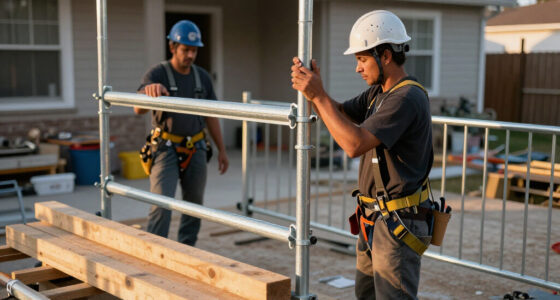
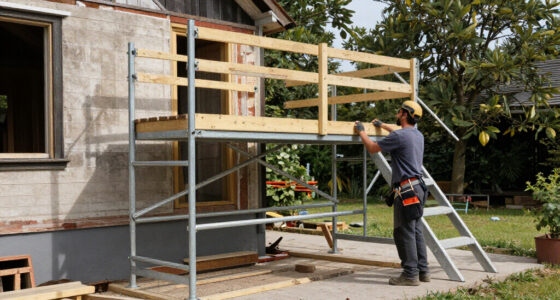
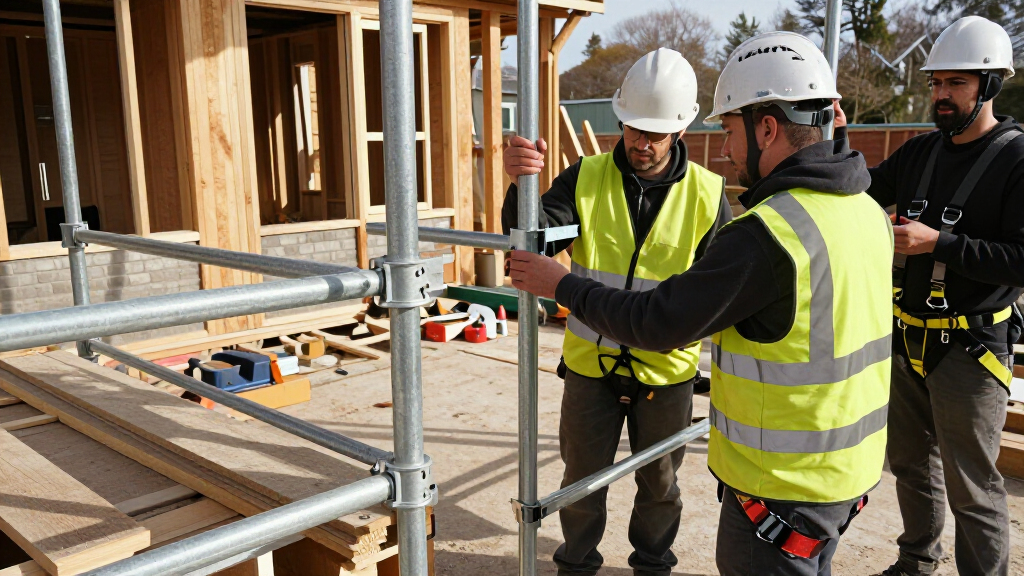
A scaffold is only as stable as its foundation and the connections that hold its frames together. Set it on firm, level support with the base plates and mud sills required for the ground conditions, then install braces, ties, locks, and other parts exactly as the manufacturer specifies. Complete assembly matters because a missing brace can turn an orderly frame into a wobbly ladder of steel.
Never level a scaffold with loose blocks, barrels, scrap timber, or stacks of leftover materials. A common job-site shortcut is to slide a brick under one leg because the paving dips; rain softens the bedding, the brick shifts, and the frame leans. Correct the base with suitable equipment and methods for the system, not with whatever is close at hand.
Use compatible components only. Similar-looking frames, pins, or couplers from different manufacturers may not fit or carry loads as intended, so mix parts only when compatibility is confirmed by the manufacturer or a qualified person. Inspect parts for bends, cracks, corrosion, damaged welds, missing locking devices, and other defects before assembly.
Follow the configuration-specific erection sequence and have a competent person oversee erection, alteration, and dismantling. Never improvise a repair by straightening or welding a damaged component unless the manufacturer or a qualified engineer approves that repair. The small delay to replace a bent brace beats a collapse that starts with one “close enough” part.
Control loads, access, and falls before the first climb
Keep a scaffold safe in use by respecting its rated capacity, providing designed access, and installing fall protection required by the scaffold design and local rules. Count workers, tools, materials, and equipment together; a platform doesn’t gain capacity because its frames look heavy. Load limits are numbers, not impressions.
- Check the rating: Confirm the manufacturer’s capacity and the planned configuration with a competent person.
- Count the full load: Include people, tool bags, buckets, stored materials, and any concentrated load from equipment.
- Distribute materials: Keep the platform clear and spread materials as specified instead of stacking everything at one end.
- Provide proper access: Use the designed ladder, stair tower, or other approved access point; never climb cross-braces.
- Install fall protection: Fit guardrails, personal fall-arrest systems, or other protection as required for that scaffold and jurisdiction.
For example, a two-person painting crew may start with brushes and a few paint cans, then add a compressor and a stack of unopened pails. That change can push the actual load far beyond what the crew first planned. Recheck whenever the work or materials change, and keep access routes clear so workers don’t step over hoses or climb around stored gear.
Rules for guardrails and personal fall-arrest systems vary by scaffold type, height, and location. Confirm the applicable requirements before use; when a personal fall-arrest system applies, its anchor and clearance need to match the system design. Training must fit the scaffold type and the hazards workers will face on that job.
Protect the crew below from tools, weather, and power lines
Protect people around a scaffold by controlling falling objects, electrical contact, and changing weather before they create an emergency. Use toe boards or other falling-object controls where required, secure tools and materials, and restrict access below work where debris could fall. The work zone includes the ground, especially when a mason is chipping mortar or a roofer is passing materials overhead.
Tool tethers, debris controls, exclusion zones, and overhead protection can reduce the chance that a dropped wrench or loose fitting reaches a passerby. Choose controls for the work and the site; a barrier tape line may not protect pedestrians on a public route, so the site may need a stronger managed exclusion zone or overhead protection. A dropped object can travel faster than a worker can shout a warning.
Keep the required clearance from energized power lines, based on the line voltage and local rules. Treat every line as energized unless the utility or a qualified person confirms otherwise and suitable controls are in place. There is no universal safe distance that applies to every line, scaffold, and jurisdiction, so verify the requirement with the regulator or utility before positioning equipment.
Wind, ice, rain, heat, and poor visibility can change scaffold conditions quickly. A gust can load a screen like a sail; rain can make a platform slick; ice can hide a loose fitting. Stop work whenever conditions make use unsafe, and follow the manufacturer’s guidance for wind exposure, screens, ties, and storage of materials. Do not let a schedule decide whether a wet platform is safe.
Inspect before each shift and after anything that could move the scaffold
A competent person should inspect the scaffold before each work shift and after any event that could affect its integrity, including a storm, impact, alteration, or long period out of use. The inspection should cover the foundation, frames and connections, braces and ties, platforms, access, guardrails, loads, and signs of damage or movement. Look at the whole system, not just the parts at eye level.
Make the check practical and consistent. At the base, look for settlement, shifting sills, or water-softened ground; at the frames, check locks, braces, ties, and visible damage; at platform level, check that boards or decks sit correctly, access stays clear, and guardrails remain in place. On a windy morning after a storm, a competent person should check for displaced materials and loosened ties before anyone climbs up.
Inspection records help the crew track defects, repairs, and significant changes. A mobile form with photographs can make a loose coupler easier to identify and follow up, but digital records do not replace a competent inspection. A photo cannot test whether a base has settled or decide whether a repaired component meets the manufacturer’s requirements.
Give every worker a clear way to report a defect and stop use. If a scaffold looks unstable or a component is damaged, stop work, prevent access, and notify the person responsible for assessment and correction. A status tag can communicate whether a scaffold is available, restricted, or out of service, but the tag is only a message; it does not make an unsafe structure safe.
Know when to stop, repair, or bring in a specialist
Stop using a scaffold when you find damaged or missing components, unstable footing, loose ties, unsafe access, excessive loading, or weather that makes work unsafe. Restrict access and have a competent person assess the system before work resumes. Taking a scaffold out of service is a control action, not an admission of failure.
Use manufacturer-approved compatible replacement parts and repairs. Don’t straighten a bent frame, weld a cracked connection, drill a new hole, or substitute a part because it appears to fit. For instance, a crew may find a deformed frame after a delivery truck clips the base; painting over the bend won’t restore its rated behavior, and continued use can magnify the original impact damage.
Get a qualified scaffold provider or engineer involved when the design is unusual, the structure is suspended, the site has poor bearing ground, the scaffold must bridge an obstacle, or the intended loading pushes the system beyond routine use. Supported scaffolds rest on frames or other ground-supported structures; suspended scaffolds hang from overhead supports. They differ in setup, inspection, access, and fall-protection needs, so training for one doesn’t automatically prepare a crew for the other.
Code and permit requirements depend on location and the specific work. Confirm current rules with the relevant occupational safety regulator and follow the manufacturer’s instructions for the exact system. Where work involves electrical, gas, structural, or roof hazards, use licensed professionals where required and follow the relevant safety controls, including power isolation and suitable PPE.
Use a short handover checklist to keep safety visible
A short handover checklist turns a scaffold plan into repeatable site behavior. Before a shift, confirm who inspected the structure, whether the configuration changed, whether loads or weather conditions changed, and whether workers know how to report a defect. Good handovers catch small changes before they become the next crew’s surprise.
Imagine a façade crew that finishes Friday with a clear platform, then returns Monday after strong winds. The scaffold may still stand, but a screen, tie, or stored sheet could have shifted. The competent person checks the system after the weather event, records any correction, and tells the crew which bays are ready before work starts.
- Confirm inspection before the shift and after any event that may affect integrity.
- Check footing, ties, braces, platforms, access, guardrails, and visible damage.
- Review workers, tools, materials, and equipment against the rated load.
- Verify electrical clearances, exclusion zones, and falling-object controls.
- Check weather against site conditions and manufacturer guidance.
- Mark defects, restrict access, and record repairs or configuration changes.
Use a tag or digital log to pass along status, but keep the inspection itself in the hands of a competent person. A checklist works like a torque wrench: it helps you apply the same discipline each time, but it cannot decide whether a damaged part is fit for service. Keep the form short enough that crews use it, and specific enough that a defect has an owner and a next step.
Frequently Asked Questions
Who can erect, alter, or inspect a scaffold?
Local rules determine the exact qualifications, but a competent person with relevant training and authority should oversee erection, alteration, and inspection. Workers also need training for the scaffold type and the hazards on their site.
How often should a scaffold be inspected?
Common guidance calls for inspection before each work shift and after events that could affect integrity, such as a storm, impact, alteration, or prolonged disuse. Check the applicable local standard for exact requirements.
Can scaffold parts from different manufacturers be mixed?
Only when compatibility is confirmed by the manufacturer or a qualified person and the assembled scaffold meets applicable requirements. Parts that look alike may have different dimensions or connection behavior, so appearance alone is not proof of fit.
What should workers do if a scaffold is damaged or unstable?
Stop using it, prevent access, and report the issue to the person responsible for assessment. A competent person should decide what correction or replacement is needed before anyone returns to the affected area.
Can workers use a scaffold during high winds or rain?
It depends on the scaffold design, conditions, manufacturer guidance, and site controls. Stop work whenever wind, wet platforms, ice, heat, or poor visibility makes safe use uncertain.
How far must a scaffold stay from power lines?
The required clearance varies with voltage and local rules, so verify the distance with the relevant regulator or utility. Treat lines as energized unless the utility or a qualified person confirms otherwise and suitable controls are in place.
Conclusion
Remember this: a safe scaffold is planned for the job, built as specified, and checked by a competent person before people rely on it. Keep loads within rating, protect the public below, and stop work when damage, weather, or a changed setup creates doubt.
Make the inspection part of the crew’s rhythm. A scaffold should feel steady under your boots, with every connection accounted for and every worker clear on the route up and the way down.