
TL;DR

Get business pricing on tools and workshop supplies
- Business-only prices and quantity discounts
- Tax-exempt purchasing
- Multiple users, one account, clear invoices
Picking the best ladder for roofing and gutter work hinges on safety, height, and material. A well-chosen ladder boosts efficiency and reduces risks, especially when you understand duty ratings and safety features.
Imagine climbing a ladder to fix a loose shingle or clear out clogged gutters. It’s a simple task, but a misstep can turn a minor repair into a serious accident. The right ladder makes all the difference—more stability, less fatigue, and safer work. Yet, choosing that perfect ladder isn’t just about height or price. It’s about understanding what each type offers, how materials behave, and what safety features matter most. You might think a household step ladder works for everything. Think again. Or maybe you’re tempted by lightweight aluminum models, but forget that electrical hazards demand non-conductive materials. This guide cuts through the confusion. You’ll learn how to pick a ladder that fits your needs, your safety standards, and your budget. Whether you’re a homeowner tackling seasonal gutter cleaning or a DIYer working on a roof extension, this info helps you make smarter, safer choices—and get the job done right the first time.
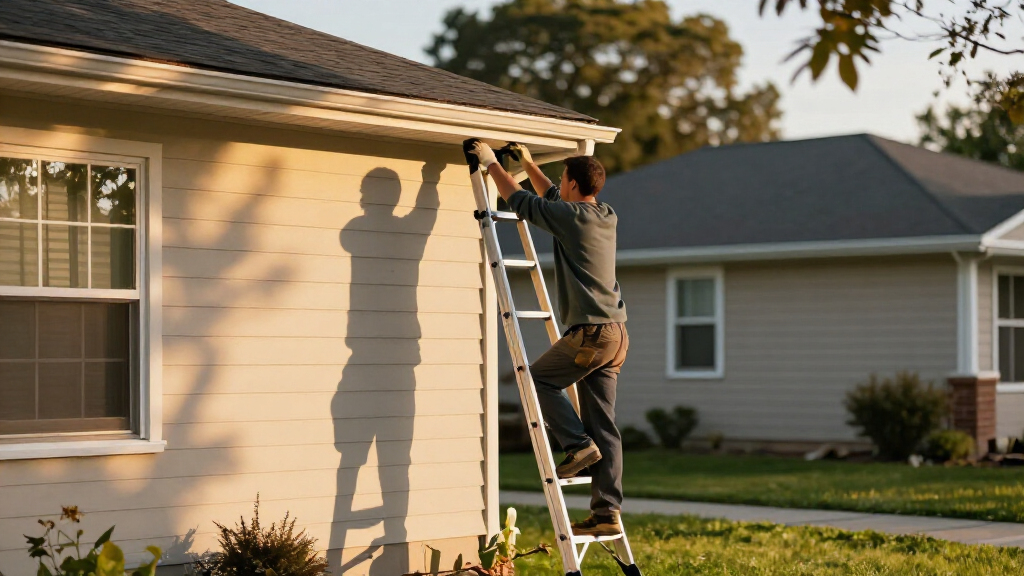
Always extend your ladder at least 3 feet above the roof or gutter line for safe access.
Choose fiberglass ladders when working near electrical lines; aluminum is lighter but conductive.
Match ladder type to your job—step ladders for low tasks, extension for high, multi-position for versatility.
Inspect safety features like slip-resistant rungs and locking mechanisms before use.
Calculate your total weight (including tools) and select a ladder with a duty rating that exceeds this total.
Pick the Right Type of Ladder for Your Job—Step, Extension, or Multi-Position?
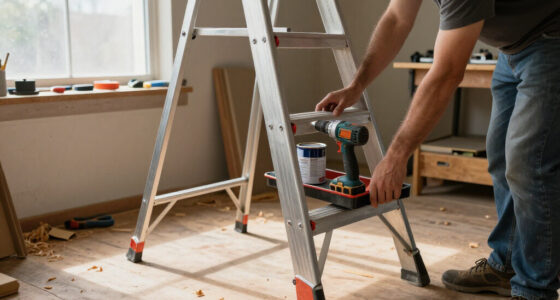
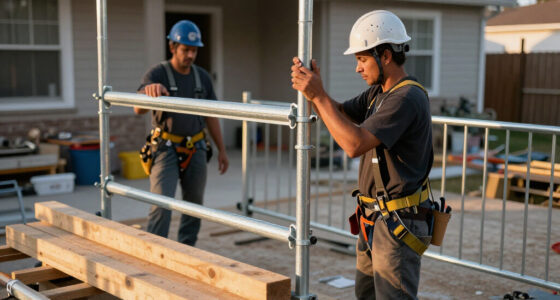
Choosing the correct type of ladder is the first step toward safe, efficient roofing and gutter work. Each type has its strengths and ideal use cases. Step ladders are great for low to medium-height tasks like gutter cleaning or minor repairs on a single-story home. They are stable, portable, and don’t require setup. But they can’t reach higher roofs safely. Extension ladders are your go-to for higher roofs and multi-story homes. They can extend from 6 to over 40 feet, depending on the model. Think of them as the stretch pants of ladders—adjustable and versatile. Multi-position ladders combine the best of both worlds—they fold into a step ladder, an extension, or even a scaffold. Imagine a homeowner who needs to access gutters on a two-story house and also do some roof repairs—this single tool adapts to all those tasks. When selecting, consider your typical height needs, storage space, and whether you prefer one ladder that does it all or specialized tools for specific jobs.
Popular right now

Bose QuietComfort Wireless Bluetooth Headphones with Active Noise Cancellation, Mic, USB‑C Charging, Deep Bass, 24‑Hour Battery – White Smok

Bose QuietComfort Wireless Noise-Cancelling Over-Ear Headphones, Black

Apple AirPods Pro 3 Wireless Earbuds with Active Noise Cancellation
As an affiliate, we earn on qualifying purchases.
How High Do You Need to Reach? Calculating the Correct Ladder Length
Getting the right ladder height is about more than just measuring the ground to roof distance. According to OSHA, the ladder should extend at least 3 feet above the roof edge or gutter line for safe access. This extra length isn’t just a safety buffer—it’s a practical necessity. Having at least 3 feet of overlap provides a secure handhold and stable footing, reducing the risk of slips or falls. For example, if your roof’s edge is 12 feet above the ground, choosing a 16-foot extension ladder ensures you have enough overlap and reach. Going shorter increases the chance of overreaching, which can destabilize the ladder and cause accidents. Conversely, choosing a ladder that’s too long can be cumbersome and harder to maneuver. On uneven terrain, a taller ladder with stabilizers can compensate for slope and provide a safer working platform. Always consider the specific height of your task environment and plan your ladder length accordingly. Proper calculation prevents dangerous overextensions and unstable setups, especially on sloped or uneven surfaces, which are common in real-world settings.
Material Matters: Fiberglass vs. Aluminum—Which Is Safer and Why?
Material choice is critical when selecting a ladder for roofing and gutter work. Fiberglass ladders are non-conductive, making them inherently safer around electrical lines. This safety feature isn’t just a bonus—it’s a vital protection in environments where electrical hazards are present. Working near power lines or electrical fixtures, fiberglass reduces the risk of electrocution, giving you peace of mind and allowing you to focus on the task. They are also durable, weather-resistant, and less prone to corrosion, which means they maintain their integrity over time—important for outdoor projects. However, they tend to be heavier, which can impact portability. Aluminum ladders are lightweight, making them easier to carry and position, especially for frequent or multi-location jobs. But their electrical conductivity demands strict safety precautions—staying at least 10 feet away from live wires is essential. For example, if you’re replacing shingles near electrical wires, fiberglass is the safer choice, even if it’s heavier. When working in areas with potential electrical hazards, always prioritize fiberglass. If your project involves more stable, low-height gutter work on your own home where electrical risks are minimal, aluminum can be a practical choice. Understanding your environment and safety needs ensures you pick the right material—balancing weight, durability, and protection.
Safety Features That Save Lives—What to Look for Before Climbing
Safety isn’t just about choosing the right ladder; it’s also about the features that make climbing safer and prevent accidents. Slip-resistant rungs and feet are essential. Imagine a rainy day when your ladder is wet—without textured or rubberized feet, you risk slipping and falling. Slip-resistant features give you confidence that your ladder will stay put on different surfaces, whether wet, muddy, or uneven. Locking mechanisms on extension ladders are crucial—they prevent the ladder from collapsing or slipping when extended to full height. Think of these as the safety locks that keep your ladder stable during use, especially when working at height. Stabilizers or ladder stabilizers provide added security on uneven or sloped surfaces, such as slanted roofs or soft ground. They act as extra arms, anchoring the ladder firmly and reducing sway. Rung spacing—about 12 inches—is designed to match natural climbing steps, reducing fatigue and maintaining balance. Always inspect the ladder for cracks, corrosion, or worn-out parts before use. Proper safety features aren’t just conveniences—they are vital safeguards that can prevent falls, injuries, or worse. Recognizing and maintaining these features enhances your safety and confidence during every climb.
Portability and Storage—Choosing a Ladder That Fits Your Space and Lifestyle
Think about how often you’ll move or store your ladder. If you’re a homeowner with limited storage space, a lightweight, foldable ladder makes life easier. For example, a telescoping ladder that collapses to 3 feet can be easily stored in a closet or trunk, ready for quick deployment. If you’re a contractor or DIYer doing multiple projects, durability and ease of transport become more important. A fiberglass extension ladder with a carrying handle and a weight under 40 pounds is manageable for most people, making it easier to move between job sites or around your property. Conversely, if you only need a ladder for occasional gutter cleaning, a compact step ladder stored in a closet might be sufficient. Consider how you’ll carry it—do you need a shoulder strap, a wheeled dolly, or a storage rack? Proper storage not only prolongs the life of your ladder but also encourages regular use, which enhances safety. Selecting a ladder that fits your space and lifestyle ensures convenience and safety, preventing frustration and encouraging proper maintenance and use.
Understanding Duty Ratings and Weight Capacity—How Heavy Is Too Heavy?
Not all ladders are designed to support the same weight, and understanding duty ratings is crucial for safety. OSHA classifies ladders into different categories: Type I (150 lbs), Type IA (300 lbs), and Type IAA (375 lbs). These ratings aren’t just numbers—they reflect how much weight the ladder can safely support, including your body, tools, and materials. But more importantly, these ratings influence your safety and the durability of the ladder during demanding tasks. For example, if you weigh 180 pounds and carry a tool bag weighing 50 pounds, your total load can reach 230 pounds. Using a Type I ladder (150 lbs capacity) would be unsafe because it isn’t designed to handle that weight, increasing the risk of bending or failure. Choosing a ladder rated for at least 300 lbs (Type IA) or higher (Type IAA) provides a safety margin that accounts for sudden shifts, additional tools, or unforeseen loads. Overloading a ladder significantly increases the risk of structural failure, which can lead to falls, serious injuries, or fatalities. Always add your weight plus all tools and materials to determine the appropriate duty rating, and when in doubt, select a higher-rated ladder. This proactive approach ensures that your ladder can handle real-world demands without compromising safety or performance.
Frequently Asked Questions
What type of ladder is safest for gutter cleaning?
Extension or multi-position ladders are best for gutter cleaning because they provide the necessary height and stability. Always extend the ladder at least 3 feet above the gutter for safe access, and consider stabilizers for uneven ground.How high should my ladder extend above the roof or gutter line?
Aim for at least 3 feet of overlap above the roof or gutter edge. For example, if your gutter is 10 feet high, a ladder reaching 13 feet or more provides safer, easier access.Are fiberglass ladders safer than aluminum around electrical lines?
Yes. Fiberglass is non-conductive, reducing the risk of electrocution when working near power lines. Aluminum conducts electricity, so keep a safe distance from live wires when using aluminum ladders.What safety features should I look for on a ladder?
Look for slip-resistant rungs and feet, locking extension mechanisms, stabilizers for uneven ground, and rung spacing around 12 inches for comfortable climbing. Always inspect for damage before use.How do I choose the right duty rating for my ladder?
Add your weight plus the weight of tools and materials. For roofing and gutter work, a ladder rated for at least 300 lbs (Type IA) provides a safe margin, especially when carrying heavy or bulky tools.Conclusion
Choosing the right ladder isn’t just about reaching higher—it’s about safety, stability, and efficiency. The next time you’re faced with gutter cleaning or roof repairs, remember that the best ladder is one that fits your height needs, environment, and safety standards. Investing in the right tool prevents accidents and makes your work smoother. Don’t cut corners—your safety depends on it. Picture yourself confidently working on your roof, knowing your ladder is secure, stable, and suited for the task. That peace of mind is worth every extra inch of effort in selecting the perfect ladder.