
TL;DR

Get business pricing on tools and workshop supplies
- Business-only prices and quantity discounts
- Tax-exempt purchasing
- Multiple users, one account, clear invoices
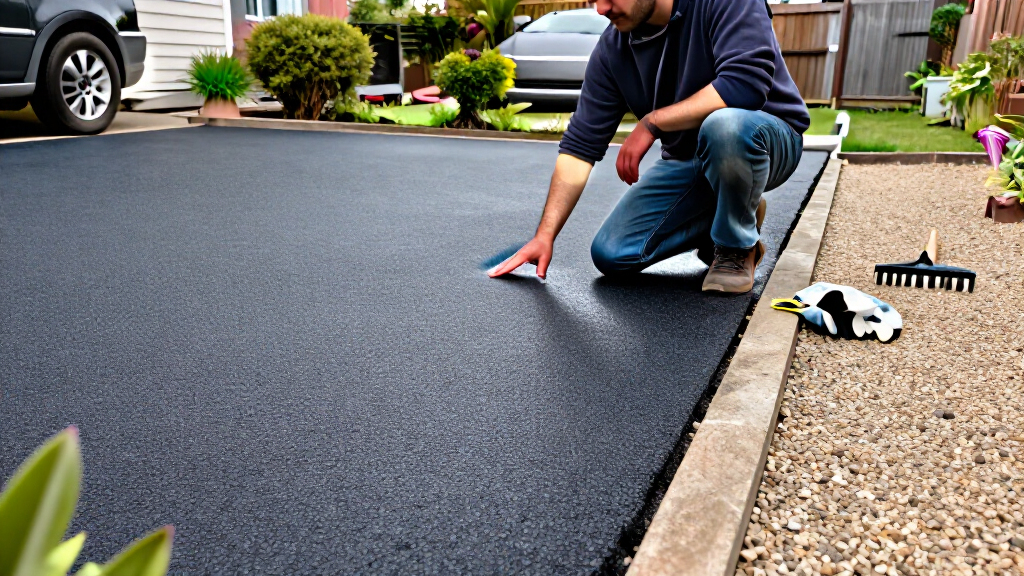
An Ideal Home guide compares resin and gravel driveways, outlining differences in installation, typical UK prices, maintenance and appearance. Gravel generally costs less upfront and can be easier to lay, while resin-bound surfaces need professional installation and may offer a smoother finish; the right choice depends on budget, upkeep and site conditions.
Ideal Home has published a comparison of resin and gravel driveways, describing how the two options differ in installation, cost, upkeep and appearance. The guide says gravel typically costs less upfront and may be suitable for a carefully planned DIY project, while resin driveways require specialist installation, a factor homeowners should weigh alongside their budget and maintenance preferences.
The guide gives typical UK prices of £50–£70 per square metre for gravel and £90–£130 per square metre for resin, citing Zaeem Chaudhary, director of AC Design Solution. These are indicative figures, not a quote for a specific property. The source does not specify when the prices were collected or whether they include every preparation and installation cost.
Gravel is described as comparatively straightforward to lay, with Samantha-Jane Agbontaen, founder of House Designer, saying it can take a couple of days and involve minimal groundwork. She says resin needs a specialist installer. Fergus Wickland, a project consultant at Beauxfort Landscaping Systems, warns that resin can produce a patchy finish if laid incorrectly or in unsuitable weather. The guide distinguishes resin-bound from resin-bonded driveways and says resin-bound is the more common option, associating it with greater longevity and lower maintenance.
On lifespan, Chaudhary estimates that properly installed resin can last 15–20 years, while gravel may last longer overall but needs more regular attention. That can include topping up displaced or depleted stone. The guide also says resin can develop moss or algae and may discolour over time, while damage or repairs can be difficult to conceal on its continuous surface. These outcomes depend on product, installation and conditions; the source does not provide a guaranteed lifespan for either material.
How Cost Shapes the Choice
The decision affects more than the initial look of a home. A driveway must withstand vehicles and regular use, while also shaping the approach to the property. The guide’s price ranges show why upfront budget can push homeowners toward gravel, but the lower entry price does not tell the whole financial story: gravel may need topping up, while resin carries a higher initial installation cost and repairs may be harder to blend in.
Installation also changes what a homeowner needs to plan for. The possibility of laying gravel without a specialist may reduce labour costs for some projects, but the source does not say every site is suitable for DIY. Resin’s dependence on skilled installation makes contractor quality and weather conditions relevant to the finished surface. Homeowners comparing estimates should check what groundwork, materials and labour are included rather than treating the guide’s per-square-metre figures as a final project budget.
Maintenance priorities matter just as much. Someone who prefers a smooth, more uniform surface may value resin’s appearance, while a homeowner comfortable with replenishing loose stone may favour gravel’s lower initial cost. The guide presents trade-offs rather than identifying one material as best for all homes; suitability depends on the property, use, desired look and willingness to maintain the surface.
Popular right now

Bose QuietComfort Wireless Bluetooth Headphones with Active Noise Cancellation, Mic, USB‑C Charging, Deep Bass, 24‑Hour Battery – White Smok

Bose QuietComfort Wireless Noise-Cancelling Over-Ear Headphones, Black

Apple AirPods Pro 3 Wireless Earbuds with Active Noise Cancellation
As an affiliate, we earn on qualifying purchases.
Installation and Lifespan Trade-offs
The Ideal Home report frames driveway selection as both a design and a practical decision: the surface forms the property’s approach and is used for parking and manoeuvring. It compares two popular materials, but the supplied source text ends partway through its discussion of appearance. It therefore does not provide the complete visual comparison or all the guidance that may appear in the original article.
The report’s installation comparison centres on resin-bound and resin-bonded systems, while noting resin-bound is more common. Wickland’s warning about weather and laying quality underscores that a resin surface’s performance is connected to preparation and installation. For gravel, the report describes a simpler process but also flags continuing upkeep. These are general observations from the cited experts, not an assessment of a particular driveway or site.
All figures and lifespan estimates in the guide are presented in a UK setting. No details are supplied about regional price differences, driveway size, drainage, vehicle load, the condition of an existing base or the specific products used. Those factors can affect both a quote and how a finished driveway performs.
“Typical UK costs are around £50–£70/m² for gravel, and £90–£130/m² for resin.”
— Zaeem Chaudhary, director and chartered architectural technologist at AC Design Solution
Site Conditions and Final Costs
The source gives typical prices, not a current project quote, and does not state the date of the cost data, regional variation or the assumptions behind the estimates. It is not clear whether the figures include excavation, base repairs, edging, drainage, waste removal or other work that can affect the final bill.
The guide does not establish how either surface would perform at a particular home. Site conditions, the existing sub-base, drainage, usage and the quality of materials and workmanship are not assessed. Its lifespan statements are expert estimates rather than guarantees, and the supplied excerpt does not include the complete comparison of appearance. Readers should not treat the partial source as a site-specific recommendation.
Compare Quotes for Your Property
Homeowners considering either option can use the figures as a starting point, then ask contractors to inspect the site and provide itemised estimates. Quotes should specify the surface system, preparation and base work, materials, labour, drainage provisions and what maintenance is expected. For resin, ask about installer experience, suitable weather conditions and how repairs would be handled; for gravel, ask how often topping up may be needed and what groundwork is required.
The report names no upcoming study, industry announcement or follow-up milestone. The practical next step is a property-specific comparison: weigh the initial price against installation requirements, appearance and long-term maintenance before choosing a surface.
Key Questions
Which driveway is cheaper to install?
The guide gives typical UK prices of £50–£70 per square metre for gravel and £90–£130 per square metre for resin. Actual quotes may vary, and the source does not detail what preparation work is included.
Can I lay a gravel driveway myself?
The report says gravel may be possible to lay as a DIY project with research and planning, and describes installation as comparatively straightforward. It does not say every property or project is suitable for DIY, so groundwork and site conditions should be checked before work begins.
How long does a resin driveway last?
AC Design Solution director Zaeem Chaudhary estimates that properly installed resin can last 15–20 years. This is an estimate, not a guarantee; the source says installation quality matters but does not assess individual products or sites.
Does gravel need more maintenance than resin?
The guide says gravel may last longer overall but requires more ongoing maintenance, including topping up over time. Resin can also need care: the report says moss or algae may develop and that surface repairs can be visible.
Which driveway should I choose?
The report does not name a universal winner. Gravel may suit homeowners prioritising a lower upfront cost and willing to maintain loose stone; resin may appeal to those seeking a smoother surface who can budget for specialist installation. A site-specific quote is needed to compare the full costs.
Source: rss