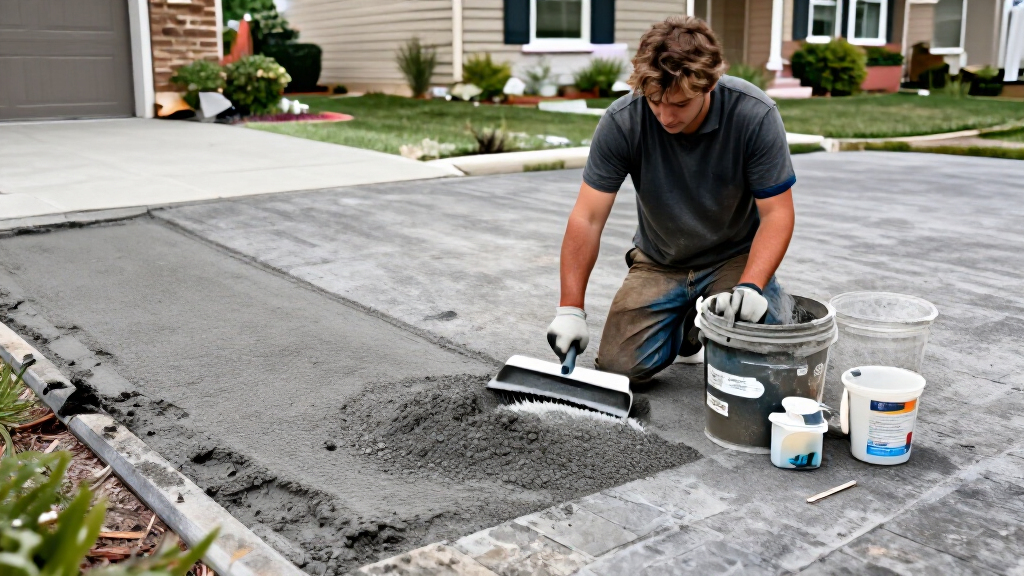

For a resin-bound driveway or path, the right kit depends on whether you need a complete gravel mix, a binder for aggregate you already own, or a coating for an existing pebble surface. PermaRoX is my strongest all-round choice for clearly described outdoor use and permeability; McKinnon Stone Bond 1 Gallon is the more manageable UV-stable binder size; and Sand & Resin Gravel Kit is the most direct option when you want ready-mixed grey material. The tradeoffs are real: some listings omit coverage and cure details, while products with stated cure times can keep the surface out of use for one to three days.

Get business pricing on tools and workshop supplies
- Business-only prices and quantity discounts
- Tax-exempt purchasing
- Multiple users, one account, clear invoices
I ranked these kits for driveway-relevant jobs rather than treating every gravel resin as interchangeable. Surface compatibility, outdoor durability, and application scale matter more here than a long feature list. Before choosing, check whether the kit includes aggregate, whether your existing base drains properly, and whether the stated area and instructions match the size of your project.
Complete the kit



Key Takeaways
- PermaRoX is the most balanced pick for a DIY resin-bound driveway or path, but its stated 72-hour full cure and periodic resealing plan require patience.
- McKinnon Stone Bond 1 Gallon is a smaller UV-stable binder option; its listing does not specify coverage or cure time, so confirm both before planning a project.
- Sand & Resin is supplied as ready-mixed sand and resin in grey, making it the clearest choice here for buyers who want a granular product rather than a clear liquid binder.
- AeroMarine gives the clearest coverage figures—about 75 square feet for new pebble paving or 300 square feet for recoating—but it is not UV resistant and may yellow in sunlight.
- McKinnon Stone Bond 4 Gallon suits larger-scale work better than the one-gallon version, yet its weight and missing coverage and cure data make advance planning especially important.
| PermaRoX Resin Bound Gravel Kit for Driveways, Patios & Walkways |  | Best Overall | Form: Liquid | Volume: 128 fluid ounces | Color: Clear | VIEW LATEST PRICE | See Our Full Breakdown |
| McKinnon Stone Bond Resin Bound Surfacing Epoxy 1 Gallon, Pebble Binder |  | Best Smaller-Scale UV-Stable Binder | Product type: Resin-bound surfacing epoxy and pebble binder | Volume: 1 gallon | Weight: 10 pounds | VIEW LATEST PRICE | See Our Full Breakdown |
| Sand & Resin Gravel Kit, Pressure Washer Safe, No Weeds, 3 Gallon (Grey) | 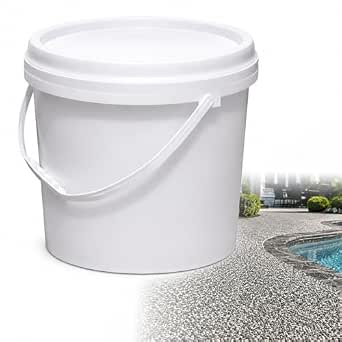 | Best Ready-Mixed Granular Option | Form: Ready-mixed sand and resin, granular | Volume: 3 gallons | Color: Grey | VIEW LATEST PRICE | See Our Full Breakdown |
| McKinnon Stone Bond Resin Bound Surfacing Epoxy 4 Gallon, Pebble Binder |  | Best Larger Package for Broad Surfacing Jobs | Product type: Resin-bound surfacing epoxy and pebble binder | Volume: 4 gallons | Weight: 40 pounds | VIEW LATEST PRICE | See Our Full Breakdown |
| AeroMarine Rock and Pebble Paving Epoxy Resin Kit 1.5 gallons |  | Best for Recoating Existing Pebble Paving | Form: Liquid epoxy kit | Volume: 1.5 gallons | Mix ratio: 2 parts resin to 1 part hardener | VIEW LATEST PRICE | See Our Full Breakdown |
| resin driveway kit | Volume | Form |
|---|---|---|
| PermaRoX Resin Bound Gravel Ki | 128 fluid ounces | Liquid |
| McKinnon Stone Bond Resin Boun | 1 gallon | — |
| Sand & Resin Gravel Kit | 3 gallons | Ready-mixed sand and resin, granular |
| McKinnon Stone Bond Resin Boun | 4 gallons | — |
| AeroMarine Rock and Pebble Pav | 1.5 gallons | Liquid epoxy kit |
More Details on Our Top Picks
PermaRoX Resin Bound Gravel Kit for Driveways, Patios & Walkways
PermaRoX takes the top spot because its stated purpose fits the search most closely: a resin-bound gravel system for driveways, patios, and walkways, rather than simply a coating for an existing pebble finish. The listing describes a weatherproof, water-permeable surface and a clear, UV-resistant finish, giving buyers more relevant guidance for an outdoor aggregate project than the sparse details supplied for either McKinnon size.
It is also the clearest DIY-oriented option in the group. Instructions are described as part of the kit, and the resin is intended to lock gravel in place for a joined surface. That does not remove the need to prepare the base and mix carefully, but it makes PermaRoX a better starting point for a homeowner than a binder listing that gives little process information. Compared with Sand & Resin, it is described as a liquid resin system rather than ready-mixed granular material, so the buyer should expect to follow the product’s mixing and aggregate instructions rather than simply spread the supplied blend.
The main scheduling penalty is the 72-hour full cure, the longest stated period among the products here. It also requires resealing every two to five years depending on conditions, which adds future maintenance that the product descriptions for the McKinnon binders do not specify. I would choose it for an informed DIY project where surface permeability and clear product purpose matter more than quick reopening. I would not assume it can be poured over any base or used with any stone without checking the instructions.
Pros:- Designed specifically for driveways, patios, and walkways
- Described as water-permeable, weatherproof, and UV-resistant
- DIY instructions are stated as part of the offering
- Clear finish is intended to lock gravel in place
Cons:- Full cure takes 72 hours
- Resealing may be needed every two to five years
- Mixing may be messy for first-time users
Best for: DIY buyers seeking a clearly described resin-bound gravel system for an outdoor driveway, patio, or walkway, and willing to allow a three-day full cure.
Not ideal for: Anyone needing a surface back in use quickly, avoiding periodic resealing, or looking for confirmed area coverage before purchase without contacting the seller.
- Form:Liquid
- Volume:128 fluid ounces
- Color:Clear
- Full cure:72 hours
- Water resistance:Waterproof; described as water-permeable when used as a surface system
- Compatible materials:Stone and gravel
- Tensile strength:10,000 psi
- Maintenance:Resealing stated as every 2–5 years depending on conditions
Our verdict“I rank PermaRoX first for its driveway-specific purpose, stated permeability, and DIY guidance, provided its longer cure and resealing needs fit your plan.”
McKinnon Stone Bond Resin Bound Surfacing Epoxy 1 Gallon, Pebble Binder
The one-gallon McKinnon Stone Bond is my pick for buyers who want a UV-stable pebble binder in a smaller package. Its stated uses include driveways, patios, and walkways, and the product description calls the finished surface durable and permeable. Compared with the four-gallon McKinnon option, this size is easier to handle and more practical for a smaller area or a limited repair, though the listing does not establish how much ground one gallon covers.
Its UV-stable finish is a meaningful distinction from AeroMarine. AeroMarine supplies clearer coverage information and a defined 24-hour cure, but its listing says it is not UV resistant and may yellow in sunlight. McKinnon’s stated resistance to yellowing makes it a more promising fit for exposed outdoor stone, while PermaRoX still has the advantage of more explicit instructions and a stated cure schedule.
The weakness is the lack of planning data. The product information does not give a coverage area, curing time, or detailed long-term durability schedule. Those gaps make it difficult to determine whether one gallon is enough or when the driveway can reopen. The listing also says that proper mixing and application skills are needed; “easy to apply” should not be read as proof that no preparation is required. I would get the manufacturer’s coverage and installation guidance before buying, especially for a vehicle area.
Pros:- UV-stable finish is described as resisting yellowing
- Suitable for permeable pebble and gravel surfaces
- Smaller package is easier to handle than the four-gallon version
- Listed for driveways, patios, and walkways
Cons:- Coverage area is not stated
- Cure time and long-term durability details are not provided
- Mixing and application still require care
Best for: Buyers with a smaller pebble or gravel project who want a UV-stable binder and prefer a lighter package than the four-gallon McKinnon option.
Not ideal for: Anyone who needs published coverage, a confirmed cure time, or a fully specified kit they can schedule without checking details with the supplier.
- Product type:Resin-bound surfacing epoxy and pebble binder
- Volume:1 gallon
- Weight:10 pounds
- Dimensions:12 x 6 x 12 inches
- Finish:Natural-looking, UV-stable finish
- Surface type:Pebble and gravel
- Stated applications:Driveways, patios, and walkways
- Coverage and cure:Not specified in supplied product information
Our verdict“I would choose the one-gallon McKinnon for a smaller, sun-exposed binder job only after confirming coverage and cure time with the supplier.”
Sand & Resin Gravel Kit, Pressure Washer Safe, No Weeds, 3 Gallon (Grey)
Sand & Resin stands apart because it is described as ready-mixed sand and resin, not a liquid binder that you combine with your own gravel. That distinction can simplify material handling for a buyer who wants a granular grey product for a path, driveway, or pool bottom. It is also presented as permeable and suitable for hard ground, with frost resistance and resistance to high-pressure cleaning among its advertised qualities.
Compared with PermaRoX, this kit may feel more direct for someone seeking a spreadable blend rather than a liquid system with a separate mixing process. PermaRoX, however, gives more explicit information about its resin-bound gravel system, UV resistance, and eventual resealing. Sand & Resin’s product details do not state coverage by area, and its broad suitability claims do not replace checking the base and application instructions for vehicle use.
Timing and weather require attention. The material takes 24 hours to harden, and because it is water-based, it must stay clear of water before solidification. That is a tighter stated cure window than PermaRoX, but it also creates a clear vulnerability to rain, washing, or runoff during installation. I would pick this for a buyer who values a supplied granular mix and can protect the work area while it sets. I would skip it if exact coverage, a clear UV specification, or a detailed technical schedule is essential before purchase.
Pros:- Ready-mixed sand and resin avoids sourcing a separate gravel binder combination
- Designed for paths, driveways, and pool bottoms
- Described as frost-resistant and suitable for pressure washing after setting
- Granular form is intended to be spread on hard ground
Cons:- Must be kept away from water before it hardens
- Coverage area is not stated in the supplied information
- UV behavior and detailed driveway-load guidance are not specified
Best for: DIY buyers wanting a ready-mixed grey sand-and-resin granular product for a garden path, driveway, or similar hard-ground application.
Not ideal for: Projects exposed to rain or water during the setting period, or buyers who need documented coverage and detailed vehicle-load guidance before ordering.
- Form:Ready-mixed sand and resin, granular
- Volume:3 gallons
- Color:Grey
- Material:Sand and resin
- Applications:Driveways, garden paths, and pool bottoms
- Full hardening time:24 hours
- Weather notes:Described as frost-resistant; protect from water before hardening
- Coverage area:Not stated in supplied product information
Our verdict“I rate this as the most straightforward granular option, but its missing coverage data and vulnerability to water before setting keep it behind PermaRoX.”
McKinnon Stone Bond Resin Bound Surfacing Epoxy 4 Gallon, Pebble Binder
The four-gallon McKinnon Stone Bond is the larger-package choice for buyers planning a wider pebble or gravel surface. It is described as a permeable binder for driveways, patios, pool decks, and walkways, with a UV-stable finish intended to resist yellowing. Compared with the one-gallon McKinnon, it is more naturally suited to a larger job, while the smaller version is easier to carry and may be less cumbersome for a repair.
Its outdoor focus is a plus beside AeroMarine, whose epoxy is specifically not UV resistant. For a sunny driveway, that makes McKinnon the more sensible description on paper. PermaRoX remains the stronger all-round recommendation because its listing gives a stated cure time, maintenance interval, and DIY instructions. The McKinnon four-gallon listing provides little information about how much surface the package covers or how long it takes to cure, which can complicate both ordering and scheduling.
At 40 pounds, the container is also substantially heavier than the one-gallon option. That may be manageable for a professional or a two-person setup, but it is a real handling issue when moving material around an active work area. Although the product is described as easy to mix and apply, the supplied information does not give a mix ratio or application depth. I would treat it as a larger-job binder worth investigating, not a complete project plan: confirm coverage, aggregate requirements, mixing directions, and cure time before committing.
Pros:- Larger four-gallon package is aimed at broader surfacing jobs
- Described as creating permeable outdoor surfaces
- UV-stable finish is intended to resist yellowing
- Listed for driveways, patios, pool decks, and walkways
Cons:- 40-pound package can be awkward to move and apply
- Coverage area is not supplied
- Cure time and mix ratio are not specified
Best for: DIYers or professionals planning a broader pebble or gravel area who want a UV-stable binder and can manage a heavier package.
Not ideal for: Small repairs, solo buyers who need easy handling, or anyone who needs clear coverage and cure details in the listing before planning.
- Product type:Resin-bound surfacing epoxy and pebble binder
- Volume:4 gallons
- Weight:40 pounds
- Dimensions:15 x 15 x 16 inches
- Finish:UV-stable finish described as resisting yellowing
- Surface type:Pebble and gravel
- Stated applications:Driveways, patios, pool decks, and walkways
- Coverage and cure:Not specified in supplied product information
Our verdict“I would shortlist the four-gallon McKinnon for a larger UV-exposed project, but only after obtaining the missing coverage and installation figures.”
AeroMarine Rock and Pebble Paving Epoxy Resin Kit 1.5 gallons
AeroMarine is the clearest choice for a different task: coating existing pebble paving or binding pebbles in a new installation. The listing provides unusually specific coverage estimates—about 75 square feet on a new installation and 300 square feet for recoating—so it is easier to estimate materials than with the McKinnon kits or Sand & Resin. Its low-viscosity epoxy is described as penetrating between pebbles, which suits a surface that needs the binder to reach into the aggregate rather than sit only on top.
That coverage information gives AeroMarine a practical advantage over much of this lineup, and its 24-hour cure at 70°F is shorter than PermaRoX’s 72-hour full cure. But the comparison changes when sunlight matters: AeroMarine is not UV resistant and may yellow, while PermaRoX and both McKinnon binders are described as UV resistant or stable. I would avoid treating this as the default for a permanently exposed driveway unless the manufacturer confirms the finish is appropriate for the site.
The 2:1 resin-to-hardener mix ratio also asks for accurate preparation. Mixing errors can interfere with curing, and the listed cure time is tied to 70°F rather than every weather condition. This is not a ready-mixed granular product like Sand & Resin, and it is not as clearly framed as a complete driveway system as PermaRoX. I would choose it for a pebble surface where its coverage and penetrating application fit the task, while accepting the sunlight limitation and taking care with mixing.
Pros:- Coverage is stated for both new paving and recoating
- Low-viscosity resin is designed to penetrate between pebbles
- 24-hour cure is stated at 70°F
- Water-resistant finish is suitable for pebble paving applications
Cons:- Not UV resistant and may yellow in sunlight
- Requires careful 2:1 mixing to avoid curing problems
- Listed cure time depends on a temperature of 70°F
Best for: Buyers recoating existing pebble paving or planning a pebble installation who need stated coverage and can protect the finish from strong sunlight or accept possible yellowing.
Not ideal for: Anyone prioritizing a UV-stable finish for a sun-exposed driveway, or anyone uncomfortable measuring and mixing resin and hardener precisely.
- Form:Liquid epoxy kit
- Volume:1.5 gallons
- Mix ratio:2 parts resin to 1 part hardener
- Viscosity:Low
- Coverage:About 75 sq ft new; 300 sq ft recoating
- Full cure:24 hours at 70°F
- Water resistance:Water resistant
- UV resistance:Not UV resistant; may yellow in sunlight
Our verdict“I recommend AeroMarine for pebble recoating when coverage clarity matters more than UV stability, but not as my first choice for an exposed driveway.”

How We Picked
I compared these five products for the jobs buyers usually mean when searching for a resin driveway kit: binding gravel or pebbles into an outdoor surface, making a permeable finish where the product supports one, and handling the exposure and use a driveway or path receives. I gave more weight to stated outdoor suitability, UV behavior, surface compatibility, and usable project information than to broad claims such as “durable” on their own.
The products are not identical systems. PermaRoX is described as a resin-bound gravel kit with DIY instructions; Sand & Resin is a ready-mixed granular sand-and-resin product; the two McKinnon options are pebble binders in different package sizes; and AeroMarine is specifically an epoxy coating for pebble paving. That distinction shapes the ranking. A coating intended to penetrate an existing pebble surface should not automatically be treated as equivalent to a resin-bound aggregate kit for a new driveway.
I also considered the practical details a buyer needs before ordering: listed coverage, mix requirements, full cure time, package size, and whether the surface must stay dry during setting. Missing specifications count against a kit because they make it harder to estimate materials and schedule access. I have not inferred coverage or curing figures where none are supplied, and I have not treated marketing claims as proof of suitability for every driveway base or traffic level. Check the maker’s current directions and confirm the kit is designed for your aggregate, base, and intended use.
| resin driveway kit | Form |
|---|---|
| PermaRoX Resin Bound Gravel Ki | Liquid |
| McKinnon Stone Bond Resin Boun | — |
| Sand & Resin Gravel Kit | Ready-mixed sand and resin, granular |
| McKinnon Stone Bond Resin Boun | — |
| AeroMarine Rock and Pebble Pav | Liquid epoxy kit |
Factors to Consider When Choosing Best Resin Driveway Kits
I would choose a resin driveway kit by matching the product system to the surface, base, and project size—not by package volume alone. These products include liquid binders, a ready-mixed granular blend, and a pebble-paving epoxy, so their coverage and application needs are not directly interchangeable.Start with the surface and kit type
First decide whether you are binding loose aggregate into a new surface or recoating an existing pebble finish. PermaRoX is described as a resin-bound gravel kit, while AeroMarine is specifically framed for pebble paving and provides separate figures for new work and recoating. Sand & Resin arrives as ready-mixed sand and resin, whereas McKinnon Stone Bond is described as a pebble binder. Those differences affect how much aggregate you need to supply and how the material is applied.
Do not assume that “driveway” in a product description means the kit suits every base, stone size, slope, or traffic level. Confirm the manufacturer’s permitted substrate, aggregate grading, application depth, and vehicle-use guidance. A product intended for a path or patio may not have published instructions for frequent vehicle traffic.
Check permeability and base drainage
Several options are described as permeable, which can let water pass through the finished surface rather than collect on top. That benefit depends on the complete system, including aggregate, base preparation, and installation. A permeable binder cannot correct a poorly draining base; ask what foundation and edge restraint the manufacturer requires before applying a kit.
PermaRoX and the two McKinnon products are explicitly described as permeable systems. Sand & Resin is also described as permeable, while AeroMarine is characterized as water resistant and suited to coating or binding pebble surfaces. Those terms describe different performance claims, so I would not treat water resistance as a substitute for a stated permeable design.
Use coverage figures to plan materials
Coverage is one of the most useful details for calculating how much product a project needs. AeroMarine supplies figures for new installation and recoating, but the other listings here do not give a comparable area figure. Do not compare gallons as if they were coverage units: application depth, aggregate size, surface texture, and whether a product is a premixed blend all affect how far a package goes.
For the McKinnon binders, Sand & Resin, and PermaRoX, get the manufacturer’s coverage estimate for your actual surface before ordering. Ask whether the stated amount assumes a particular stone grading or base, and whether the product is sold with enough binder for a stated aggregate quantity. That information can prevent a mid-project shortage or surplus.
Allow for cure time and weather
The published times in this group range from 24 hours to 72 hours, but those numbers are not necessarily measured under identical conditions. AeroMarine’s 24-hour figure is stated at 70°F, Sand & Resin needs 24 hours to harden, and PermaRoX lists a 72-hour full cure. McKinnon does not supply a cure time in the product information provided, so ask before setting an access plan.
Keep the area protected from foot traffic, vehicles, rain, and washing for the period specified by the manufacturer. Sand & Resin specifically must not contact water before solidification. Temperature and humidity can affect curing, so rely on the current instructions for the conditions at your site rather than assuming a headline time applies in all weather.
Compare UV stability and ongoing care
Sun exposure is a key differentiator here. PermaRoX is described as UV resistant, and both McKinnon products are described as UV stable and resistant to yellowing. AeroMarine is explicitly not UV resistant and may yellow in sunlight. For an exposed driveway, the UV claims make PermaRoX or McKinnon more attractive on paper, though they do not replace checking the full technical data and installation requirements.
PermaRoX lists resealing every two to five years depending on conditions. The other product details do not provide the same maintenance schedule, so missing information should not be read as a promise that no upkeep is needed. Ask what cleaning, recoating, and repair routine the manufacturer recommends for your surface and climate.
Be realistic about DIY mixing and handling
Ready-mixed Sand & Resin may appeal if you want a granular product rather than handling separate resin and hardener. AeroMarine specifies a 2:1 resin-to-hardener ratio, making accurate measuring and mixing part of the job. PermaRoX includes DIY instructions but is still described as potentially messy to mix, while McKinnon says easy application but also calls for proper mixing skills.
Package size matters on site as well as on paper. The four-gallon McKinnon weighs 40 pounds, compared with 10 pounds for the one-gallon version. Think about access, lifting, mixing capacity, and the time available to place the material once mixed. If instructions, coverage, or working time are unclear, get those answers before opening a kit.
Frequently Asked Questions
Which resin driveway kit is my best all-round choice?
I would start with PermaRoX because it is explicitly presented as a resin-bound gravel system for driveways, patios, and walkways, with stated permeability, UV resistance, and DIY instructions. Its 72-hour full cure and resealing schedule make it less convenient than a quick-turnaround project, and the supplied details do not include a coverage figure. If coverage information is your priority for pebble work, AeroMarine is clearer, but its lack of UV resistance makes it a weaker fit for a sunny driveway.
Can I use these products on any driveway base?
No. The product descriptions do not establish compatibility with every base, slope, aggregate size, or traffic condition. A resin system depends on correct foundation preparation and drainage as well as the binder. Before buying, check the manufacturer’s substrate and aggregate directions and confirm the system is approved for the vehicle use you expect. A kit’s mention of driveways should not be taken as proof that it suits every existing surface.
Which option is best for a sun-exposed driveway?
PermaRoX and the two McKinnon Stone Bond products are described as UV resistant or UV stable, so I would investigate those first for a surface exposed to sunlight. AeroMarine is specifically not UV resistant and may yellow. The listings do not provide equally detailed technical data for every option, so I would still confirm UV performance, maintenance, and suitability for your climate with the manufacturer before choosing.
How long should I keep traffic off a resin driveway kit?
Follow the exact product instructions and allow for the temperature and weather at the site. AeroMarine lists a 24-hour cure at 70°F, Sand & Resin states 24 hours to harden, and PermaRoX states a 72-hour full cure. Those figures may refer to different conditions or stages of curing; do not assume a surface is ready for vehicles simply because it feels firm. McKinnon’s supplied information does not state a cure time, so ask the supplier before scheduling access.
Do these kits include the gravel or pebbles?
The supplied descriptions do not establish that every option includes aggregate. Sand & Resin is described as ready-mixed sand and resin, while AeroMarine is an epoxy kit for pebble paving and PermaRoX is described as a gravel kit; the McKinnon products are pebble binders. Check the package contents and required stone quantity before ordering. Confirming aggregate grading and the correct binder-to-stone amount is especially important when estimating the material for a full driveway.
Conclusion
For most DIY buyers planning a new permeable gravel surface, I would start with PermaRoX: it has the strongest combination of driveway-specific positioning, stated UV resistance, and installation guidance, provided you can allow 72 hours for full cure and plan for resealing. If you want a ready-mixed granular product, Sand & Resin is the more direct fit, but only when you can keep water away during setting and have confirmed coverage.
For a smaller sun-exposed pebble area, I would compare the one-gallon McKinnon with the four-gallon version and ask for coverage and cure details before buying. The larger McKinnon package makes more sense for a broader job if you can handle its weight. Choose AeroMarine when recoating coverage is your main need and the sunlight limitation is acceptable—not as my default for a fully exposed driveway. In every case, verify base compatibility, aggregate requirements, coverage, and vehicle-use instructions before starting.
Halloween Picks

Kalolary 12ft Halloween Witch Haunted House Inflatable Archway

Max Fun 10-Foot Halloween Dragon and Pumpkin Inflatable Archway with LED Lights

Panefright Halloween Window Projector – Scary Projector for Spooky Decor
As an affiliate, we earn on qualifying purchases.