
TL;DR

Get business pricing on tools and workshop supplies
- Business-only prices and quantity discounts
- Tax-exempt purchasing
- Multiple users, one account, clear invoices
A Hunker report describes a backyard compost enclosure built by stacking about 30 to 35 concrete blocks without mortar. The design leaves the front open for access and uses block openings or gaps to allow airflow; costs, long-term performance and site-specific safety considerations are not documented.
Hunker has outlined a mortar-free compost enclosure made from about 30 to 35 concrete blocks, offering gardeners a durable DIY alternative to bins made from materials such as cardboard, pallets or plastic. The design has three walls and an open front, with gaps or block cavities intended to let air reach the compost.
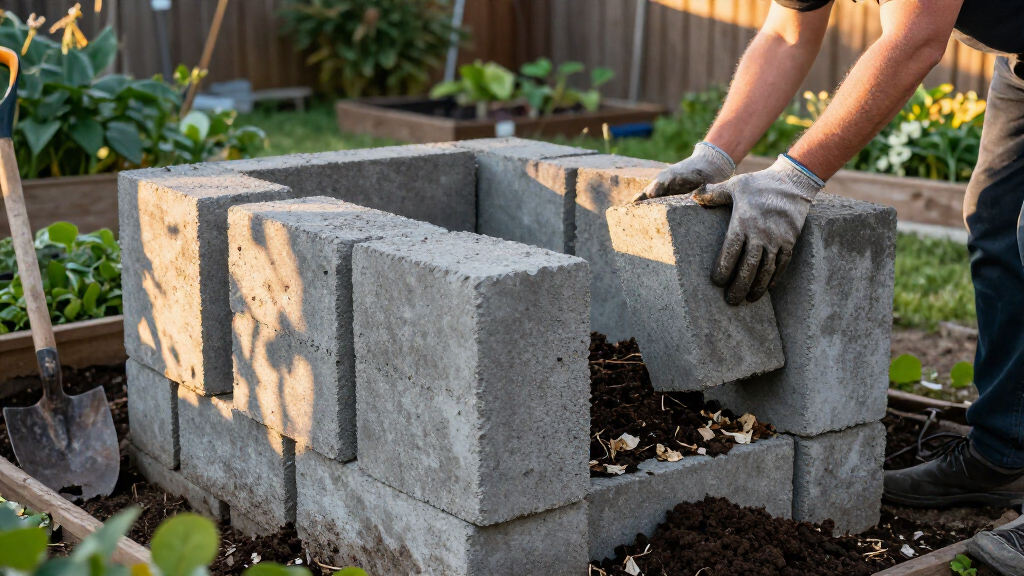
The report says a single enclosure can be assembled in less than a day, depending on the builder and site, and does not require mortar. Its instructions begin with a back row of four to five blocks, followed by two side walls of similar length. The fourth side is left open so compost can be added, turned and checked.
Additional blocks are stacked to raise the walls, with about four rows at the back and side walls that may taper toward the front. Hunker advises staggering blocks rather than aligning every joint. For airflow, the report recommends positioning the hollow sides toward the pile or leaving spaces between blocks. It also notes that the blocks can be arranged with their hollow sides parallel or perpendicular to the ground, provided airflow is maintained.
The number of blocks and enclosure dimensions can vary with the desired capacity. The report suggests looking for used blocks through local listings, construction sites, junk haulers or Habitat ReStore locations before buying new ones. It cites 8-by-8-by-16-inch blocks available at Home Depot for less than $3 each at the time of its reporting; prices and availability can change.
A Reusable Frame for Backyard Compost
The idea gives gardeners a way to build a fixed compost area from a material the report describes as sturdier and more durable than many improvised options. Because the structure uses loose-stacked blocks rather than mortar, it can be assembled without mixing or applying mortar, and its footprint can be adjusted by changing the number of blocks.
The open front also provides access for routine handling, while the suggested gaps and cavities allow air into the pile. The report links airflow with the activity of aerobic bacteria involved in decomposition. However, it does not provide comparative testing of compost speed, lifespan or cost against commercial bins or other DIY designs. The practical value will depend on block availability, the space available and how the gardener manages the pile.
Popular right now

Samsung 48-Inch S90H OLED 4K Smart TV (2026)

KitchenAid Artisan Series 5-Quart Tilt-Head Stand Mixer, Dried Rose (KSM150PS)

Bose QuietComfort True Wireless Earbuds with Active Noise Cancellation, Black
As an affiliate, we earn on qualifying purchases.
How the Three-Wall Design Works
Backyard composting can divert organic waste from landfills and produce material gardeners may use to improve soil, but a pile still needs a suitable place to contain it and allow access. Hunker’s report places the block enclosure among do-it-yourself options made from materials including wood pallets, cardboard, buckets and bags.
The proposed structure is a simple three-sided enclosure rather than a sealed container. Its open face allows the pile to be reached for adding material and turning it. The blocks form the sides and back, while their cavities or spacing are intended to provide ventilation. The report also says builders may add further sections later if they want more than one compost pile.
““you’ll just need some concrete blocks, also known as cinder blocks.””
— Hunker report
Cost, Stability and Site Conditions
The report does not give measured evidence for how long the enclosure lasts, how much faster compost decomposes in it, or how its performance compares with other bin designs. Its price example is time-sensitive, and no total project cost is provided; the number of blocks, local prices and whether used blocks are available will affect the expense.
The instructions also do not specify a foundation, maximum safe wall height or engineering guidance for uneven or unstable ground. Block weight and local conditions can make moving and stacking them difficult. The source does not address local rules or site-specific risks, so gardeners should check applicable requirements and use appropriate lifting practices. The exact enclosure size and airflow will vary with how the blocks are placed.
Check Materials Before Building
Anyone considering the design can first estimate the enclosure size and count the blocks needed, then contact local reuse stores, listing groups or haulers to check for reclaimed materials. If buying new blocks, shoppers should confirm current dimensions, price and availability rather than rely on the report’s example.
Before stacking, builders should choose a stable location and consider how they will access and turn the pile through the open side. The source offers no follow-up testing or later performance data, so whether the design meets a gardener’s needs will depend on the finished structure and ongoing compost management.
Key Questions
How many concrete blocks does the design use?
Hunker estimates about 30 to 35 blocks for one enclosure. The total can vary with the size and height chosen.
Does the enclosure require mortar?
No. The report describes stacking the blocks without mortar, with joints staggered for added stability.
Why leave the front open?
The open side makes it easier to add and turn compost and check its temperature, according to the report.
How does the design allow airflow?
Hunker recommends facing hollow block sides toward the compost or leaving gaps between blocks. It says airflow supports aerobic bacteria, but provides no comparative measurements of decomposition speed.
Where can gardeners find blocks?
The report suggests checking local online listings, construction sites, junk haulers and Habitat ReStore locations. New blocks are another option, though prices and availability vary.
Source: rss