
For a cordless circular saw that can handle a wide range of framing and sheet-goods cuts, I’d start with the DEWALT 20V MAX XR Brushless 7-1/4-Inch Kit, which pairs a full-size blade with a battery and charger. The Makita XPS01PTJ plunge saw is the standout for guided, clean sheet cuts, while the compact DeWalt Atomic 20V MAX suits lighter work and tighter spaces. The main choice is between full-size cutting capacity, a smaller and easier-to-handle saw, or a specialized guide-rail setup; battery compatibility and whether a kit includes a battery also affect the decision. I’ve ranked these 13 cordless circular saws by how well their format, features, and included equipment match real buyer needs. Read on for the full breakdown, buying advice, and answers to common questions.

Get business pricing on tools and workshop supplies
- Business-only prices and quantity discounts
- Tax-exempt purchasing
- Multiple users, one account, clear invoices
Complete the kit


Key Takeaways
- The DEWALT 20V MAX XR 7-1/4-Inch Kit is my best overall pick because its full-size format and included battery and charger make it a more ready-to-work choice than tool-only alternatives.
- The Makita XPS01PTJ fills a different role from a standard circular saw: its plunge design and guide rail favor controlled sheet cuts, but add setup and cost compared with general-purpose saws.
- Compact saws trade cutting capacity for easier handling. The DeWalt Atomic and 4-1/2-inch mini options suit smaller cuts, while a 7-1/4-inch model is better for repeated full-depth work.
- Kit contents change the practical value. A tool-only saw makes more sense for buyers who already own compatible batteries; newcomers should compare complete kits and battery capacity.
- Several listings offer less established brand or model detail. For those picks, check blade compatibility, battery availability, guard and adjustment design, and service support before choosing them over established platforms.


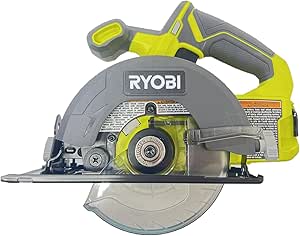


| cordless circular saw | Voltage | Power source | Weight | Speed |
|---|---|---|---|---|
| DeWalt Atomic 20V MAX Circular | 20 volts | Battery powered | 6.5 pounds | — |
| 20V Cordless Mini Circular Saw | 20 volts | Battery powered | 4.6 pounds | — |
| DEWALT 20V MAX XR Brushless Co | 20 volts | Battery powered | — | — |
| 6-inch Cordless Circular Saw | 21 volts | — | 4.6 pounds | 5,800 RPM |
| GALAX PRO DC20V 4-1/2" Cordles | 20 volts | Battery powered | 6.3 pounds | — |
| Makita XPS01PTJ 18V X2 LXT Bru | 36 volts | Battery powered | 27.6 pounds | 300 rpm (listed) |
| Ryobi One P505 18V Lithium Ion | 18 volts | Battery powered | 5.3 pounds | 4,700 rpm |
| DeWalt 20V MAX XR Brushless Co | 20 volts | Battery powered | 9.88 pounds | 5,500 rpm |
| Cordless Circular Saw with 2.0 | 20 volts | Battery powered | 4 pounds | 3,400 rpm |
| DEWALT 20V MAX 6-1/2-Inch Circ | 20 volts | Battery powered | 9 pounds | 5,150 rpm |
| Makita XSH03Z 18V LXT Lithium- | 18 volts | Battery powered | 7 pounds | 5,000 RPM |
| DEKOPRO 20V Cordless Circular | 20 volts | Battery powered | 4.29 kg | — |
| DEWALT 20V MAX Circular Saw Co | 20 volts | Battery powered | 3.16 kg | 5,100 RPM |
More Details on Our Top Picks
DeWalt Atomic 20V MAX Circular Saw, 4-1/2-Inch (Tool Only)
The DeWalt Atomic 20V MAX is the compact choice for buyers who value control over full-size cutting capacity. Its 4-1/2-inch blade and brushless motor suit trim work, small panels, and cuts where a larger saw feels awkward. Compared with the DEWALT 20V MAX XR 7-1/4-inch kit, it is easier to handle in tight spaces but cannot match its depth for framing lumber or sheet goods. The adjustable bevel reaches 45 degrees, while onboard blade storage and an electronic brake add practical convenience between cuts. The main tradeoff is its limited blade size, and this is a tool-only package, so buyers need a compatible battery and charger. I’d choose it for portability, not as a single saw for demanding construction work.
Pros:- Compact 4-1/2-inch format is easier to control in tight work areas
- Brushless motor supports efficient cutting
- Bevel adjustment reaches 45 degrees
- Onboard blade storage and electronic blade brake add useful convenience and safety
Cons:- Small blade limits depth and versatility compared with full-size saws
- Battery and charger are not included
- Less suited to extended, heavy-duty cutting than the 7-1/4-inch DEWALT XR kit
Best for: DIYers and finish-work users who already own compatible DeWalt 20V batteries and want a manageable saw for smaller cuts.
Not ideal for: Framing crews or buyers who need to cut thick stock regularly; the 4-1/2-inch blade limits cutting depth, and the tool-only package lacks a battery and charger.
- Power source:Battery powered
- Voltage:20 volts
- Blade size:4-1/2 inches
- Number of teeth:24
- Cutting angle:90 degrees
- Weight:6.5 pounds
- Dimensions:17.88 x 5.13 x 6.69 inches
- Warranty:3-year limited warranty
Our verdict“Choose this DeWalt for compact, controlled cuts if you already have its battery platform and can work within the small blade’s capacity.”
20V Cordless Mini Circular Saw with Laser Guide
This mini saw’s main distinction is its laser and rip guides, which give occasional DIY users a visual reference for straight cuts without stepping up to a larger, heavier saw. At 4.6 pounds and 3,400 RPM, it is aimed at light-to-medium tasks such as trimming boards and cutting smaller panels. The DeWalt Atomic 20V MAX is another compact option, but this saw includes a laser guide and two blades, while the DeWalt’s brushless motor and brand battery ecosystem may appeal more to buyers who already own compatible tools. The compact format also sets a firm limit: its 1-11/16-inch cut depth at 90 degrees is not for thick stock. Only one battery is included, so longer sessions may require a spare, and the available details don’t specify its capacity.
Pros:- Laser and rip guides help establish a straight cutting line
- Light 4.6-pound design is portable and easier to manage
- Includes two blades and a vacuum adapter
- 45-degree bevel capacity adds flexibility for angled cuts
Cons:- Maximum 90-degree cutting depth is 1-11/16 inches
- Best suited to light- and medium-duty work rather than sustained heavy cutting
- One battery is included, with no capacity specified in the supplied data
Best for: New DIYers making occasional straight cuts in boards or smaller panels who value a laser reference and included accessories.
Not ideal for: Users cutting thick lumber or working through long, demanding sessions; its shallow capacity and single included battery are limiting.
- Power source:Battery powered
- Voltage:20 volts
- No-load speed:3,400 RPM
- Blade length:4.5 inches
- Cutting depth at 90 degrees:1-11/16 inches
- Bevel capacity:45 degrees
- Weight:4.6 pounds
- Included accessories:Two blades, vacuum adapter
Our verdict“Pick this mini saw for guided, occasional DIY cuts, but choose a larger saw such as the DEWALT XR kit for deeper or tougher work.”
DEWALT 20V MAX XR Brushless Cordless 7-1/4 in. Circular Saw Kit with Battery and Charger
For buyers who need a cordless saw with near full-size cutting capacity, the DEWALT 20V MAX XR 7-1/4-inch kit is the strongest fit in this group. Its brushless motor is rated up to 1,700 MWO and 5,500 RPM, and the blade cuts up to 2-9/16 inches at 90 degrees—far deeper than the compact DeWalt Atomic or the 6-inch cordless saw listed here. That capacity makes it more practical for framing and thicker material, while the included battery and charger let buyers start without assembling a separate power package. The tradeoff is size and weight: prolonged overhead or one-handed work will be less comfortable than with a mini saw. Battery runtime can also limit long sessions, so this kit favors demanding cuts over maximum portability.
Pros:- Brushless motor rated up to 1,700 MWO and 5,500 RPM
- Cuts up to 2-9/16 inches at 90 degrees
- Includes a battery and charger
- Electric brake adds a safety-focused feature
Cons:- Heavier and less convenient for prolonged overhead work than the DeWalt Atomic
- Included battery may constrain runtime during extended cutting sessions
- Larger size is unnecessary for many trim and small-panel tasks
Best for: Home renovators and jobsite users who need a cordless saw for framing, thicker lumber, and repeated full-depth cuts.
Not ideal for: Buyers prioritizing compact handling or frequent overhead cuts; its larger 7-1/4-inch format is heavier than the mini saw options.
- Power source:Battery powered
- Voltage:20 volts
- Blade size:7-1/4 inches
- Motor:Brushless; up to 1,700 MWO
- No-load speed:5,500 RPM
- Maximum depth at 90 degrees:2-9/16 inches
- Maximum depth at 45 degrees:2 inches
- Included battery:One lithium-ion battery
- Warranty:3 years
Our verdict“Choose this kit for deeper, more demanding cordless cuts and a ready-to-use battery package, rather than for lightweight portability.”
6-inch Cordless Circular Saw, 21V, 4.0Ah Battery, 5800RPM, Includes 40T & 60T Blades, Fast Charger
This 6-inch saw stands apart from the smaller mini models by pairing a 4.0Ah battery with two blades intended for different materials: a 40-tooth carbide-tipped blade for wood and a 60-tooth blade for aluminum and soft metals. Its 5,800 RPM speed and 2-1/6-inch maximum depth at 90 degrees give it more reach than the 4-1/2-inch DeWalt Atomic, though it still falls short of the DEWALT XR’s 7-1/4-inch capacity. At 4.6 pounds, it remains portable, and the included charger is listed as a one-hour fast charger. The broad material claims depend on fitting the appropriate blade and using it correctly; this is not a substitute for a dedicated metal-cutting setup. Dust extraction requires a vacuum, and runtime under heavy use may vary.
Pros:- Includes a 4.0Ah lithium-ion battery and fast charger
- Two included blades offer options for wood and soft metals
- 5,800 RPM and 2-1/6-inch 90-degree depth suit a range of DIY cuts
- 4.6-pound weight keeps it portable
Cons:- Does not reach the cutting depth of the 7-1/4-inch DEWALT XR
- Heavy-use battery life may vary
- Dust extraction requires a separate vacuum
Best for: DIYers who want one cordless saw for wood and occasional aluminum or soft-metal cuts, with a battery and blade options included.
Not ideal for: Buyers needing full-depth framing capacity or frequent heavy-duty metal cutting; the 6-inch blade and material-specific blades set limits.
- Motor:2000W brushless
- Voltage:21 volts
- Battery:4.0Ah lithium-ion
- Blade diameter:6 inches
- Speed:5,800 RPM
- Maximum cut depth at 90 degrees:2-1/6 inches (55 mm)
- Maximum cut depth at 45 degrees:1-1/4 inches (31 mm)
- Included blades:40-tooth carbide-tipped wood blade; 60-tooth blade for aluminum and soft metals
- Weight:4.6 pounds
Our verdict“Choose this 6-inch kit for portable DIY cutting across wood and occasional soft metal, but step up to the DEWALT XR for deeper cuts.”
GALAX PRO DC20V 4-1/2″ Cordless Mini Circular Saw with 2.0Ah Battery
The GALAX PRO DC20V makes the most sense for buyers who want a compact saw package with the battery, charger, and basic cutting accessories already included. Its 4-1/2-inch blade, laser guide, and rip guide give DIY users useful help with smaller, controlled cuts; the included 24-tooth wood blade and 60-tooth HSS blade also broaden its intended tasks. Compared with the DeWalt Atomic 20V MAX, this bundle supplies a 2.0Ah battery and charger, while the DeWalt offers a brushless motor and an electronic blade brake. The GALAX PRO’s 1-11/16-inch maximum depth at 90 degrees is still a constraint, and its listed 6.3-pound weight is not especially light for a mini saw. Its 2.0Ah battery may also call for breaks or a spare during longer projects.
Pros:- Includes a 2.0Ah battery and charger
- Laser guide and rip guide support controlled cuts
- Two included blades cover wood and metal-oriented tasks
- Bevel cutting reaches a 45-degree angle
Cons:- Maximum depth is 1-11/16 inches at 90 degrees and 1-1/8 inches at 45 degrees
- 2.0Ah battery may be limiting on extended projects
- At 6.3 pounds, it is heavier than the 4.6-pound mini saw options
Best for: Occasional DIY users who need a complete compact saw kit, including a battery, charger, guide, and blades for small projects.
Not ideal for: Users cutting thick lumber or working for long stretches; the shallow depth and 2.0Ah battery favor smaller jobs.
- Power source:Battery powered
- Voltage:20 volts
- Blade size:4.5 inches
- No-load speed:3,400 RPM
- Maximum cutting depth at 90 degrees:1-11/16 inches
- Maximum cutting depth at 45 degrees:1-1/8 inches
- Weight:6.3 pounds
- Battery:2.0Ah
- Included components:24T TCT wood blade, 60T HSS blade, charger, rip guide, vacuum adapter
Our verdict“Pick the GALAX PRO if you want a compact saw with a battery and accessories in the package, but choose the DeWalt Atomic for a brushless platform tool.”
Makita XPS01PTJ 18V X2 LXT Brushless Cordless 6-1/2 inch Plunge Circular Saw Kit (5.0Ah) with Guide Rail
The Makita XPS01PTJ suits buyers whose priority is clean, controlled sheet cutting rather than a conventional handheld saw’s speed between rough cuts. Its plunge design and guide-rail compatibility help keep long cuts straight and predictable; unlike the DEWALT 20V MAX 6-1/2-Inch Circular Saw Kit, it is built around guided cutting, not general-purpose portability. The two 18V batteries power a 36V system, while brushless drive and variable speed give more control across different cutting tasks. The tradeoff is weight: at a listed 27.6 pounds, this is a less appealing choice for repeated overhead work or carrying around a site. The guide rail is also described as optional, so buyers should check what their kit includes before counting on track-guided cuts. Choose it for precision-focused workshop or jobsite work, not as the simplest all-round saw.
Pros:- Plunge-saw design supports controlled entry cuts and sheet-material work
- Guide-rail compatibility helps keep long cuts straight
- Brushless motor and variable speed provide control across cutting tasks
- Two 18V batteries power the listed 36V system
Cons:- Listed 27.6-pound weight can make carrying and extended use tiring
- Guide rail may need to be purchased separately
- Requires Makita LXT batteries and is less useful to buyers outside that battery system
Best for: Cabinetmakers and remodelers who regularly make long, straight cuts in sheet goods and want a plunge saw with guide-rail compatibility.
Not ideal for: DIYers seeking a light, grab-and-go saw for occasional framing cuts, or buyers who do not want to purchase a compatible guide rail separately.
- Power source:Battery powered
- Voltage:36 volts
- Battery setup:Two lithium-ion batteries
- Blade diameter:6-1/2 inches
- Speed:300 rpm (listed)
- Cutting angle:90 degrees (listed)
- Weight:27.6 pounds
- Dimensions:16 x 12.1 x 19.6 inches
Our verdict“Choose the Makita for track-guided precision in sheet goods, but pick the lighter DEWALT 6-1/2-inch kit for more conventional portable cutting.”
Ryobi One P505 18V Lithium Ion Cordless 5 1/2″ Circular Saw (Power Tool Only)
The Ryobi P505 is a straightforward fit for home projects where a compact saw matters more than the deeper cuts of a full-size blade. Its 5-1/2-inch blade and 5.3-pound listed weight make it easier to handle than the DEWALT 7-1/4-inch saw, especially for short cuts in lumber and sheet goods. A 4,700 RPM motor and bevel adjustment up to 50 degrees cover common DIY tasks, while the rubberized grip and onboard wrench make handling and blade changes less fussy. That smaller blade does limit cutting depth, so it is not the pick for buyers who regularly cut thicker stock. It is also a tool-only listing: you need a compatible Ryobi 18V battery and charger. Compared with the DEWALT 6-1/2-inch kit, the Ryobi is lighter, but less ready to use out of the box.
Pros:- Compact 5-1/2-inch blade suits common DIY cuts
- Listed weight of 5.3 pounds is lighter than the full-size saws here
- Bevel adjustment reaches 50 degrees
- Rubberized grip and onboard blade wrench support easier handling and blade changes
Cons:- Smaller blade limits cutting depth compared with 6-1/2- and 7-1/4-inch saws
- Battery and charger are not included
- Listed warranty is limited to 30 days
Best for: Homeowners with an existing Ryobi 18V battery who want a manageable saw for repairs, shelving, and occasional bevel cuts.
Not ideal for: Buyers who need greater cutting depth for frequent framing work, or anyone without a compatible Ryobi battery and charger.
- Power source:Battery powered
- Voltage:18 volts
- Blade diameter:5.5 inches
- Speed:4,700 rpm
- Maximum bevel angle:50 degrees
- Weight:5.3 pounds
- Dimensions:11.5 x 9.75 x 6.5 inches
- Battery and charger:Not included
Our verdict“Pick the Ryobi for lighter home cutting if you already own its 18V batteries, but choose a larger-blade model for deeper or more demanding cuts.”
DeWalt 20V MAX XR Brushless Cordless 7-1/4 in. Circular Saw (Tool Only)
For buyers who need a cordless saw to handle demanding cuts, the DEWALT 20V MAX XR 7-1/4-inch offers the largest blade in this batch and a listed 2-9/16-inch cut depth at 90 degrees. Its brushless motor and 5,500 RPM rating make it a stronger match for framing and other substantial stock than the Ryobi P505, whose smaller blade trades depth for easier handling. The electric brake adds a useful stop after a cut, while the 45-degree capacity is listed at 2 inches. This size brings a real portability cost: at 9.88 pounds, it is heavier than the compact options, and the battery and charger are sold separately. I would favor it for jobsite cutting where capacity matters more than low carry weight, not for quick, light-duty household tasks.
Pros:- 7-1/4-inch blade offers greater cutting capacity than the smaller saws in this batch
- Listed cut depth is 2-9/16 inches at 90 degrees and 2 inches at 45 degrees
- Brushless motor is suited to demanding cutting work
- Electric brake helps stop the blade after cuts
Cons:- Battery and charger are sold separately
- Listed weight of 9.88 pounds is substantial for extended carrying or overhead work
- Larger blade and body are less convenient for compact, light-duty tasks
Best for: Framers and experienced DIYers who need full-size blade capacity and cordless freedom for repeated cuts in substantial lumber.
Not ideal for: Occasional users prioritizing low weight or buyers who need a complete kit with battery and charger included.
- Power source:Battery powered
- Voltage:20 volts
- Blade diameter:7-1/4 inches
- Speed:5,500 rpm
- Maximum cut depth at 90 degrees:2-9/16 inches
- Maximum cut depth at 45 degrees:2 inches
- Weight:9.88 pounds
- Special features:Brushless motor and electric brake
- Battery and charger:Not included
Our verdict“Choose this DEWALT when full-size cutting depth is the priority and you already have compatible batteries; for lighter work, the Ryobi P505 is easier to handle.”
Cordless Circular Saw with 2.0Ah Battery and Laser Guide, 45° Angle
This 4-pound mini circular saw puts portability first, making it easier to carry for small repairs or short cuts than the DEWALT 7-1/4-inch jobsite saw. It comes with a 20V 2.0Ah battery and multiple blades intended for wood, soft metal, and plastic, giving it more material flexibility than a wood-focused compact option like the Ryobi P505. The laser guide can help mark the cut path, but it does not make this a substitute for a full-size circular saw: the listed maximum depth is only 1-11/16 inches at 90 degrees, dropping to 1-1/8 inches at 45 degrees. Its 3,400 RPM rating and small battery point toward shorter, lighter tasks rather than extended production cutting. The product data also notes that laser operation requires additional batteries, so confirm the power arrangement before relying on that feature.
Pros:- Listed 4-pound weight makes it easy to carry for small tasks
- Includes a 20V 2.0Ah battery
- Multiple blades support cutting wood, soft metal, and plastic
- Laser guide helps indicate the intended cut path
Cons:- Maximum cut depth is limited to 1-11/16 inches at 90 degrees
- 2.0Ah battery may be limiting during extended cutting sessions
- Laser operation is described as requiring additional batteries
Best for: DIYers who need a light, portable saw for short cuts in thinner wood, plastic, or soft metal and value included blades and a battery.
Not ideal for: Framers or remodelers who routinely cut thick lumber, need long runtimes, or want a full-size saw for repeated jobsite work.
- Power source:Battery powered
- Voltage:20 volts
- Battery:One 2.0Ah battery
- Speed:3,400 rpm
- Maximum cut depth at 90 degrees:1-11/16 inches
- Maximum cut depth at 45 degrees:1-1/8 inches
- Weight:4 pounds
- Materials:Wood, soft metal, and plastic
Our verdict“Choose this mini saw for portable, shallow cuts across several materials, but use the DEWALT 7-1/4-inch model for deeper or sustained jobsite work.”
DEWALT 20V MAX 6-1/2-Inch Circular Saw Kit, with 5.0-Ah Battery and Charger
The DEWALT 20V MAX 6-1/2-inch kit is the practical choice for buyers who want a conventional cordless saw without having to source a battery and charger separately. Its included 5.0Ah battery and charger make it more immediately usable than the tool-only DEWALT 7-1/4-inch XR, while the 5,150 RPM motor and bevel adjustment up to 50 degrees cover a broad range of everyday cuts. The 6-1/2-inch blade sits between the Ryobi P505’s more compact 5-1/2-inch size and the larger XR’s deeper-cutting blade, balancing portability and capacity. At a listed 9 pounds, though, it is not especially light for prolonged overhead work, and a single battery may interrupt longer sessions. This is a sensible all-purpose kit for existing 20V MAX users who need a complete saw setup, not the lightest or deepest-cutting option.
Pros:- Includes a 5.0Ah battery and charger for a ready-to-use setup
- 6-1/2-inch blade balances cutting capacity and portability
- Bevel adjustment reaches 50 degrees
- 5,150 RPM motor is suited to demanding everyday cuts
Cons:- Listed 9-pound weight may tire users during extended or overhead work
- Only one battery is included, which can limit continuous work
- Smaller blade has less cutting depth than the DEWALT 7-1/4-inch XR
Best for: DIYers and remodelers who want a versatile 6-1/2-inch cordless saw with a battery and charger included for everyday woodcutting.
Not ideal for: Buyers who prioritize minimum carry weight, need the deepest cuts available, or already own batteries and would rather buy a tool-only saw.
- Power source:Battery powered
- Voltage:20 volts
- Blade diameter:6.5 inches
- Speed:5,150 rpm
- Maximum bevel angle:50 degrees
- Battery setup:One 5.0Ah lithium-ion battery
- Weight:9 pounds
- Included:Battery and charger
- Warranty:3-year limited manufacturer warranty
Our verdict“Choose this kit for a complete, versatile 6-1/2-inch setup, while the DEWALT XR suits buyers who need greater blade capacity and already have batteries.”
Makita XSH03Z 18V LXT Lithium-Ion Brushless Cordless 6-1/2″ Circular Saw, Tool Only
The Makita XSH03Z suits buyers who want a compact, 6-1/2-inch saw with a brushless motor rather than a larger blade platform. Its 5,000 RPM speed and automatic speed-change technology are intended to adapt performance to the cut, helping balance pace and battery use during woodworking jobs. Compared with the DEWALT DCS391B, it runs slightly slower on paper but adds brushless motor design and automatic speed adjustment; the DEWALT offers a wider bevel range. At 7 pounds, this Makita is easier to carry than some heavier options, though its tool-only format means buyers need a compatible 18V LXT battery and charger already. The 6-1/2-inch blade also limits capacity compared with full-size 7-1/4-inch saws.
Pros:- Brushless motor is designed for efficient cutting and longer tool life
- Automatic speed change adjusts performance to the task
- 5,000 RPM no-load speed supports brisk cutting
- 7-pound listed weight favors portability
Cons:- Battery and charger are not included
- 6-1/2-inch blade limits cutting capacity versus 7-1/4-inch saws
- Requires compatibility with Makita’s 18V LXT battery platform
Best for: Makita 18V LXT owners who want an efficient cordless saw for regular trim, framing, and general woodworking cuts.
Not ideal for: Buyers without Makita batteries, or anyone needing a larger blade and greater cutting capacity for heavy structural work.
- Power source:Battery powered
- Voltage:18 volts
- Speed:5,000 RPM
- Blade size:6-1/2 inches
- Number of teeth:24
- Weight:7 pounds
- Dimensions:14.02 x 7.8 x 10.43 inches
- Warranty:3-year limited warranty
Our verdict“Choose the Makita XSH03Z if you already own 18V LXT batteries and value brushless efficiency over a wider bevel range or larger blade capacity.”
DEKOPRO 20V Cordless Circular Saw, 6-1/2-Inch Blade, 4500 RPM, with 2 Batteries and Charger
The DEKOPRO is the most ready-to-work choice here for a buyer starting without compatible batteries: two batteries and a charger are included, unlike the tool-only Makita XSH03Z and DEWALT DCS391B. Its 6-1/2-inch carbide-tipped blade, 4,500 RPM speed, adjustable bevel, and laser guide cover common DIY cutting needs without requiring a separate battery purchase. The tradeoff is a lower stated speed than either competitor, and the listed 4.29 kg weight makes it less appealing for repeated overhead or all-day work. The laser may help with alignment, but it does not replace careful setup and a steady feed. This is a convenience-focused package for occasional projects, not the strongest fit for buyers prioritizing low weight or established-brand battery compatibility.
Pros:- Includes two lithium-ion batteries and a charger
- Laser guide provides a visual aid for lining up cuts
- Adjustable bevel supports cuts from 0 to 45 degrees
- Carbide-tipped blade is suited to general woodworking
Cons:- Listed weight of 4.29 kg may cause fatigue during extended use
- 4,500 RPM is lower than the Makita XSH03Z and DEWALT DCS391B figures
- Bevel adjustment stops at 45 degrees
Best for: DIYers buying their first cordless circular saw who want batteries, a charger, and basic bevel and alignment features in one package.
Not ideal for: Frequent users who need a lightweight saw for extended cutting, or buyers already invested in Makita or DEWALT battery platforms.
- Power source:Battery powered
- Voltage:20 volts
- Blade diameter:6.5 inches
- No-load speed:4,500 RPM
- Batteries included:2
- Battery type:Lithium-ion
- Bevel range:0–45 degrees
- Blade material:Carbide-tipped
- Weight:4.29 kg
Our verdict“Pick the DEKOPRO if you need a complete starter package for occasional DIY cuts and prefer included batteries over a lighter, tool-only saw.”
DEWALT 20V MAX Circular Saw Cordless, Battery Not Included (DCS391B)
The DEWALT DCS391B is the strongest match in this group for buyers who need more bevel flexibility: its shoe tilts to 50 degrees, five degrees beyond the DEKOPRO’s 45-degree limit. The stated 5,150 RPM motor also leads this trio on speed, while the magnesium shoe is designed to keep the saw durable without making it a full-size 7-1/4-inch model. That blend makes it a capable option for varied woodworking cuts, but it is still a tool-only purchase; DEWALT 20V MAX battery owners have the clearest reason to choose it. The Makita XSH03Z adds brushless motor technology and automatic speed adjustment, while the DEWALT’s listed blade material is high-speed steel rather than carbide-tipped. Buyers should check their blade needs and battery setup before choosing.
Pros:- 0–50-degree bevel capacity exceeds the DEKOPRO’s 45-degree range
- 5,150 RPM is the highest stated speed among these three saws
- Magnesium shoe is designed for durability with reduced bulk
- Uses the DEWALT 20V MAX battery platform
Cons:- Battery and charger are sold separately
- Listed blade material is high-speed steel, not carbide-tipped
- At 3.16 kg, it is heavier than the Makita’s listed 7-pound weight
Best for: DEWALT 20V MAX owners who make frequent bevel cuts and want a compact 6-1/2-inch saw with a broad angle range.
Not ideal for: First-time cordless-saw buyers who need a battery and charger included, or shoppers seeking a brushless motor and carbide-tipped blade as listed.
- Power source:Battery powered
- Voltage:20 volts
- Speed:5,100 RPM
- Blade size:6.5 inches
- Number of teeth:18
- Bevel capacity:0–50 degrees
- Weight:3.16 kg
- Blade material:High-speed steel
- Warranty:3-year limited warranty
Our verdict“Choose the DCS391B if you already own DEWALT 20V MAX batteries and need a wider bevel range than the Makita or DEKOPRO provides.”

How We Picked
I compared these cordless circular saws by the job they can reasonably serve, not by treating every blade size and format as interchangeable. The main factors were cutting capacity and saw format, motor type where specified, battery platform and included power equipment, and features that can affect control such as a guide rail, bevel adjustment, or laser. I also looked at whether the product is a bare tool or a kit, since that can change what a buyer needs before making a first cut.
The ranking favors useful capability, clear role, and a practical ownership path. A full-size saw with battery and charger ranks above a similar bare tool for a buyer starting from scratch, while a plunge saw earns its place for precision sheet work rather than general use. Compact and lower-cost-oriented models remain worthwhile when their smaller format fits the job, but they rank lower when capacity, platform detail, or support information is less clear. Product names and listed specifications are not a substitute for checking the exact kit contents and compatibility before purchase.
Factors to Consider When Choosing Cordless Circular Saws
Before choosing a cordless circular saw, match the tool to the cuts you make most often and the battery system you can support. These factors help prevent buying either more saw than you need or a compact model that cannot handle your regular work.
Choose Blade Size Around Your Typical Cut
A larger blade generally gives you more cutting depth, which matters for thicker stock and some framing cuts. Smaller saws can be easier to guide and carry, but their capacity can limit the materials they handle in one pass. Think about the thickest material you cut regularly, not the occasional job that could be completed with another method. Also check the saw’s stated depth at 90 and 45 degrees, since bevel cuts reduce usable depth. A common mistake is choosing a mini saw because it looks convenient, then expecting it to replace a full-size saw. If most work is plywood, trim, or small repairs, compactness may be the more useful advantage.
Account for Battery Platform and Kit Contents
A bare tool can be a sensible addition when you already own batteries and chargers from the same platform. If you are starting fresh, compare the full kit rather than assuming the included battery is large enough for long or demanding sessions. Battery capacity affects runtime and can add weight, so the biggest pack is not automatically the best choice for every user. Confirm the exact battery model and charger included, especially when product names have similar kit and tool-only versions. Mixing platforms may mean maintaining separate chargers and spare batteries. Treat battery compatibility as part of the saw’s total ownership needs, not a minor accessory detail.
Decide Whether You Need a Guide Rail or a Standard Saw
A conventional circular saw is a flexible choice for framing, rough sizing, and general construction cuts. A plunge saw with a guide rail is designed for more controlled, straight cuts in sheet goods, where a freehand cut can wander or tear out. That precision comes with extra setup, storage, and compatibility questions; check whether the rail is included and whether it suits your work surface and material sizes. Buyers sometimes pay for a rail system without making enough long, repeatable cuts to benefit from it. If you mostly make short cuts on site, a standard saw and a suitable straightedge may be simpler. Pick the specialized format only when its workflow solves a recurring problem.
Treat Lasers and Other Aiming Aids as Guides, Not Guarantees
A laser can help show a cut path, but it does not replace a stable base, a clear sightline, or a well-marked workpiece. Its usefulness depends on lighting, calibration, and whether the mark stays visible while dust is produced. For repeatable accuracy, a fence or guide rail can offer more physical control than a projected line. Look for practical adjustment access and a blade guard that moves freely, since those affect real cutting workflow. Do not choose a saw solely because a listing advertises a laser or high rotational speed. Prioritize control and the ability to set up a cut safely.
Match Runtime and Weight to the Work Session
Long cuts and dense material can draw more from a battery than occasional crosscuts, so runtime matters as much as the saw’s headline power claims. A larger battery can reduce interruptions but may make an already compact saw less comfortable to handle. For overhead, ladder, or repeated one-handed repositioning, the complete tool-and-battery weight deserves attention. Brushless motors may improve efficiency and reduce routine motor wear, but they do not remove the need for suitable batteries and sharp blades. Consider how often you can recharge and whether a spare pack is already part of your setup. Buyers who work in short bursts may prefer a lighter system over maximum runtime.
Check Blade, Adjustment, and Support Details Before Buying
Blade size, arbor compatibility, and the availability of suitable replacement blades affect how easily you can adapt a saw to different materials. Check how the bevel and depth adjustments lock, and whether the markings are clear enough for your work. For less familiar brands or listings with limited model detail, confirm battery replacement availability, warranty terms, and access to service parts before relying on the tool for regular work. Included blade counts can sound useful, but tooth count and blade type should match the material and finish you need. A saw that is easy to maintain may serve longer than one with more advertised accessories. Verify the exact specifications for the selected listing, since similarly named versions can differ.
Frequently Asked Questions
Should I buy a 7-1/4-inch saw or a compact cordless circular saw?
Choose a 7-1/4-inch model if you regularly cut thicker lumber or want a more capable general construction saw. A compact model is easier to maneuver and can suit smaller repairs, thin stock, and buyers who value a lighter setup over maximum depth. Check the stated cutting depth at both 90 and 45 degrees rather than relying on blade size alone. If you expect one saw to handle varied building tasks, the larger format is usually the more flexible choice. If your work is mostly small and occasional, the compact format can be easier to live with.
Is a tool-only circular saw a good choice if I do not own its battery platform?
Usually, a bare tool is most practical when you already own compatible batteries and a charger. Without them, the apparent simplicity of buying just the saw can lead to an extra battery and charger purchase before the tool is usable. Compare the complete kit contents, including battery capacity, rather than assuming all bundles are alike. A kit may also be a better starting point if you want a matched charging system. Verify platform compatibility by the exact model number, since a brand may sell multiple battery families.
Will a laser guide make my cuts more accurate than a guide rail?
A laser can help you follow a marked line, but it does not constrain the saw’s movement. A guide rail provides a physical reference and is generally more helpful for long, straight sheet cuts where wandering would spoil the workpiece. The right choice depends on the cut: a laser may be convenient for quick rough sizing, while a rail supports repeatable precision. Lighting, dust, and calibration can also affect how useful a laser is. For critical cuts, secure the workpiece and use a suitable fence or rail rather than relying on the projected line alone.
Does a plunge circular saw make sense for occasional DIY projects?
It can make sense if those projects regularly involve large sheet goods and clean, straight cuts. For occasional short cuts, a standard circular saw and a straightedge may be simpler to store, set up, and use. A plunge saw’s value comes from the guided workflow, not from being a universal upgrade for every cut. Check whether the rail is included and whether its length fits the panels you work with. If you rarely cut full sheets, the specialized setup may not justify the extra equipment.
What should I verify before buying a less familiar cordless saw brand?
Confirm the exact blade size, arbor type, cutting depth, bevel range, and battery specification for the listing. Look for replacement batteries, compatible blades, warranty details, and a practical way to obtain service parts. Check that the product includes the battery and charger shown in its specific bundle rather than relying on a general product title. Safety and usability details matter too: inspect the guard design, adjustment locks, and instructions. If these details are unclear, a better-documented model on a platform with available batteries may be the safer long-term choice.
Conclusion
My best overall recommendation is the DEWALT 20V MAX XR Brushless 7-1/4-Inch Kit for buyers who want a full-size saw with battery and charger included. For best value within an existing battery system, compare the tool-only DEWALT or Makita models that match batteries you already own, rather than paying for duplicate charging gear. The best premium, precision-focused choice is the Makita XPS01PTJ plunge saw for frequent guided sheet cuts. Beginners doing lighter repairs may prefer the DeWalt Atomic for its compact format, while buyers needing deeper cuts should favor a full-size blade. For specialized needs, choose a mini saw for maneuverability or the plunge model for rail-guided accuracy; check kit contents and battery compatibility before settling on a specific listing.