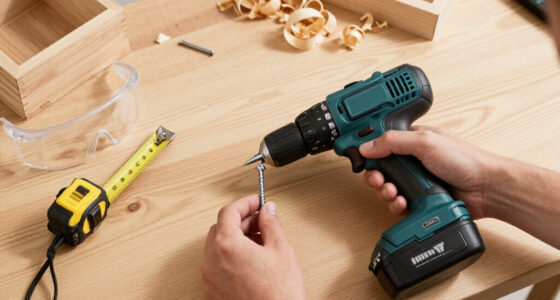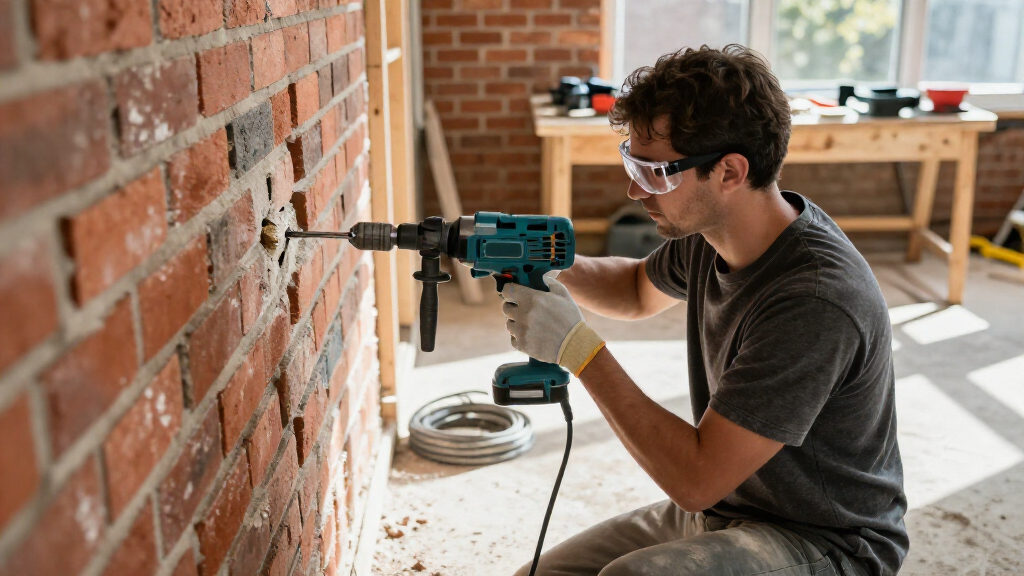
Among these cordless rotary hammers, my best overall pick is the DEWALT DCH273B for its brushless motor and useful balance of capacity and portability. The DEWALT DCH293B is a stronger fit for buyers who need a larger 1-1/8-inch class tool, while the DEWALT DCH172B stands out for lighter drilling and overhead work. The main tradeoff is between drilling capacity and tool weight, with battery platform compatibility and whether a tool includes batteries also shaping the decision. Several listings are third-party tools that use DEWALT-style batteries, so compatibility and support deserve extra scrutiny. Read on for the full breakdown and a guide to choosing the right cordless rotary hammer for your work.

Get business pricing on tools and workshop supplies
- Business-only prices and quantity discounts
- Tax-exempt purchasing
- Multiple users, one account, clear invoices
Complete the kit


Key Takeaways
- The DEWALT DCH273B is the best overall fit in this lineup for buyers seeking a brushless SDS-Plus tool without moving up to the larger DCH293B.
- The DCH293B is the lineup’s capacity-focused premium choice, but its larger format makes more sense for demanding drilling than occasional anchor holes.
- The DCH172B favors control and lower tool bulk, while its 5/8-inch capacity is a narrower match for users who regularly drill larger holes.
- Battery details change the value calculation: several picks are bare tools, while the Seesii 1-Inch model includes two 5.0Ah batteries.
- Battery compatibility claims are not equal to a shared tool ecosystem: third-party models advertised for DEWALT 20V MAX packs merit careful checking for fit, charging, warranty, and support.


| cordless rotary hammer | Impact energy | Motor | Voltage | Chuck |
|---|---|---|---|---|
| Cordless SDS-Plus Rotary Hamme | 2.6 J | Brushless | — | SDS-Plus |
| Milwaukee M18 Cordless SDS Plu | 1.7 ft-lb | Brushless | 18 V | SDS Plus |
| DEWALT 20V MAX 5/8-Inch Cordle | 1.4 J | Brushless | 20V MAX | SDS Plus |
| DEWALT 20V MAX Cordless SDS Pl | 2.1 J | Brushless | 20V MAX | SDS Plus |
| Deshuo 1-Inch SDS-Plus Rotary | 3 J | — | — | — |
| Seesii 1-Inch Cordless SDS-Plu | 3.2 J | Brushless | 18 V | SDS-Plus |
| Securitoday Cordless SDS-Plus | 2.5 J | Brushless | — | SDS-Plus |
| Dong Cheng 20V Max Brushless S | 2.1 J | Brushless | 20 V | SDS-Plus |
| RYOBI ONE+ 18V Brushless Cordl | — | Brushless | 18 V | — |
| 20V Brushless SDS-Plus Cordles | 2.5 J | Brushless | 20 V | SDS-Plus |
| MtiolHig 18V Cordless SDS-Plus | 3 J | Brushless | 18 V | — |
| Seesii 1-Inch Cordless SDS-Plu | 2.8 J | Brushless | 18 V | — |
| DEWALT DCH293B 20V MAX XR Brus | 3.5 J | Brushless | 20 V | — |
| DEWALT 20V MAX Cordless Rotary | 2.6 ft-lb | — | 20 V | — |
| DEWALT 20V MAX Brushless 1-Inc | 2.6 J | Brushless | 20 V | — |
More Details on Our Top Picks
Cordless SDS-Plus Rotary Hammer Drill for Dewalt 20V MAX Batteries
This brushless option makes the most sense for someone who already owns DeWalt 20V MAX batteries and wants a four-mode tool for drilling and light chiseling without adding another battery platform. Its stated 2.6 J impact energy is higher than the Milwaukee 2712-20’s 1.7 ft-lb, while the included bits and chisels make it more ready for varied tasks than the bare-tool Milwaukee. The four settings include chisel-position adjustment, useful when setting a flat chisel to the angle a job requires. The tradeoff is that the battery and charger are not included, and this listing is not a DeWalt-branded tool. I’d compare it with the DEWALT DCH273B if brand continuity and a stated active vibration control system matter more than the extra accessories.
Pros:- Brushless motor with stated 2.6 J impact energy
- Four modes include drilling, hammer drilling, chiseling, and chisel-position adjustment
- Compatible with DeWalt 20V MAX batteries
- Includes three SDS-Plus bits, two chisels, and a depth gauge
Cons:- Battery and charger are not included
- Requires a compatible DeWalt 20V MAX battery
- Brand is BDJHMP, not DeWalt
Best for: DIYers and tradespeople who already have DeWalt 20V MAX batteries and want included SDS-Plus bits and chisels for occasional concrete drilling and light chipping.
Not ideal for: Buyers without compatible DeWalt batteries, or those who want a DeWalt-branded tool with the DCH273B’s stated active vibration control.
- Chuck:SDS-Plus
- Motor:Brushless
- Compatible batteries:DeWalt 20V MAX
- Impact energy:2.6 J
- Impact frequency:Up to 4,500 BPM
- Maximum speed:1,100 RPM
- Operating modes:4
- Weight:5.07 lb
- Battery and charger:Not included
Our verdict“Choose this if you already own DeWalt 20V MAX batteries and value a brushless four-mode tool with accessories in the box.”
Milwaukee M18 Cordless SDS Plus Rotary Hammer, 2712-20
The Milwaukee 2712-20 is a practical fit for buyers already invested in M18 batteries who want a cordless SDS-Plus hammer with an anti-vibration system. Its stated 1-inch concrete capacity gives it a clear task range, while stop rotation supports chipping work and the LED helps illuminate the work area. Compared with the compact DEWALT DCH172B, this Milwaukee offers a higher stated impact rate and a larger listed concrete capacity, but it weighs more and is less suited to tight overhead work. Its 1.7 ft-lb impact energy is also below the 2.6 J claimed for the DeWalt-compatible BDJHMP model. This is a bare tool, so its value depends on already having M18 batteries and a charger; buyers starting from scratch should weigh that extra platform commitment.
Pros:- Brushless motor and M18 cordless platform
- Anti-vibration system helps reduce vibration felt at the handles
- Stop-rotation feature supports chipping applications
- Listed capacity includes 1-inch concrete drilling and 2-1/2-inch core bits
Cons:- Battery and charger are not included
- At 6.9 lb, it is heavier than the DEWALT DCH172B
- Stated 1.7 ft-lb impact energy is lower than the BDJHMP model’s claimed 2.6 J
Best for: Milwaukee M18 owners who need a cordless SDS-Plus tool for concrete drilling and occasional chipping, especially where vibration control matters.
Not ideal for: Buyers who need a lightweight tool for extended overhead work, want accessories included, or do not own M18 batteries and a charger.
- Chuck:SDS Plus
- Voltage:18 V
- Motor:Brushless
- Impact energy:1.7 ft-lb
- Impact rate:0–4,900 BPM
- No-load speed:0–1,400 RPM
- Concrete capacity:1 in.
- Tool weight:6.9 lb
- Battery included:No
Our verdict“Pick the 2712-20 if you already use M18 batteries and want vibration control and chipping capability in a cordless SDS-Plus hammer.”
DEWALT 20V MAX 5/8-Inch Cordless Brushless SDS Plus Rotary Hammer (DCH172B)
The DCH172B earns its place for buyers who need a compact, light SDS-Plus hammer for anchors, mounting, and concrete work in confined spots. At a listed 4.59 lb with a 5/8-inch drilling capacity, it is easier to maneuver than the 6.4-pound DEWALT DCH273B, though the larger model offers 2.1 J impact energy against this tool’s 1.4 J. Vibration control is a useful match for repeated drilling, while the two stated modes keep the controls straightforward for drilling and hammer drilling. That narrower mode set means it is not the choice for chiseling; the DCH273B has a dedicated chip mode. The DCH172B is also sold without a listed battery or charger, so it suits existing 20V MAX users best.
Pros:- Light listed weight of 4.59 lb suits confined and overhead work
- Compact dimensions support handling in tight spaces
- Brushless motor and vibration control
- Includes a 360-degree side handle and depth rod
Cons:- 1.4 J impact energy is below the DCH273B’s stated 2.1 J
- Listed 5/8-inch capacity is smaller than the DCH273B’s 1-inch class
- Battery and charger are not listed among included components
Best for: DeWalt 20V MAX users who drill smaller anchor holes in concrete or work in tight spaces where low weight and control matter more than chiseling.
Not ideal for: Buyers who need a dedicated chipping mode, a larger drilling capacity, or a battery and charger included.
- Model:DCH172B
- Chuck:SDS Plus
- Voltage:20V MAX
- Impact energy:1.4 J
- Drilling capacity:5/8 in.
- Motor:Brushless
- Weight:4.59 lb
- Modes:Drill and hammer drill
- Warranty:3-year limited
Our verdict“Choose the DCH172B for lighter concrete drilling in tight spaces, but move to the DCH273B if you need more impact energy or chiseling.”
DEWALT 20V MAX Cordless SDS Plus Rotary Hammer, 1-Inch, Brushless, Bare Tool (DCH273B)
For a cordless tool that can drill and chip, the DCH273B offers a more versatile layout than the compact DCH172B: it has three modes, including a dedicated chip setting, and a stated 2.1 J impact energy. Its active vibration control is a meaningful advantage for repeated drilling compared with the BDJHMP DeWalt-battery-compatible model, whose data does not list a vibration-control system. At 6.4 lb, though, it is heavier than the DCH172B, and its bare-tool format still requires a compatible battery. The stated OSHA Table 1 compliance applies only when paired with the DWH303DH onboard extractor, so dust-control compliance means another compatible component is needed. I’d choose this for mounting and installation crews who want drilling plus light chipping, not for buyers prioritizing minimum weight.
Pros:- Three modes include drill, hammer drill, and chip
- Active vibration control reduces vibration at the handles
- Brushless motor and stated 2.1 J impact energy
- Includes a 360-degree side handle, depth rod, and adjustable hook
Cons:- Bare tool; battery is not included
- Heavier than the compact DEWALT DCH172B
- OSHA Table 1 compliance requires the DWH303DH extractor
Best for: DeWalt 20V MAX users doing regular installation work who need drilling, hammer drilling, and light chipping with vibration control.
Not ideal for: Buyers prioritizing the lightest tool, or anyone expecting OSHA Table 1 compliance without the compatible DWH303DH extractor.
- Chuck:SDS Plus
- Voltage:20V MAX
- Motor:Brushless
- Impact energy:2.1 J
- Maximum rotational speed:1,100 RPM
- Modes:Drill, hammer drill, chip
- Weight:6.4 lb
- Battery:Not included
- Warranty:3-year limited
Our verdict“Select the DCH273B if you need a DeWalt cordless hammer for drilling and light chipping and can supply the battery and extractor separately.”
Deshuo 1-Inch SDS-Plus Rotary Hammer Drill
The Deshuo is the one corded option in this group, so it suits buyers who want steady power without battery-platform planning more than they want freedom from a cable. Its stated 3 J impact energy exceeds the cordless tools listed here, including the DEWALT DCH273B at 2.1 J, and four modes cover rotary drilling, hammer-only work, and chisel positioning. Variable speed, reverse, a safety clutch, and vibration control add useful control for drilling and light tile removal. The tradeoff is mobility: unlike the Milwaukee 2712-20 or either DeWalt, this tool needs a 120 V outlet and cord access. At 7.19 lb, it is also heavier than the compact DCH172B. Its SDS-Plus-only chuck and stated limit against heavy-duty demolition keep its role focused on general masonry work.
Pros:- Stated 3 J impact energy and up to 5,300 BPM
- Four modes include rotary-only, hammer-only, and chisel-position adjustment
- Variable speed, reverse, safety clutch, and vibration control
- Includes SDS-Plus bits, chisels, depth gauge, and carrying case
Cons:- Corded design limits movement compared with the cordless lineup
- At 7.19 lb, it is heavier than the DEWALT DCH172B
- SDS-Plus bits only; not intended for heavy-duty demolition
Best for: Home renovators and workshop users who have reliable outlet access and want a corded SDS-Plus hammer for concrete drilling, light chiseling, and tile removal.
Not ideal for: Tradespeople working away from outlets, buyers who need cordless mobility, or users planning heavy demolition.
- Power source:Corded electric
- Voltage and amperage:120 V, 9 A
- Chuck and bits:SDS-Plus only
- Impact energy:3 J
- Impact rate:Up to 5,300 BPM
- Maximum rotational speed:1,100 RPM
- Operating modes:4
- Weight:7.19 lb
- Warranty:24 months
Our verdict“Choose the Deshuo if you have outlet access and prefer its higher stated impact energy and included accessories over cordless convenience.”
Seesii 1-Inch Cordless SDS-Plus Rotary Hammer Drill with Two 5.0Ah Batteries, 3.2J
The Seesii is the most complete ready-to-work package in this group: its 3.2J impact energy and stated 1-inch concrete capacity suit substantial anchor and masonry drilling, while two 5.0Ah batteries reduce interruptions between jobs. Four modes add drilling, hammer drilling, chiseling, and chisel positioning, making it more versatile for light demolition than the RYOBI ONE+ P223, whose listed details emphasize three speeds but do not specify impact energy or chiseling modes. The tradeoff is a heavier reliance on kit details that need checking: the battery compatibility is written as “Ma-kita,” and the listing does not clarify that platform reference. I’d choose it for buyers who need included batteries and accessories, but favor a more established platform if battery interchangeability is the priority.
Pros:- Two 5.0Ah batteries are included for longer work sessions.
- 3.2J impact energy and stated 1-inch concrete capacity suit substantial masonry drilling.
- Four modes cover drilling, hammer drilling, chiseling, and chisel positioning.
- Includes drill bits, chisels, depth gauge, charger, and carrying case.
Cons:- Battery compatibility is ambiguously listed as “Ma-kita.”
- The two-battery kit is likely more equipment than occasional, small-hole tasks require.
Best for: Masonry DIYers and small crews who want two high-capacity batteries, bits, chisels, and a case in one kit.
Not ideal for: Buyers already invested in a clearly identified battery platform who need confirmed cross-tool compatibility.
- Voltage:18 V
- Motor:Brushless
- Impact energy:3.2 J
- Impact rate:4,450 BPM
- Maximum speed:1,000 RPM
- Chuck:SDS-Plus
- Concrete capacity:1 in (26 mm)
- Batteries included:Two 5.0Ah lithium-ion batteries
Our verdict“Choose the Seesii if you want strong stated impact energy and a battery-rich kit, but verify its battery platform before buying.”
Securitoday Cordless SDS-Plus Rotary Hammer Drill for DEWALT 20V MAX Batteries
For someone already using DEWALT 20V MAX batteries, the Securitoday offers a way into cordless SDS-Plus drilling without adding another battery system. Its 2.5J impact energy, brushless motor, and four modes give it a useful range from standard drilling to chiseling; the stated 6,200 BPM rate is higher than the Seesii’s 4,450 BPM, though the Seesii lists greater impact energy and includes two batteries. This kit supplies five bits and a case, but not the battery, so it makes less sense for new users than the Seesii package. Thermal protection and a safety clutch are useful safeguards during demanding work. I’d still treat the listed 10 mm maximum chuck size cautiously, since the SDS-Plus format and that specification may not describe the same capacity.
Pros:- Compatible with DEWALT 20V MAX lithium-ion batteries.
- Brushless motor with stated 2.5J impact energy.
- Four modes include drilling, hammer drilling, chiseling, and chisel-angle adjustment.
- Includes five drill bits, a carrying case, thermal protection, and safety clutch.
Cons:- Battery and charger are not included.
- The 10 mm maximum chuck-size specification may be unclear alongside its SDS-Plus chuck.
- Its stated impact energy is lower than the Seesii’s 3.2J figure.
Best for: DEWALT 20V MAX owners who need a compact SDS-Plus tool for occasional concrete drilling and light chiseling.
Not ideal for: Buyers without compatible DEWALT batteries or anyone seeking a complete kit with battery and charger included.
- Compatible batteries:DEWALT 20V MAX lithium-ion
- Battery included:No
- Motor:Brushless
- Impact energy:2.5 J
- Maximum speed:1,200 RPM
- Impact rate:6,200 BPM
- Chuck:SDS-Plus
- Operating modes:Drill, hammer drill, chisel, chisel-angle adjustment
Our verdict“Pick this Securitoday if you already own DEWALT 20V MAX batteries and want four operating modes without buying into a new battery platform.”
Dong Cheng 20V Max Brushless SDS-Plus Rotary Hammer Drill
The Dong Cheng balances masonry capability with features aimed at keeping routine work manageable: its vibration-dampening grip, adjustable side handle, LED light, and battery gauge all help when drilling in awkward spots or tracking charge. The brushless motor delivers a stated 2.1J and 4,500 BPM, making it a more modest-duty choice than the Seesii, which claims 3.2J and a 1-inch concrete capacity. Four modes still cover ordinary drilling and light chiseling, so the lower impact figure need not rule it out for smaller holes and general repairs. The main obstacle is the kit information: one field says bare tool, while another lists two 4.0Ah batteries, charger, bits, and case. I’d confirm the box contents before choosing it over the clearly specified Securitoday kit.
Pros:- Brushless motor with stated 2.1J impact energy.
- Four operating modes cover drilling and light chiseling.
- Vibration-dampening grip, adjustable handle, LED light, and battery gauge support controlled work.
- The listing describes a kit with two 4.0Ah batteries, charger, bits, and case.
Cons:- The included-components field conflicts with the listed kit contents.
- Its 2.1J impact energy is lower than the Seesii and the two DEWALT-battery-compatible options.
- Battery inclusion should be confirmed before purchase.
Best for: DIYers who value grip comfort and work-area visibility for regular, moderate-duty masonry projects.
Not ideal for: Buyers who need clearly confirmed battery and charger inclusions or frequently drill larger concrete holes.
- Voltage:20 V
- Motor:Brushless
- Chuck:SDS-Plus
- Impact energy:2.1 J
- Impact rate:4,500 BPM
- Maximum speed:1,400 RPM
- Operating modes:Drill-only, hammer-only, rotary hammer, chisel
- Listed battery capacity:4.0Ah lithium-ion
Our verdict“Consider the Dong Cheng for comfort-focused, moderate masonry work, but confirm whether the batteries and charger are actually included.”
RYOBI ONE+ 18V Brushless Cordless Rotary Hammer Drill (Tool Only)
The RYOBI’s strongest reason to make this list is ONE+ 18V battery compatibility: existing owners can add a cordless rotary hammer without taking on a second platform. Its brushless motor, three speed settings, and 1,380 RPM maximum offer speed control for varied drilling, and its 6.5 lb weight is a useful point of comparison with the Seesii’s larger, battery-inclusive 1-inch kit. But the supplied specs do not state impact energy, impact rate, or concrete capacity, so I can’t rank it as confidently for heavy masonry work. It is also tool-only, meaning new RYOBI users need to source a battery separately. This is the most platform-specific pick here: a practical addition to an existing ONE+ kit, but a less convincing standalone choice than the Seesii or Dong Cheng for buyers comparing stated hammer performance.
Pros:- Works with the RYOBI ONE+ 18V battery platform.
- Brushless motor.
- Three speed settings and a stated maximum speed of 1,380 RPM.
- Listed weight is 6.5 lb.
Cons:- Battery is not included.
- The supplied specs do not state impact energy, impact rate, or concrete capacity.
- Listed wood and metal capacities are each only 0.5 in.
Best for: RYOBI ONE+ owners who need a brushless cordless hammer drill for occasional concrete work and already have compatible batteries.
Not ideal for: Buyers who need published impact-energy and concrete-capacity figures to choose a tool for demanding masonry work.
- Voltage:18 V
- Motor:Brushless
- Battery platform:RYOBI ONE+ 18V
- Battery included:No; tool only
- Maximum speed:1,380 RPM
- Speed settings:3
- Weight:6.5 lb
- Chuck size:10 mm
Our verdict“Buy the RYOBI if ONE+ battery sharing matters most, but choose a model with published impact figures for more demanding concrete work.”
20V Brushless SDS-Plus Cordless Rotary Hammer Drill, Compatible with DeWalt Batteries (Battery Not Included)
This 20V tool is a control-focused alternative for buyers with compatible DeWALT batteries: variable speed, four operating modes, a 360-degree auxiliary handle, shock absorption, and a safety clutch give it a useful setup for drilling and light chiseling from different angles. Its stated 2.5J impact energy matches the Securitoday, but unlike that model’s stated 1,200 RPM and 6,200 BPM, this listing gives no speed or impact-rate figures to help compare work pace. Five drill bits and gloves are included; the battery is not, so current DeWALT owners get the clearest value from the package. The listed 5 × 5 × 5-inch dimensions also appear incomplete, making size harder to judge than with the RYOBI, which has a stated weight. I’d favor this one when handling features matter more than published performance detail.
Pros:- Brushless motor with stated 2.5J impact energy.
- Four modes include drilling, hammer drilling, chiseling, and chisel-angle adjustment.
- Variable-speed trigger and SDS-Plus chuck support controlled bit changes and drilling.
- Safety clutch, shock absorption, 360-degree auxiliary handle, five bits, and gloves are listed.
Cons:- Battery and charger are not included.
- No maximum speed or impact-rate figure is provided.
- Listed dimensions of 5 × 5 × 5 inches may be incomplete.
Best for: DEWALT 20V Max battery owners who want variable-speed control, a multi-position handle, and several operating modes.
Not ideal for: Buyers who need a complete battery kit or want published speed, impact-rate, and dependable dimension details before choosing.
- Voltage:20 V
- Motor:Brushless
- Impact energy:2.5 J
- Chuck:SDS-Plus
- Compatible batteries:DEWALT 20V Max lithium-ion
- Battery included:No
- Operating modes:Drilling, hammer drilling, chiseling, chisel-angle adjustment
- Listed accessories:Five drill bits and gloves
Our verdict“Choose this model if you already own a compatible DEWALT battery and prioritize adjustable handling over complete performance specifications.”
MtiolHig 18V Cordless SDS-Plus Rotary Hammer Drill, 4 Modes, 7 Speeds
The MtiolHig makes the most sense for buyers who already have Milwaukee 18V batteries and want a rotary hammer without switching battery platforms. Its 3 J impact energy and four modes cover drilling, hammer drilling, light chiseling, and chisel positioning, while the seven-speed dial offers more adjustment than the Seesii’s listed setup. The tradeoff is that this is a tool-only purchase, so its included bits and case do not make it ready to run without a compatible battery. Its 1,100 rpm maximum is also lower than the DEWALT DCH133B’s 1,500 rpm, making the DEWALT a stronger fit when faster rotation is a priority. I’d choose this model for occasional concrete work within an existing Milwaukee battery system, not as a clear choice for sustained heavy-duty use.
Pros:- Compatible with Milwaukee 18V lithium-ion batteries
- Four modes cover drilling, hammer drilling, chiseling, and chisel positioning
- Brushless motor is specified with 3 J of impact energy
- Includes five SDS-Plus bits, a depth rod, an adjustable auxiliary handle, and a case
Cons:- Battery and charger are not included
- Maximum rotational speed of 1,100 rpm is lower than the DEWALT DCH133B’s listed 1,500 rpm
- The supplied information describes light chiseling, not a heavy-duty professional role
Best for: DIYers with Milwaukee 18V batteries who want a four-mode SDS-Plus hammer for home drilling and light chiseling.
Not ideal for: Buyers without Milwaukee 18V batteries or those prioritizing higher rotational speed for frequent drilling.
- Chuck type:SDS-Plus
- Voltage:18 V
- Impact energy:3 J
- Maximum rotational speed:1,100 rpm
- Impact rate:4,800 BPM
- Motor:Brushless
- Modes:4
- Battery compatibility:Milwaukee 18V lithium-ion batteries
Our verdict“Pick the MtiolHig if you already own Milwaukee 18V batteries and want a versatile kit for routine concrete work.”
Seesii 1-Inch Cordless SDS-Plus Rotary Hammer Drill, 2.8J Brushless Motor
Unlike the tool-only MtiolHig and DEWALT models here, this Seesii kit includes two 4.0 Ah batteries and a charger, so it offers a more complete starting point for buyers who lack a compatible battery setup. Its brushless motor delivers 2.8 J of impact energy, with four modes and a listed 5,000 BPM impact rate for home improvement and light construction tasks. The package also supplies drill bits, chisels, a depth gauge, and a case. That convenience comes with a platform caveat: the listed compatible batteries are Ma-kita, so check compatibility carefully before buying. Its impact energy is below the MtiolHig’s 3 J and the DEWALT DCH293B’s 3.5 J, and the supplied information does not establish it as a heavy-duty professional choice.
Pros:- Includes two 4.0 Ah batteries and a charger
- Four modes support drilling, hammer drilling, chiseling, and chisel positioning
- Brushless motor with 2.8 J impact energy and a listed 5,000 BPM impact rate
- Kit includes drill bits, chisels, a depth gauge, and a storage case
Cons:- Listed battery compatibility is Ma-kita, so platform fit should be checked before purchase
- Impact energy is lower than the MtiolHig and DEWALT DCH293B figures in this group
- The available product information does not establish suitability for demanding professional workloads
Best for: Home renovators and occasional concrete workers who want batteries, a charger, bits, and chisels in one kit.
Not ideal for: Heavy-duty professional users or buyers who need a clearly established battery-platform match before purchasing.
- Chuck type:SDS-Plus
- Voltage:18 V
- Impact energy:2.8 J
- Maximum impact rate:5,000 BPM
- Maximum rotational speed:1,150 rpm
- Motor:Brushless
- Batteries included:2
- Battery capacity:4.0 Ah each
- Maximum concrete drilling capacity:1 in (26 mm)
Our verdict“Choose the Seesii for a more complete out-of-box kit for home projects, provided its battery compatibility suits your setup.”
DEWALT DCH293B 20V MAX XR Brushless 1-1/8-Inch SDS Plus Rotary Hammer, Tool Only
The DEWALT DCH293B earns its place for buyers who value control during repeated concrete drilling more than a complete kit. Its 3.5 J impact energy is the highest listed among these five products, while active vibration control is intended to reduce vibration at the handles and the E-Clutch helps manage bind-up situations. Compared with the lighter-duty MtiolHig and Seesii, this specification set points toward more demanding drilling work. It also supports the D25304DH dust extractor, a useful option for buyers planning dust-managed jobs. The tradeoff is a bare-tool format: battery and charger are not included. Its 1,000 rpm maximum is lower than the DEWALT DCH133B’s 1,500 rpm, so I’d favor the DCH293B for impact and control features rather than maximum rotation speed.
Pros:- Highest listed impact energy in this five-product group at 3.5 J
- Active vibration control is designed to reduce vibration at the handles
- E-Clutch helps improve control during bind-up situations
- Compatible with the D25304DH dust extractor
Cons:- Battery and charger are not included
- Maximum rotational speed of 1,000 rpm is lower than the DEWALT DCH133B’s listed 1,500 rpm
- The listed three-speed setup offers fewer speed selections than the MtiolHig’s seven-speed dial
Best for: DEWALT 20V MAX owners drilling concrete regularly who want vibration-control and bind-up management features.
Not ideal for: New cordless-tool buyers who need a battery and charger included, or users whose priority is higher rotational speed.
- Chuck type:SDS-Plus
- Voltage:20 V
- Impact energy:3.5 J
- Maximum rotational speed:1,000 rpm
- Motor:Brushless
- Speeds:3
- Maximum chuck size:20 mm
- Dust extractor compatibility:DEWALT D25304DH
Our verdict“Choose the DCH293B if you have DEWALT 20V MAX batteries and prioritize impact energy, vibration control, and bind-up management.”
DEWALT 20V MAX Cordless Rotary Hammer, 1-Inch, D-Handle (Tool Only)
At a listed 5.9 lb, the DEWALT DCH133B is the compact, lighter-carrying choice among these options, suited to drilling where reach and handling matter more than maximum impact energy. Its 1,500 rpm maximum exceeds the DCH293B’s 1,000 rpm and the MtiolHig’s 1,100 rpm, while the stop-rotation feature supports chiseling tasks. The 1-inch concrete capacity gives it a useful range for common anchor and fastening holes. Its 2.6 ft-lb impact-energy figure is lower than the 3.5 J listed for the DCH293B, so I would not put it ahead of that model for impact-focused work. The battery is sold separately, as with the DCH293B, and the provided specs do not list an included bit set or case.
Pros:- Listed weight of 5.9 lb supports a lighter-carrying setup
- Maximum rotational speed of 1,500 rpm is higher than the DCH293B and MtiolHig figures
- Stop-rotation feature supports chiseling
- Brushless motor and SDS-Plus chuck
Cons:- Battery is sold separately
- Listed impact energy of 2.6 ft-lb is below the DEWALT DCH293B’s 3.5 J figure
- Included bits and a storage case are not listed
Best for: DEWALT 20V MAX users who want a relatively light 1-inch hammer for overhead, access-limited, or routine concrete drilling.
Not ideal for: Buyers focused on maximum impact energy, or anyone who needs a battery and charger included.
- Model:DCH133B
- Voltage:20 V
- Chuck type:SDS-Plus
- Impact energy:2.6 ft-lb
- Maximum rotational speed:1,500 rpm
- Impact rate:0–5,500 strokes per minute
- Weight:5.9 lb
- Concrete capacity:1 in
- Battery:Li-ion; sold separately
Our verdict“Pick this DCH133B configuration for lighter handling and faster listed rotation, not for the strongest impact performance.”
DEWALT 20V MAX Brushless 1-Inch SDS Plus Cordless Rotary Hammer, Bare Tool (DCH133B)
This DCH133B listing emphasizes a 5 lb tool weight and a three-mode layout, making it a practical fit for buyers who want drilling, hammer drilling, and chipping without stepping up to the heavier-impact DEWALT DCH293B. Its brushless motor and German-engineered mechanism are presented as durability features, while the included 360-degree side handle and depth rod help with control and repeatable hole depth. The 2.6 J impact figure trails the MtiolHig’s 3 J and the DCH293B’s 3.5 J, so this is better suited to general concrete tasks than impact-first work. The bare-tool format also means a compatible 20V battery and charger are needed separately. Compared with the other DCH133B listing in this batch, the specifications differ in stated weight and impact-energy units, so buyers should verify the exact configuration.
Pros:- Listed 5 lb weight supports easier handling
- Three modes cover drilling, hammer drilling, and chipping
- Includes a 360-degree side handle and depth rod
- Brushless motor and German-engineered mechanism
Cons:- Battery and charger are not listed as included
- Impact energy of 2.6 J is below the MtiolHig and DEWALT DCH293B figures
- Specifications differ from the other DCH133B listing in this batch, including weight and impact-energy units
Best for: DEWALT 20V MAX users who want a lightweight hammer for routine concrete drilling and occasional chipping, with a side handle and depth rod included.
Not ideal for: Buyers who need a complete battery kit or who prioritize the highest impact energy for demanding concrete work.
- Model:DCH133B
- Voltage:20 V
- Chuck type:SDS-Plus
- Impact energy:2.6 J
- Maximum rotational speed:1,500 rpm
- Motor:Brushless
- Modes:Drill, hammer drill, chip
- Weight:5 lb
- Included components:Rotary hammer, 360-degree side handle, depth rod
Our verdict“Choose this DCH133B listing for a light, straightforward three-mode tool if you already own DEWALT 20V MAX batteries.”

How We Picked
I ranked these cordless rotary hammers by the factors that shape real concrete work: stated drilling capacity, brushless motor design where specified, battery arrangement, operating modes, and likely handling demands. I gave more weight to recognizable platform fit and clearly stated tool specifications than to broad compatibility claims or impressive-sounding labels without supporting details. The ranking also distinguishes compact drilling tools from larger-capacity models rather than treating maximum size as an automatic advantage.
Use case and ownership tradeoffs shaped the order. The DEWALT DCH273B leads as a balanced option, while the DCH293B ranks for heavier work and the DCH172B for lighter, more controlled drilling. Battery-included kits can suit buyers starting without compatible packs, but bare tools can be a better fit for existing platform owners. Third-party and less-documented models remain options for buyers willing to verify battery fit, parts access, and seller support before purchase.
Factors to Consider When Choosing Cordless Rotary Hammers
Choosing a cordless rotary hammer is less about finding the biggest number and more about matching the tool to the holes, work duration, and battery system you actually use. I would settle those points before comparing accessory claims or extra modes.
Match Capacity to Your Typical Hole Size
Start with the largest holes you expect to drill regularly, not the biggest job you might face once. A compact model can be easier to control for anchors and overhead drilling, while a larger-capacity hammer gives more headroom for demanding holes. Going oversized adds bulk and may make routine work tiring without improving the result on small holes. Check the maker’s stated capacity for the material and bit type you plan to use; a headline diameter alone does not describe drilling speed or suitability for every application. For repeated large holes, compare the tool’s intended duty and bit range rather than assuming that a bigger class rating guarantees faster work. If your jobs vary widely, prioritize a model that covers your common tasks comfortably.
Plan Around Battery Runtime and Platform
Rotary hammer work can draw heavily on a battery, especially during extended drilling or tougher concrete. A battery’s amp-hour rating can indicate more stored energy, but it can also add weight to the tool and does not alone predict runtime. Buyers already invested in a platform should compare bare-tool cost and pack compatibility against the cost of a kit. Treat third-party claims of compatibility as a separate question from official platform support: confirm the exact battery generation, charger requirements, and any stated limitations. A supplied battery kit can be convenient for a new user, but check whether replacement packs and service are easy to obtain. Avoid choosing a tool solely because it accepts a familiar battery shape.
Choose SDS-Plus for the Work You Do
SDS-Plus is a common choice for concrete drilling and lighter chiseling tasks, but it is not a universal solution for every hammering job. Confirm that your existing bits use the same shank system before buying, since ordinary round-shank masonry bits will not fit directly. If your work involves substantial demolition or larger holes, compare the tool’s intended capacity and duty with the demands of the job instead of assuming SDS-Plus covers everything. For occasional anchor installation, a smaller SDS-Plus tool may be easier to handle and store. Check whether the package includes a depth stop or other accessories you need; bare tools often require separate purchases. The correct bit and application matter as much as the tool’s mode count.
Think About Weight, Balance, and Overhead Work
Tool weight affects fatigue, precision, and how confidently you can hold the bit on a mark. A larger hammer may feel worthwhile on floor-level drilling but cumbersome on ladders or overhead work. Battery weight changes the balance too, so compare the tool as it will be used, not just the bare-tool specification. A side handle can help control reaction forces, while a compact body may improve access in tight spaces. If you drill many holes in a row, ergonomics can matter more than a small difference in stated capacity. For occasional tasks, a little extra weight may be acceptable if the tool otherwise fits your battery system and workload.
Separate Useful Modes From Extra Controls
Rotary hammers commonly offer rotation with hammer action, rotation only, and hammer-only operation, though the exact modes vary by model. Match those modes to your tasks: rotation-only can help with non-hammer drilling when the tool and bit are suited to it, while hammer-only supports light chiseling on models designed for that use. More speed settings or mode labels do not automatically improve control if you will rarely use them. Check the manual for permitted applications and bit limits, especially before using a tool for chiseling. A simple control layout can be preferable for occasional users who want fewer settings to manage. Consider whether the extra functions replace a tool you already own or simply add complexity.
Compare Support and Ownership, Not Just Tool Claims
Brand platform tools and less-documented alternatives can differ in warranty clarity, replacement parts, and access to service. That gap matters more if the hammer will be used for work where downtime has a cost. Before buying an unfamiliar brand or a tool advertised as compatible with another maker’s battery, check who handles warranty claims and whether batteries, chargers, and wear parts are available. Bare-tool listings can appear simpler, but the final setup may need a compatible battery, charger, side handle, or case. A battery-included package can reduce setup friction, yet only if its components are suitable for your workload. I would favor clear support and reliable fit over a long feature list with uncertain ownership details.
Frequently Asked Questions
Should I buy a bare tool or a cordless rotary hammer kit with batteries?
A bare tool is usually the cleaner choice if you already own compatible batteries and a charger from the same platform. It avoids duplicating equipment, though you should still check that your packs suit sustained hammer drilling. A kit may be more practical for a new platform user or someone who needs a second battery for longer jobs. Compare the included battery capacity and charger details rather than treating any included pack as equivalent. For third-party tools, confirm battery compatibility and support before treating a kit as a complete setup.
Can a rotary hammer advertised for DEWALT 20V MAX batteries use every DEWALT 20V MAX battery?
Do not assume that a compatibility claim means universal fit or official platform support. Check the exact battery type listed by the tool seller and whether the pack locks securely without adapters or modifications. Also verify charger requirements, battery protection features, and what happens if the tool or pack has a fault. A familiar battery shape does not guarantee the same testing, warranty, or service coverage as a maker’s own tool. If dependable support matters, an established tool-and-battery platform is the lower-uncertainty route.
Is a 1-inch rotary hammer enough for drilling concrete anchors?
For many anchor jobs, a 1-inch-class SDS-Plus hammer has more than enough stated capacity, but the exact bit size and concrete conditions still matter. Repeated holes, reinforced concrete, and larger diameters can make a compact tool work harder and slow progress. Check the manufacturer’s capacity guidance for the bit and material rather than relying only on the model name. For occasional small anchors, a lighter tool may be easier to control than a larger hammer. Choose greater capacity when it matches recurring work, not just as insurance for an unlikely task.
When should I choose the DCH293B over the DCH273B?
The DCH293B is the more suitable direction when your regular work calls for the larger 1-1/8-inch class capacity. The DCH273B is a more balanced match for buyers who want a brushless SDS-Plus tool without stepping up to that larger format. Bigger capacity can bring extra bulk, so it may be a poor trade for frequent overhead drilling or modest anchor holes. Think about the largest holes you drill repeatedly and how often you need that headroom. If those jobs are uncommon, the smaller-capacity option may be the more comfortable everyday choice.
Does brushless matter more than battery capacity for a cordless rotary hammer?
They address different parts of the job. A brushless motor can reduce wear from brushes and may help a tool use its battery efficiently, while battery capacity affects how much stored energy is available before a recharge. Neither spec alone tells you how quickly a particular hammer will drill or how long it will run under your conditions. For long sessions, having a suitable spare battery may matter more than choosing the largest pack if added weight makes the tool harder to handle. Compare the complete setup, including tool weight, workload, and access to replacement batteries.
Conclusion
For the broadest mix of concrete drilling needs, I would start with the DEWALT DCH273B as best overall. Buyers who want more capacity for demanding work should look at the DCH293B as the premium pick, while the DCH172B suits lighter drilling and users who value a more compact tool. For beginners without compatible batteries, the Seesii 1-Inch model with two 5.0Ah batteries offers a ready-to-start package, though I would verify support and battery details before buying. The best value depends on your current platform: an existing DEWALT or RYOBI owner may get more from a compatible bare tool, while a buyer without packs should compare the full kit cost and contents. For specific needs, choose the DCH172B for smaller holes and overhead handling, or the DCH293B when larger-capacity drilling is a regular part of the job.