TL;DR

Get business pricing on tools and workshop supplies
- Business-only prices and quantity discounts
- Tax-exempt purchasing
- Multiple users, one account, clear invoices
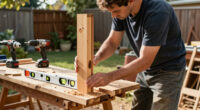
A Nature Yardlife video tutorial shows how to make a small mason bee house from an untreated cedar fence board, nesting tubes and basic tools. The project offers solitary bees nesting spaces, but the report does not establish that a particular garden saw increased bee activity or that the design has been independently tested.
A Nature Yardlife YouTube tutorial shows how a gardener can turn an untreated cedar fence board into a small, roofed nesting house for solitary mason bees, offering a way to reuse leftover material while adding nesting spaces to a garden. The report describes a DIY design, not evidence that the house has been tested or that it has increased bee numbers at a particular home.
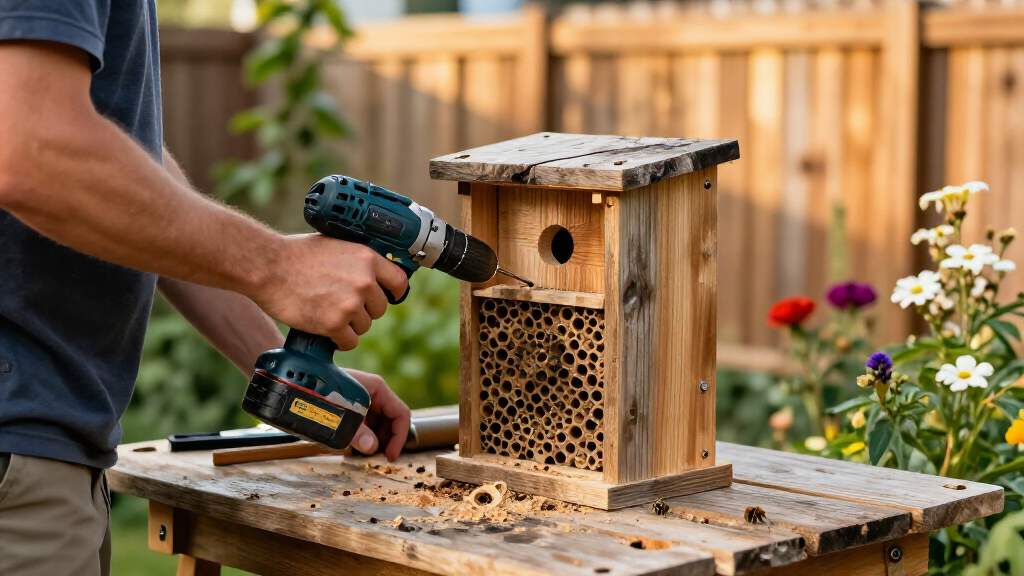
The project uses a cedar board cut into matching side panels, a back, a floor and an overhanging roof. Basic supplies include a tape measure, pencil, saw and sandpaper, plus screws and a drill or suitable nails and a brad nailer. The builder also needs mounting hardware and removable nesting tubes made for mason bees; paper liners are optional. The source does not provide a single set of dimensions, since the cuts depend on the board and the tubes selected.
In the tutorial, the sides are cut to different heights so the roof can slope. The pieces are assembled into a box, with an optional divider that creates a lower compartment. The video maker uses that space for cocoons, according to the report. A strip of scrap wood attached at the back serves as a mounting point, while the upper compartment holds the nesting tubes. The roof extends past the sides and entrance to provide cover.
The report says the tutorial recommends mounting the house firmly under shelter and facing it east, where it can receive morning sun. It also advises using tubes that can be removed for seasonal upkeep. Nesting materials left in place or reused without appropriate cleaning or replacement can accumulate parasites and disease, the report warns. The source gives no detailed cleaning schedule or specific treatment instructions.
A Nesting Space Beyond Garden Blooms
The project highlights a practical point for gardeners: planting flowers can provide food, but solitary bees also need suitable nesting cavities. Mason bees do not form honeybee-style communal hives; they use existing spaces, such as hollow stems, to raise their young. Tubes in a small wooden shelter are intended to imitate that kind of cavity, according to the report.
For readers with leftover untreated wood, the design may offer a modest reuse project rather than a costly or elaborate structure. But building a bee house is not, by itself, proof that bees will occupy it or that local pollination will improve. The report does not give measured results, identify a location where the project was tried, or compare it with other nesting options. Pairing nesting space with bee-friendly flowers is part of the source’s recommendation, not a guarantee of a particular outcome.
Popular right now

Ninja Flip Toaster Oven & Air Fryer, 8-in-1, Stainless Steel, SP151

Samsung 48-Inch S90H OLED 4K Smart TV (2026)

Breville BES870XL Barista Express Espresso Machine, Brushed Stainless Steel
As an affiliate, we earn on qualifying purchases.
How the Fence-Board Design Works
The report frames the tutorial as a way to attract solitary mason bees by supplying nesting cavities. Unlike honeybees, which live in colonies, mason bees use separate spaces for raising their young. A nesting tube gives them a ready-made cavity, while the wooden structure shelters the tubes from the elements. The design’s roof, back and mounting strip are intended to support and protect that arrangement.
The order of planning matters: the source advises choosing the nesting tubes before cutting the wood, so the finished housing is deep enough to shelter them. Board sizes vary, so measurements need to be planned for the materials on hand rather than copied from a universal cut list. The project is presented as a small garden build, not as a substitute for managing habitat or confirming which pollinators are present locally.
“Use removable tubes so they can be maintained seasonally.”
— Hunker report
Results and Maintenance Details Not Given
The source does not say when the tutorial was published, where the house was built, or whether bees later nested in it. It provides no measurements for a standard version of the design and no independent assessment of how well the structure performs. The claims about placement and the usefulness of the design are presented as tutorial guidance, rather than reported trial results.
Maintenance is another open detail. The report advises seasonal care and removable tubes but does not spell out a cleaning method, replacement interval or approach for handling cocoons. Gardeners considering the build would need to follow appropriate mason-bee care guidance for their area rather than assume that any tube can safely be reused. Local climate, available flowers and the presence of suitable nesting bees may also affect whether the house is used.
Build, Place and Monitor the House
The immediate next step for anyone following the tutorial is to choose nesting tubes, measure them, and plan the cuts around the available fence board. The source recommends securing the finished house under cover with an east-facing opening, then providing flowers nearby for visiting pollinators. No follow-up findings or formal evaluation are included in the report.
Whether this particular design attracts mason bees remains unreported. A homeowner who builds one can observe whether nesting tubes are used and keep track of seasonal upkeep, while consulting reliable local guidance on maintaining or replacing the nesting materials.
Key Questions
What materials does the mason bee house use?
The report lists an untreated cedar fence board, nesting tubes, mounting hardware, and basic measuring, cutting and sanding tools. Assembly can use screws and a drill or suitable nails and a brad nailer. Paper liners are optional.
Why choose nesting tubes before cutting the board?
The tubes determine how deep the housing needs to be to shelter them. The report says to choose them first, then plan the board cuts; it gives no universal dimensions because board and tube sizes vary.
Where does the tutorial recommend mounting the house?
The reported guidance is to mount it firmly beneath cover and face it east for morning sunlight. The source does not provide evidence that this placement guarantees occupancy.
Can the nesting tubes be reused?
The report recommends removable tubes for seasonal maintenance and cautions that nesting materials reused without proper cleaning or replacement may build up parasites and disease. It does not specify a cleaning schedule or method.
Does the report show that the house attracted bees?
No. It describes a tutorial and its construction advice, but provides no follow-up observations, bee counts or independent test results.
Source: rss