
TL;DR

Get business pricing on tools and workshop supplies
- Business-only prices and quantity discounts
- Tax-exempt purchasing
- Multiple users, one account, clear invoices
Choose a scaffold-specific plank with a verified load rating and permitted span that match your workers, tools, materials and scaffold system. Then compare material against exposure, handling and upkeep: wood can split or warp, metals can deform or corrode, and engineered or composite products depend on their specific design and manufacturer limits.
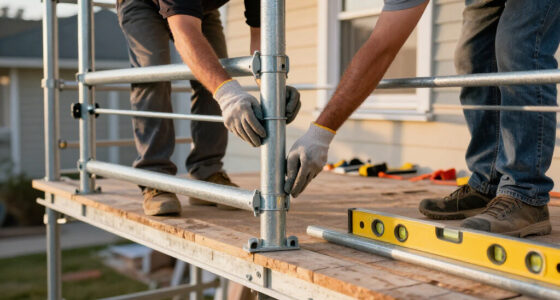
A plank can look solid from the ground and still be the weak link under a worker, a bucket of mortar and a stack of tools. Durability starts with the job: the load, span, scaffold system, weather and care all shape how long a plank remains fit for use.
This guide compares solid-sawn wood, engineered wood, aluminum, steel and composite or fiberglass. You’ll get practical tips for choosing plank material for your conditions, checking ratings and system fit, and spotting damage before it turns into a fall hazard. The right choice may be a purchase, or a rental if you only need a specialized platform for one short job.
Choose a scaffold-specific plank with a documented rating and permitted span for the expected workers, tools and materials.
Match the material to exposure: wood can split or warp, metal can deform or corrode, and engineered or composite products have product-specific limits.
Confirm dimensions, end supports and attachment features match the scaffold system instructions.
Inspect before use and after damaging events; remove cracked, bent, corroded, delaminated or questionable planks from service pending assessment.
Compare handling, storage, upkeep and expected reuse with purchase price; consider renting for a short or specialized job.
FIELD GUIDE · PLATFORM DURABILITY
Tips for Choosing the Right Scaffold Plank Material for Durability
Choose a scaffold specific plank with a verified load rating and permitted span that match your workers, tools, materials and scaffold system. Then weigh exposure, handling and upkeep: wood can split or warp, metals can deform or corrode, and engineered or composite products depend on their own design and limits.
Start with the job, not the material label
A plank can look solid from the ground and still be the weak link under a worker, a bucket of mortar and staged tools. Capacity depends on the specific product, its grade, dimensions, design, support arrangement and condition.
Compare five material families
No category guarantees longer service life. Compare products intended for the same scaffold use, then check each product’s rating, compatibility, exposure limits and care instructions.
| Material | Where it can fit | Durability checks |
|---|---|---|
| Solid-sawn wood | Familiar, comparatively light and easy to handle. | Use scaffold-grade stock. Check for splits, cracks, warping, wear and moisture damage. |
| Engineered wood | Laminated construction may provide more consistent properties than some solid stock. | Check edges, surfaces and adhesive bonds. Confirm it is designed and approved for scaffold use. |
| Aluminum | Lightweight, corrosion resistant and not susceptible to rot. | Inspect for dents, bends and hidden damage. Aluminum conducts electricity. |
| Steel | Robust, noncombustible and suited to demanding or repeated use. | Check coatings, welds and connections. Damaged protective finishes can allow corrosion. |
| Composite or fiberglass | Some products suit settings where moisture, rot or corrosion are concerns. | Verify rating, compatibility, certification, exposure limits and repair guidance with the manufacturer. |
Match material to exposure and daily wear
List the conditions the plank will face, then compare them with manufacturer guidance. “Weather resistant” is not a substitute for product specific limits.
Seven checks for a durable platform
Use this sequence before purchase, rental or installation. Durability is a combination of fit, care and repeatable inspection.
Fit, handling and care are part of durability
Support it as designed
A strong plank can still create a hazard if its ends, hooks or dimensions do not suit the scaffold. Never force a fit or improvise fastening.
Plan the moves
Lighter products may be easier to reposition. Dropping or dragging can damage ends, coatings and connections.
Account for conductors
Aluminum conducts electricity. Keep required clearances near overhead lines and have electrical hazards addressed by qualified professionals.
Remove doubt from service
Pull cracked, bent, corroded, delaminated, altered or questionable planks from use pending assessment by a qualified person.
Protect between shifts
Store planks to avoid twisting, impact, standing water and chemical exposure. Follow manufacturer cleaning directions.
Compare the full life
Consider service life, upkeep, storage and handling alongside purchase price. Renting can suit a short or specialized job.
A simple decision path
Use the chain from job conditions to continued service. Product specific instructions and applicable rules guide every step.
Start with the rating and span, not the material label
A durable scaffold plank must have a verified capacity and permitted span that match the actual work. Count the people, tools and materials on the platform, and account for concentrated loads such as a mortar tub sitting near one point. Material alone does not tell you what a plank can safely carry.
Say you’re painting a two-story exterior and plan to set a loaded paint tray, a worker and a tool bucket on one bay. A board that feels stiff underfoot while empty may behave differently under that combined load, especially across a long span. Check the product’s marking and manufacturer instructions for its rating, dimensions, supports and allowed configuration.
Use this sequence before you buy or install:
- Estimate the working load, including workers, tools and staged materials.
- Confirm the permitted span and support arrangement for the specific plank.
- Check the scaffold instructions for compatible dimensions and platform setup.
- Verify applicable local rules and any required grading, markings or approvals.
In the United States, OSHA scaffold rules address platform construction and use; other jurisdictions have their own requirements. If the rating or allowed span is unclear, stop and ask the supplier, manufacturer or a qualified scaffold professional. Guessing based on another plank of the same material is not a sound shortcut.
Popular right now

DeLonghi Rivelia Automatic Espresso Machine Bundle with Grinder and Frother, Beige

Shark Navigator Lift-Away Upright Vacuum (NV360)

Dreame L40 Ultra Gen 2 Robot Vacuum and Mop
As an affiliate, we earn on qualifying purchases.
Compare five materials against the conditions on your job
Wood, engineered wood, aluminum, steel and composite planks each have different wear points. The best fit depends on exposure, handling, product design and maintenance; no material category guarantees a longer service life. Compare products intended for the same scaffold use, then check their individual ratings and care instructions.
| Material | Where it can fit | Durability checks |
|---|---|---|
| Solid-sawn wood | Familiar, comparatively light and easy to handle | Check for splits, cracks, warping, wear and moisture damage; use scaffold-grade stock. |
| Engineered wood | Laminated construction may offer more consistent properties than some solid stock | Look for damage to edges, surfaces or adhesive bonds; confirm the product is approved for scaffold use. |
| Aluminum | Lightweight and generally resistant to corrosion and rot | Inspect for dents, bends and hidden damage; follow electrical-safety rules because aluminum conducts electricity. |
| Steel | Robust, noncombustible and suited to demanding or repeated use | Check coating, welds and connections; damaged protective finishes can allow corrosion. |
| Composite or fiberglass | Some products suit environments where moisture, rot or corrosion is a concern | Verify the specific load rating, compatibility, certification, exposure limits and repair guidance. |
For example, a crew moving platforms repeatedly may value the easier handling of a lighter plank, while a long-term site with rough use may favor a different product built for that service. That tradeoff only works if the selected plank’s rating, fit and condition also meet the job requirements.
Match the plank to rain, chemicals, heat and daily wear
Exposure determines which damage to watch for. Moisture can affect wood, damaged coatings can leave metal vulnerable to corrosion, and composite products may have specific limits for heat or chemicals. A material that lasts well in a dry indoor shop may not hold up the same way on an exposed exterior job.
Picture a scaffold left outside through several rainy weeks while a crew works around a renovation. Standing water and repeated wetting can accelerate deterioration in wood, while wet walking surfaces create a slip concern regardless of material. Aluminum and steel avoid rot, but neither escapes inspection: a bent aluminum section or rust around a damaged steel coating deserves attention.
Before choosing, list the conditions the plank will face: rain, standing water, chemical splashes, heat, abrasion and outdoor storage. Compare that list with the manufacturer’s exposure guidance. If a product is intended for a particular environment, verify the limits rather than relying on a broad label such as “weather resistant.”
Also consider what happens between shifts. A plank left leaning against a wall can twist or take impact; one stored in a puddle or beside chemical containers may suffer avoidable damage. Good storage is part of the durability plan. Keep the platform clean and free of slippery residue, and follow the product’s cleaning directions instead of applying an unapproved solvent or coating.
Check fit and handling before the first lift
A strong plank can still be unsafe if it does not fit the scaffold system. Confirm its dimensions, end supports, hooks or attachment features, and intended platform arrangement against the scaffold manufacturer’s instructions. Durability includes staying properly supported and secured through repeated use.
Consider a small remodeling crew that buys a sturdy plank because its length seems close to the bay width. If the ends do not sit as designed or the attachment features do not match, the crew has a compatibility problem even if the plank itself is new. The answer is not to force it into place or improvise a fastening method; use a compatible platform configuration.
Handling matters too. A lighter plank may reduce the effort of moving it from bay to bay, while a heavier product may be less convenient for a one-person lift. On a site where the crew repositions platforms several times a day, that difference affects workflow and how carefully workers handle the plank. Dropping or dragging stock can damage ends, coatings and connections.
Before use, check the product marking and system instructions. If the work puts planks near overhead electrical lines or exposed conductors, account for the fact that aluminum conducts electricity. Keep required clearances and have electrical hazards addressed by qualified professionals. Scaffold setup and platform changes should follow applicable rules, with a competent or otherwise qualified person involved where required.
Build a quick inspection habit that catches damage early
Inspect each plank before use and after an event that could damage it. Look for defects that match the material: splits and warping in wood, delamination in engineered products, dents or bends in aluminum, corrosion or damaged welds in steel, and product-specific damage in composites. A quick look can catch obvious trouble, but questionable defects need qualified assessment.
For example, if a plank slips from a truck bed and strikes a concrete edge, do not put it back into service just because the top surface looks clean. The impact may have bent a metal section or damaged an end connection. Mark it and remove it from the work area until the appropriate person determines whether it remains safe.
Use a simple routine: check before setup, recheck after impact or unusual loading, and follow site procedures. Look over the full length, both ends, connections and walking surface. Keep damaged stock apart from usable planks so another worker does not grab it during a rushed morning setup.
Take a plank out of service if it is cracked, split, excessively worn, bent, corroded, delaminated, altered or otherwise questionable. Do not make an improvised repair with screws, plates or tape. Repairs can hide damage or change how a plank carries load; only follow a specific repair method when the manufacturer and applicable rules permit it.
Compare lifetime cost with how often you’ll use the plank
Purchase price is only one part of plank cost. Include expected service life, inspection time, storage, handling effort, replacement needs and the consequences of using a product outside its intended conditions. A lower-cost plank that needs frequent replacement may cost more over time, while a specialized product may not make sense for a single brief project.
Imagine you’re repainting one house and need a particular platform arrangement for a few days. Renting a compatible scaffold and plank system may make more sense than buying a specialized product, especially if you lack dry storage and a clear inspection process. A contractor with repeated work in the same conditions may reach a different decision after comparing handling and upkeep across many jobs.
Ask the supplier for the manufacturer’s care, inspection, repair and disposal guidance. Products in the same broad category can differ, so treat claims about low maintenance or long life as product-specific. A useful comparison records the rating, permitted span, weight, system compatibility, exposure limits and upkeep for each option.
More engineered and composite products have expanded the choices available, and interest in reduced plank weight and lifecycle cost continues. Those trends do not establish safety by themselves. For a current product or standard, check the relevant regulator and manufacturer documentation. If the job is short and the product unfamiliar, renting from a supplier who can confirm system compatibility may be the sensible route.
Set up storage and care that preserve service life
Correct storage protects a plank between shifts and between jobs. Follow the manufacturer’s instructions, and keep stock organized so damage is visible. Avoidable moisture, chemical exposure, impact and distortion can shorten useful life even when the plank is rated for the work.
A crew that stacks planks haphazardly beside a wash station may find them coated in residue, hard to inspect and vulnerable to knocks from carts. A dedicated storage area makes it easier to spot a split board or a bent fitting before someone carries it back onto a platform. It also reduces the chance that a damaged plank gets mixed in with serviceable stock.
Use these practical habits:
- Store planks as the manufacturer directs, protected from damaging moisture, chemicals and impacts.
- Keep stacks stable and organized so planks do not distort or fall during handling.
- Separate damaged stock and label it clearly while it awaits assessment or disposal.
- Clean with approved methods and avoid unapproved repairs, coatings or solvents.
Care does not make an unsuitable plank safe, and a clean surface does not prove the structure is sound. Pair storage habits with inspection, use within the rated span and correct installation. That routine helps preserve the plank and gives the next worker a clearer view of its condition.
Frequently Asked Questions
Which scaffold plank material lasts the longest?
There is no universal winner. Service life depends on product quality, loading, weather and chemical exposure, handling, storage and inspection. Compare scaffold products designed for the same use and conditions.
Can I use regular construction lumber as a scaffold plank?
Do not assume ordinary lumber is suitable. Use scaffold planks that meet applicable grading, marking and regulatory requirements, and verify their capacity and permitted span. A board that looks thick and straight has not necessarily been approved for platform use.
Are metal scaffold planks safer than wood?
Material alone does not determine safety. Rating, span, support, installation, condition and inspection matter for every plank. Check metal products for dents, deformation, corrosion, weld damage and faulty connections.
Can scaffold planks get wet?
Exposure limits depend on the product, and wet conditions can also make walking surfaces slippery. Moisture may damage wood; metal and composite products have their own limits. Follow manufacturer guidance and keep the platform clear and safe to walk on.
When should I remove a plank from service?
Remove a plank if it is cracked, split, excessively worn, bent, corroded, delaminated, altered or otherwise questionable. Keep it out of the usable stock until a qualified person assesses it. Do not patch it with an improvised repair.
What matters more: material or load rating?
Both matter, along with span and scaffold compatibility. First choose a scaffold-specific product with a rating and permitted span suited to the job, then use and maintain it as directed. Two planks made from the same material can have different capacities.
Conclusion
Choose the plank by its rating, span, system fit and exposure limits, then protect that choice with careful handling, inspection and storage. If you cannot verify the product’s capacity or compatibility, pause and get guidance before anyone steps onto it.
A scaffold plank is more than support; it needs to stay sound where the work happens, shift after shift. Treat every crack, bend or uncertain marking as a reason to stop and check.