
TL;DR

Get business pricing on tools and workshop supplies
- Business-only prices and quantity discounts
- Tax-exempt purchasing
- Multiple users, one account, clear invoices
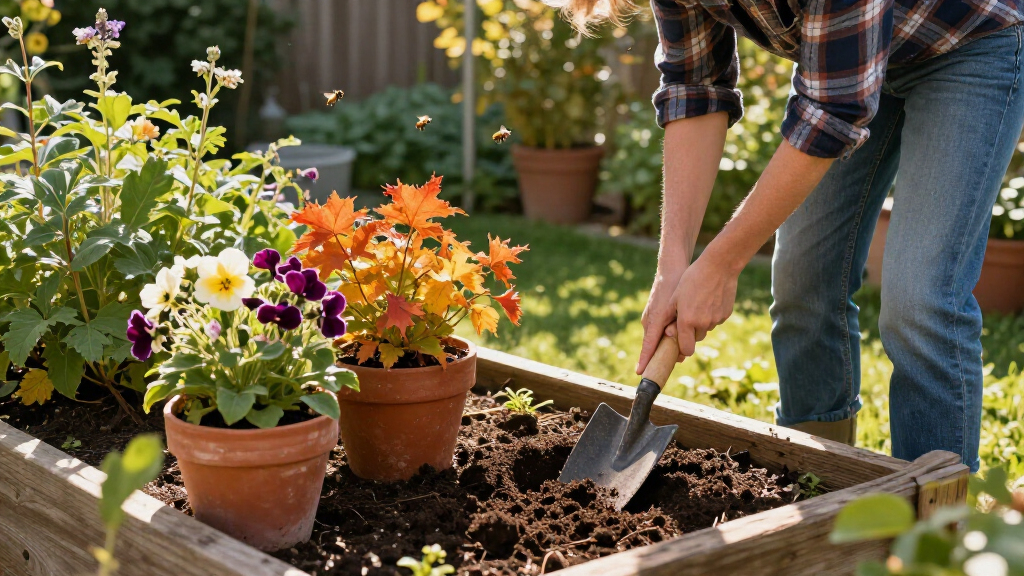
Interest in autumn plants that attract bees and butterflies is rising, driven by gardeners seeking to support pollinators. Experts recommend specific plants for a fall garden feast, though full details are still emerging.
Gardening interest in autumn plants that attract bees and butterflies is surging, with experts emphasizing the importance of planting specific species to support pollinator populations during fall. While exact plant recommendations are still being confirmed, the trend indicates a growing awareness of the role of pollinator-friendly plants in autumn garden design.
Recent online searches and coverage show a spike in interest around autumn plants that draw bees and butterflies, signaling a trend among gardeners to create pollinator-friendly fall gardens. Experts suggest that certain plants bloom late into the season, providing vital nectar and pollen sources when fewer flowers are available.
Although specific plant names are not yet fully confirmed, preliminary reports point to species such as Japanese Anemone, Goldenrod, and Sedum as top contenders for attracting pollinators in autumn. These plants are known for their late-season blooms and high nectar production, making them ideal for supporting bees and butterflies before winter.
Sources note that the trend may be linked to increased awareness of pollinator declines and efforts to support biodiversity through gardening. The exact list of recommended plants is expected to be finalized soon, but the focus remains on choosing native, nectar-rich species that bloom in fall.
Why Supporting Pollinators in Fall Matters
This trend underscores the importance of providing food sources for bees and butterflies during the critical autumn period, which is often overlooked in garden planning. Supporting pollinators in fall can help sustain their populations through winter and improve overall garden health and productivity in subsequent seasons. As pollinator declines continue globally, planting pollinator-friendly autumn plants becomes a practical step gardeners can take to contribute to biodiversity conservation.
Popular right now

KitchenAid Artisan Series 5-Quart Tilt-Head Stand Mixer, Dried Rose (KSM150PS)

Vitamix Propel Series 510 Professional-Grade Blender, 3 Programs, Black

Dreame L50 Ultra Robot Vacuum and Mop
As an affiliate, we earn on qualifying purchases.
Growing Interest in Fall Pollinator Gardens
The focus on pollinator support has traditionally centered on spring and summer, but recent environmental concerns and declining pollinator populations have shifted attention toward fall planting. Gardeners are increasingly seeking plants that bloom late in the season, filling a critical gap in nectar availability. This shift is reflected in rising online searches, garden center sales, and expert advice advocating for late-season nectar sources.
Previous studies have shown that late-blooming plants can significantly benefit bees and butterflies preparing for winter hibernation or migration. The current trend appears to be a response to these findings, with more gardeners aiming to create sustainable, pollinator-friendly landscapes year-round.
Unconfirmed Plant Recommendations and Timing
It is not yet clear which specific plants will be officially recommended as the top pollinator magnets for autumn, as experts are still finalizing the list. Details about the best planting times and regional suitability are also still emerging, and the full scope of the trend remains to be confirmed through further studies and expert consensus.Expected Finalized List and Gardening Tips Soon
Experts are expected to release a definitive list of recommended autumn plants for pollinators within the coming weeks. Gardeners are advised to monitor trusted horticultural sources and local gardening centers for updates. In the meantime, planting late-blooming, nectar-rich species and supporting native plants can help contribute to pollinator health during fall.
Further research and surveys are likely to clarify regional best practices and optimal planting windows, helping gardeners maximize pollinator support in their fall gardens.
Key Questions
Which plants are best for attracting bees and butterflies in autumn?
While specific recommendations are still being confirmed, plants like Japanese Anemone, Goldenrod, and Sedum are commonly cited for their late-season blooms and nectar production. Native species are generally preferred for maximum benefit.
When should I plant autumn pollinator plants?
Most late-season plants should be planted in late summer to early fall, depending on your region. Check local planting guides for regional timing, and ensure plants are established before the first frosts.
Why is supporting pollinators in fall important?
Supporting pollinators during fall helps sustain their populations through winter and supports overall biodiversity. It also benefits garden productivity in subsequent seasons by maintaining healthy pollinator communities.
Are native plants better for pollinators than non-native species?
Yes, native plants are generally more beneficial because they have co-evolved with local pollinators, providing better nectar sources and habitat suitability. Gardeners are encouraged to prioritize native species when possible.
Source: rss