TL;DR

Get business pricing on tools and workshop supplies
- Business-only prices and quantity discounts
- Tax-exempt purchasing
- Multiple users, one account, clear invoices
House Beautiful describes 12 features in older homes that can look unusual today but once served practical purposes, including servant-call bells, dumbwaiters, carriage houses and boot scrapers. Their uses reflect older technologies, household routines and social arrangements; the article does not establish that every feature appears in every historic home.
House Beautiful has explained the practical roles behind 12 features found in older homes, including servant bell boards, dumbwaiters, carriage houses and separate staircases. The report shows how household technology and design responded to daily needs—and to social customs—that have changed over time.
Servant bell boards let household staff identify which room was calling for assistance. Bells were typically labeled and linked to pull cords or pulleys in the walls; in some systems, distinct tones helped staff tell calls apart. They were often installed in a butler’s pantry.
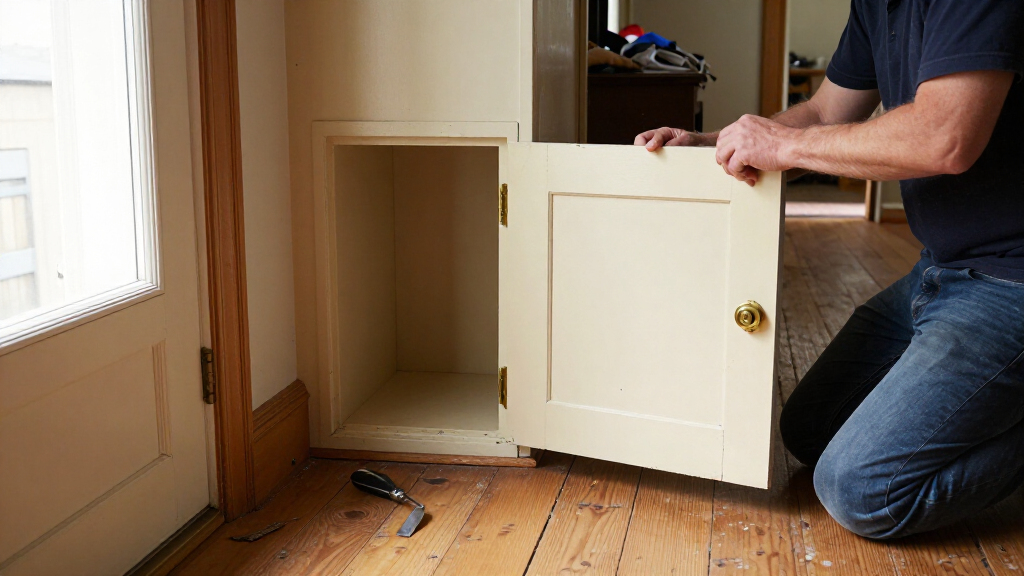
Dumbwaiters functioned as small lifts, moving food between kitchens and dining rooms and reducing the need to carry trays on stairs. The report says they were popular in large homes during the Gilded Age, when kitchen and dining areas could be far apart. Today, their shafts may take up space, and the source notes that upkeep can be costly and the equipment can pose safety risks.
Carriage houses stored horse-drawn vehicles before cars became widespread. Boot scrapers, often set into porch steps or beside an entrance, helped remove mud and manure from shoes. Inside, a home might have narrow staff stairs for household workers and a more prominent staircase for residents and guests. These examples illustrate how features that now seem ornamental or inconvenient once answered specific transportation, cleaning and service needs.
Design Reflects Daily Household Life
The features matter because they preserve evidence of how people moved, ate and maintained homes before modern appliances, transport and floor plans became common. A dumbwaiter was not merely an architectural curiosity: it addressed the effort and spill risk of carrying meals between separated rooms. A boot scraper addressed the practical problem of bringing street dirt indoors.
Some features also reflect social divisions within historic households. The source describes staff staircases as a way to keep workers out of view while guests were present. That history adds context to preservation and renovation decisions: owners may value a feature for its craftsmanship, but understanding its original purpose provides a fuller account of the home and the people who worked in it.
Popular right now

Bose QuietComfort True Wireless Earbuds with Active Noise Cancellation, Black

DeLonghi Rivelia Automatic Espresso Machine Bundle with Grinder and Frother, Beige

Shark Navigator Lift-Away Upright Vacuum (NV360)
As an affiliate, we earn on qualifying purchases.
From Horse Carriages to Home Systems
The report places many of these features in 19th- and early-20th-century homes, when household layouts and technology differed from those common today. Before the automobile became widespread, wealthier households used horse-drawn carriages and needed secure storage nearby. Larger homes could also have kitchens and service areas separated from dining rooms, making lifts and call systems useful.
As transportation, domestic technology and household routines changed, many of these systems became less useful or disappeared from new construction. The source also describes their modern trade-offs: dumbwaiters can occupy valuable interior space and require maintenance, while carriage houses in some cities have been converted into residences. The supplied report begins discussing transom and tuberculosis windows, but its text is cut off before their purposes or the remaining features are fully detailed.
The Source Leaves Several Features Unspecified
The supplied source names a headline promising 12 features, but the provided article text gives detailed explanations for only five categories: bell boards, dumbwaiters, carriage houses, boot scrapers and separate staircases. It begins a section on transom and tuberculosis windows but ends mid-sentence. The other features, and the full explanation of those windows, cannot be verified from the material provided.
The report also offers general descriptions rather than a survey of how frequently these features survive in homes today. Their design and use could vary by house, region and period; the source does not provide dates or evidence for every example. Its claims should be read as an overview, not as a complete guide to identifying or dating an individual building.
Check the Complete Feature List
The supplied material does not announce a future event or follow-up. Readers seeking all 12 explanations would need to consult the complete House Beautiful report; the excerpt provided here does not contain the full list. For a specific historic home, architectural records or a qualified preservation professional may help establish when a feature was installed and how it was used.
Key Questions
What did a butler bell board do?
It signaled which room needed assistance. The bells were labeled by room and commonly connected to pull cords or pulleys. Some systems used different tones to distinguish calls.
Why did older homes have dumbwaiters?
Dumbwaiters carried items between floors, especially food between kitchens and dining rooms. They reduced the need to carry full trays up and down stairs.
What was a carriage house used for?
It stored horse-drawn carriages before automobiles became widespread. Some carriage houses have since been converted into homes, according to the report.
Why were there separate staircases in some historic homes?
Some homes had narrow stairs for staff and a more prominent staircase for residents and guests. The report says staff stairs helped keep household workers out of sight during visits.
Does the supplied report explain all 12 features?
No. The provided excerpt is incomplete. It gives details for five feature categories and starts a section on transom and tuberculosis windows, but the text cuts off before the full list and explanations appear.
Source: rss