
TL;DR

Get business pricing on tools and workshop supplies
- Business-only prices and quantity discounts
- Tax-exempt purchasing
- Multiple users, one account, clear invoices
A designer has repurposed a 1977 Sears kit house into a vivid, contemporary retreat. The renovation emphasizes the growing interest in restoring vintage homes with bold, personalized styles. Details about the project and its impact are still emerging.
A designer has transformed a 1977 Sears kit house into a vivid, contemporary retreat, highlighting a rising trend in vintage home renovation. The project, which involved bold color choices and modern updates, underscores increasing interest in restoring and personalizing mid-century homes. The renovation has garnered attention from design enthusiasts and homeowners interested in vintage architecture.
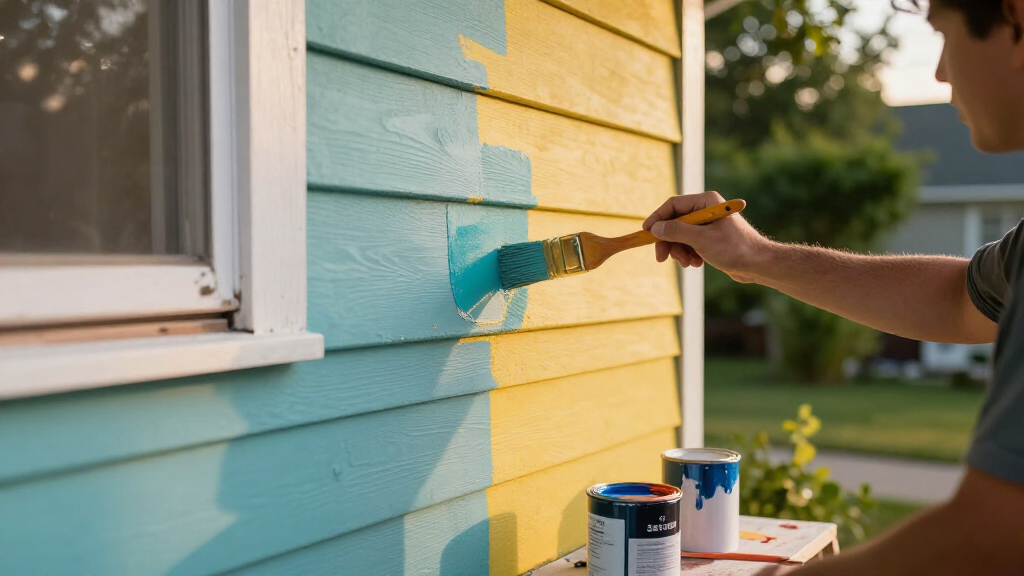
The house, built in 1977 as part of Sears’ kit home program, was purchased by the designer, who undertook a comprehensive overhaul. The renovation included repainting the exterior with bright, contrasting colors, updating the interior with modern fixtures, and adding creative outdoor spaces. The project aimed to preserve the house’s original structure while infusing it with a fresh, artistic personality.
Sources indicate that the designer focused on emphasizing the house’s unique architectural features, such as its gabled roof and original woodwork, while integrating contemporary elements like open-plan living areas and bold color schemes. The result is a vibrant home that balances nostalgia with modern aesthetics, attracting significant attention on social media and design platforms.
While the project’s full scope and funding details remain private, early reports suggest that the renovation was both a personal passion project and a statement on the potential of vintage homes to serve as customizable, lively residences. The house now functions as both a private home and a showcase for innovative renovation techniques.
Why This Renovation Reflects a Broader Vintage Home Revival
This transformation illustrates a growing trend among homeowners and designers to revive vintage houses with personalized, bold styles. It demonstrates that older structures like Sears kit homes can be adapted to contemporary tastes while maintaining their historical charm. Such projects can inspire others to see potential in mid-century architecture, fostering a renewed appreciation for these often-overlooked homes.
Moreover, the project highlights the increasing popularity of DIY and professional renovations that blend preservation with innovation, encouraging sustainable and creative approaches to housing. This trend may influence future restoration efforts and real estate developments, emphasizing individuality and artistic expression in home design.
Popular right now

Shark Navigator Robot Vacuum with 30-Day Self-Emptying Base, White (AV2110S)

KitchenAid Classic Series 4.5 Quart Tilt-Head Stand Mixer (K45SS), Onyx Black

Ninja Specialty Coffee Maker CM401, 10-Cup Carafe, Fold-Away Frother, Black
As an affiliate, we earn on qualifying purchases.
Historical and Cultural Significance of Sears Kit Homes
Sears kit homes, produced between 1908 and 1940, are a notable part of American architectural history, representing affordable, prefabricated housing for middle-class families. By 1977, many of these homes had aged, but they remained a symbol of mid-century suburban expansion. Interest in these homes has grown among collectors, historians, and renovation enthusiasts, driven by their distinctive design and nostalgic appeal.
The recent surge in coverage and search interest appears to be linked to the broader trend of vintage home restoration, although specific triggers are unconfirmed. The project exemplifies how these historic structures can be reimagined for modern living, blending preservation with creative innovation.
Prior to this renovation, most efforts focused on maintaining original features or restoring homes to their original state. This latest project marks a shift toward bold, personalized reinterpretations that challenge traditional notions of historic preservation.
Unconfirmed Factors Behind Rising Interest in Vintage Homes
It is not yet clear what specific events or media coverage triggered the recent spike in search interest and coverage of vintage Sears homes. While the project has gained attention online, the broader trend appears to be part of a larger movement toward personalized home restoration, but the precise causes remain unconfirmed.
Details about the project’s funding, the designer’s identity, and the full scope of renovation are still emerging, and it is uncertain whether this project will inspire widespread replication or remain a unique case.
Future Impact and Potential Replication of the Renovation Trend
As the project gains visibility, it may inspire other homeowners and designers to pursue similar renovations of vintage homes, blending historic preservation with modern aesthetics. Industry experts suggest that this could lead to increased interest in mid-century and kit homes, potentially influencing real estate markets and renovation practices.
Further coverage and case studies are expected to emerge, providing more details on the scope, costs, and creative approaches involved. The trend could also prompt advocacy for preservation policies that support innovative reinterpretations of historic structures.
Key Questions
What is a Sears kit house?
Sears kit houses were prefabricated homes sold by Sears, Roebuck and Co. between 1908 and 1940, designed to be assembled by homeowners or contractors. They are notable for their distinctive architectural styles and historical significance.
How was the house renovated?
The renovation included repainting the exterior with vibrant colors, updating the interior with modern fixtures, and creating outdoor living spaces. The focus was on preserving the original structure while adding contemporary design elements.
Why is this renovation significant?
It demonstrates how vintage homes can be reimagined as personalized, colorful residences, encouraging a broader appreciation and creative revival of mid-century architecture.
Is this part of a larger trend?
Yes, there is a growing interest in restoring vintage homes with bold, individualized styles, although the specific factors driving the current surge are still being studied.
Source: rss